Carbon Fiber Dual-Use Export Control: Supply Chain Screening and End-User Compliance
From regulatory frameworks to practical screening tools: navigating dual-use export controls for carbon fiber materials.

Carbon Fiber Knowledge
The latest from the world of advanced composites and carbon fiber technology.

From regulatory frameworks to practical screening tools: navigating dual-use export controls for carbon fiber materials.

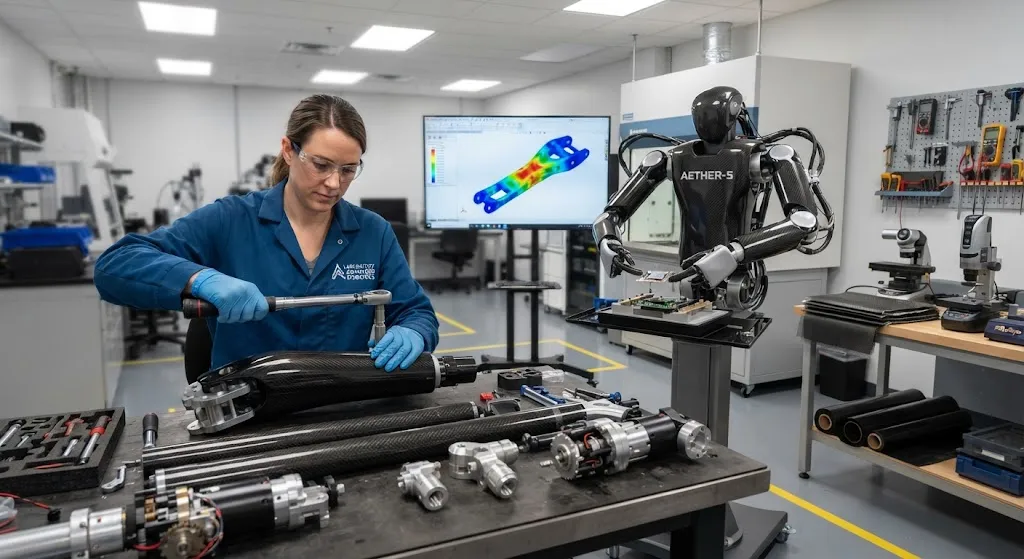
The humanoid robotics industry is transitioning from research prototypes to commercial mass production, with companies like Tesla, Boston Dynamics, Figure AI, and Agility Robotics targeting production volumes of thousands to tens of thousands of units annually. This scale demands a fund

The European Union's Carbon Border Adjustment Mechanism represents the most significant regulatory shift in international carbon fiber trade since the introduction of emissions trading schemes. CBAM, which began its transitional phase in October 2023, enters full implementation on Janua

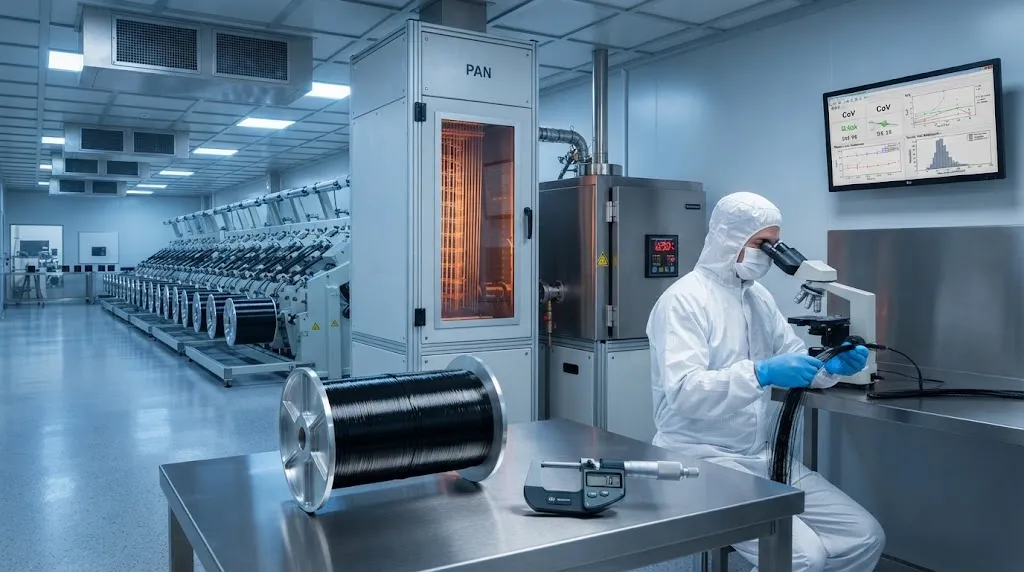
Carbon fiber technology has evolved through three distinct generations, each defined by the balance between strength and modulus. The first generation delivered standard tensile strength with moderate modulus. The second generation improved tensile strength to 5.5 GPa but at the cost of

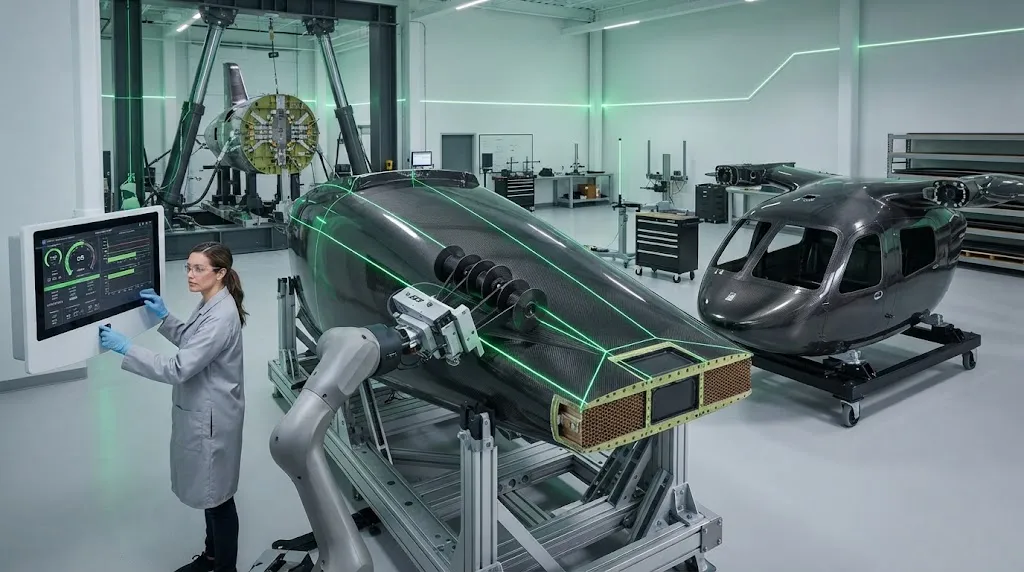
The electric vertical takeoff and landing (eVTOL) aircraft industry is advancing rapidly toward commercial certification, with more than 300 designs globally competing for type certificates from EASA, the FAA, and CAAC. Carbon fiber reinforced polymer (CFRP) composites dominate eVTOL ai

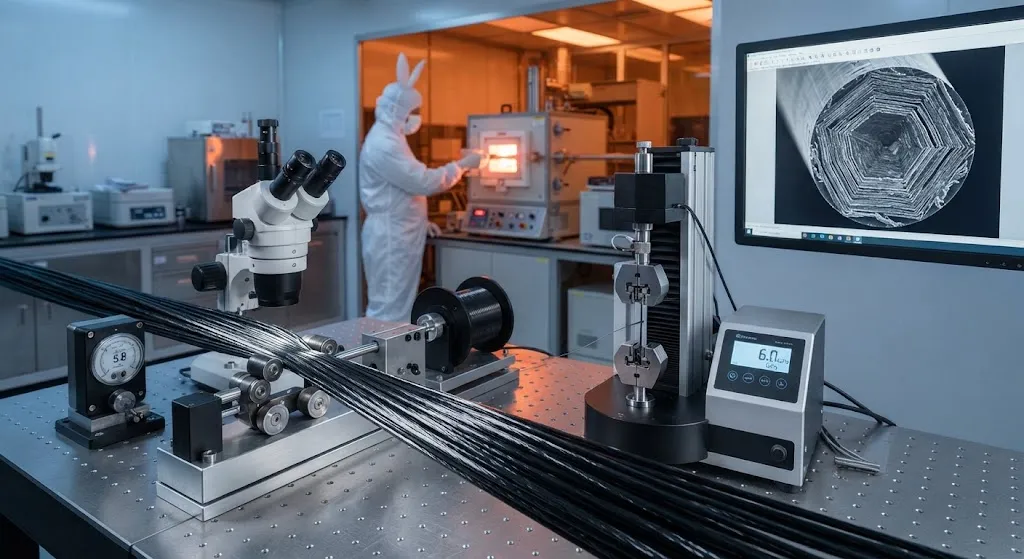
China's carbon fiber industry has achieved a critical milestone with Shanghai Petrochemical's successful mass production of T1000-grade carbon fiber in 12K tow format. This development represents the first domestically produced T1000-class fiber to reach consistent commercial-scale outp

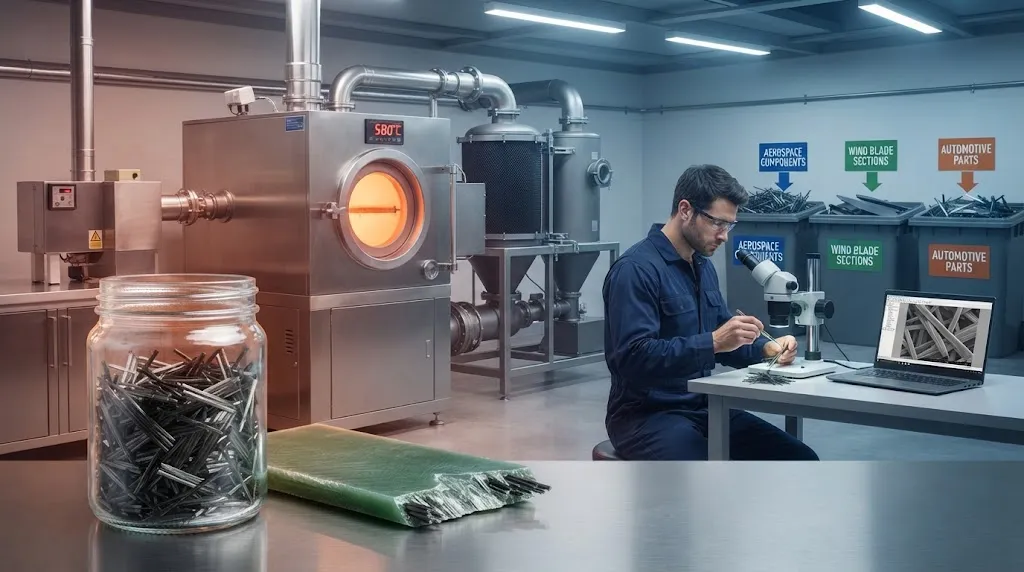
Global carbon fiber reinforced polymer (CFRP) waste is projected to exceed 100,000 tonnes per year by 2030, driven by end-of-life aircraft, decommissioned wind turbine blades, and manufacturing scrap from automotive and aerospace production lines. The European Union's Regulation 2026/71

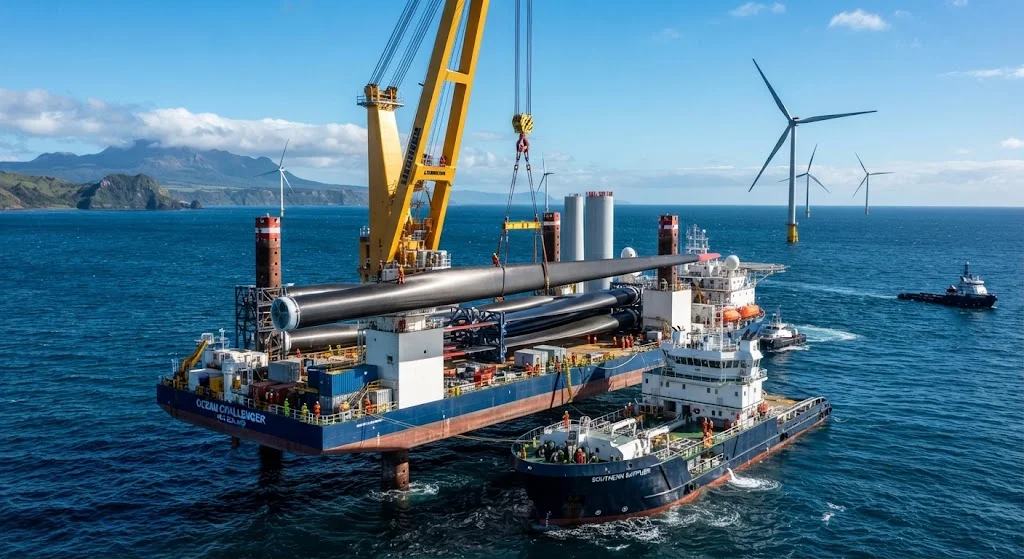
New Zealand's carbon fiber market is driven by two sectors: offshore wind energy and marine technology. The country's ambitious renewable energy targets and long-established marine engineering heritage create focused demand for advanced composite materials in turbine blades, subsea structures, and high-performance vessels.

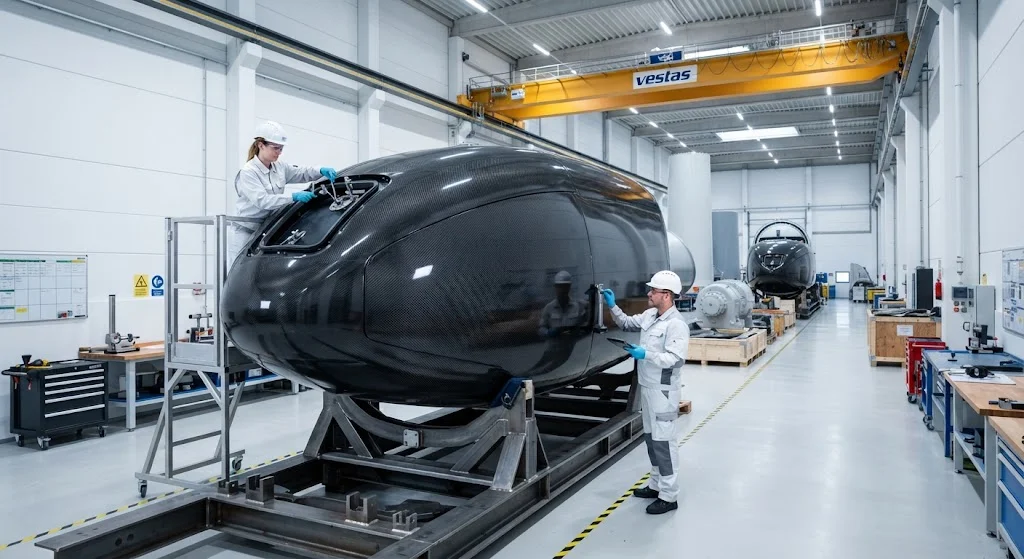
Carbon fiber nacelle covers represent a critical lightweighting opportunity for next-generation wind turbines, reducing nacelle mass by 20-35% while improving aerodynamic performance and service accessibility. This article examines carbon fiber nacelle cover design, manufacturing methods, and the structural-aerodynamic trade-offs that optimize turbine performance.