
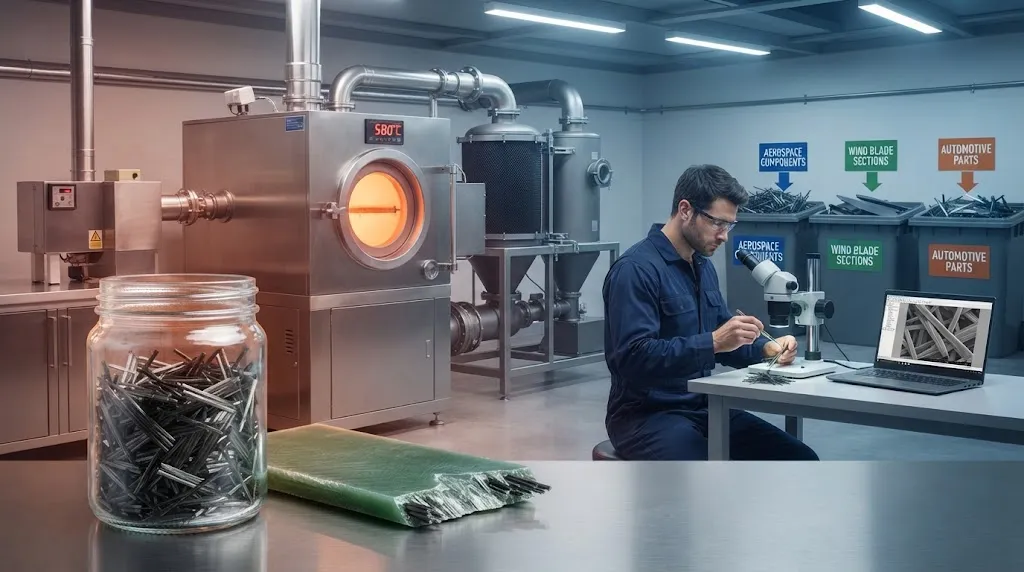
Global carbon fiber reinforced polymer (CFRP) waste is projected to exceed 100,000 tonnes per year by 2030, driven by end-of-life aircraft, decommissioned wind turbine blades, and manufacturing scrap from automotive and aerospace production lines. The European Union's Regulation 2026/71
Introduction
Global carbon fiber reinforced polymer (CFRP) waste is projected to exceed 100,000 tonnes per year by 2030, driven by end-of-life aircraft, decommissioned wind turbine blades, and manufacturing scrap from automotive and aerospace production lines. The European Union's Regulation 2026/718 now mandates a 70% recovery rate by mass for wind turbine blades, while Germany's planned ELV directive revisions will extend similar obligations to automotive composites. These regulatory pressures, combined with the cost advantage of recycled fiber at 30–50% of virgin material pricing, have accelerated industrial-scale CFRP recycling.
Two principal technologies dominate the recycled carbon fiber landscape: pyrolysis, which thermally decomposes the resin matrix in an oxygen-limited atmosphere, and solvolysis, which chemically dissolves the matrix using solvents under heat and pressure. Each route retains different fractions of the original fiber's mechanical properties, demands different capital investment, and serves different end markets. This article provides a detailed comparison of both processes, their retained fiber properties, qualification pathways, and the market segments where recycled carbon fiber offers the most compelling value proposition.
Pyrolysis: Process Mechanics and Retained Fiber Properties
Pyrolysis recovers carbon fiber by heating CFRP waste to 450–700°C in an inert or oxygen-limited environment, thermally decomposing the epoxy or phenolic resin matrix while leaving the carbon fiber substrate largely intact. The process operates in batch or continuous rotary kilns, with residence times of 30–90 minutes depending on part thickness and resin content.
The key advantage of pyrolysis is its feedstock flexibility: it accepts mixed CFRP waste including painted parts, metallic inserts, and contaminated materials, requiring only size reduction to approximately 50 mm particles before processing. Residual char remaining on the fiber surface after pyrolysis must be removed through a secondary oxidation or cleaning step to restore surface activity for subsequent resin bonding.
| Property | Virgin T300 | Pyrolyzed T300 (550°C) | Retention Rate |
|---|---|---|---|
| Tensile Strength | 3,530 MPa | 3,180–3,350 MPa | 90–95% |
| Tensile Modulus | 230 GPa | 225–230 GPa | 98–100% |
| Elongation at Break | 1.5% | 1.3–1.4% | 87–93% |
| Fiber Diameter | 7 μm | 6.8–7.0 μm | ~100% |
| Surface Oxygen Content | 2–3 at% | 5–8 at% | Increased (oxidized) |
The retained tensile modulus is remarkably stable because the graphitic crystal structure of PAN-based carbon fiber survives the pyrolysis temperature range. Tensile strength loss of 5–10% is primarily attributable to surface damage from char oxidation and thermal degradation of the fiber-matrix interphase region. Processing temperature is the critical variable: below 500°C, strength retention exceeds 95%, but char removal becomes difficult; above 650°C, fiber surface etching accelerates and strength retention drops below 85%.
Solvolysis: Chemical Recovery and Fiber Quality
Solvolysis dissolves the thermoset resin matrix using chemical solvents — typically water (hydrothermal), glycols, or organic solvents — at elevated temperatures (150–250°C) and pressures (10–40 bar). The carbon fiber emerges physically intact with minimal surface damage, and the dissolved resin components can potentially be recovered as chemical feedstocks.
Hydrothermal solvolysis (supercritical or subcritical water) is the most environmentally favorable variant, requiring no organic solvents and producing only water-soluble degradation products. Catalytic solvolysis using sodium hydroxide or organic bases at 180–220°C achieves resin decomposition in 1–4 hours while maintaining fiber strength above 95% of the original value.
| Property | Virgin T300 | Solvolyzed T300 (Water, 200°C) | Retention Rate |
|---|---|---|---|
| Tensile Strength | 3,530 MPa | 3,360–3,460 MPa | 95–98% |
| Tensile Modulus | 230 GPa | 228–230 GPa | 99–100% |
| Elongation at Break | 1.5% | 1.4–1.5% | 93–100% |
| Surface Oxygen Content | 2–3 at% | 3–5 at% | Slightly increased |
| Residual Char | None | None | Clean fiber surface |
Solvolyzed fibers exhibit higher retained strength than pyrolyzed fibers because the chemical dissolution process causes minimal surface damage. The clean fiber surface also eliminates the need for secondary oxidation cleaning, reducing process steps and associated fiber handling damage. However, solvolysis requires cleaner, more sorted feedstock: painted surfaces, metallic inserts, and heavily contaminated parts can poison the solvent and complicate resin recovery.
Process Economics and Scale-Up
The economic comparison between pyrolysis and solvolysis depends on feedstock type, throughput requirements, and target end markets:
- Capital cost: Pyrolysis kilns cost $2–5 million for a 1,000-tonne/year facility; solvolysis reactor systems cost $3–8 million for equivalent throughput due to pressure vessel requirements and solvent handling infrastructure.
- Operating cost: Pyrolysis operating costs range from $1.50–2.50 per kg of recovered fiber, driven by energy consumption and post-processing; solvolysis costs $2.00–3.50 per kg due to solvent purchase, recovery, and wastewater treatment.
- Throughput: Continuous pyrolysis systems achieve 500–2,000 kg/hour throughput; batch solvolysis processes typically operate at 50–200 kg/batch with 4–8 hour cycle times.
- Fiber recovery rate: Both processes recover 85–95% of the input fiber mass, with losses primarily from fines generation during size reduction and handling.
- Revenue potential: Solvolysis-derived fibers command a 10–20% price premium over pyrolyzed fibers due to higher retained strength and cleaner surface, translating to selling prices of $8–15/kg versus $6–12/kg for pyrolyzed fiber.
Industrial-scale pyrolysis operations are more mature, with companies like ELG Carbon Fibre (now Gen 2 Carbon), Carbon Conversions, and Karborek operating facilities with capacities of 1,000–5,000 tonnes/year. Solvolysis remains largely at pilot and demonstration scale, with initiatives like the Fraunhofer ICT facility and the University of Erlangen pilot plant processing 50–200 tonnes/year.
End-Market Applications and Qualification
The retained properties of recycled carbon fiber determine its viable end-market applications. Pyrolyzed fiber, with 90–95% tensile strength retention, is well suited for short-fiber injection molding compounds, nonwoven mat products, and compression-molded semi-structural components where random fiber orientation dominates performance. The automotive sector represents the largest near-term market, with recycled carbon fiber compounds used in underbody shields, spare wheel wells, battery enclosures, and interior structural brackets.
Solvolyzed fiber, retaining 95–98% of original strength, can qualify for more demanding applications including chopped strand mat for filament winding, pressed board products for aircraft interior panels, and hybrid textile reinforcements for semi-structural automotive parts. Aerospace qualification requires demonstration of consistent mechanical properties through statistical sampling per ASTM D30 and full traceability from waste source through recovery process to finished part.
Qualification for both routes follows a maturing framework: recycled fiber suppliers must provide batch-level mechanical property data (tensile strength, modulus, surface energy), process traceability documentation, and evidence of consistent performance across waste source variability. Airbus and Boeing have both accepted recycled carbon fiber in non-primary structural interior components, with qualification pathways for secondary structures under development.
Frequently Asked Questions
How does recycled carbon fiber cost compare with virgin fiber?
Recycled carbon fiber from pyrolysis typically costs $6–12 per kg, representing 30–50% savings over virgin T300-grade fiber at $15–25 per kg. Solvolysis-derived recycled fiber commands a slight premium at $8–15 per kg due to higher retained properties and cleaner surface. The cost advantage increases when considering that recycled fiber often enters the market as compounds or semi-finished products with value-added processing already included.
Can recycled carbon fiber meet aerospace material specifications?
Recycled carbon fiber can qualify for aerospace applications in non-primary structural and interior components. Airbus has accepted recycled carbon fiber compounds in cabin interior panels and fairing components. Primary structural qualification requires extensive testing to demonstrate consistent mechanical properties, damage tolerance, and environmental resistance comparable to virgin material specifications. Solvolysis-derived fibers with 95–98% strength retention are closest to meeting these requirements.
What are the main differences between pyrolysis and solvolysis recovered fibers?
Pyrolysis recovers fibers with 90–95% tensile strength retention but with residual surface char requiring secondary cleaning, making it suitable for injection molding and nonwoven applications. Solvolysis retains 95–98% of original strength with a cleaner fiber surface, enabling use in higher-performance applications like pressed boards and semi-structural textiles. Pyrolysis handles mixed, contaminated feedstock; solvolysis requires cleaner, sorted input.
What regulations drive demand for recycled carbon fiber?
The EU Regulation 2026/718 mandating 70% recovery by mass for wind turbine blades is the most immediate regulatory driver. Germany's planned ELV directive revisions will extend similar obligations to automotive composites. Beyond regulation, corporate sustainability targets from major OEMs (Airbus, Boeing, BMW, Volvo) are creating voluntary demand for recycled carbon fiber content in new products.
Conclusion
Pyrolysis and solvolysis represent complementary technologies for recovering carbon fiber from CFRP waste streams. Pyrolysis offers feedstock flexibility, lower capital cost, and proven industrial scale for the automotive compound market. Solvolysis delivers higher retained fiber properties and cleaner surfaces for higher-value semi-structural applications, though it remains at smaller scale with higher processing costs. Both routes are essential to meeting the growing regulatory and commercial demand for recycled carbon fiber content in new products.
As recycling capacity scales and qualification frameworks mature, recycled carbon fiber will transition from a niche sustainability initiative to a mainstream material supply channel. For manufacturers seeking recycled carbon fiber solutions or virgin carbon fiber materials for new programs, YongXian supplies both conventional and recycled-grade carbon fiber products. Explore our carbon fiber product range or contact our engineering team to discuss recycled fiber qualification for your application.
Part of topic
Related Articles
- Bio-Based Carbon Fiber Precursors: Lignin and Polyethylene for Low-Cost Production
- Large-Tow Carbon Fiber Cost Analysis: 48K vs 60K Price-Performance Comparison
- Carbon Fiber-Resin Interface Bonding: Surface Treatment and Coupling Agent Optimization
- Digital Twin for Carbon Fiber Manufacturing: Real-Time Process Monitoring and Defect Prevention
- Thermoplastic Carbon Fiber Welding for Automotive: Ultrasonic and Induction Welding Process Windows
- Large-Tow Carbon Fiber Wet Spinning: Process Optimization for 48K/60K Production Efficiency
Interested in Our Products?
Contact our team for competitive pricing and technical specifications.
Get a QuoteRelated Products
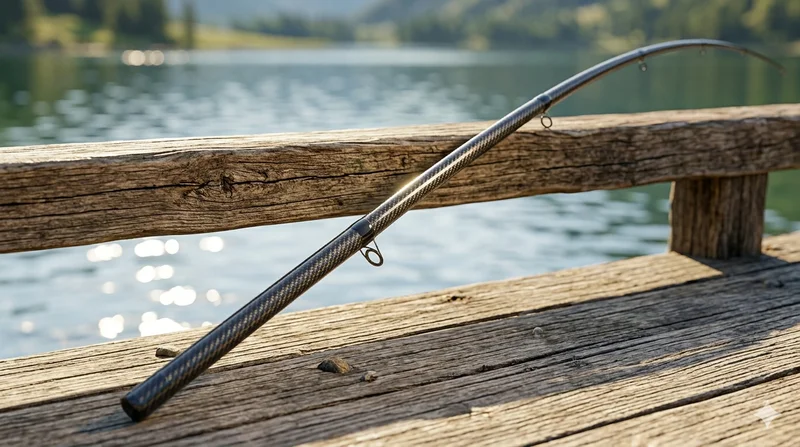
Carbon Fiber Fishing Rod Blank
High-quality carbon fiber fishing rod blank manufactured from multiple grades of Toray carbon fiber cloth. Available in a wide range of lengths, powers, and actions for freshwater and saltwater applications. Suitable for OEM rod building.

Carbon Fiber Plate — 3K Twill T700 3.0mm
Medium-thickness 3.0mm carbon fiber plate offering significantly higher load capacity while maintaining attractive 3K twill finish. Suitable for structural brackets, reinforcement plates, and load-bearing panels.

Carbon Fiber Plate — 3K Twill T700 1.5mm
Thin 1.5mm carbon fiber plate with 3K twill weave surface. Lightweight and stiff, commonly used for covers, panels, drone bodies, and applications requiring a premium aesthetic appearance.
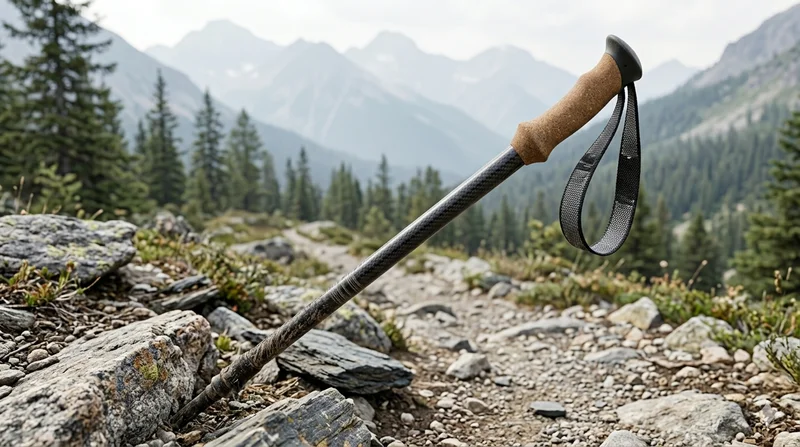
Carbon Fiber Trekking Pole
Lightweight carbon fiber trekking pole manufactured from high-grade carbon fiber tube. Weighs only 160g per pole while providing superior shock absorption and durability for hiking, trail running, and backpacking.

Square Carbon Fiber Tube — 3K Twill T700
Square cross-section carbon fiber tube manufactured with 3K twill weave for torsional strength. Preferred for structural frames, trusses, and support columns where rectangular geometry offers design flexibility.