
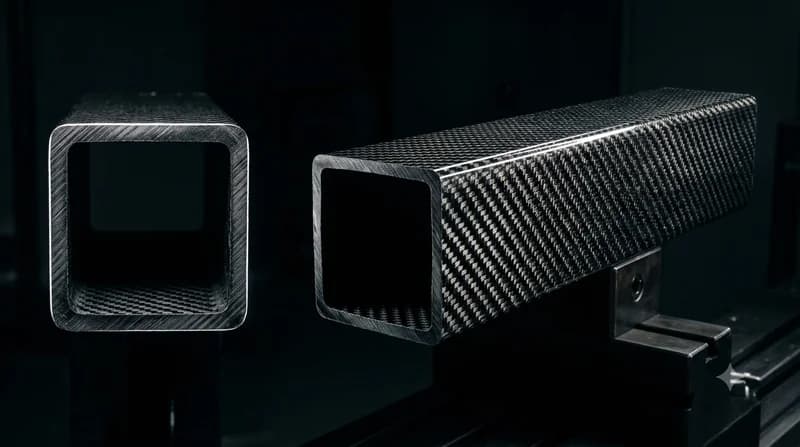
Square Carbon Fiber Tube — 3K Twill T700
Square cross-section carbon fiber tube manufactured with 3K twill weave for torsional strength. Preferred for structural frames, trusses, and support columns where rectangular geometry offers design flexibility.
Key Features
Applications
Specifications
- Fiber Grade
- T700 (Toray)
- Weave Pattern
- 3K Twill
- Tensile Strength
- 4900 MPa
- Side Length Range
- 6×6 – 100×100 mm
- Wall Thickness
- 1 – 5 mm
- Max Length
- 2000 mm
Usually respond within 24 hours
Frequently Asked Questions
What is the minimum order quantity for carbon fiber products?
What color and finish options are available?
What is the typical lead time?
Related Articles
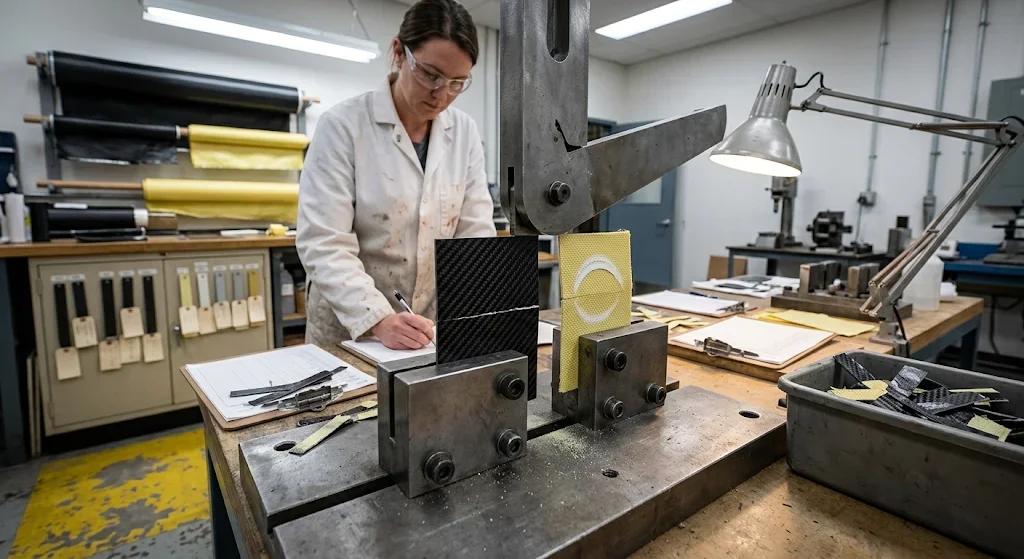
How to Make Carbon Fiber Parts: Wet Layup to Autoclave
Understanding how to make carbon fiber parts requires a process-oriented view rather than focusing on a single step. Carbon fiber reinforced polymer (CFRP) parts combine high strength-to-weight ratio with design freedom, but achieving consistent results depends heavily on tooling, material selection
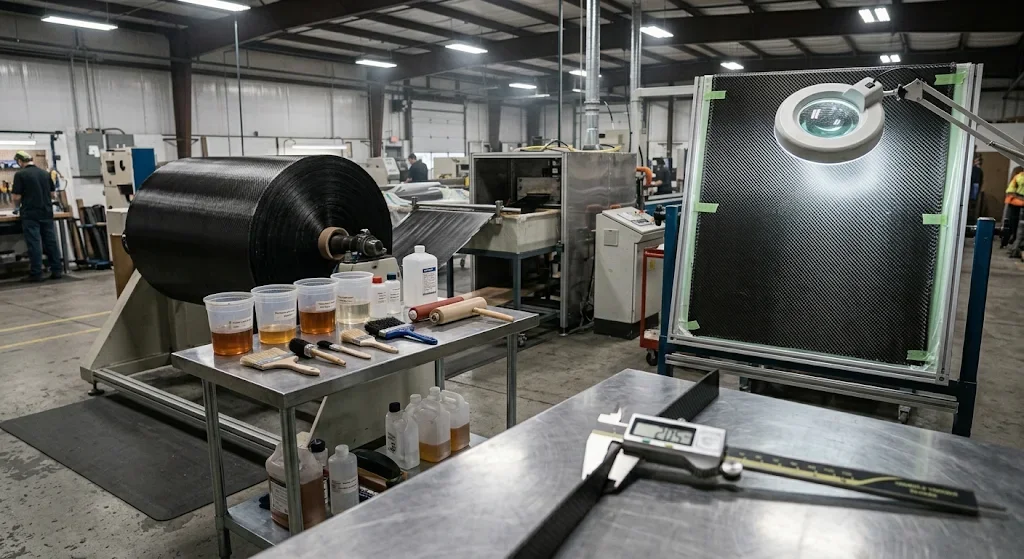
A sheet of carbon fiber: Anatomy of Cloth, Resin, and Cure
The reinforcement defines how a sheet of carbon fiber responds to force. Plain weave cloth gives stable handling and a balanced appearance. Twill weave offers better drape and the classic carbon look that many visible parts require. Unidirectional layers concentrate stiffness in one direction and ar
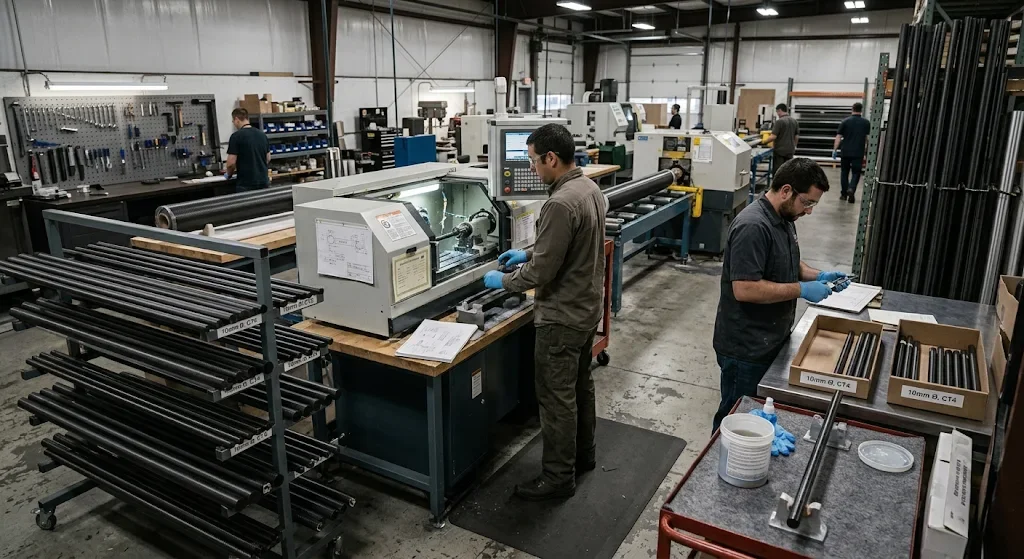
Small Carbon Fiber Rods: Diameters, Stock Lengths, and Uses
In most catalogs, small carbon fiber rods refer to solid round rods from about 0.5 mm to 12 mm in diameter. Below 0.5 mm, the product behaves more like a filament or pin and becomes difficult to handle without specialized tooling. Above 12 mm, rods move into medium-diameter structural territory wher
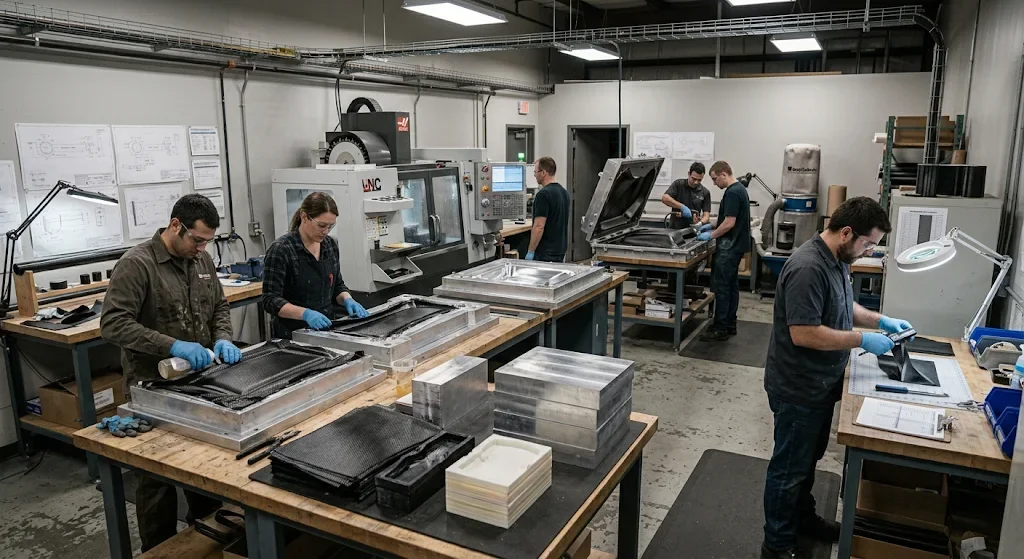
How to Create Carbon Fiber Parts: Tooling Choices Compared
Understanding how to create carbon fiber parts requires a process-oriented view rather than focusing on a single step. Carbon fiber reinforced polymer (CFRP) parts combine high strength-to-weight ratio with design freedom, but achieving consistent results depends heavily on tooling, material selecti
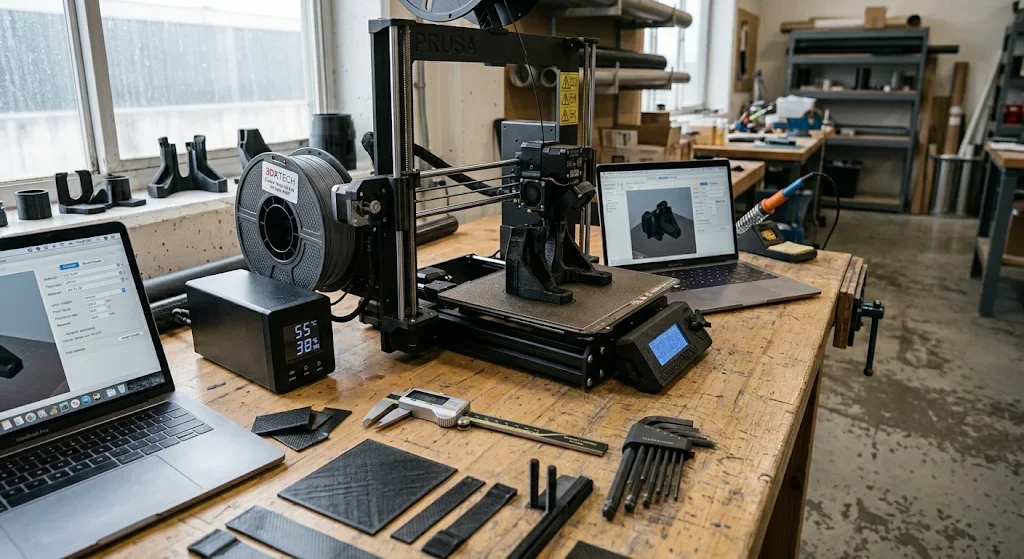
Prusament PETG Carbon Fiber: Print Settings and Mechanical Behavior
Prusament PETG carbon fiber is a short-fiber reinforced filament that blends PETG toughness with chopped carbon fibers to improve stiffness, dimensional stability, and surface appearance. For engineers and advanced makers, choosing Prusament PETG carbon fiber is less about chasing the highest possib
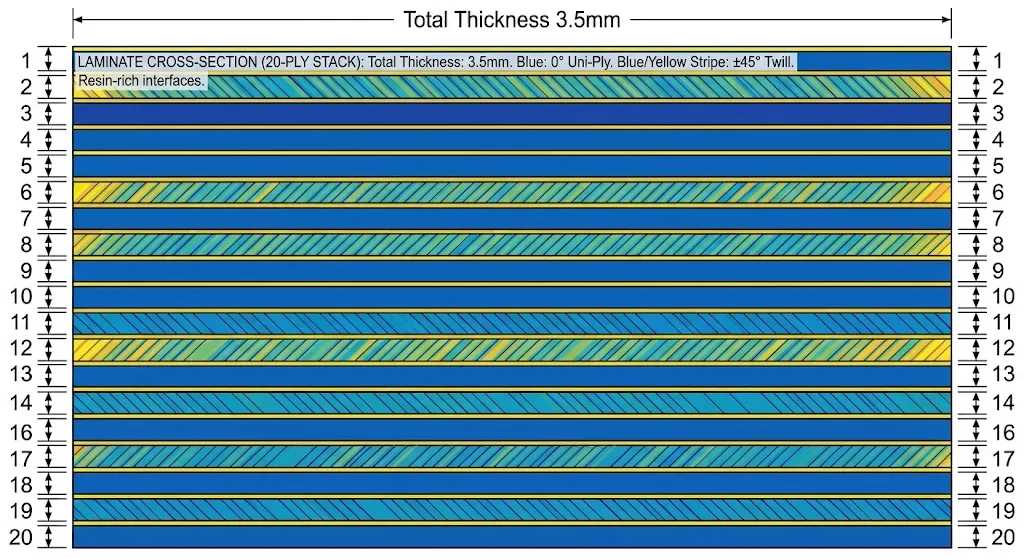
Full Carbon Fiber Plates: 100% Laminate vs Hybrid Layups
Understanding full carbon fiber plate requires a process-oriented view rather than focusing on a single step. Carbon fiber reinforced polymer (CFRP) parts combine high strength-to-weight ratio with design freedom, but achieving consistent results depends heavily on tooling, material selection, and c