
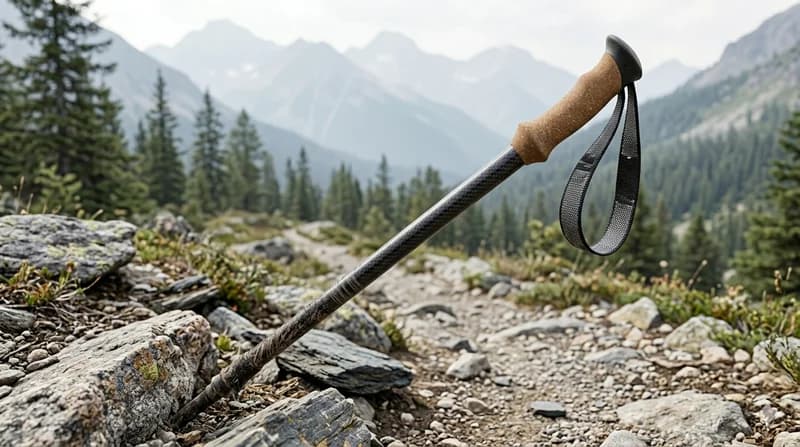
Carbon Fiber Trekking Pole
Lightweight carbon fiber trekking pole manufactured from high-grade carbon fiber tube. Weighs only 160g per pole while providing superior shock absorption and durability for hiking, trail running, and backpacking.
Key Features
Applications
Specifications
- Shaft Material
- T700 Carbon Fiber
- Weight
- 160 g per pole
- Length Range
- 110 – 135 cm
- Lock Type
- External lever lock
- Sections
- 3
Usually respond within 24 hours
Frequently Asked Questions
What is the minimum order quantity for carbon fiber products?
What color and finish options are available?
What is the typical lead time?
Related Articles
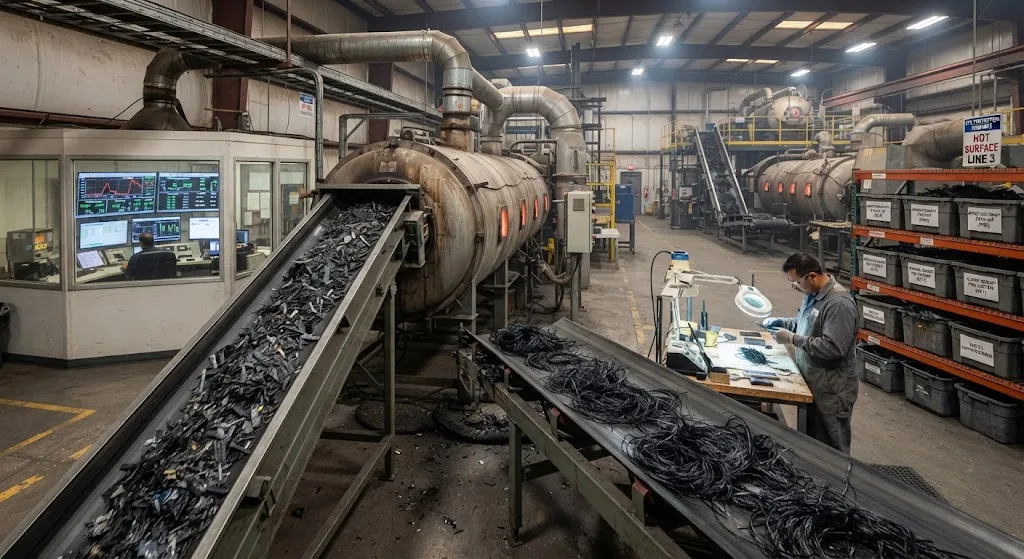
Recycled Carbon Fiber Market Forecast 2030: Technology Maturity and Commercialization Path
The carbon fiber industry generates an estimated 15,000-25,000 tons of manufacturing waste annually, with end-of-life composite components adding another 5,000-10,000 tons as aircraft, wind turbine blades, and automotive parts reach retirement. This combined waste stream — currently less than 5% rec

Bio-Based Carbon Fiber Precursors: Lignin and Polyethylene for Low-Cost Production
The carbon fiber industry faces a fundamental paradox: the material offers unmatched specific strength and stiffness, yet its adoption in automotive, construction, and industrial applications remains limited by production costs that typically range from $15-25 per kilogram for standard modulus fiber

South Korea Carbon Fiber Market 2026: Hydrogen Economy and Shipbuilding Innovation
South Korea occupies a unique position in the global carbon fiber landscape: it is simultaneously the world's largest shipbuilding nation, a hydrogen economy pioneer with aggressive fuel cell vehicle targets, and a significant but import-dependent carbon fiber consumer. The country's carbon fiber ma
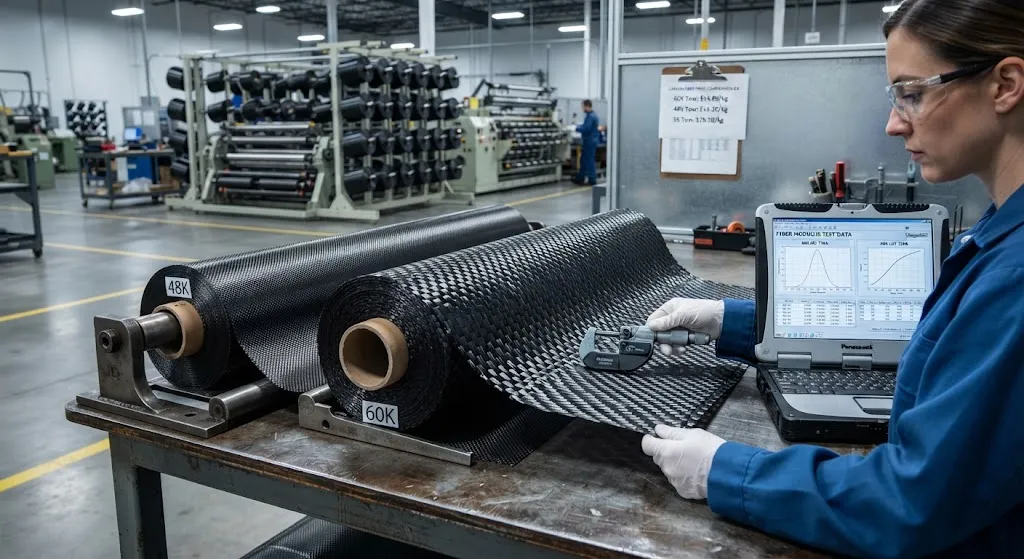
Large-Tow Carbon Fiber Cost Analysis: 48K vs 60K Price-Performance Comparison
Large-tow carbon fiber — defined as carbon fiber with more than 24,000 filaments per tow (24K) — has emerged as the cost-competitive alternative to standard tow sizes for applications where mechanical performance requirements are moderate but volume demands are high. The 48K and 60K tow sizes repres
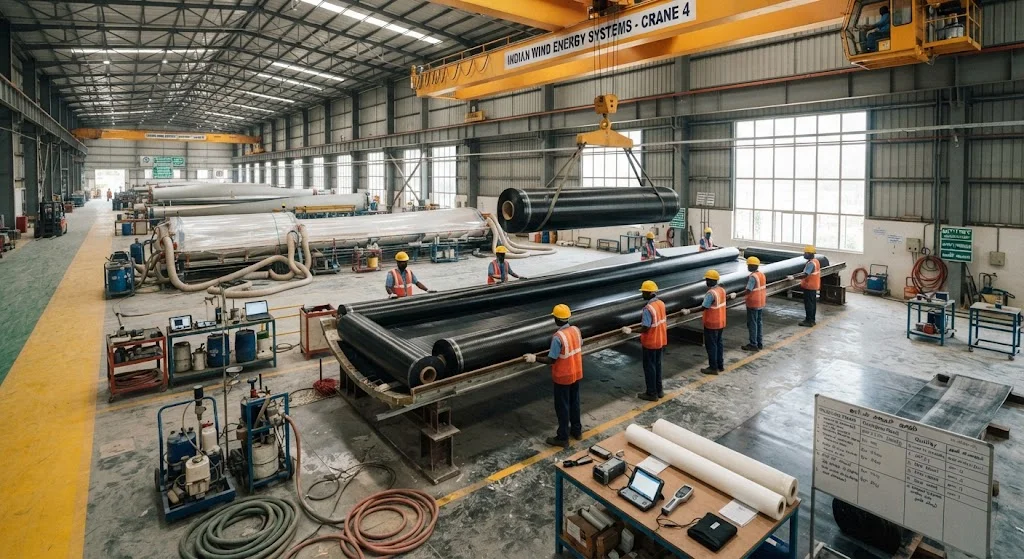
India Carbon Fiber Market 2026: Wind Energy, Aerospace, and Defense Expansion
India's carbon fiber market in 2026 stands at an inflection point where three powerful demand drivers — wind energy expansion, aerospace manufacturing localization, and defense procurement — are converging to create one of the fastest-growing composites markets in Asia. The Indian compo

Carbon Fiber-Resin Interface Bonding: Surface Treatment and Coupling Agent Optimization
The interface between carbon fiber and the polymer matrix is arguably the most critical region in a composite material. While carbon fibers provide exceptional tensile strength and stiffness, the fiber-matrix interface must efficiently transfer loads between these phases to realize the