
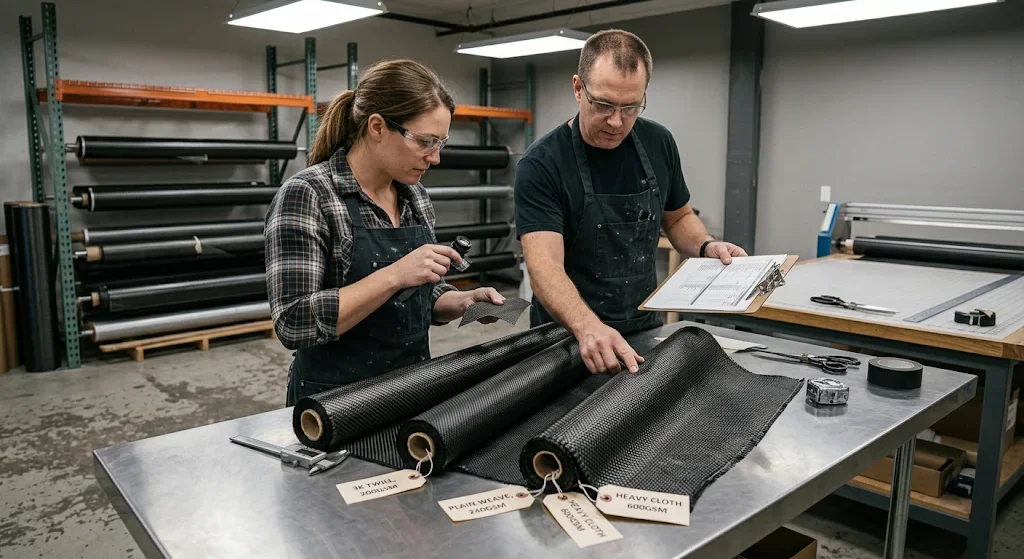
Buyers asking how much is carbon fiber fabric usually need more than a single number. The real price per square meter depends on fiber grade, tow size, weave, areal weight, resin compatibility, order volume, and shipping terms. For most industrial projects, carbon cloth can range from economical 3K
Introduction
Buyers asking how much is carbon fiber fabric usually need more than a single number. The real price per square meter depends on fiber grade, tow size, weave, areal weight, resin compatibility, order volume, and shipping terms. For most industrial projects, carbon cloth can range from economical 3K plain weave for cosmetic laminates to heavier 12K fabrics for structural reinforcement. Understanding those variables helps you compare quotes from a carbon fiber fabric supplier and estimate how much does it cost to make carbon fiber parts before tooling and labor are added.
At YongXian, we support OEM and project buyers who need predictable quality, clear specifications, and export-ready documentation. This article focuses on practical pricing bands and purchasing checks rather than retail hobby listings, so procurement teams can make faster sourcing decisions.
How Much Is Carbon Fiber Fabric per Square Meter?
The short answer is that standard dry carbon fiber fabric often falls between USD $8 and $45 per square meter for common commercial grades, while specialty fabrics can exceed that range. The spread is wide because “carbon fiber fabric” is a family of materials, not one SKU. A lightweight 3K twill used for visible panels is priced differently from a thick multiaxial or high-modulus fabric used in performance structures.
| Fabric Type | Typical Areal Weight | Common Use | Indicative Price / m² |
|---|---|---|---|
| 3K Plain Weave (200 gsm) | 200 g/m² | Cosmetic skins, small covers | USD $10–$18 |
| 3K 2x2 Twill (240 gsm) | 240 g/m² | Automotive trim, sporting goods | USD $12–$22 |
| 12K Plain/Twill (400 gsm) | 400 g/m² | Industrial reinforcement | USD $8–$16 |
| Unidirectional Fabric (200–300 gsm) | 200–300 g/m² | Stiffness in one direction | USD $14–$30 |
| High-Modulus/Specialty Fabric | Varies | Aerospace, precision structures | USD $30–$80+ |
These figures are budget references for sourcing discussions. Final quotes should be confirmed against roll width, minimum order quantity, certification needs, and Incoterms.
What Drives Carbon Fiber Fabric Cost?
When comparing offers, look beyond the headline price. The same price per square meter can represent very different value if weave quality, sizing, or traceability changes. The main cost drivers are:
- Tow size and fiber grade: 3K fabrics are often chosen for appearance and drape, while 12K can reduce material cost in thicker laminates. High-modulus fibers cost more than standard modulus.
- Weave and construction: Plain weave is stable; twill drapes better over curves; unidirectional fabrics optimize directional strength. Complex constructions increase processing cost.
- Areal weight and width: Heavier fabrics use more fiber per meter. Wider rolls may reduce seams but can affect handling and price.
- Surface treatment and sizing: Compatibility with epoxy, vinyl ester, or other resin systems affects bonding and laminate performance.
- Volume and logistics: Sample orders cost more per meter than production rolls. Freight, duties, and packaging can materially change landed cost.
Comparing a Carbon Fiber Fabric Supplier
A reliable carbon fiber fabric supplier should provide technical data, roll consistency, and clear lead times. If you are evaluating carbon fiber fabric manufacturers in India or global exporters, request the same specification sheet so quotes are comparable. For composite programs, consistency across batches matters as much as the initial sample.
| Checklist Item | What to Ask | Why It Matters |
|---|---|---|
| Specification | Tow, weave, gsm, width, sizing | Prevents substitution that changes laminate behavior |
| Quality control | Inspection method and tolerances | Reduces defects, gaps, and waste |
| MOQ and lead time | Sample and production quantities | Affects project schedule and inventory cost |
| Documentation | COA, test reports, export packing list | Supports receiving inspection and compliance |
| Application support | Recommended layup and resin pairing | Improves first-article success rate |
How Fabric Price Affects Part Cost
Many teams focus on cloth cost but underestimate the full answer to how much does it cost to make carbon fiber parts. Fabric is only one input. Mold cost, resin, consumables, cutting, layup labor, curing energy, trimming, finishing, and inspection often represent a larger share of the finished part price. A lower-cost fabric can still raise total cost if it drapes poorly, creates voids, or requires extra finishing.
For budget planning, separate your estimate into material cost, process cost, and quality risk. If the part is structural, prioritize stable supply and documented properties over the lowest price per square meter. If the part is cosmetic, prioritize weave appearance and surface consistency.
Frequently Asked Questions
Is 3K carbon fiber fabric always more expensive than 12K?
Not always. 3K twill can cost more per square meter because it is commonly used for visible surfaces and finer weaves. However, 12K fabrics may be more economical for thick industrial laminates where appearance is less important and build rate matters.
Why do quotes for the same fabric vary between suppliers?
Quotes vary because of fiber source, weave quality, roll width, sizing, minimum order quantity, testing, packaging, and shipping terms. Always compare specifications and landed cost, not only the ex-factory fabric price.
Can I estimate part cost from fabric price alone?
No. Fabric price is a starting point, but part cost also includes resin, tooling, labor, curing, machining, finishing, scrap rate, and inspection. For accurate pricing, suppliers need drawings, quantity, and performance requirements.
Conclusion
So, how much is carbon fiber fabric? For most commercial projects, expect a practical range of about $8 to $45 per square meter, with specialty materials higher. The best buying decision comes from matching fabric specification to the part’s structural, cosmetic, and production needs. If you need help selecting cloth or comparing options from a carbon fiber fabric supplier, review YongXian carbon fiber products or contact our team for a sourcing quote.
Part of topic
Related Articles
- Carbon Fiber Sheets in South Africa: Import and Stock Guide
- Best Carbon Fiber Sheets: Weave, Grade, and Thickness Selection
- Carbon Fibre Sheet Australia: Sourcing, Specs, and Landed Cost
- Carbon Fiber Manufacturing Companies in India: Landscape 2026
- Where Is Carbon Fiber Made: From Precursor Plants to Carbonization Hubs
- Carbon Fiber Sheet Price in Bangladesh: Landed Cost and Sourcing Guide
Interested in Our Products?
Contact our team for competitive pricing and technical specifications.
Get a QuoteRelated Products

Custom Carbon Fiber Bicycle Frame
Full-custom carbon fiber bicycle frame manufactured to your geometry specifications. We produce road, gravel, mountain, and track frames using high-modulus carbon fiber layups optimized for each riding discipline. Monocoque construction with internal cable routing, available with disc or rim brake mounts.

Round Carbon Fiber Tube — 3K Plain Weave T700
Standard round carbon fiber tube manufactured from Toray T700 grade fiber with 3K plain weave. Offers balanced strength and stiffness for general industrial applications including robotics, automation, sports equipment, and aerospace structures.
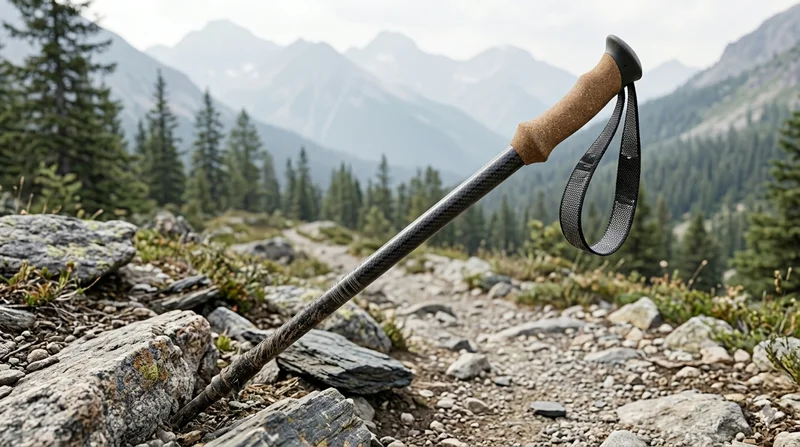
Carbon Fiber Trekking Pole
Lightweight carbon fiber trekking pole manufactured from high-grade carbon fiber tube. Weighs only 160g per pole while providing superior shock absorption and durability for hiking, trail running, and backpacking.

Carbon Fiber Pickleball Paddle
High-performance pickleball paddle with Toray T700 carbon fiber face and polypropylene honeycomb core. Delivers excellent power-to-weight ratio, spin generation, and vibration dampening for competitive play.

Square Carbon Fiber Tube — 3K Twill T700
Square cross-section carbon fiber tube manufactured with 3K twill weave for torsional strength. Preferred for structural frames, trusses, and support columns where rectangular geometry offers design flexibility.