
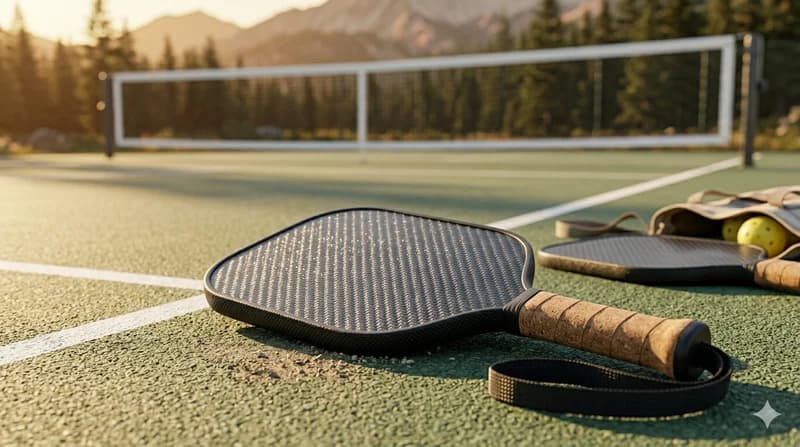
Carbon Fiber Pickleball Paddle
High-performance pickleball paddle with Toray T700 carbon fiber face and polypropylene honeycomb core. Delivers excellent power-to-weight ratio, spin generation, and vibration dampening for competitive play.
Key Features
Applications
Specifications
- Face Material
- T700 3K Carbon Fiber
- Core Material
- Polypropylene Honeycomb
- Weight
- 195 – 220 g
- Thickness
- 16 mm
- Surface
- Raw CF / Matte / Glossy
- Shape
- Standard / Elongated
Usually respond within 24 hours
Frequently Asked Questions
What is the minimum order quantity for carbon fiber products?
What color and finish options are available?
What is the typical lead time?
Related Articles
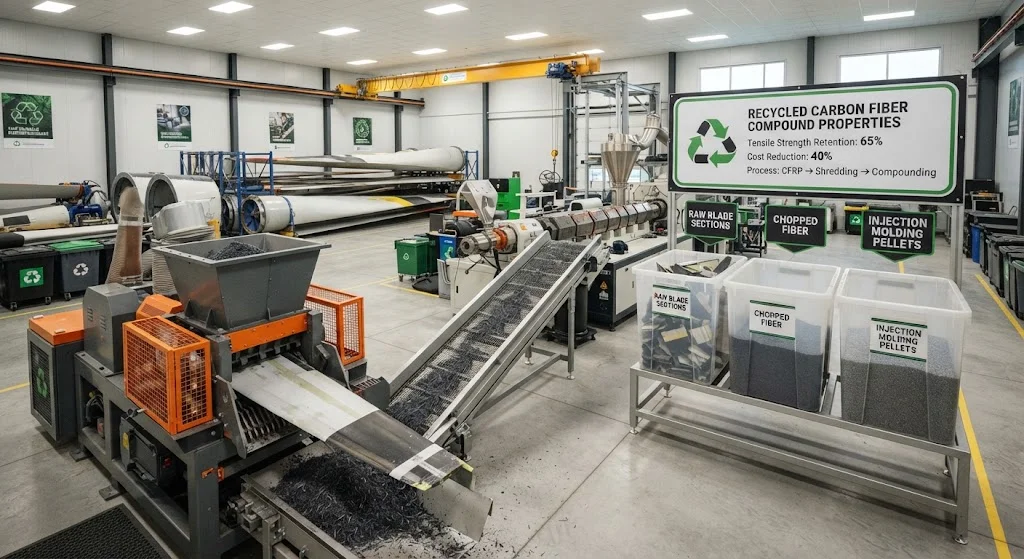
Recycled Carbon Fiber Compounding: Closed-Loop Recycling for Wind Energy Applications
Recycled carbon fiber compounding technology is maturing to enable closed-loop recycling of wind turbine blade materials. This article examines recycling processes, compound properties, and applications in non-structural wind energy components.
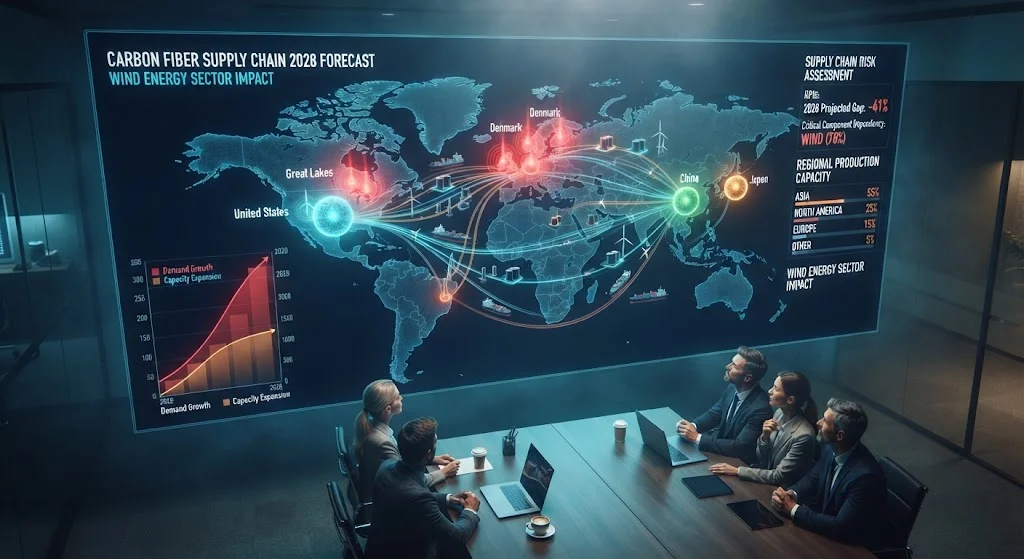
Large-Tow Carbon Fiber Shortage 2028: Wind Energy Supply Chain Risk Analysis
Industry analysts project a significant shortage of large-tow carbon fiber by 2028 as wind turbine blade demand outpaces production capacity. This article examines the supply-demand dynamics, capacity expansion timelines, and risk mitigation strategies for wind energy manufacturers.
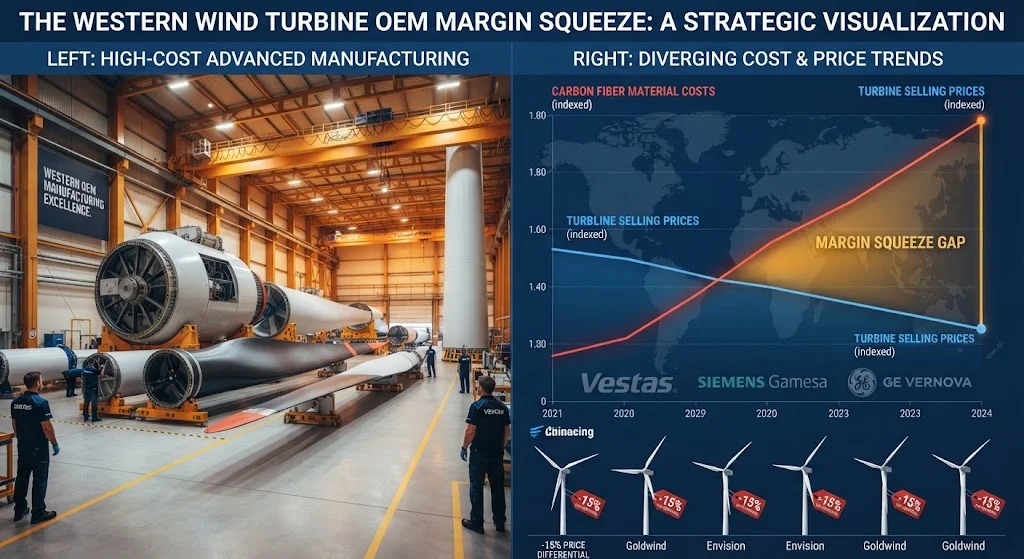
Western Turbine OEM Margin Squeeze: Carbon Fiber Costs and Competitive Pressures
Western wind turbine OEMs face severe margin pressure as carbon fiber costs rise while turbine prices decline. This article analyzes the structural challenges facing Vestas, Siemens Gamesa, and GE Vernova, and their strategies for maintaining profitability.
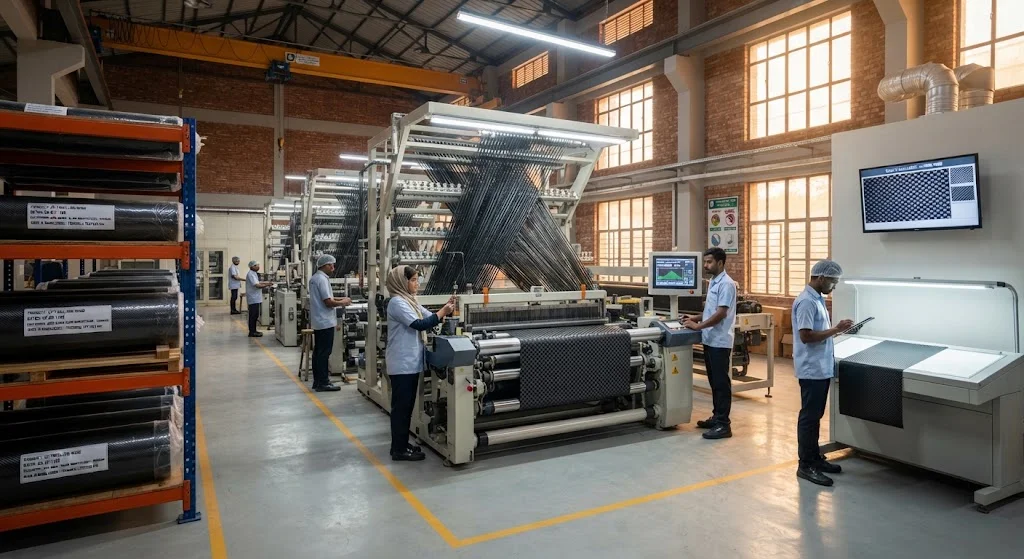
Bangladesh Carbon Fiber Textile Manufacturing for Wind Energy Applications
Bangladesh is developing carbon fiber textile manufacturing capabilities to serve the growing wind energy sector. This article examines the country's textile industry transformation, technical fiber production, and market positioning.
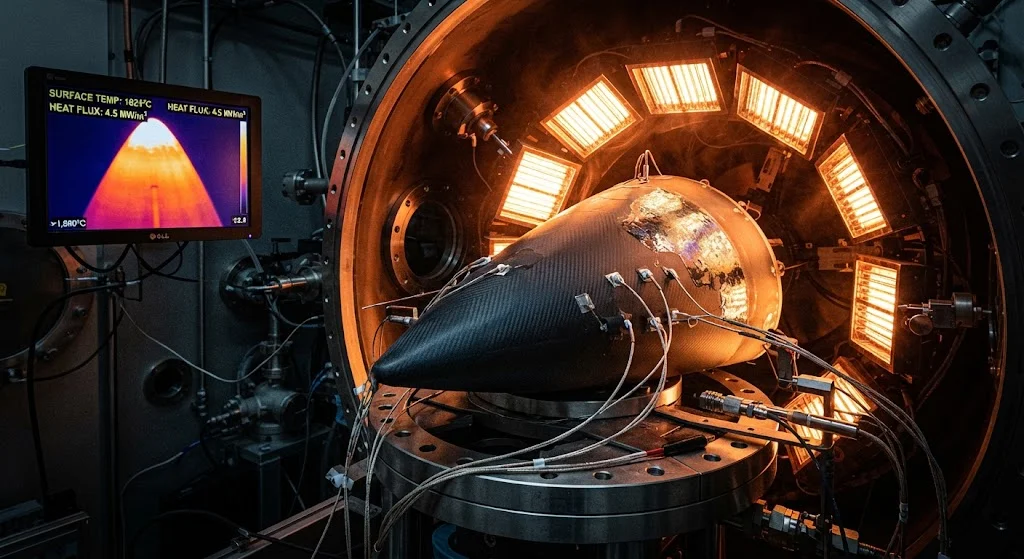
Carbon Fiber Thermal Protection Systems for Hypersonic Vehicle Structures
Hypersonic vehicles require advanced thermal protection systems that combine carbon fiber structural capability with extreme temperature resistance. This article covers C/C composites, ablative materials, and thermal management for Mach 5+ applications.
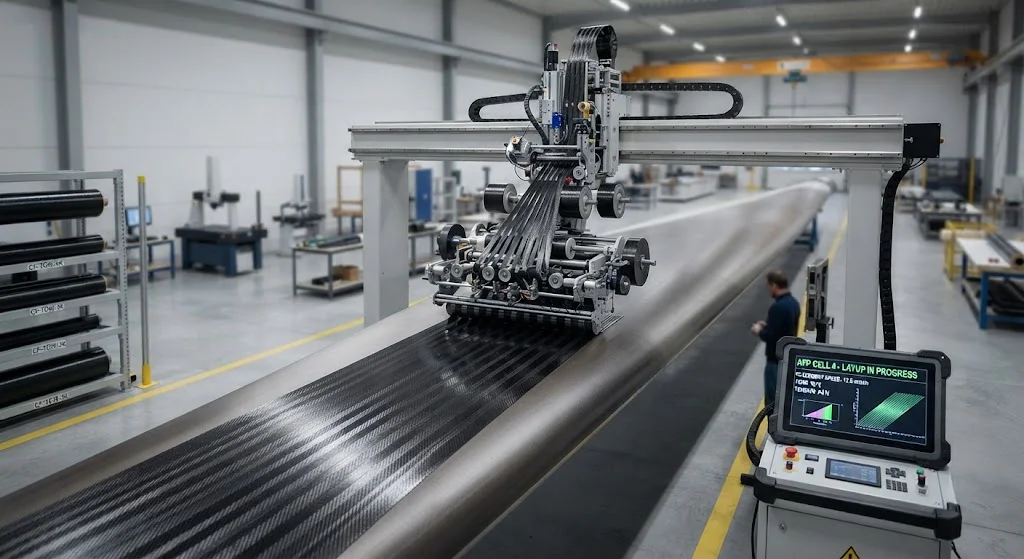
Automated Fiber Placement for Small Wind Turbine Blades: Cost-Effective Composite Manufacturing
Automated fiber placement (AFP) is transforming small wind turbine blade manufacturing, enabling higher production rates and more consistent quality than manual layup. This article examines AFP technology adaptation for blades in the 10-50 meter range, process parameters, and economic analysis.