Carbon Fiber Knowledge

Industry News & Insights

The latest from the world of advanced composites and carbon fiber technology.

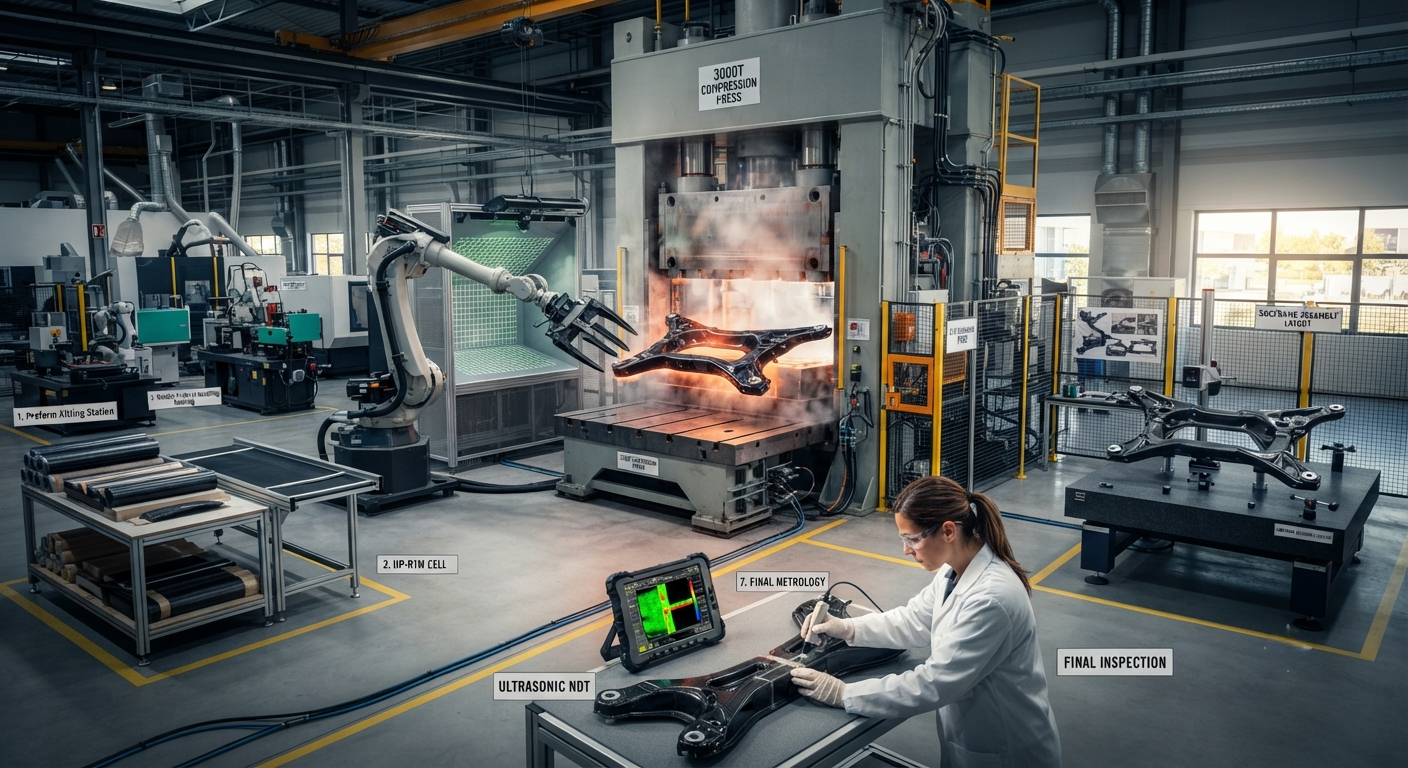
ApplicationsCarbon Fiber Automotive Subframes: Replacing Welded Steel Structures with Bonded Composite Assemblies

Carbon Fiber Automotive Subframes: Replacing Welded Steel Structures with Bonded Composite Assemblies

Technical B2B analysis of carbon fiber automotive subframes — replacing welded steel chassis structures with bonded composite assemblies. Covers design principles, HP-RTM and compression molding processes, structural adhesive bonding technology, metal insert integration, crash performance, and OEM adoption programs from BMW, Ford, and NIO with detailed cost analysis.

Jul 22, 202652 views
Read More
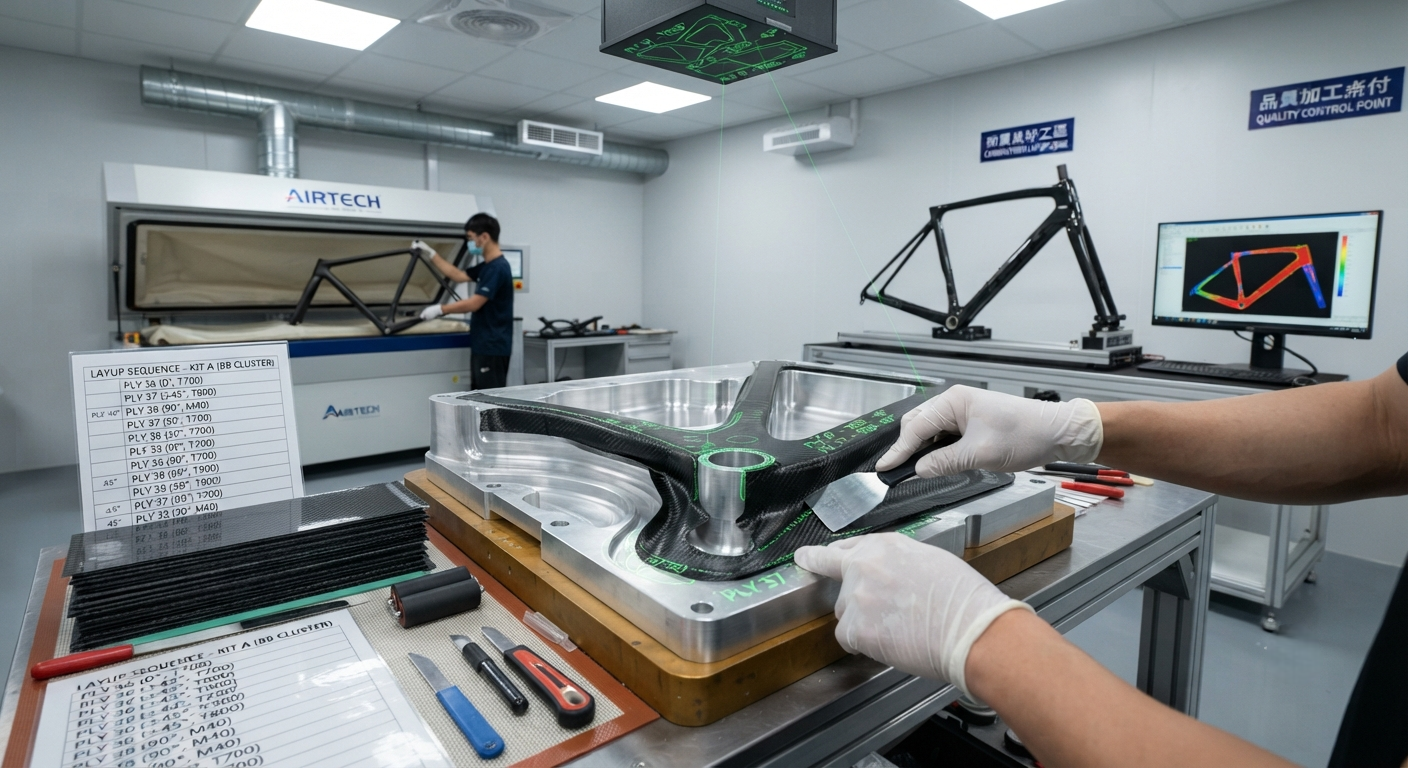
TechnologyCarbon Fiber Bike Frame Layup Schedule Optimization: Balancing Weight, Stiffness, and Ride Quality

Carbon Fiber Bike Frame Layup Schedule Optimization: Balancing Weight, Stiffness, and Ride Quality

Technical deep-dive into carbon fiber bicycle frame layup schedule optimization — covering ply orientation principles, stacking sequence rules, fiber selection (SM/IM/HM/UHM), hybrid architectures, manufacturing constraints, and testing validation protocols for OEM engineers.

Jul 22, 202645 views
Read More
IndustryJapan Carbon Fiber Trade 2026: Toray, Teijin, Mitsubishi Export Strategies and Global Supply

Japan Carbon Fiber Trade 2026: Toray, Teijin, Mitsubishi Export Strategies and Global Supply

Comprehensive B2B analysis of Japan's carbon fiber export and import trade in 2026, covering Toray, Teijin, and Mitsubishi Chemical Group export strategies, trade patterns by region, supply chain resilience initiatives, trade policy factors including US-Japan critical minerals agreement and Chinese domestic competition, and detailed market projections through 2035.

Jul 22, 202638 views
Read More
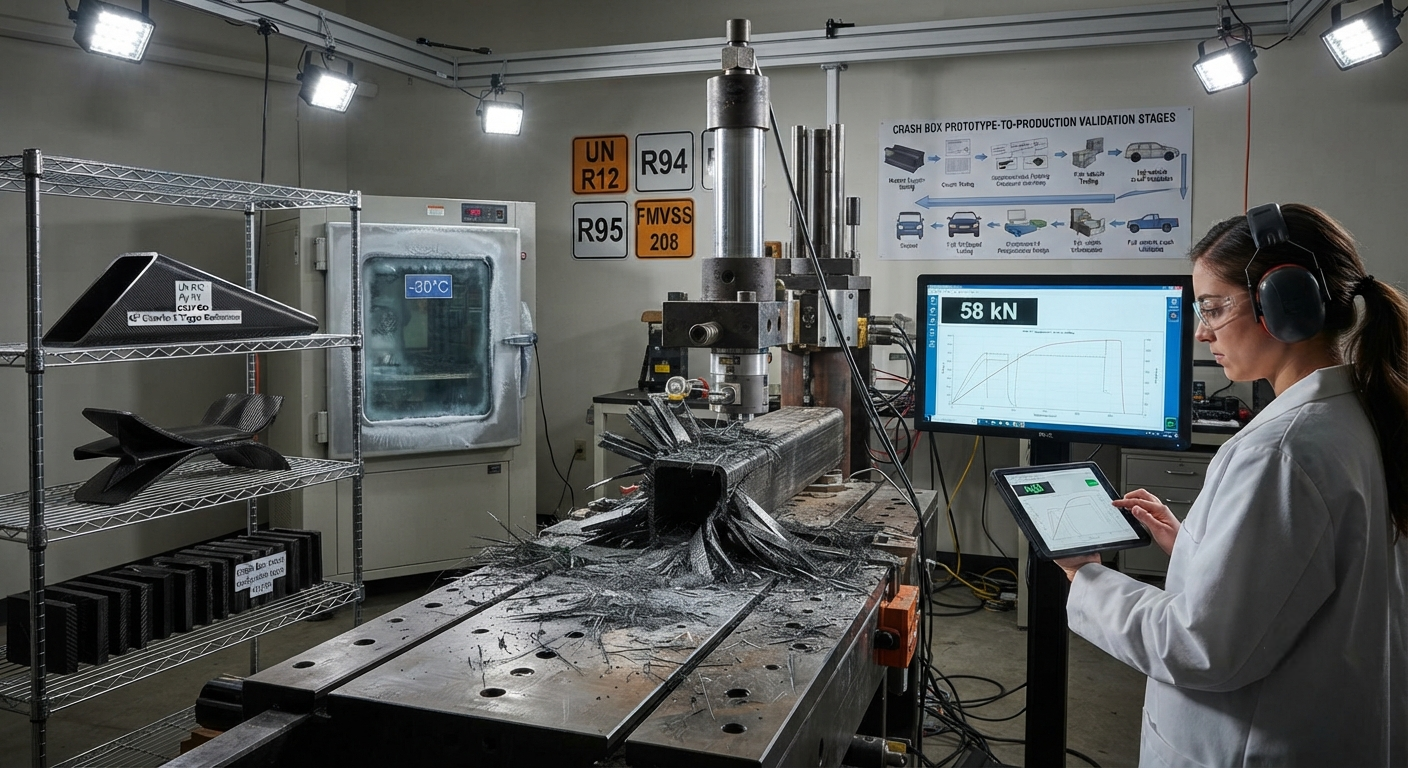
ApplicationsCarbon Fiber Automotive Crash Boxes: Design and Testing for Front and Rear Impact Absorption
carbon fibercrash box

Carbon Fiber Automotive Crash Boxes: Design and Testing for Front and Rear Impact Absorption

Engineering guide to carbon fiber automotive crash box design, testing, and production. Analysis of specific energy absorption (60–120 kJ/kg), trigger mechanisms (45° chamfer, groove, tulip designs), cross-sectional geometry optimization, and manufacturing processes (braiding+RTM, filament winding, compression molding). Includes OEM case studies from BMW, Audi, Volvo, BYD, and NIO with crash test data and cost analysis.

Jul 22, 202640 views
Read More
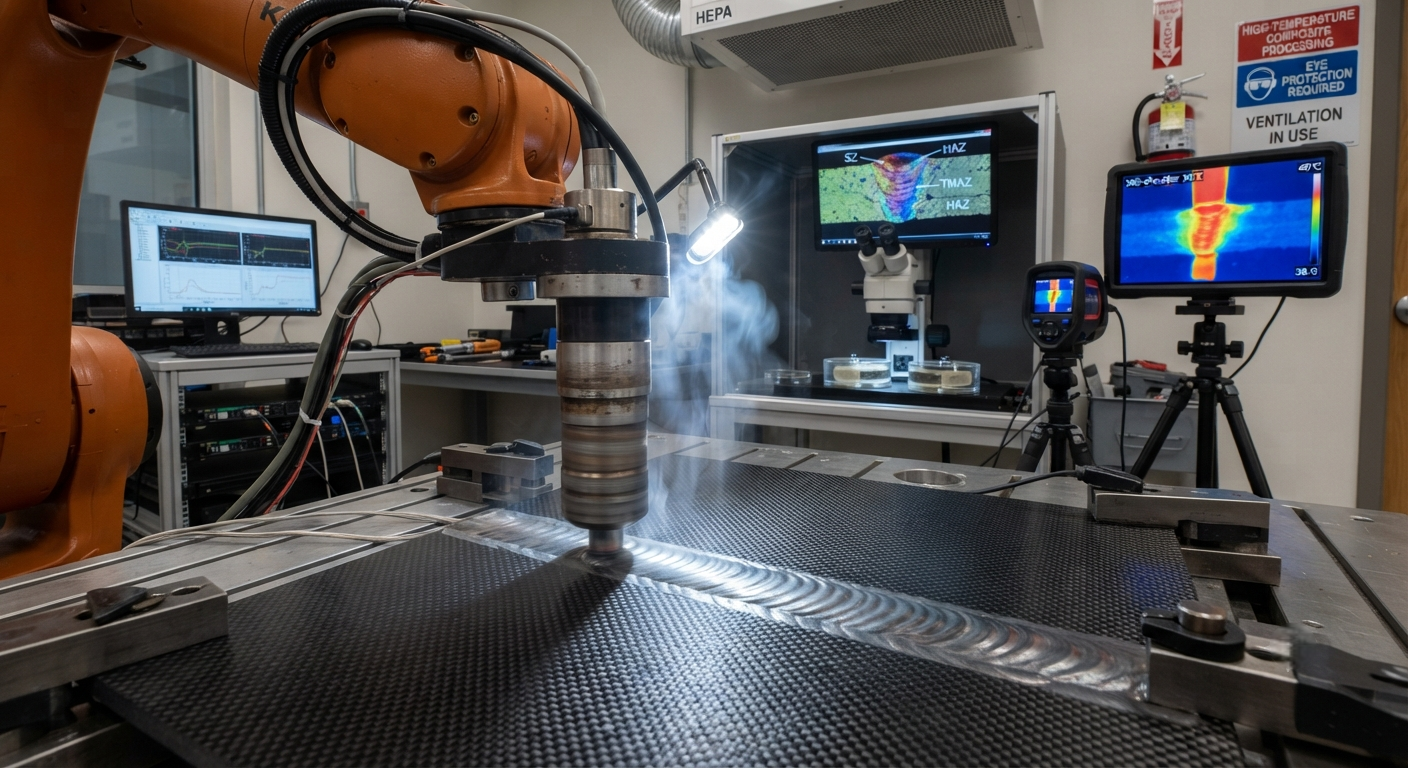
TechnologyFriction Stir Welding of Thermoplastic Carbon Fiber Composites: Process Parameters and Joint Quality
carbon fiberfriction stir welding

Friction Stir Welding of Thermoplastic Carbon Fiber Composites: Process Parameters and Joint Quality

Technical deep-dive into friction stir welding (FSW) of thermoplastic carbon fiber composites — covering process parameters, joint configurations, tool materials, and mechanical performance data for CF/PEEK, CF/PPS, CF/PA6, and CF/PEI laminates. Includes industrial case studies from Airbus, Boeing, Fraunhofer Institute, and Damen Naval with weld cycle times and weight reduction data.

Jul 22, 202636 views
Read More
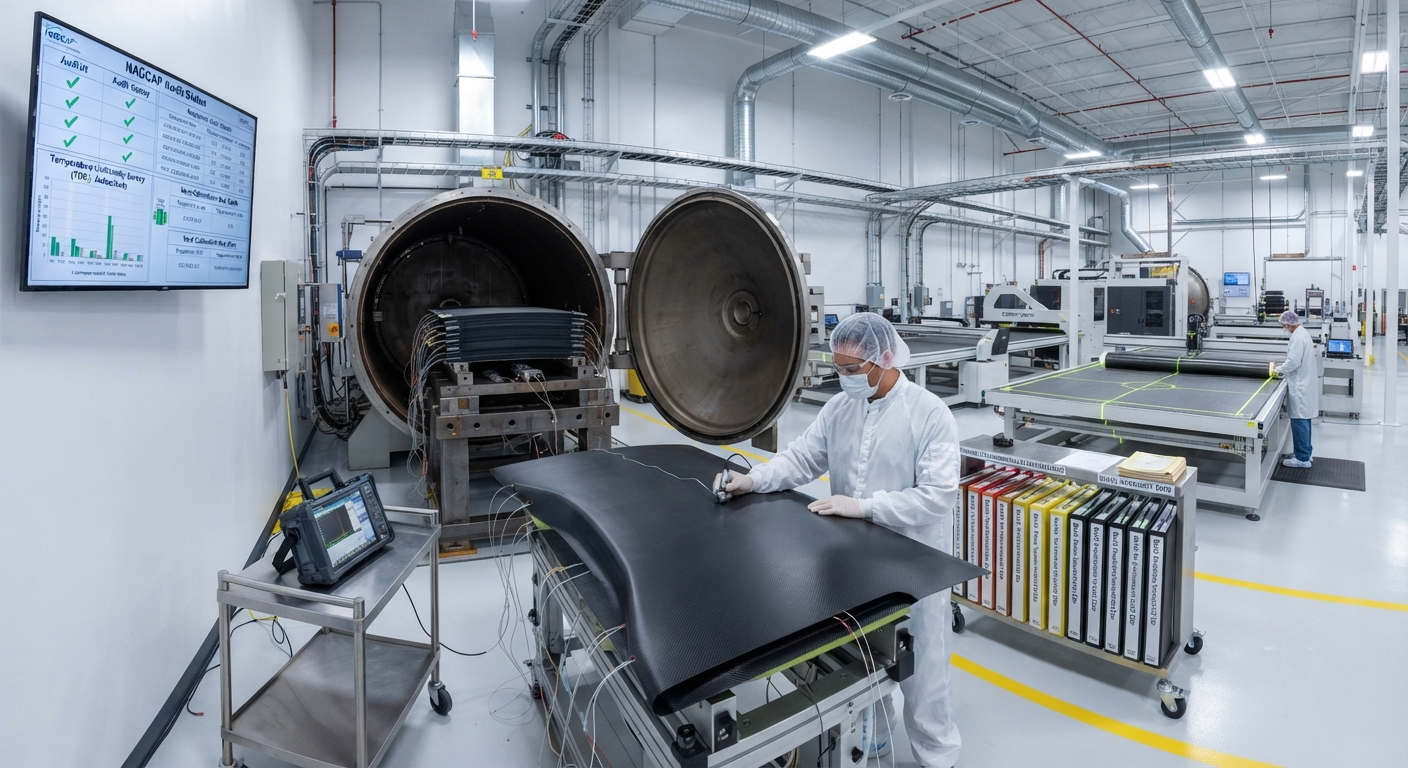
IndustryCarbon Fiber Aerospace Supplier Qualification: NADCAP, AS9100, and Customer-Specific Audits
carbon fiberaerospace

Carbon Fiber Aerospace Supplier Qualification: NADCAP, AS9100, and Customer-Specific Audits

Comprehensive guide to carbon fiber aerospace supplier qualification covering NADPAC accreditation, AS9100 Rev D quality management systems, Boeing D1-4426, Airbus AP2108, and Safran QMS customer-specific audits. Includes cost analysis, common nonconformances, and a phased 12–24 month qualification timeline for B2B composite suppliers targeting the aerospace supply chain.

Jul 22, 202653 views
Read More
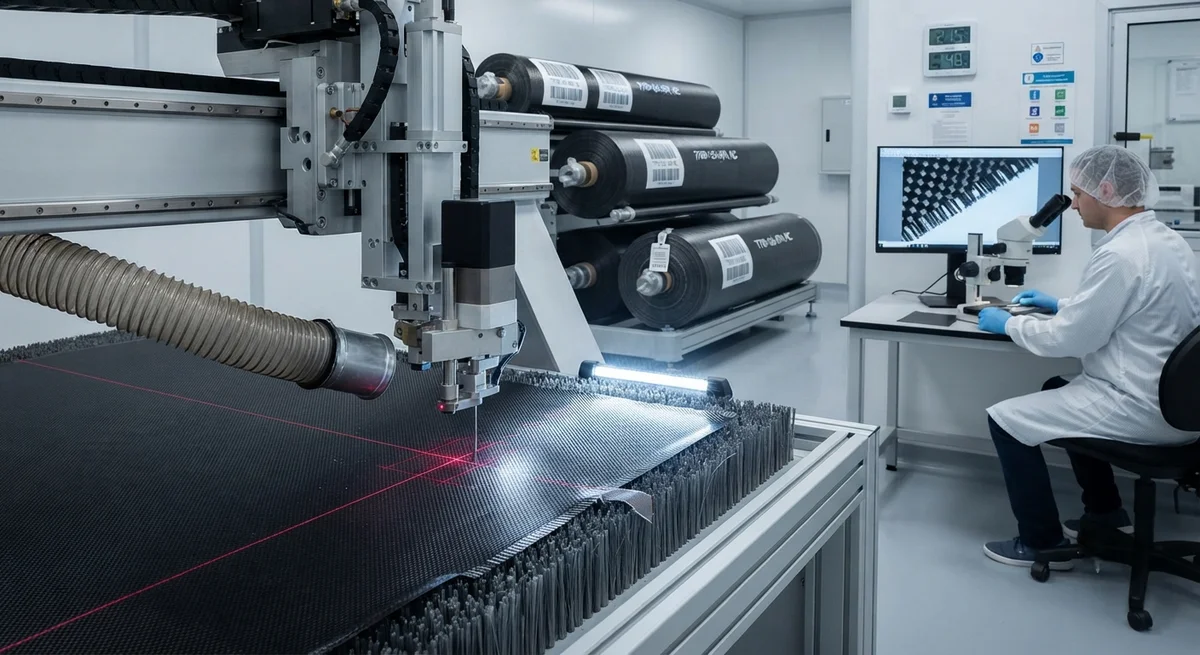
TechnologyUltrasonic Cutting of Carbon Fiber Prepregs: Defect Prevention for Automated Ply Cutting Systems
ultrasonic cutting prepregcarbon fiber prepreg cutting

Ultrasonic Cutting of Carbon Fiber Prepregs: Defect Prevention for Automated Ply Cutting Systems

Ultrasonic cutting technology for carbon fiber prepregs offers superior edge quality with minimal fraying, delamination, and dust generation compared to laser or conventional knife cutting. This technical guide covers common defect types, a detailed comparison table of ultrasonic vs laser vs knife cutting across 10 parameters, parameter optimization for frequency/amplitude/speed/down-force, integration with automated ply cutting systems, and a systematic defect prevention program that reduced cutting defects from 3.2% to 0.4% at a Tier 1 aerospace supplier.

Jul 21, 202659 views
Read More
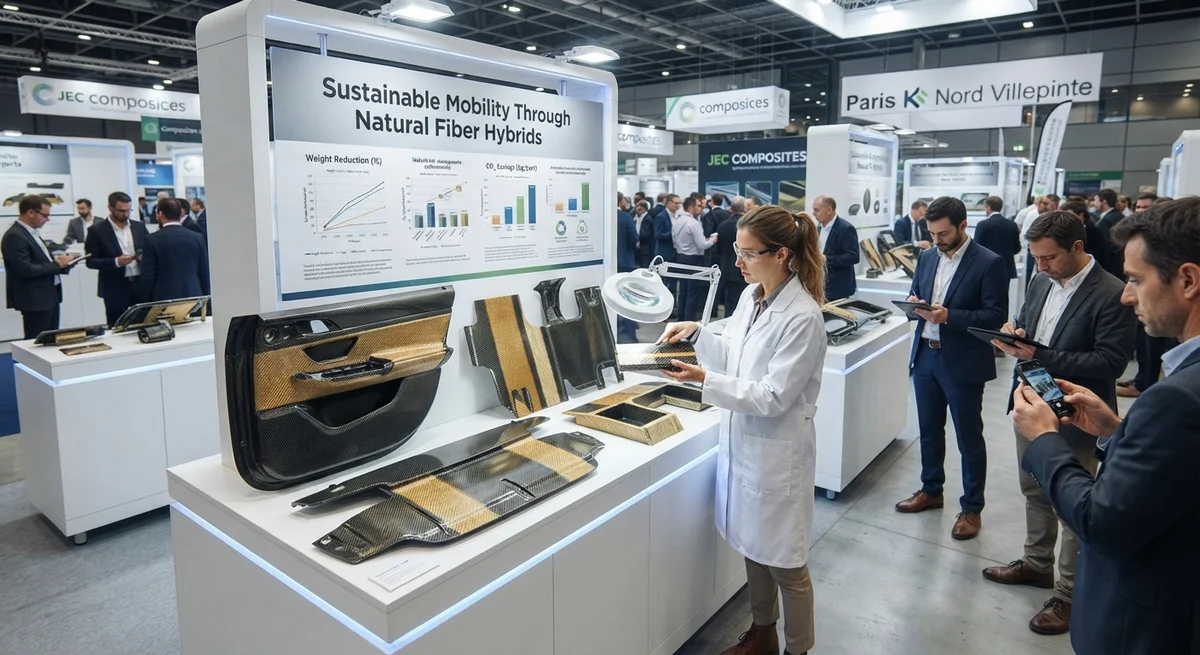
ApplicationsNatural Fiber Hybrid Automotive Parts at JEC World 2026: Sustainable Alternatives to Pure Carbon Fiber
natural fiber hybrid compositesJEC World 2026

Natural Fiber Hybrid Automotive Parts at JEC World 2026: Sustainable Alternatives to Pure Carbon Fiber

JEC World 2026 showcased production-ready natural fiber hybrid composites as sustainable alternatives to pure carbon fiber in automotive applications. Flax, hemp, and basalt fibers combined with carbon fiber in hybrid laminate architectures offer 40–70% cost reduction and 50–80% CO₂ footprint reduction while meeting engineering requirements for interior trim, underbody shields, and semi-structural components. This analysis covers material properties, showcased products, manufacturing considerations, and adoption timelines from major OEMs.

Jul 21, 202632 views
Read More
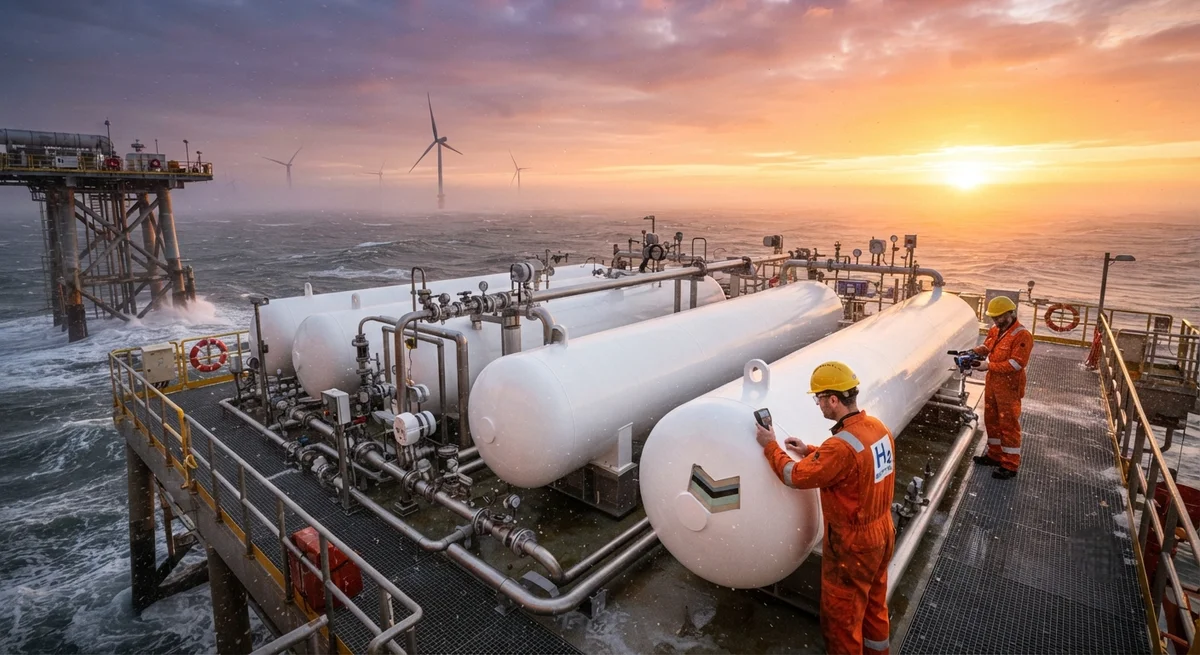
ApplicationsCTC Develops Corrosion-Resistant Coatings for Offshore Hydrogen Storage: Carbon Fiber Composite Applications
CTC corrosion coatingoffshore hydrogen storage

CTC Develops Corrosion-Resistant Coatings for Offshore Hydrogen Storage: Carbon Fiber Composite Applications

Composite Technology Center (CTC) has developed a four-layer corrosion-resistant coating system for carbon fiber Type IV hydrogen storage tanks in offshore environments. This technical analysis covers the coating architecture — including primer, barrier, UV-resistant, and anti-fouling layers — with detailed performance data from accelerated testing equivalent to 15 years of North Sea conditions. Market projections for offshore hydrogen infrastructure suggest 8,000–12,000 composite storage vessels will be needed by 2035.

Jul 21, 202631 views
Read More
Previous118 / 144Next