

A technical analysis of carbon fiber pultruded spar cap technology for wind turbine blades — covering manufacturing processes, mechanical performance, cost advantages, and impact on next-generation wind energy systems.
Introduction
Spar caps — the primary load-bearing structural elements of wind turbine blades — have undergone a fundamental transformation with carbon fiber pultrusion. Carbon fiber's modulus (230–290 GPa) is approximately three times that of E-glass (72–80 GPa), making it the only viable material for spar caps in blades exceeding 80 meters in length.
| Parameter | GFRP (VARI) | CF Pultruded | Benefit |
|---|---|---|---|
| Specific Modulus | 28–32 | 110–130 | 3.9× higher |
| Fiber Volume Fraction | 50–58% | 65–72% | +20% |
| Scrap Rate | 15–25% | 3–8% | −70% waste |
| Production Rate | 0.5–1.5 m/hr | 15–30 m/hr | 15–20× faster |
| Blade Weight Reduction | Baseline | −18 to −25% | 5–8 tons lighter |
Pultrusion Process
- Continuous carbon fiber tows (50K–60K) drawn through resin bath → heated die (120–180°C) → cut to length.
- Fiber architecture: >90% UD along blade axis, 3–5% ±45° for transverse reinforcement. Fiber volume fraction 65–72%.
Frequently Asked Questions
How does pultruded CF compare to GF for spar caps?
Carbon fiber offers 2.5–3× the axial modulus of glass. CF material cost is 4–6× higher, but requires only 40–50% cross-sectional area for equivalent stiffness. Net result: 15–25% lighter blade at 5–15% higher total blade cost.
QC requirements for pultruded CF spar caps?
Cross-section tolerance ±0.2 mm, fiber volume 65–72% ±3%, void content <1.0%, tensile modulus ≥95% specified, strength ≥90% specified, ILSS ≥65 MPa. Ultrasonic C-scan on profiles >20m.
Part of topic
Related Articles
- Carbon Fiber Mooring for Floating Offshore Wind: Fatigue and Corrosion in Deep Water
- Carbon Fiber Bicycle Frame Optimization: Layup Design and Manufacturing for Competitive Racing
- Carbon Fiber CFRP Retrofit for Infrastructure: Bridge and Building Seismic Strengthening
- Carbon Fiber Medical Imaging Equipment: Lightweight Gantry and Couch Structures for MRI/CT
- Carbon Fiber EV Battery Enclosures: Crash Safety and Electromagnetic Shielding Design
- Carbon Fiber Structures for Low-Altitude Economy: UAV Airframes and eVTOL Components
Interested in Custom Carbon Fiber Products?
Contact our team for competitive pricing and technical specifications.
Get a QuoteRelated Products
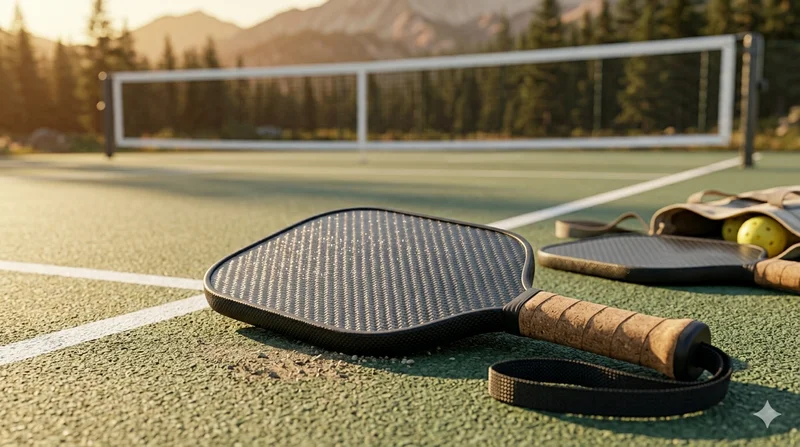
Carbon Fiber Pickleball Paddle
High-performance pickleball paddle with Toray T700 carbon fiber face and polypropylene honeycomb core. Delivers excellent power-to-weight ratio, spin generation, and vibration dampening for competitive play.
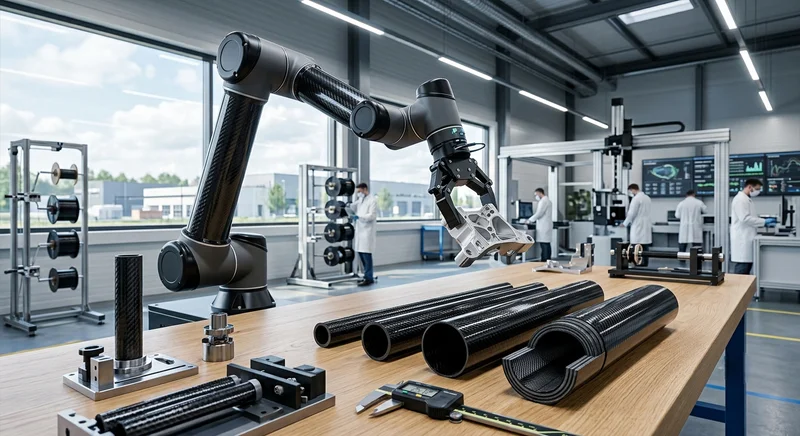
Carbon Fiber Robotic Arm Tube — High-Stiffness Lightweight Replacement
Precision-wound carbon fiber tubes for robotic arm links, replacing steel or aluminum in collaborative robots (cobots) and industrial manipulators. Achieve 3× the specific stiffness of aluminum with significant weight reduction, enabling faster acceleration and higher payload capacity.
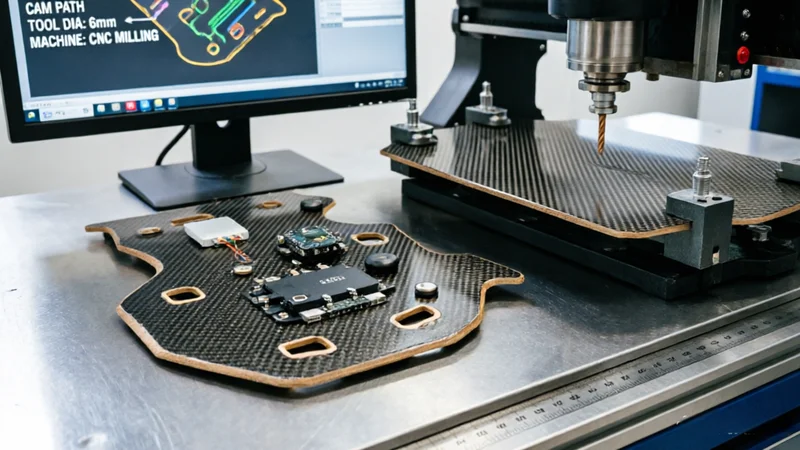
Carbon Fiber Drone Frame Base Plate — 3K Twill T700
CNC-machined carbon fiber base plates for drone frame assemblies. Cut from 3K twill weave T700 prepreg with precision CNC routing. Pre-drilled mounting patterns compatible with common flight controller and power distribution board layouts. Available in 1.5mm to 5mm thickness.
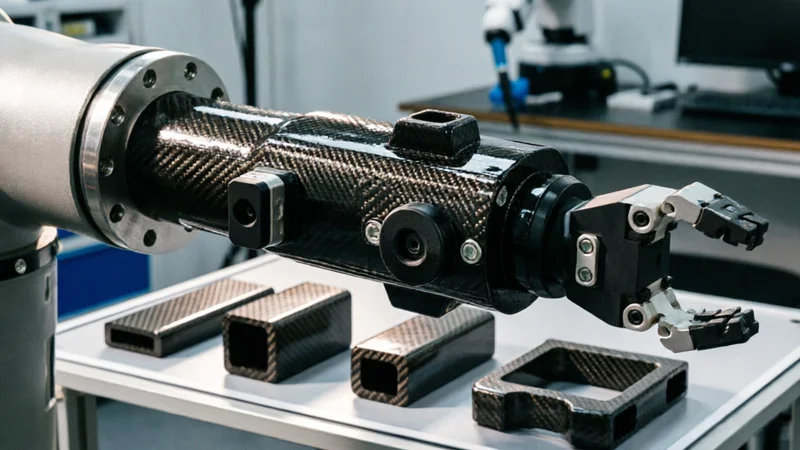
Carbon Fiber Robot End Effector Link — Custom Shape & Sensor Integration
Custom-shaped carbon fiber end effector links for robotic arms. Designed for automation integrators and research labs requiring lightweight, rigid connections between the robot wrist and gripper/tool. Can incorporate sensor mounting bosses, cable routing channels, and quick-change interfaces.
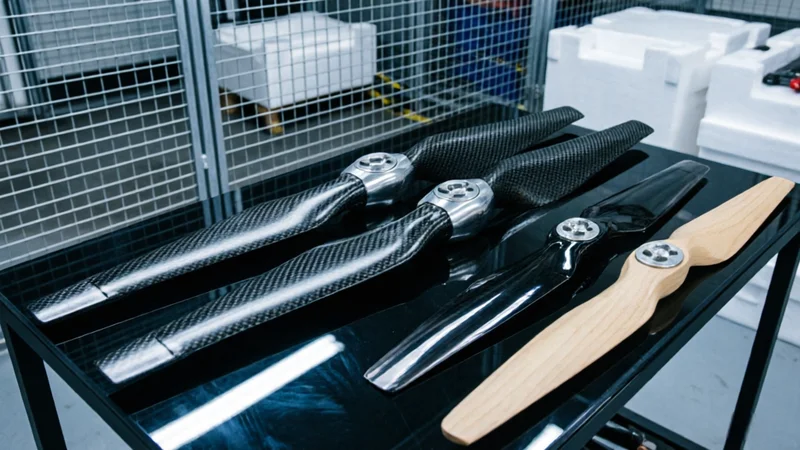
Carbon Fiber Drone Propeller — High-Performance Prepreg Molded
Prepreg-molded carbon fiber propellers for industrial and racing drones. Optimized airfoil design with balanced blade geometry for maximum thrust efficiency. 3-5× stiffer than nylon/plastic props, reducing blade flutter and improving flight stability. Available in common sizes or custom diameter/pitch.