
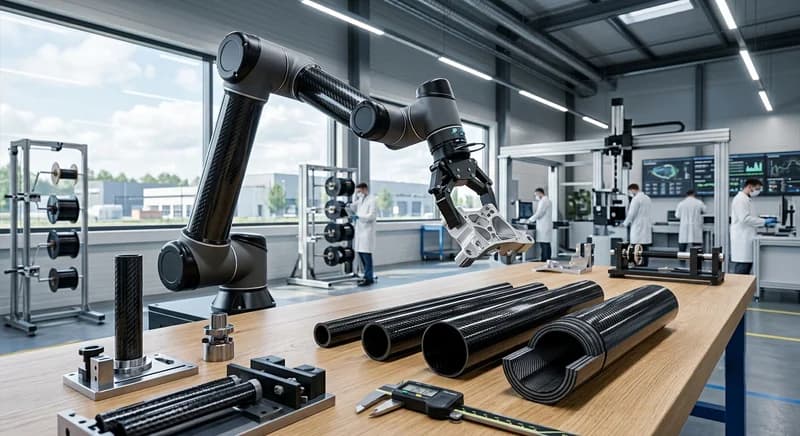
Carbon Fiber Robotic Arm Tube — High-Stiffness Lightweight Replacement
Precision-wound carbon fiber tubes for robotic arm links, replacing steel or aluminum in collaborative robots (cobots) and industrial manipulators. Achieve 3× the specific stiffness of aluminum with significant weight reduction, enabling faster acceleration and higher payload capacity.
Key Features
Applications
Specifications
- Material
- T700 / T800 / M55J Carbon Fiber
- OD Range
- 10-200 mm
- Wall Thickness
- 1-8 mm (Customizable)
- Specific Stiffness
- 133 GPa/(g/cm³) vs 26 (Al) / 26 (Steel)
- Process
- Filament Winding / Roll Wrapping
Usually respond within 24 hours
Frequently Asked Questions
What is the minimum order quantity for carbon fiber products?
What color and finish options are available?
What is the typical lead time?
Related Articles
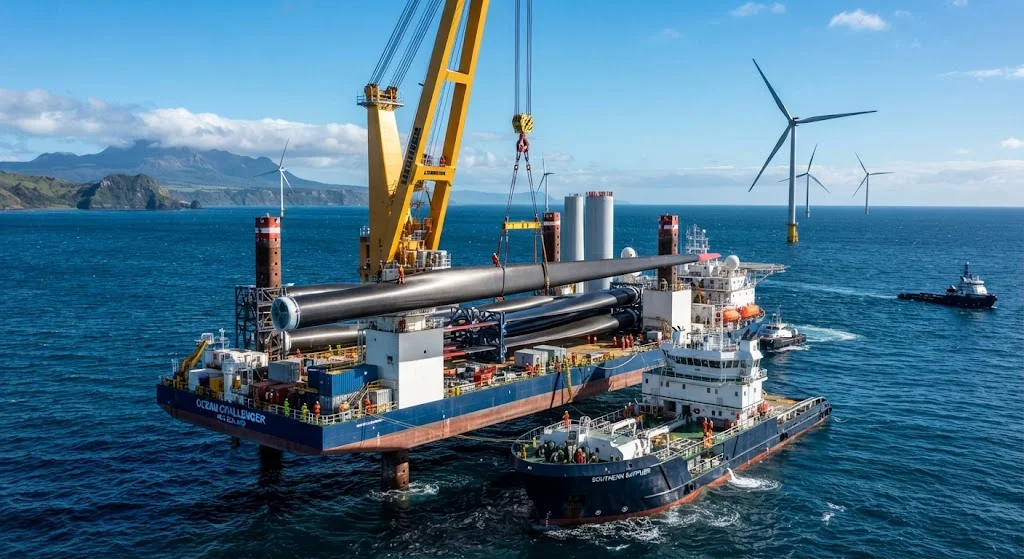
New Zealand Composite Demand: Wind Push, America's Cup Marine Engineering and Geothermal Synergies
Most conversations about carbon fiber demand begin with China, Germany or the United States, and for good reason: those markets consume volume. New Zealand consumes almost none by comparison, yet it offers a market profile that B2B composite suppliers increasingly covet — low volume, hi
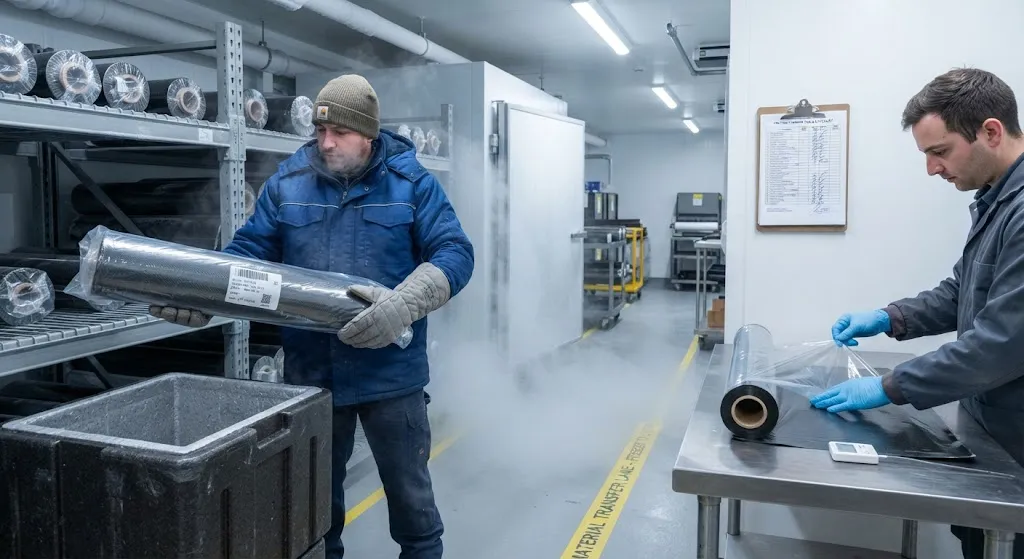
Prepreg Out-Life and Cold-Chain Management: Shelf-Life Budgets, Re-Test Gates and Waste Reduction
Every roll of prepreg in a composites factory is a small race against chemistry. The resin that will eventually become the cured matrix is designed to stay dormant at minus 18 degrees Celsius, but the moment the roll leaves the freezer the cure reaction resumes at a slow, measurable rat
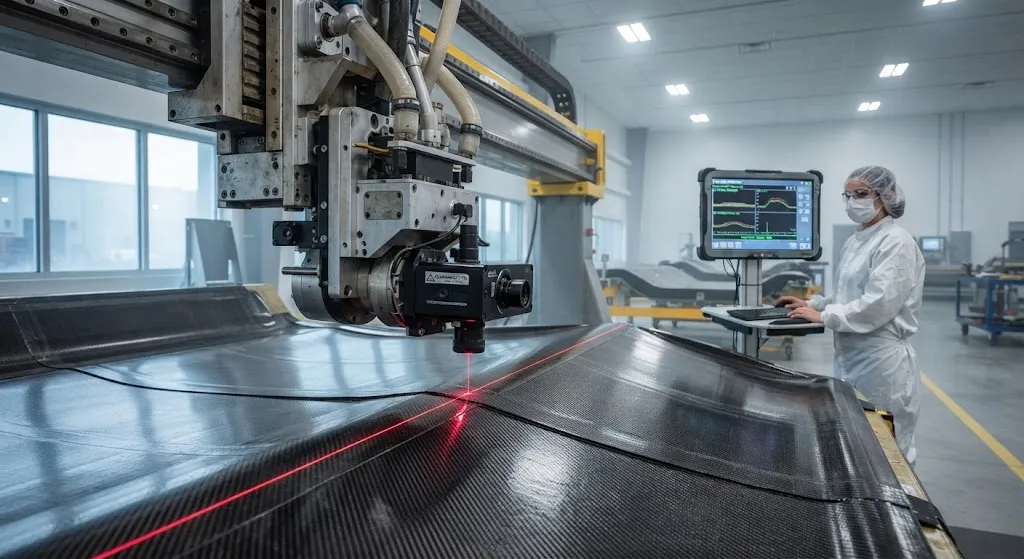
Inline Laser Line-Scanner Inspection in AFP: Cutting the 60% Downtime Share of Inspection-Rework Cycles
Automated fiber placement has become the backbone of large composite structure manufacturing, from business jet wings to rocket motor casings and wind turbine spar caps. A modern AFP gantry can lay carbon fiber tows at hundreds of meters per minute, placing narrow strips of prepreg with
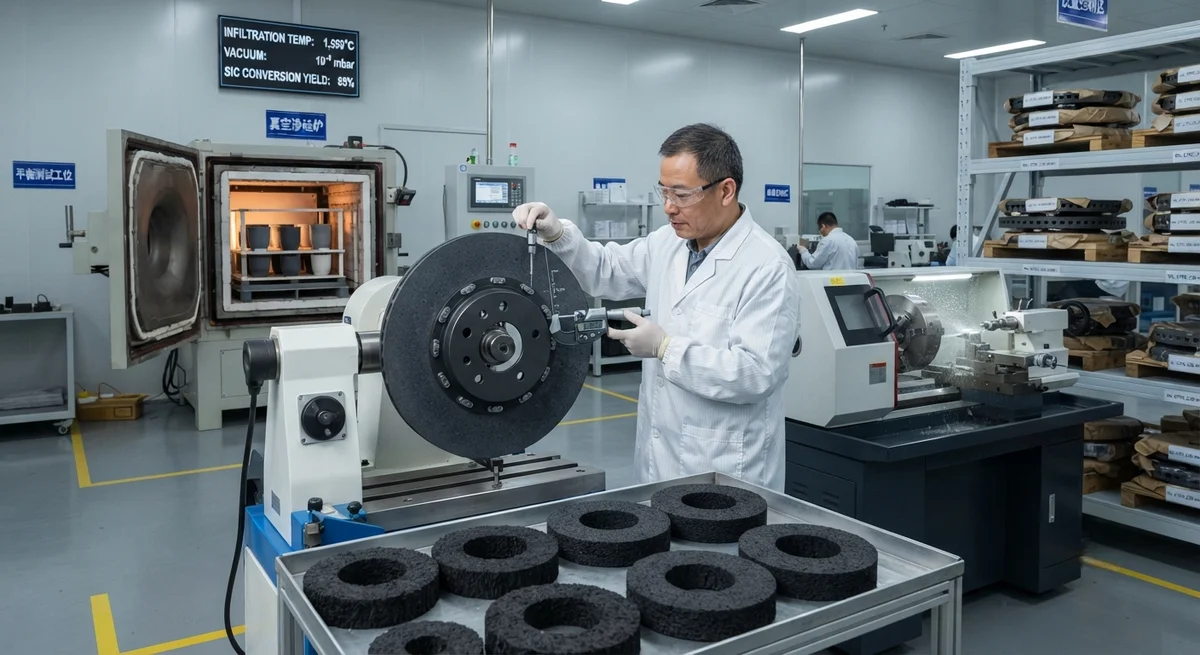
Carbon Fiber-Reinforced Ceramic Brake Rotors: Manufacturing Process and Performance vs Cast Iron and Steel
Carbon fiber-reinforced ceramic brake rotors offer significant advantages over cast iron: 60% weight reduction, operating temperatures exceeding 1,000°C, and 3-4x longer service life. Detailed comparison of manufacturing process, friction performance, and total cost of ownership.
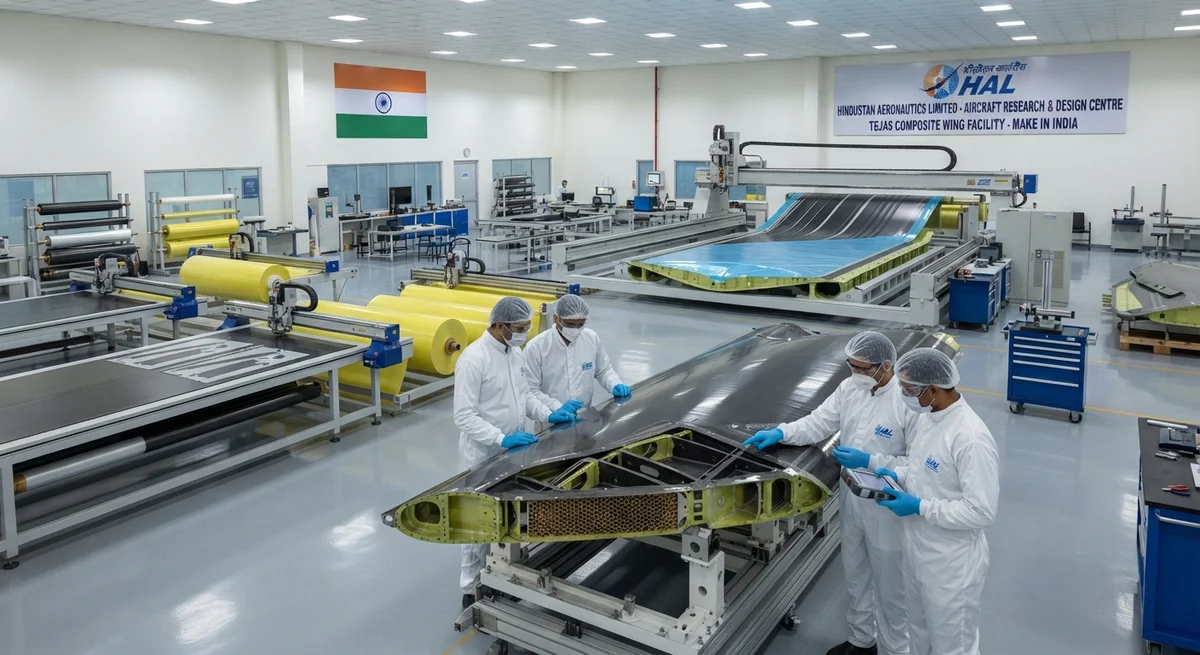
India's Carbon Fiber Market 2026: Defense Modernization, Aerospace Manufacturing, and Renewable Energy Demand
India's carbon fiber market is experiencing explosive growth driven by defense modernization programs, a rapidly expanding aerospace manufacturing sector, and surging renewable energy installations. We analyze the key trends, supply chain dynamics, and opportunities for B2B suppliers in 2026.
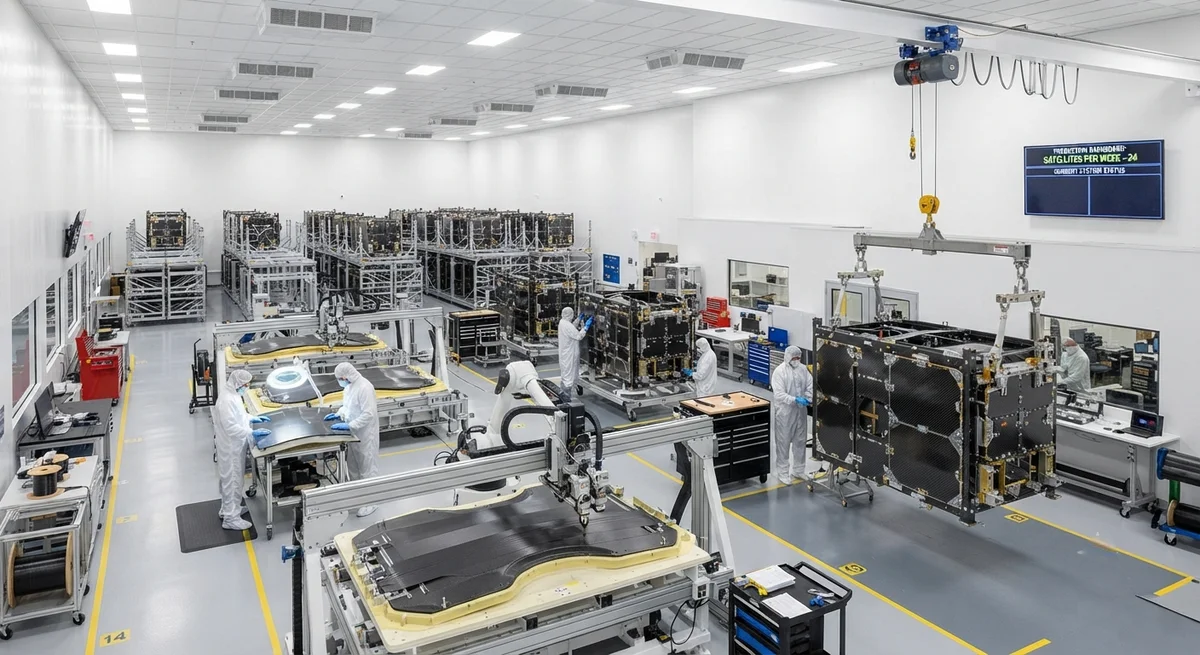
Carbon Fiber in Satellite Constellation Manufacturing: Starlink, Kuiper, and the NewSpace Revolution
Discover how carbon fiber composites enable large-scale satellite constellation manufacturing for Starlink, Kuiper, and NewSpace operators through lightweight structures and high-volume production.