
When people search the crust carbon fiber, the query is rarely a clean technical phrase. It can point at the outer surface layer of a composite laminate, at a named product or brand, or at a shorthand description of tough outer layers in armor and framing. Because the term is short and open ended, s
Introduction
When people search the crust carbon fiber, the query is rarely a clean technical phrase. It can point at the outer surface layer of a composite laminate, at a named product or brand, or at a shorthand description of tough outer layers in armor and framing. Because the term is short and open ended, search engines surface a wide mix of meanings, and buyers end up comparing content that was written for a different intent.
This article explains what the crust carbon fiber means in current searches, how the meaning clusters with related carbon fiber topics, and how YongXian structures articles when a keyword carries several possible readings.
The Crust Carbon Fiber: What the Term Means
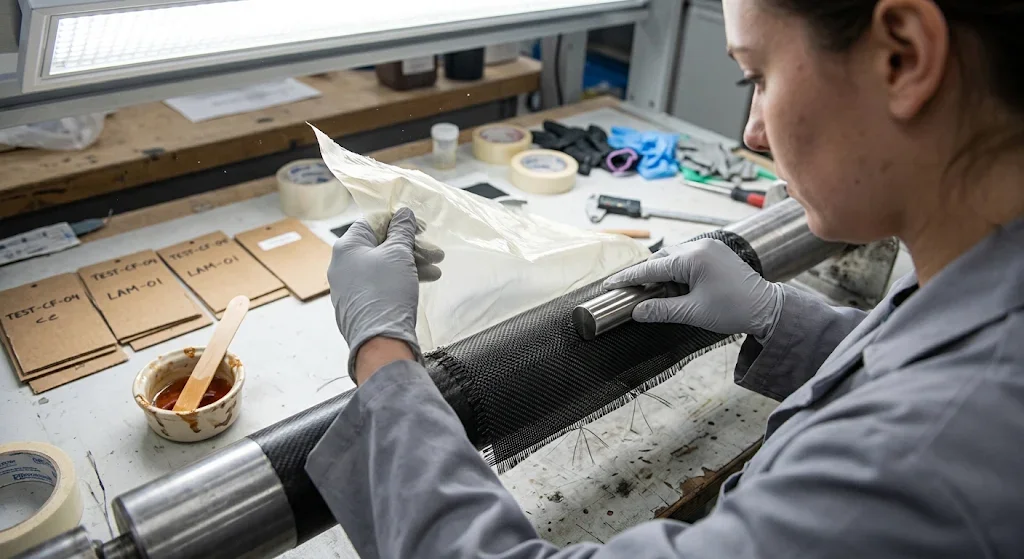
In composite manufacturing, the crust can refer to the outermost ply, the surfacing film, or the cured surface skin that protects fibre ends and provides impact resistance. In end use markets, the word shifts to describing the outer boundary of a structure: body armor panels, protective enclosures, or the exposed outer layer of a drone frame that takes the first hit. The unifying idea is that the crust is the first material layer a load, a tool, or a environment meets.
For a search driven by the crust carbon fiber, the useful content move is to disambiguate early and then go deep on the meaning that fits the buyer's stage: material selection, protection engineering, or purchasing guidance.
| Interpretation | Domain | Representative load path | Primary intent |
|---|---|---|---|
| Outermost ply / surfacing film | Aerospace, wind energy | Film plus cured skin, roughly 0.2-0.5 mm | Material behavior under impact |
| Protective boundary (armor) | Defense | Layering for multi-hit energy absorption | Protection performance per layer |
| Exposed outer layer (platform) | Drone / vehicle | First structural surface under crash load | Crash survivability design |
Each reading carries a different content depth. A material interpretation rewards thickness, fibre orientation, and impact tolerance data; a protection interpretation rewards layering and certification numbers; a platform interpretation rewards first-hit energy management and structural margins. The crust carbon fiber label is thin enough to span all three, which is exactly why the article keeps the meaning visible instead of picking one prematurely.
The Crust Carbon Fiber Searches: Body Armor and Platform Context
The crust carbon fiber cluster overlaps heavily with carbon fiber body armor, defense applications, and protective platform work. Articles that serve this cluster tend to focus on ballistic performance, layering, and certification rather than on surface terminology alone. When a buyer searches the crust carbon fiber alongside body armor intent, the pages that win are the ones that connect the outer layer concept to measurable protection criteria such as thickness, layering, and energy absorption.
- Armor context: the crust is the protective boundary in ballistic composites, with layering determining multi hit performance.
- Platform context: the crust in drone or vehicle enclosures defines the first structural surface exposed to impact.
- Material context: surfacing films and cured skins carry fibre ends and resist delamination at the boundary.
Because the secondary intents cluster around body armor, drones, and platforms, a single article that covers the term across these reads performs better than a narrow definition piece.
Frequently Asked Questions
What does the crust carbon fiber mean in a technical search?
It usually refers to the outermost ply or surfacing layer of a composite, or to the protective outer boundary in armor and enclosure applications. Context decides which meaning applies.
How is the crust carbon fiber different from carbon fiber surface prep?
Surface preparation is about cleaning and roughening the existing ply before bonding. The crust is the functional outer layer itself, which may be a surficial film, a cured skin, or a protective covering.
Can the crust carbon fiber cluster connect to carbon fiber drones and body armor content?
Yes. The shared thread is layer level performance: the outer layer carries the first impact, and layering choices control how much energy the structure can absorb.
Conclusion
The crust carbon fiber is best understood as a boundary term: the point where fibre, resin, film, or protection meets the load. YongXian writes about the crust carbon fiber through the lens of composite structure, armor, and platform safety, so each article ties the term to buyer decisions rather than leaving it abstract. browse carbon fiber products or send your specification for a content review.
Related Articles
- Carbon Fiber Rods for Fishing: Blank Selection for Builders
- Carbon Fiber Toe Plates: Rocker Design in Footwear
- Carbon Fiber Drones (carbon fiber drones): Airframes, Payloads, and Cost Impact
- Best Carbon Fiber Rod: Application-Based Picks
- Carbon Fiber Rod for Drone: Spars, Arms, and Sizing
- Remote Control Blue Carbon Fiber Drones: Frames, Finishes, and Buying
Interested in Our Products?
Contact our team for competitive pricing and technical specifications.
Get a QuoteRelated Products

Round Carbon Fiber Tube — 3K Plain Weave T700
Standard round carbon fiber tube manufactured from Toray T700 grade fiber with 3K plain weave. Offers balanced strength and stiffness for general industrial applications including robotics, automation, sports equipment, and aerospace structures.

Square Carbon Fiber Tube — 3K Twill T700
Square cross-section carbon fiber tube manufactured with 3K twill weave for torsional strength. Preferred for structural frames, trusses, and support columns where rectangular geometry offers design flexibility.

Carbon Fiber Plate — 3K Twill T700 3.0mm
Medium-thickness 3.0mm carbon fiber plate offering significantly higher load capacity while maintaining attractive 3K twill finish. Suitable for structural brackets, reinforcement plates, and load-bearing panels.
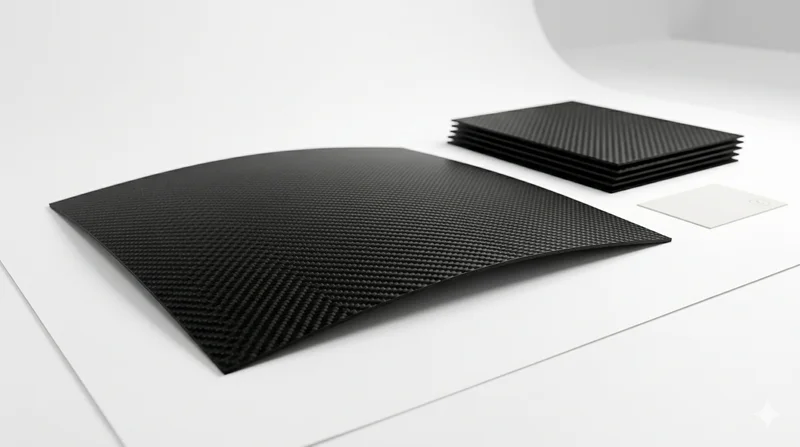
Carbon Fiber Plate — 3K Twill T700 1.5mm
Thin 1.5mm carbon fiber plate with 3K twill weave surface. Lightweight and stiff, commonly used for covers, panels, drone bodies, and applications requiring a premium aesthetic appearance.
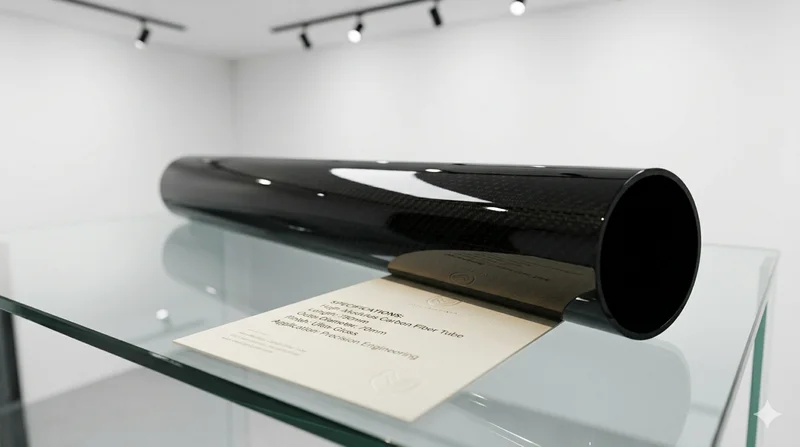
High Modulus Round Carbon Fiber Tube — M40
High modulus round tube manufactured with M40 grade fiber (tensile modulus 400 GPa). Designed for applications where maximum stiffness-to-weight ratio is critical, such as optical systems, precision machinery, and aerospace structures.