
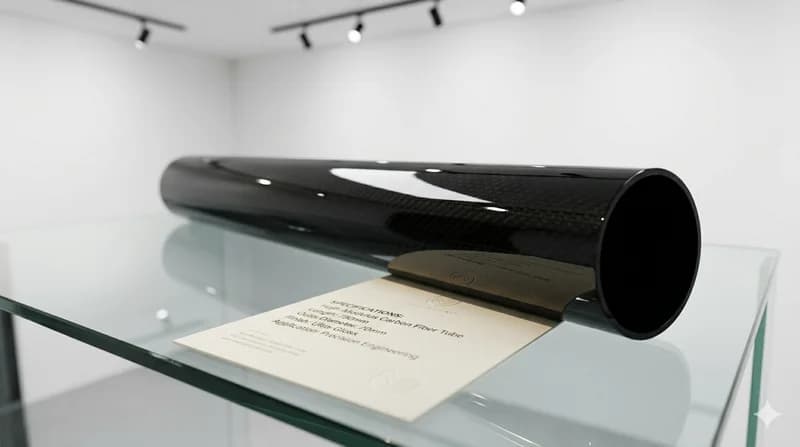
High Modulus Round Carbon Fiber Tube — M40
High modulus round tube manufactured with M40 grade fiber (tensile modulus 400 GPa). Designed for applications where maximum stiffness-to-weight ratio is critical, such as optical systems, precision machinery, and aerospace structures.
Key Features
Applications
Specifications
- Fiber Grade
- M40 (Toray)
- Tensile Modulus
- 400 GPa
- Tensile Strength
- 4400 MPa
- Density
- 1.77 g/cm³
- OD Range
- 10 – 80 mm
- Wall Thickness
- 1 – 4 mm
Usually respond within 24 hours
Frequently Asked Questions
What is the minimum order quantity for carbon fiber products?
What color and finish options are available?
What is the typical lead time?
Related Articles
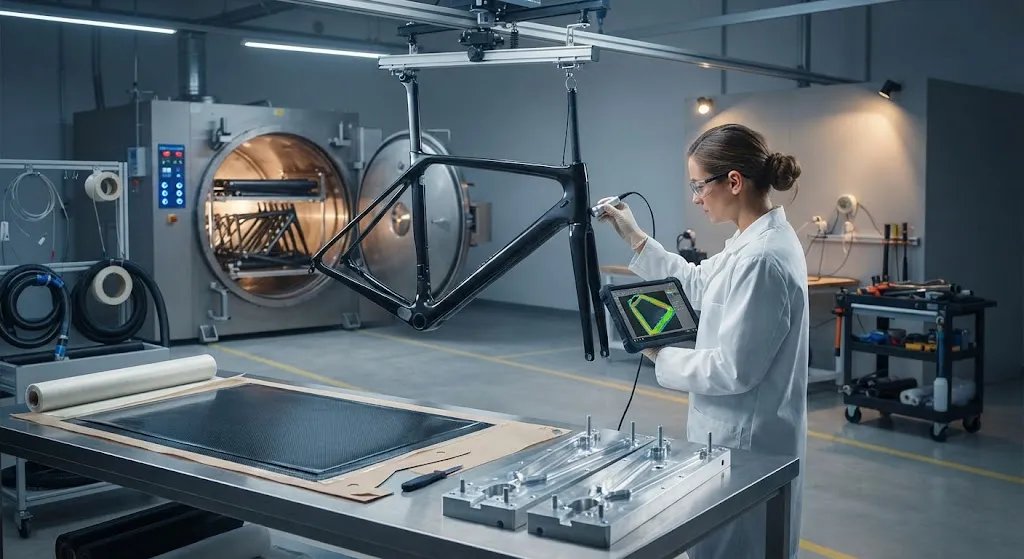
Sports Bicycle Frame Engineering: CFRP for High-Performance Cycling
The modern racing bicycle is one of the most refined applications of carbon fiber composites in consumer products. A top-tier road frame weighs under 800 grams while delivering the lateral stiffness needed for sprint power transfer and the vertical compliance required for all-day comfort over...
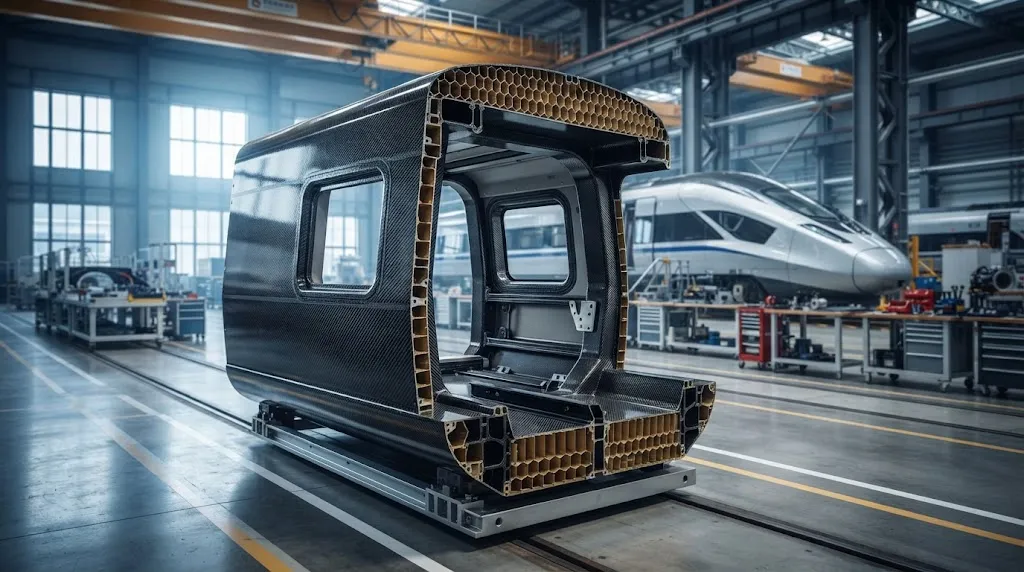
High-Speed Train Car Body: CFRP Structures for 350+ km/h Rail Transport
High-speed rail networks are expanding globally, with over 56,000 km of operational lines and 35,000 km under construction as of 2026. China leads with 42,000 km of 350 km/h service, followed by Europe, Japan, and emerging networks in Southeast Asia, the Middle East, and North America.
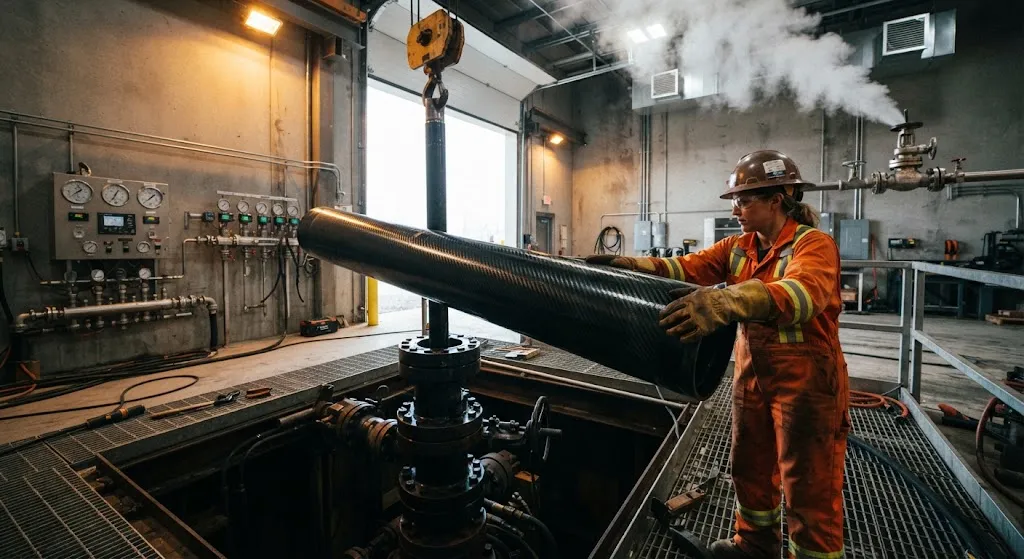
Geothermal Composite Pipe: CFRP Solutions for High-Temperature Energy Extraction
Geothermal energy is one of the fastest-growing renewable energy sectors, with global installed capacity projected to exceed 25 GW by 2030. As drilling depths increase to access higher-temperature reservoirs, the demands on wellbore tubing become increasingly severe. Traditional steel g
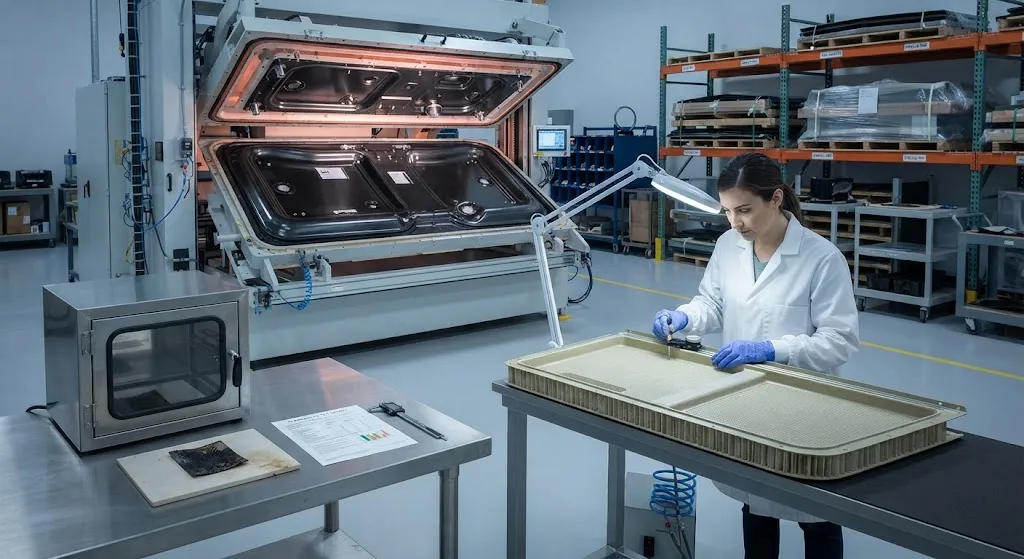
Aerospace Interior Thermoplastic Composites: Fire Safety and Weight Reduction
Every material that flies in an aircraft cabin is selected against a demanding list of requirements: low weight to save fuel, strict fire safety to protect passengers, and — increasingly — the ability to be produced at high rates for busy single-aisle programs. For decades, interior pan
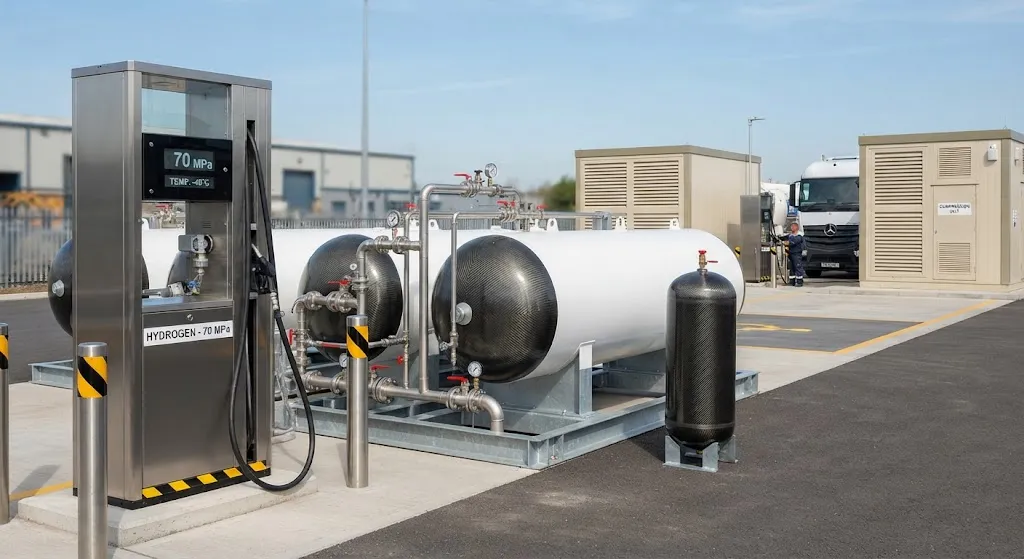
Hydrogen Refueling Station Storage: Composite Buffer Tanks and High-Pressure Distribution
A hydrogen refueling station is a pressure system arranged around one question: how to hold high-pressure gas between delivery and dispensing. Between the incoming hydrogen — truck-delivered, pipeline-fed, or made on site by electrolyzer — and the vehicle tank, the station needs buffer
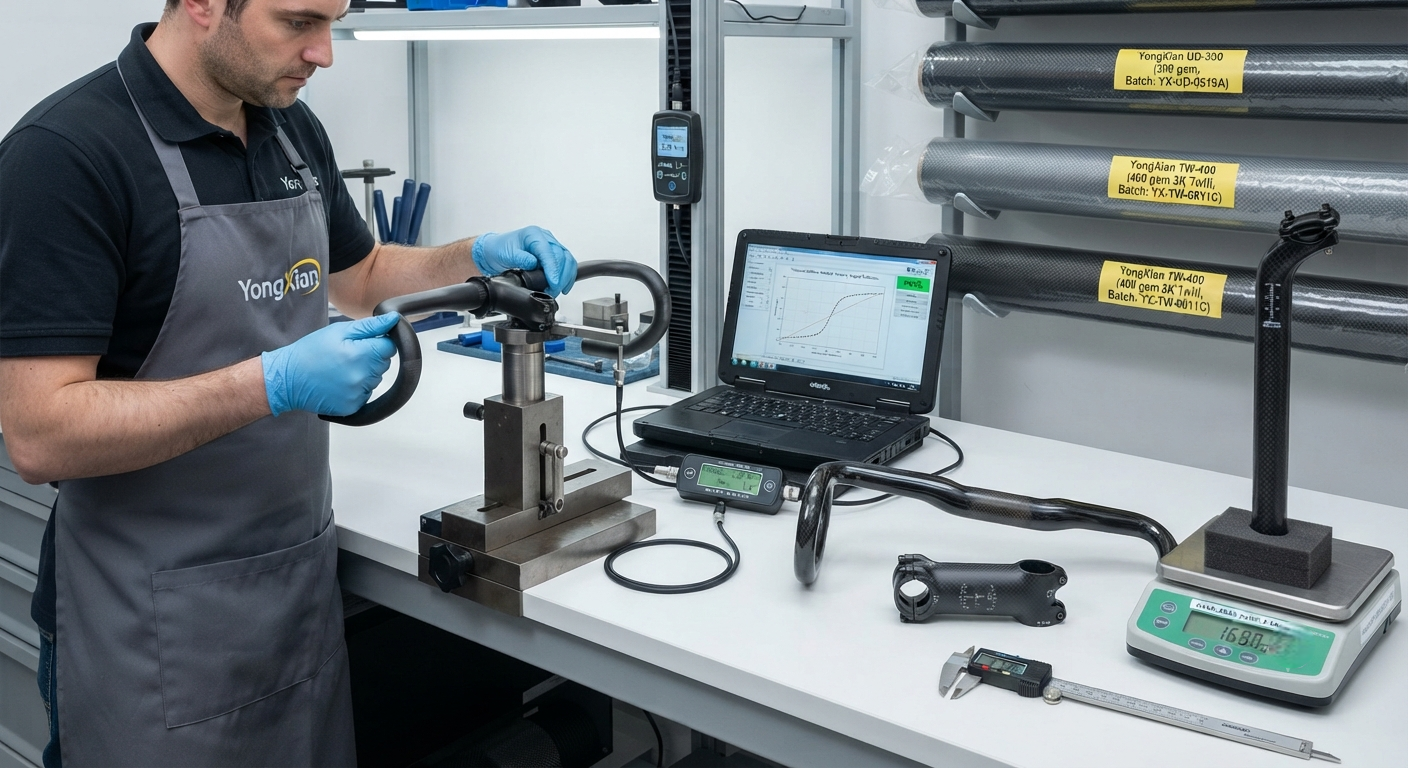
Premium Carbon Fiber Bicycle Components: Engineering Design of Handlebars, Stems, and Seatposts for Weight Reduction and Vibration Damping
An engineering analysis of carbon fibre design for premium bicycle components including handlebars, stems, and seatposts. Covers ply orientation optimisation for torsional stiffness, vibration damping characteristics of high-modulus carbon fibre layups, impact and fatigue performance data from ISO 4210 testing, and a comparative specification table across market-leading products.