
The carbon flash vs carbon fiber question comes up in every showroom that sells painted bodywork, because the two look identical under dealership lighting and differ by an order of magnitude in cost, weight and repairability. One is a printed paint finish applied over plastic or metal; the other is
Introduction
The carbon flash vs carbon fiber question comes up in every showroom that sells painted bodywork, because the two look identical under dealership lighting and differ by an order of magnitude in cost, weight and repairability. One is a printed paint finish applied over plastic or metal; the other is a woven fabric laminated with resin. Knowing which one you are looking at changes the price you should pay and the care the part actually needs.
This guide explains what each term means in practice, gives five checks you can run in minutes on a car or a component, shows why the same confusion leaks into aramid fiber vs carbon fiber debates, and looks at where a carbon fiber license plate frame legitimately uses a flash finish instead of a full laminate.
Carbon Flash vs Carbon Fiber: What the Terms Actually Mean
Carbon flash is a decorative coating: a base coat, a printed or sprayed carbon pattern, and a clear coat, sprayed over an ABS, fiberglass or metal panel. It reproduces the look of woven carbon at a fraction of the cost and adds no structural value whatsoever. Real carbon fiber is a laminate: woven or unidirectional fabric laid into a mold, wetted with resin, cured, and trimmed, which is why genuine parts have visible weave on the backside and a distinct edge thickness.
| Attribute | Carbon flash finish | Real carbon fiber part |
|---|---|---|
| What you see underneath | Printed pattern over plastic or metal | Actual woven fabric visible on the back |
| Weight penalty | Adds only paint, panel stays heavy | Typically 40 to 60 percent lighter than steel equivalent |
| Edge and underside | Uniform paint, no fiber visible | Exposed weave and laminate thickness at the edge |
| Repair after impact | Repaint the panel | Re-lay fabric, re-cure, re-clear locally |
| UV and heat behavior | Clear coat can yellow or chalk | Stable with quality clear coat, but resin can amber |
| Typical cost per panel | Low, mostly labor for finish | Material plus mold and layup labor |
The practical rule: flash answers a styling question, laminate answers a structural one. Neither is dishonest as long as the seller states which one is on the car.
Carbon Flash vs Carbon Fiber: Five Checks in the Showroom
These five checks take about two minutes and need no tools; they work on body panels, mirror caps, trim pieces and aftermarket accessories alike.
- Look at the backside and any unfinished edge. Real carbon shows the same weave continuing through the part, with a visible laminate edge; flash stops at the panel surface and reveals plastic, fiberglass or bare metal underneath.
- Follow the weave across adjacent panels. Genuine woven parts keep the diagonal pattern aligned panel to panel when fitted carefully, while printed patterns repeat identically and shift alignment at every seam.
- Tap the panel. Laminate over a honeycomb or foam core answers with a dull, damped knock; plastic under paint rings sharper and thinner.
- Check the weight. A real carbon fiber hood or hatch is noticeably lighter than the steel or ABS piece it replaces; a flash-coated panel weighs essentially what the base panel weighs.
- Inspect the edge under light. Hold the edge at an angle to a light source: on laminate you see layer lines and fabric ends, on flash you see a continuous paint film with no layers.
If a seller resists all five checks, assume the styling package is cosmetic and price it accordingly rather than as composite bodywork.
Aramid Fiber vs Carbon Fiber: Why the Confusion Spreads
The naming mess extends beyond paint. Aramid fiber vs carbon fiber comparisons often appear in the same listings because both are sold as high-performance fabrics, yet aramid trades stiffness for toughness: it bends rather than shatters, which is why it lines impact zones and helmet shells. A part described as carbon but showing yellow fiber at a cut edge is aramid or a hybrid, not carbon.
Three labels get used loosely in the same conversation. Carbon flash describes the paint finish, carbon fiber describes the laminate, and forged carbon describes a chopped-fiber paste laid up in a mold, which produces a marbled look with real fibers but directional properties closer to a cast part than to woven cloth. Ask which of the three you are buying before comparing prices, because a woven laminate, a chopped paste and a printed finish sit at three different points on the cost and performance scale.
Carbon Fiber License Plate Frame: Where Carbon Flash Shows Up
The carbon fiber license plate frame category is where flash finishes are most often found, and where they are also most defensible. A frame endures vibration, fuel vapor, road salt and constant UV exposure but carries no structural load, so a printed finish over ABS can deliver the look at a price that a small laminated part with two mounting points cannot match. Where the category goes wrong is substitution: listings that photograph a woven laminate and ship a printed frame, or frames labeled 100 percent carbon that are resin with a pattern coat.
To tell them apart on a small accessory, use the edge check and the backside check: a laminated frame shows fabric at the mounting slots and a woven back, while a flash frame shows smooth molded plastic. For decorative trim, either choice is rational — just match the price to the material you actually received, and keep the same discipline when the part moves from a license plate frame to a structural panel.
Frequently Asked Questions
Is carbon flash just another name for carbon fiber?
No. Carbon flash is a printed or sprayed paint finish over an existing panel, while carbon fiber refers to a cured laminate of woven fabric and resin. They look similar under clear coat but differ in weight, repair method and price.
How can I tell carbon fiber from forged carbon at a glance?
Woven carbon fiber shows a regular diagonal or grid pattern that repeats cleanly across the surface. Forged carbon shows random chopped strands in a marbled pattern, which is real fiber but laid up without continuous weave direction.
Does carbon flash affect the value of a used car?
A tidy flash finish on trim is neutral to most buyers, but flash applied where the listing claims genuine laminate is a specification mismatch. Disclose what the finish is, and price the car on the material actually fitted.
Conclusion
Carbon flash vs carbon fiber is a material question with a five-minute answer: check the backside, follow the weave, tap it, weigh it and inspect the edge. Flash is a legitimate styling choice on trim and frames, laminate is the answer wherever stiffness and weight matter, and both deserve to be labeled honestly at the point of sale.
YongXian manufactures real woven and forged carbon fiber components for automotive, marine and industrial programs, with layup records backing every part. See our carbon fiber components or send us the part you want built.
Part of topic
Related Articles
- Carbon Fiber Tubes Material Properties: Modulus, Strength and Density Reference
- Aramid Fiber vs Carbon Fiber: Toughness vs Stiffness Compared
- Carbon Fiber Rod vs Steel Rod: Weight, Stiffness and Cost
- Carbon Fiber Plate vs FR4: When Composite Wins
- Carbon Fiber Skid Plate vs Aluminum: Off-Road Protection Compared
- Carbon Fiber vs Aluminum Drone Frames: Weight, Cost and Crash Data
Interested in Our Products?
Contact our team for competitive pricing and technical specifications.
Get a QuoteRelated Products

Round Carbon Fiber Tube — 3K Plain Weave T700
Standard round carbon fiber tube manufactured from Toray T700 grade fiber with 3K plain weave. Offers balanced strength and stiffness for general industrial applications including robotics, automation, sports equipment, and aerospace structures.
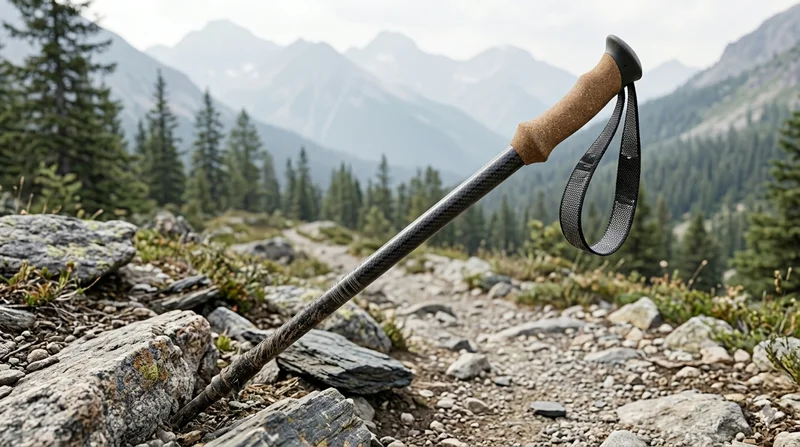
Carbon Fiber Trekking Pole
Lightweight carbon fiber trekking pole manufactured from high-grade carbon fiber tube. Weighs only 160g per pole while providing superior shock absorption and durability for hiking, trail running, and backpacking.

Carbon Fiber Pickleball Paddle
High-performance pickleball paddle with Toray T700 carbon fiber face and polypropylene honeycomb core. Delivers excellent power-to-weight ratio, spin generation, and vibration dampening for competitive play.

Square Carbon Fiber Tube — 3K Twill T700
Square cross-section carbon fiber tube manufactured with 3K twill weave for torsional strength. Preferred for structural frames, trusses, and support columns where rectangular geometry offers design flexibility.
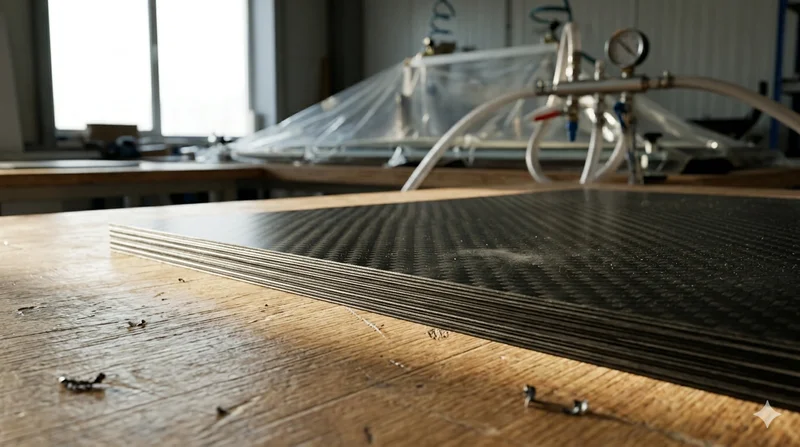
Carbon Fiber Plate — 3K Twill T700 3.0mm
Medium-thickness 3.0mm carbon fiber plate offering significantly higher load capacity while maintaining attractive 3K twill finish. Suitable for structural brackets, reinforcement plates, and load-bearing panels.