
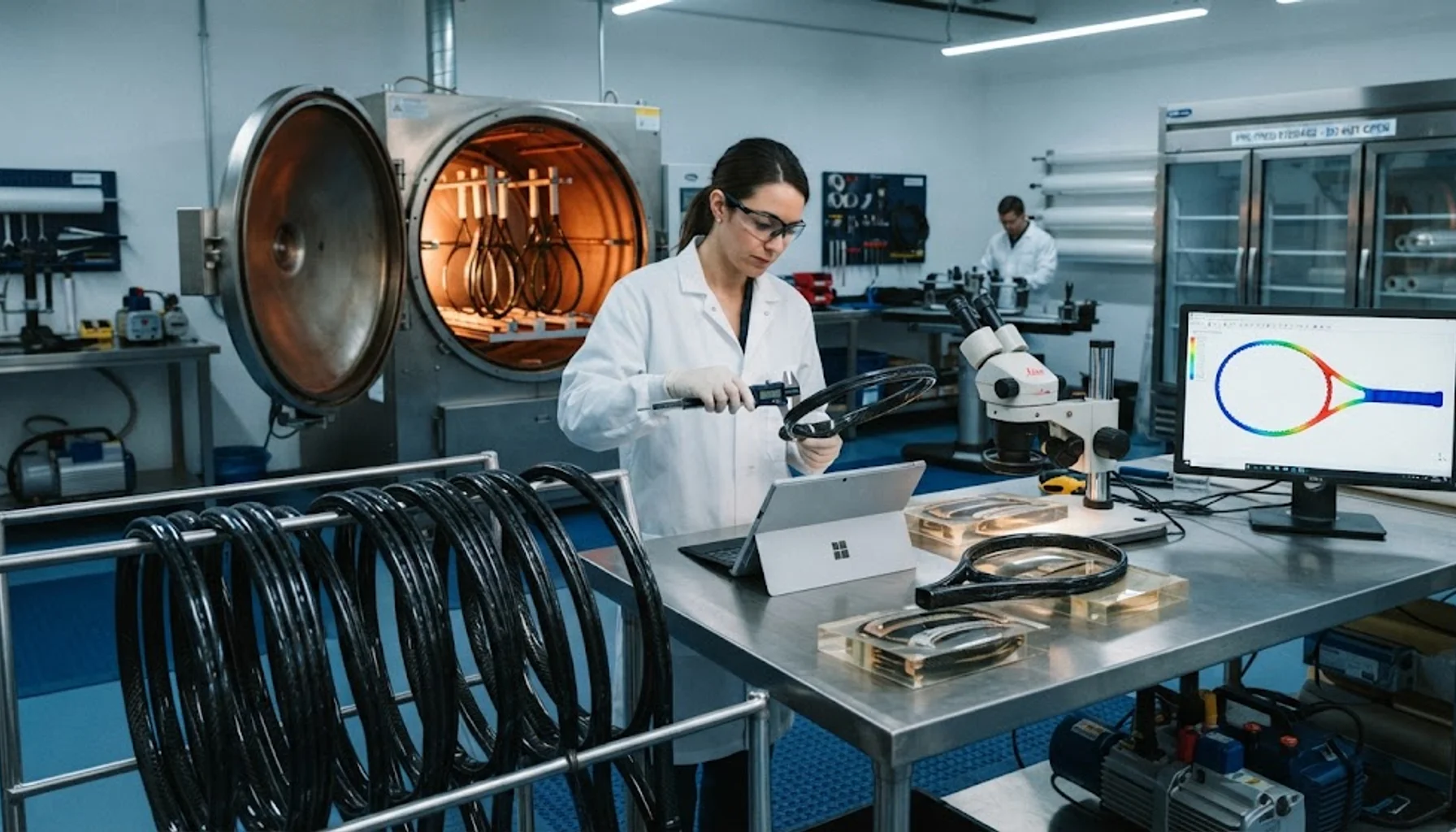
Tennis racket frames use a blend of high-modulus and standard-modulus carbon fiber to balance stiffness for power with flexibility for comfort.
Introduction
Carbon fiber technology has fundamentally transformed tennis racket design since the 1980s, enabling frames that combine the stiffness needed for power generation with the flexibility required for player comfort and control. Modern tennis rackets are sophisticated composite structures that typically incorporate 3–5 different carbon fiber grades within a single frame, each selected for specific mechanical properties and positioned to optimize the frame's dynamic behavior.
The interplay between carbon fiber modulus, beam geometry, and layup sequence determines a racket's performance characteristics: power potential, control precision, spin generation capacity, and vibration comfort. Understanding these relationships is essential for players selecting equipment and for manufacturers designing rackets that serve specific playing styles and skill levels.
Carbon Fiber Modulus Selection
Carbon fiber modulus — measured in tons per square inch (ton/in²) or gigapascals (GPa) — is the primary material variable controlling racket stiffness and energy transfer:
High-Modulus (HM) carbon (40–50 ton, 290–350 GPa): Provides the highest specific stiffness, enabling power-oriented frames with minimal energy loss during ball impact. HM carbon is typically used in the throat and shaft areas where stiffness directly translates to power. However, HM carbon transmits more vibration to the player's hand, requiring careful damping design.
Intermediate-Modulus (IM) carbon (30–40 ton, 210–290 GPa): Offers a balance between stiffness and toughness. IM carbon provides better vibration damping than HM while maintaining adequate power transmission. It is widely used in the hoop area where impact resistance is important.
Standard-Modulus (SM) carbon (23–30 ton, 160–210 GPa): Provides maximum impact resistance and vibration damping. SM carbon is used in impact-prone areas and in frames designed for comfort-oriented players.
Ultra-High-Modulus (UHM) carbon (50–70 ton, 350–500 GPa): Reserved for premium performance rackets, UHM carbon provides extreme stiffness at minimal weight. The very high modulus enables thinner beam sections that reduce aerodynamic drag while maintaining structural integrity.
Beam Geometry and Frame Stiffness
The beam width (cross-sectional depth) of a tennis racket frame interacts with carbon fiber modulus to determine overall frame stiffness:
Power beams (28–32 mm): Wide beam sections with HM carbon create stiff frames (stiffness > 70 RA on the Babolat scale) that maximize energy return to the ball. These frames are favored by baseline players who generate power through swing speed and prefer a trampoline effect on impact.
Control beams (22–26 mm): Narrower beam sections with blended HM/IM carbon create more flexible frames (60–65 RA) that provide better ball feel and control. These frames are preferred by all-court players and serve-and-volley specialists who prioritize placement accuracy over raw power.
Mid-plus beams (26–28 mm): The most popular beam width range, offering a balance between power and control. Mid-plus frames suit the widest range of playing styles and skill levels.
Layup Architecture and Dynamic Behavior
The carbon fiber layup sequence — the orientation and stacking order of individual plies — determines the frame's dynamic behavior beyond what modulus and geometry alone can achieve:
Longitudinal stiffness (0° plies): Plies oriented at 0° along the frame's long axis provide maximum bending stiffness. More 0° plies create a stiffer frame with higher power potential but less comfort.
Torsional stability (±45° plies): Plies at ±45° resist twisting during off-center hits, maintaining directional control even when the ball contacts outside the sweet spot. More ±45° plies improve stability but reduce bending stiffness.
Hoop stiffness (90° plies): Plies oriented around the frame circumference resist ovalization during impact, maintaining string bed consistency. Hoop stiffness affects the size of the effective sweet spot.
Modern rackets use computer-optimized layup sequences that vary the ply orientation through the frame, placing high-modulus 0° plies in the throat for power and ±45° IM plies in the hoop for stability and comfort.
Spin Generation Technology
Modern tennis emphasizes spin, and racket design has evolved to support this:
Open string patterns: 16×19 or 16×20 string patterns (fewer mains and crosses) create more string movement and snap-back, generating spin rates 10–15% higher than dense patterns (18×20). The frame must be stiff enough to support open patterns without excessive string breakage.
Raised string bed: Some manufacturers use frame geometry that creates a slightly raised string bed, increasing the launch angle and spin potential. This requires precise control of frame curvature during manufacturing.
Aerodynamic frames: Thinner, more aerodynamic frames enable faster swing speeds, which directly translate to more spin. Carbon fiber's high specific strength allows thinner beam sections that reduce air resistance while maintaining structural integrity.
Vibration and Comfort
Vibration management is a critical design challenge, as high-modulus carbon transmits more impact vibration to the player's hand:
Damping technologies: Manufacturers employ various vibration-damping approaches: silicone-filled beam sections, viscoelastic polymer inserts, optimized grip geometry, and strategic placement of low-modulus or aramid plies in the throat area.
Grip design: The grip diameter, material, and replacement grip thickness all affect perceived vibration. Larger grips (4 3/8" and above) dampen vibration more effectively than smaller grips.
Frame resonance: Each frame has a natural vibration frequency (typically 140–200 Hz). Frames with resonance frequencies above 170 Hz are perceived as more comfortable, as they vibrate faster than the hand's sensitivity threshold.
Manufacturing Precision
Modern tennis racket manufacturing demands aerospace-level precision:
Pre-preg cutting: Carbon fiber pre-preg is cut to precise patterns using automated cutting tables. Ply shapes must account for the frame's compound curves while maintaining fiber orientation accuracy within ±2°.
Autoclave cure: Rackets are cured at 120–135°C under 4–6 bar pressure for 2–4 hours. Temperature uniformity within ±3°C is critical for consistent stiffness across production lots.
Quality testing: Each racket undergoes stiffness testing (±2 RA tolerance), weight verification (±3 grams), balance point measurement (±5 mm), and visual inspection. Premium manufacturers reject 5–10% of production for failing to meet specifications.
Conclusion
Carbon fiber technology enables tennis rackets that are simultaneously stiff for power, flexible for comfort, torsionally stable for control, and lightweight for maneuverability. The sophisticated interplay of fiber modulus, beam geometry, layup architecture, and manufacturing precision creates performance characteristics that directly impact competitive outcomes. As carbon fiber technology continues to advance, tennis rackets will continue to evolve, pushing the boundaries of sporting goods engineering while maintaining the fundamental balance between power, control, and comfort that defines competitive tennis.
Part of topic
Related Articles
- Carbon Fiber Mooring for Floating Offshore Wind: Fatigue and Corrosion in Deep Water
- Carbon Fiber Bicycle Frame Optimization: Layup Design and Manufacturing for Competitive Racing
- Carbon Fiber CFRP Retrofit for Infrastructure: Bridge and Building Seismic Strengthening
- Carbon Fiber Medical Imaging Equipment: Lightweight Gantry and Couch Structures for MRI/CT
- Carbon Fiber EV Battery Enclosures: Crash Safety and Electromagnetic Shielding Design
- Carbon Fiber Structures for Low-Altitude Economy: UAV Airframes and eVTOL Components
Interested in Our Products?
Contact our team for competitive pricing and technical specifications.
Get a QuoteRelated Products

Carbon Fiber Plate — 3K Twill T700 3.0mm
Medium-thickness 3.0mm carbon fiber plate offering significantly higher load capacity while maintaining attractive 3K twill finish. Suitable for structural brackets, reinforcement plates, and load-bearing panels.

Carbon Fiber Plate — 3K Twill T700 1.5mm
Thin 1.5mm carbon fiber plate with 3K twill weave surface. Lightweight and stiff, commonly used for covers, panels, drone bodies, and applications requiring a premium aesthetic appearance.

Square Carbon Fiber Tube — 3K Twill T700
Square cross-section carbon fiber tube manufactured with 3K twill weave for torsional strength. Preferred for structural frames, trusses, and support columns where rectangular geometry offers design flexibility.
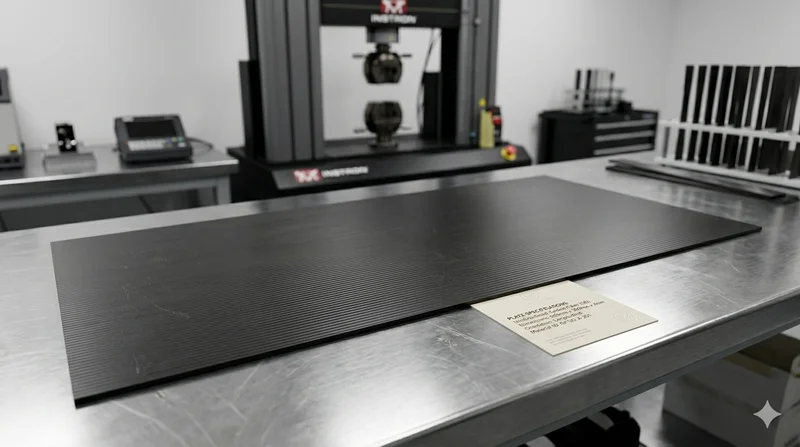
Carbon Fiber Plate — UD Unidirectional T700
Unidirectional carbon fiber plate with all fibers oriented in a single direction for maximum strength along the fiber axis. Essential for structural reinforcements, splints, and applications where load direction is predictable.
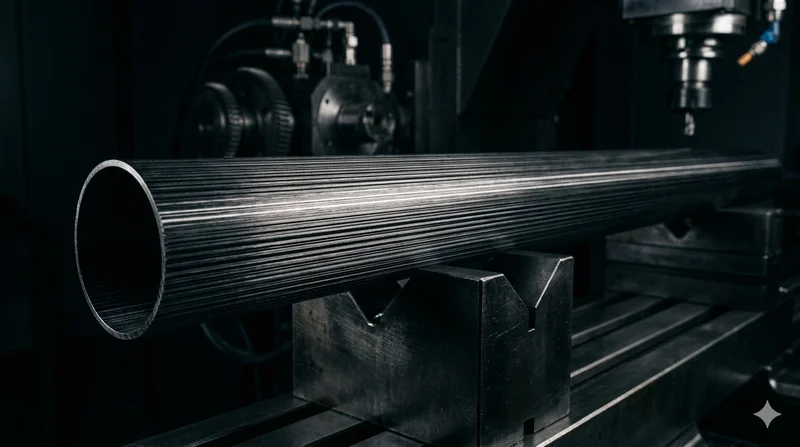
Round Carbon Fiber Tube — UD Unidirectional T700
Unidirectional (UD) round tube with all fibers aligned axially for maximum longitudinal stiffness. Ideal for applications requiring high bending rigidity with minimal weight, such as shafts, struts, and structural reinforcements.