
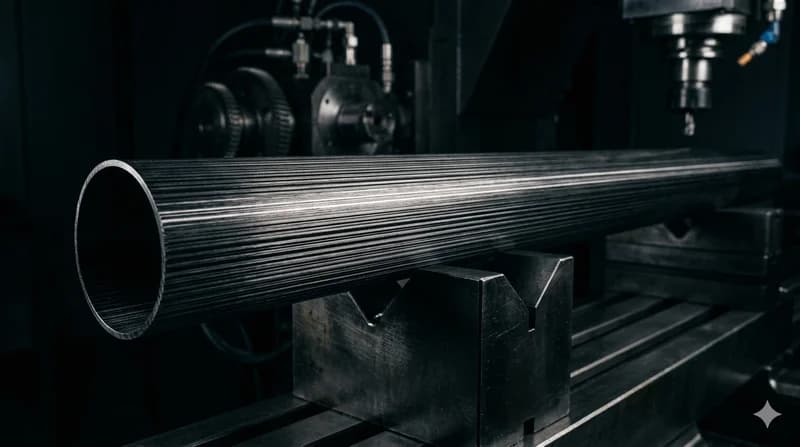
Round Carbon Fiber Tube — UD Unidirectional T700
Unidirectional (UD) round tube with all fibers aligned axially for maximum longitudinal stiffness. Ideal for applications requiring high bending rigidity with minimal weight, such as shafts, struts, and structural reinforcements.
Key Features
Applications
Specifications
- Fiber Grade
- T700 (Toray)
- Fiber Orientation
- UD 0° (Unidirectional)
- Tensile Strength
- 4900 MPa
- Tensile Modulus
- 230 GPa
- OD Range
- 4 – 50 mm
- Wall Thickness
- 0.5 – 4 mm
- Max Length
- 3000 mm
Usually respond within 24 hours
Frequently Asked Questions
What is the minimum order quantity for carbon fiber products?
What color and finish options are available?
What is the typical lead time?
Related Articles
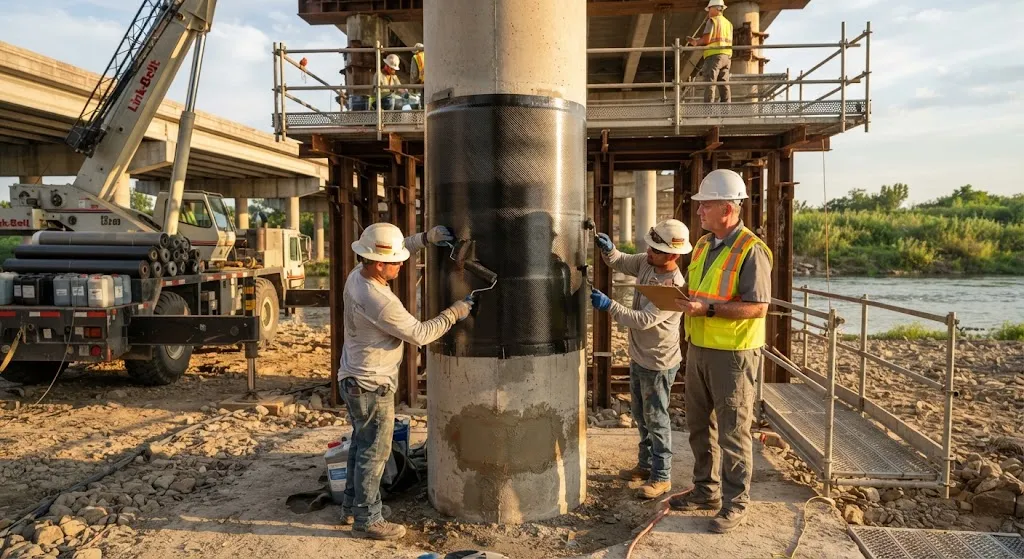
Carbon Fiber CFRP Retrofit for Infrastructure: Bridge and Building Seismic Strengthening
Carbon fiber reinforced polymer (CFRP) retrofit systems have transformed the way engineers approach infrastructure rehabilitation, particularly for seismic strengthening of bridges and buildings. Traditional strengthening methods — steel jacketing, concrete enlargement, or post-tensioning — add weig
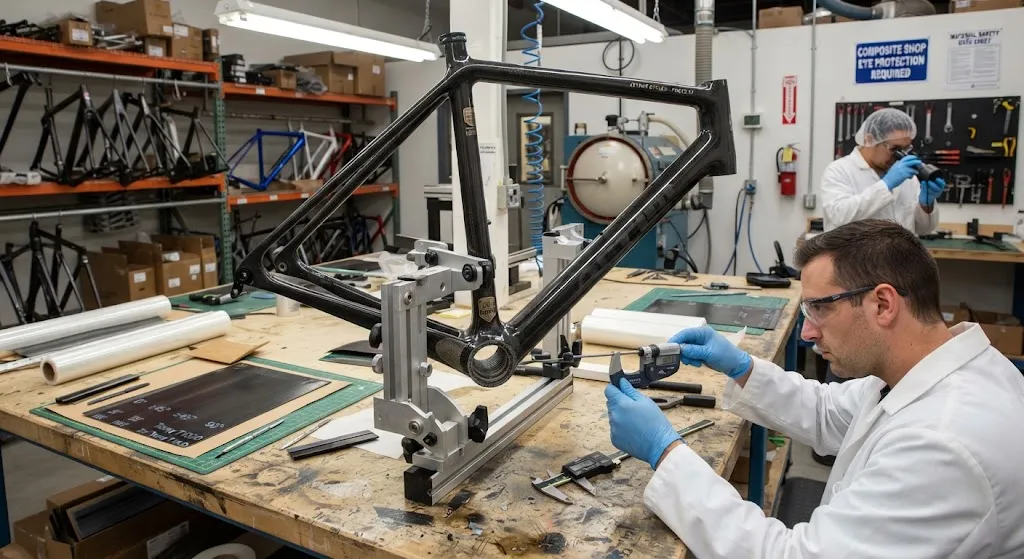
Carbon Fiber Bicycle Frame Optimization: Layup Design and Manufacturing for Competitive Racing
Carbon fiber bicycle frame optimization represents the intersection of material science and competitive cycling performance, where every gram of weight and every Newton-meter of stiffness directly translates to racing advantage. Modern professional racing framesets weigh between 680-900 grams, a dra
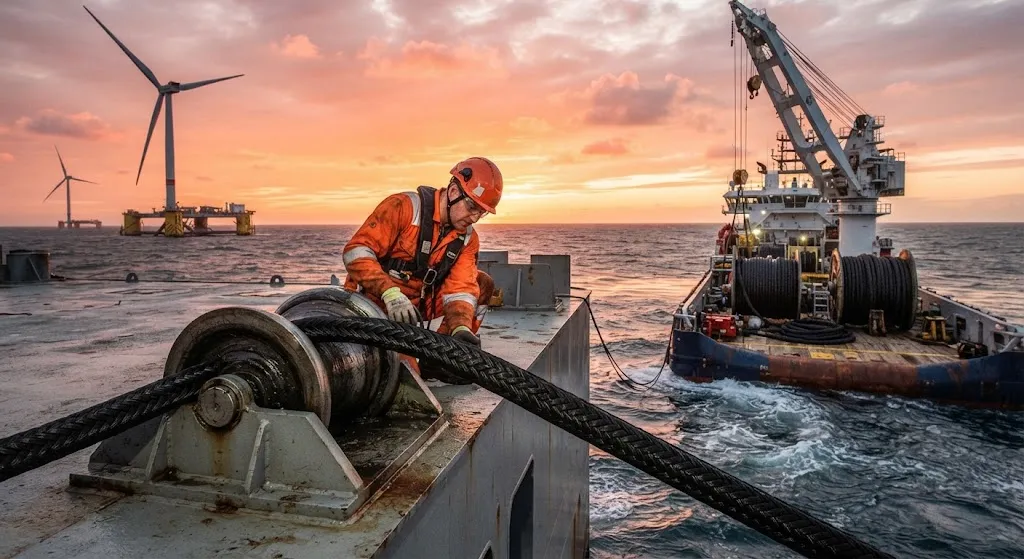
Carbon Fiber Mooring for Floating Offshore Wind: Fatigue and Corrosion in Deep Water
Floating offshore wind energy is expanding into deeper waters where fixed-bottom turbine foundations become technically and economically impractical. Current fixed-bottom installations are limited to approximately 60 meters water depth, while floating platforms can operate at 200-1,500 meters, openi
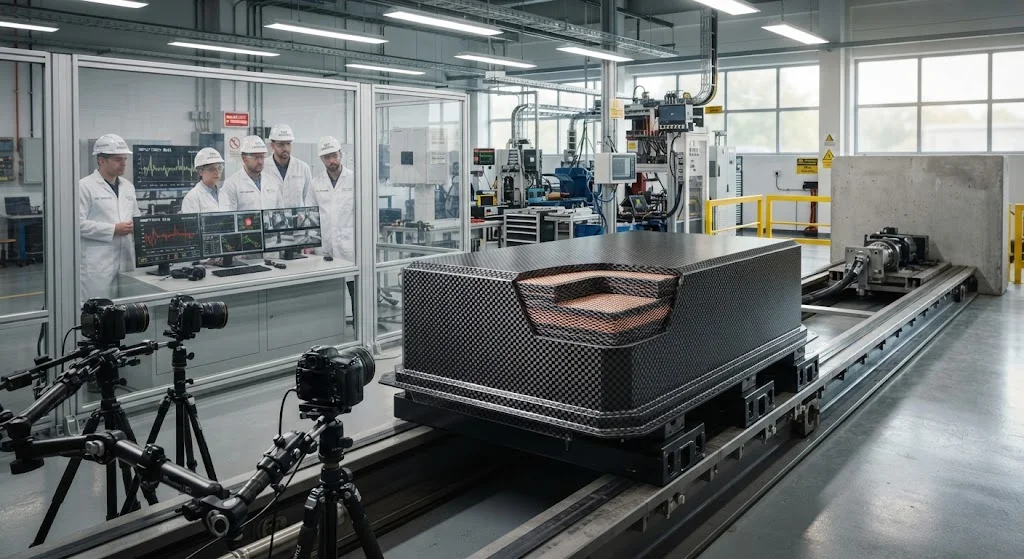
Carbon Fiber EV Battery Enclosures: Crash Safety and Electromagnetic Shielding Design
As electric vehicles proliferate across global markets, the battery enclosure has emerged as one of the most critical structural components in EV architecture. The enclosure must protect the battery modules from external impacts during collisions, maintain structural integrity under cra
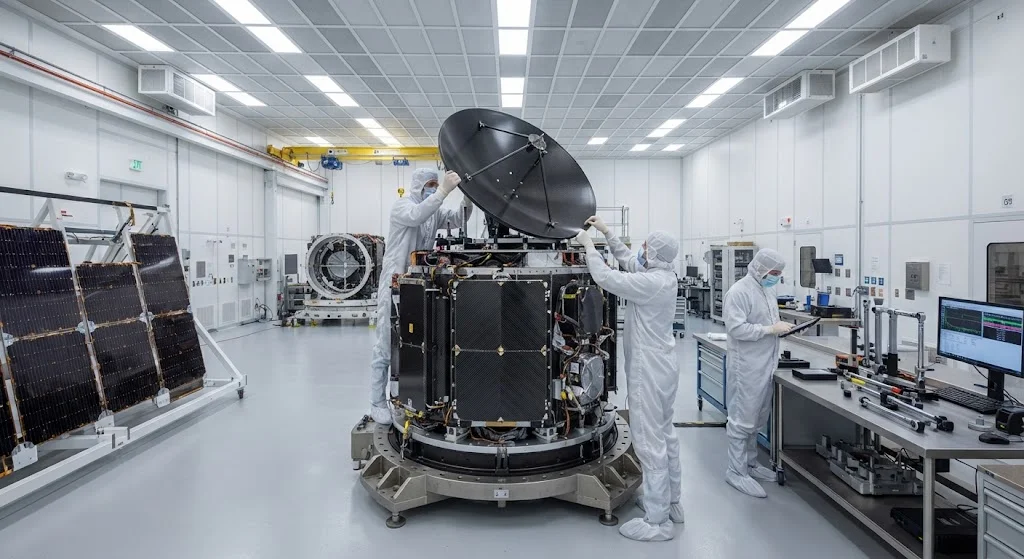
Carbon Fiber Satellite Structures: Dimensional Stability for Space Environment Cycling
Carbon fiber satellite structures represent one of the most demanding applications for advanced composite materials, where dimensional stability through years of thermal cycling in low Earth orbit (LEO) or geostationary orbit (GEO) is non-negotiable. Satellite components such as optical
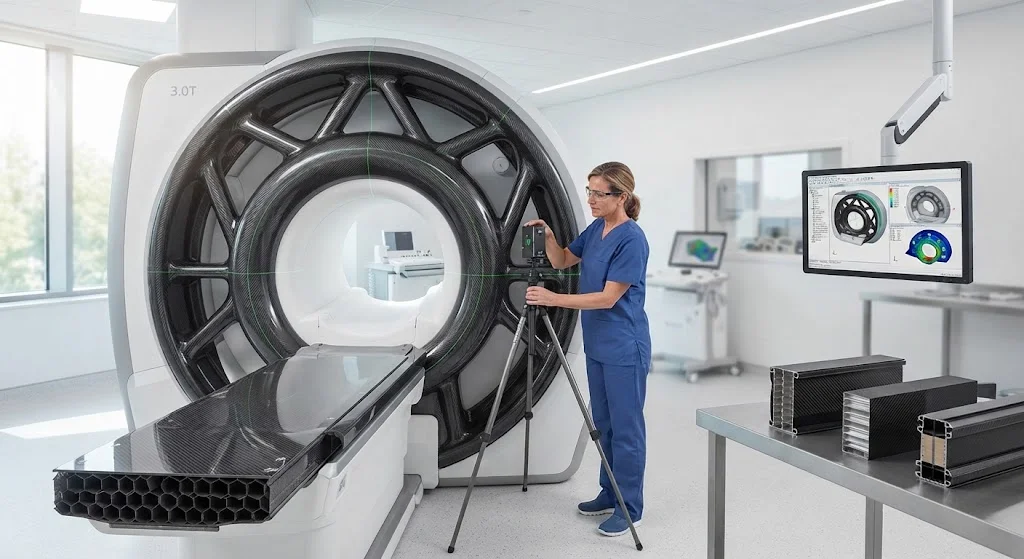
Carbon Fiber Medical Imaging Equipment: Lightweight Gantry and Couch Structures for MRI/CT
Medical imaging equipment represents one of the most demanding applications of carbon fiber composites, requiring the unique combination of lightweight construction, high structural rigidity, and electromagnetic transparency that only advanced composite materials can provide. Magnetic r