
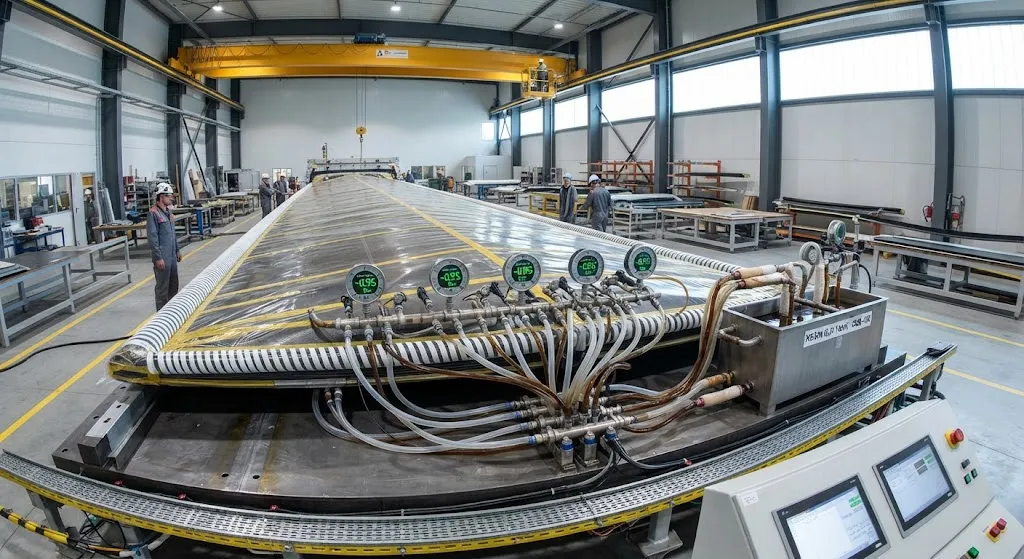
Out-of-autoclave (OOA) processing is becoming essential for manufacturing large carbon fiber composite parts that exceed autoclave capacity. This article examines OOA technologies, material systems, and quality implications for aerospace and wind energy applications.
Introduction
As carbon fiber composite parts grow larger — in aerospace fuselage sections, wind turbine blades, and marine structures — traditional autoclave processing becomes impractical or impossible. Autoclave size limitations (typically 3-8 meters diameter), high capital costs ($5-20 million), and long cycle times (8-24 hours) create bottlenecks for large-part production. Out-of-autoclave (OOA) processing technologies address these limitations by achieving acceptable laminate quality without autoclave consolidation.
OOA processing is particularly important for the wind energy industry, where blade spar caps and other large structural components require high-quality carbon fiber laminates produced at rates and costs incompatible with autoclave processing. The development of OOA-capable material systems and processes has been a key enabler for carbon fiber adoption in large wind turbine blades.
OOA Technologies
Several OOA technologies are being developed and deployed:
Vacuum bag only (VBO): The simplest OOA approach uses vacuum pressure (approximately 1 bar) to consolidate composite laminates during cure. VBO requires specially formulated resin systems with low viscosity and controlled flow characteristics to achieve adequate fiber wetting and void content (< 1%) without autoclave pressure.
Pressure bag systems: Inflatable pressure bags applied over vacuum-bagged laminates provide 2-5 bar consolidation pressure, improving laminate quality compared to VBO while avoiding autoclave costs. These systems are particularly useful for large, relatively flat structures.
Shrink tape and compaction systems: Thermal shrink tape or rigid compaction tools provide localized pressure during cure, improving surface finish and fiber volume fraction in critical areas. These systems are often combined with vacuum bag processing.
Resin infusion: Vacuum-assisted resin transfer molding (VARTM) and related infusion processes produce large parts with controlled fiber placement and consolidation. Resin infusion is the dominant OOA process for wind energy applications.
Material Systems
OOA processing requires specialized material systems:
Resin formulation: OOA resins are formulated with lower viscosity, longer gel times, and controlled exotherm characteristics to enable adequate fiber wetting and consolidation under vacuum pressure alone. These resins typically have lower molecular weight and different固化 chemistry than autoclave-grade systems.
Prepreg development: OOA prepregs use modified resin content and tack characteristics to achieve good consolidation under vacuum. These materials often have higher resin content (55-65%) than autoclave prepregs (40-50%) to compensate for lower consolidation pressure.
Infusion materials: Resin infusion uses dry fiber preforms with peel ply, flow media, and vacuum bag consumables. Material selection must balance flow characteristics, fiber wetting, and final laminate quality.
Quality Considerations
OOA processing introduces specific quality considerations:
Void content: Achieving low void content (< 1%) is more challenging without autoclave pressure. VBO systems typically achieve 1-2% void content, which is acceptable for many non-structural and semi-structural applications but may require process optimization for critical structural components.
Fiber volume fraction: OOA processes generally achieve lower fiber volume fractions (50-58%) than autoclave processing (55-65%), affecting mechanical properties. This must be accounted for in structural design.
Surface finish: OOA parts may have different surface characteristics than autoclave parts, affecting aerodynamic performance and paint adhesion. Surface treatment may be required for cosmetic applications.
Cost-Benefit Analysis
OOA processing offers significant cost advantages:
Capital cost: OOA equipment costs are typically 30-50% of equivalent autoclave systems, reducing the barrier to entry for composite manufacturing.
Part size: OOA processes can produce parts limited only by tooling size, not by autoclave dimensions. This enables manufacturing of very large structures — 50+ meter wind blades, full fuselage sections — that cannot be autoclave processed.
Throughput: OOA processes can achieve higher throughput by eliminating autoclave batch processing constraints, enabling continuous or semi-continuous production.
Conclusion
Out-of-autoclave processing is becoming the standard for large carbon fiber composite parts, driven by the limitations of autoclave technology and the cost and size advantages of OOA approaches. As material systems and processes continue to improve, OOA processing will expand the applications and accessibility of carbon fiber composites across multiple industries.
Part of topic
Related Articles
- Bio-Based Carbon Fiber Precursors: Lignin and Polyethylene for Low-Cost Production
- Large-Tow Carbon Fiber Cost Analysis: 48K vs 60K Price-Performance Comparison
- Carbon Fiber-Resin Interface Bonding: Surface Treatment and Coupling Agent Optimization
- Digital Twin for Carbon Fiber Manufacturing: Real-Time Process Monitoring and Defect Prevention
- Thermoplastic Carbon Fiber Welding for Automotive: Ultrasonic and Induction Welding Process Windows
- Large-Tow Carbon Fiber Wet Spinning: Process Optimization for 48K/60K Production Efficiency
Interested in Our Products?
Contact our team for competitive pricing and technical specifications.
Get a QuoteRelated Products
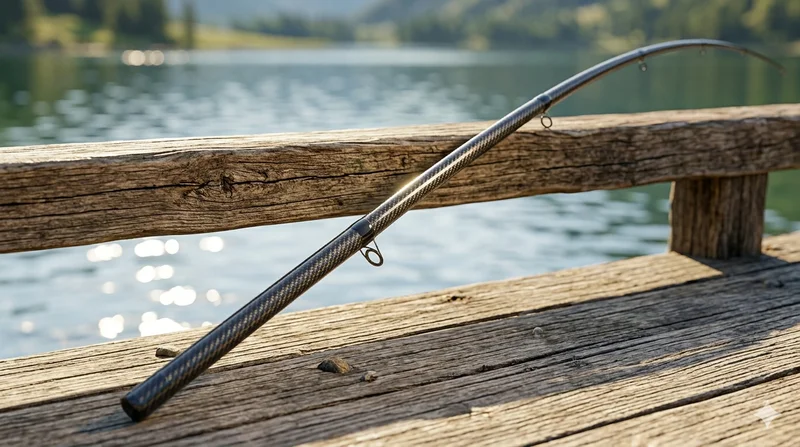
Carbon Fiber Fishing Rod Blank
High-quality carbon fiber fishing rod blank manufactured from multiple grades of Toray carbon fiber cloth. Available in a wide range of lengths, powers, and actions for freshwater and saltwater applications. Suitable for OEM rod building.
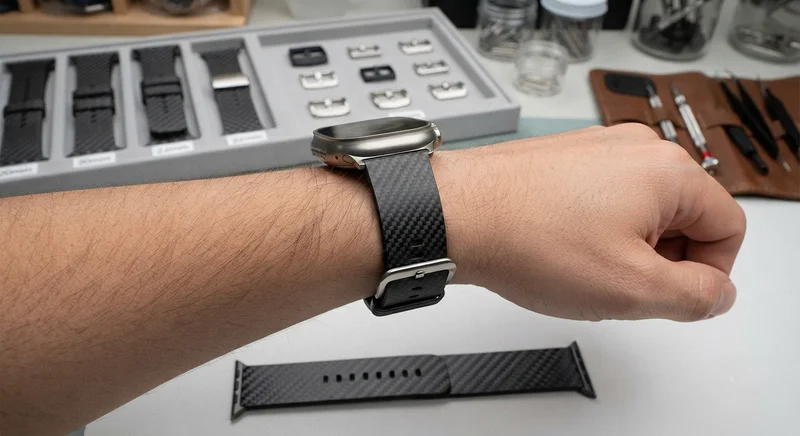
Carbon Fiber Watch Strap — 20mm/22mm Quick-Release
Premium carbon fiber watch strap with quick-release spring bars. Woven from T700 3K twill prepreg with a flexible resin system that conforms to the wrist. Available in 20mm and 22mm lug widths, compatible with Apple Watch, Samsung Galaxy Watch, Garmin, and traditional mechanical watches. Features a stainless steel buckle and carbon fiber keepers. The natural weave pattern makes each strap unique.
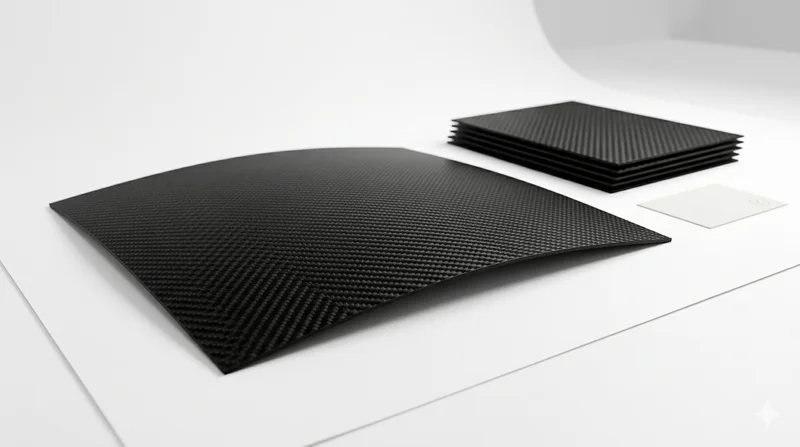
Carbon Fiber Plate — 3K Twill T700 1.5mm
Thin 1.5mm carbon fiber plate with 3K twill weave surface. Lightweight and stiff, commonly used for covers, panels, drone bodies, and applications requiring a premium aesthetic appearance.
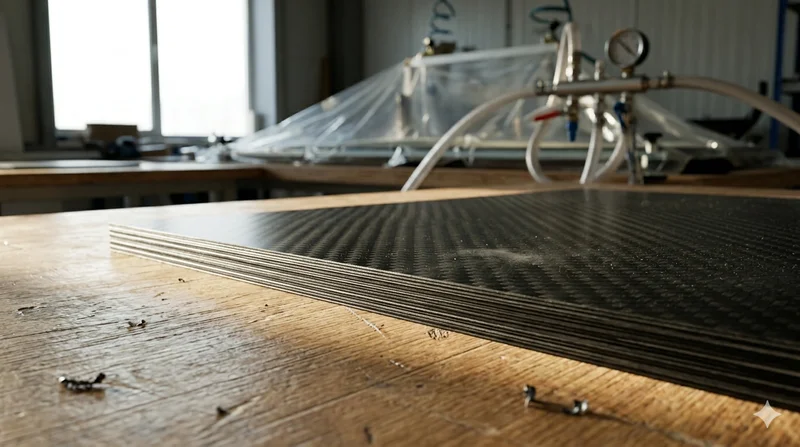
Carbon Fiber Plate — 3K Twill T700 3.0mm
Medium-thickness 3.0mm carbon fiber plate offering significantly higher load capacity while maintaining attractive 3K twill finish. Suitable for structural brackets, reinforcement plates, and load-bearing panels.
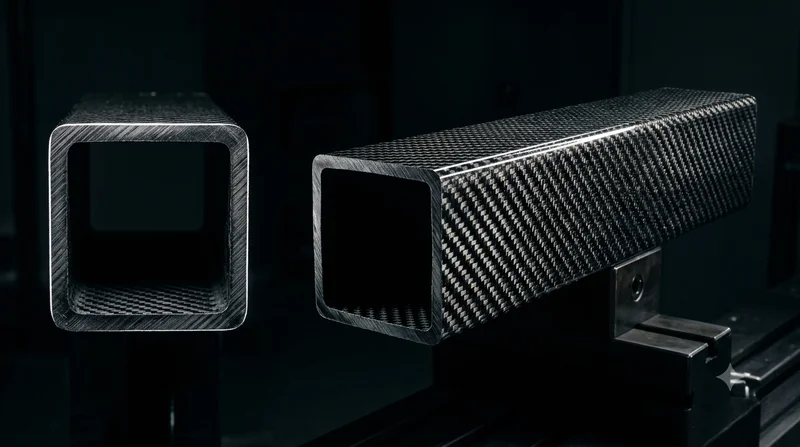
Square Carbon Fiber Tube — 3K Twill T700
Square cross-section carbon fiber tube manufactured with 3K twill weave for torsional strength. Preferred for structural frames, trusses, and support columns where rectangular geometry offers design flexibility.