Carbon Fiber Watch Strap — 20mm/22mm Quick-Release
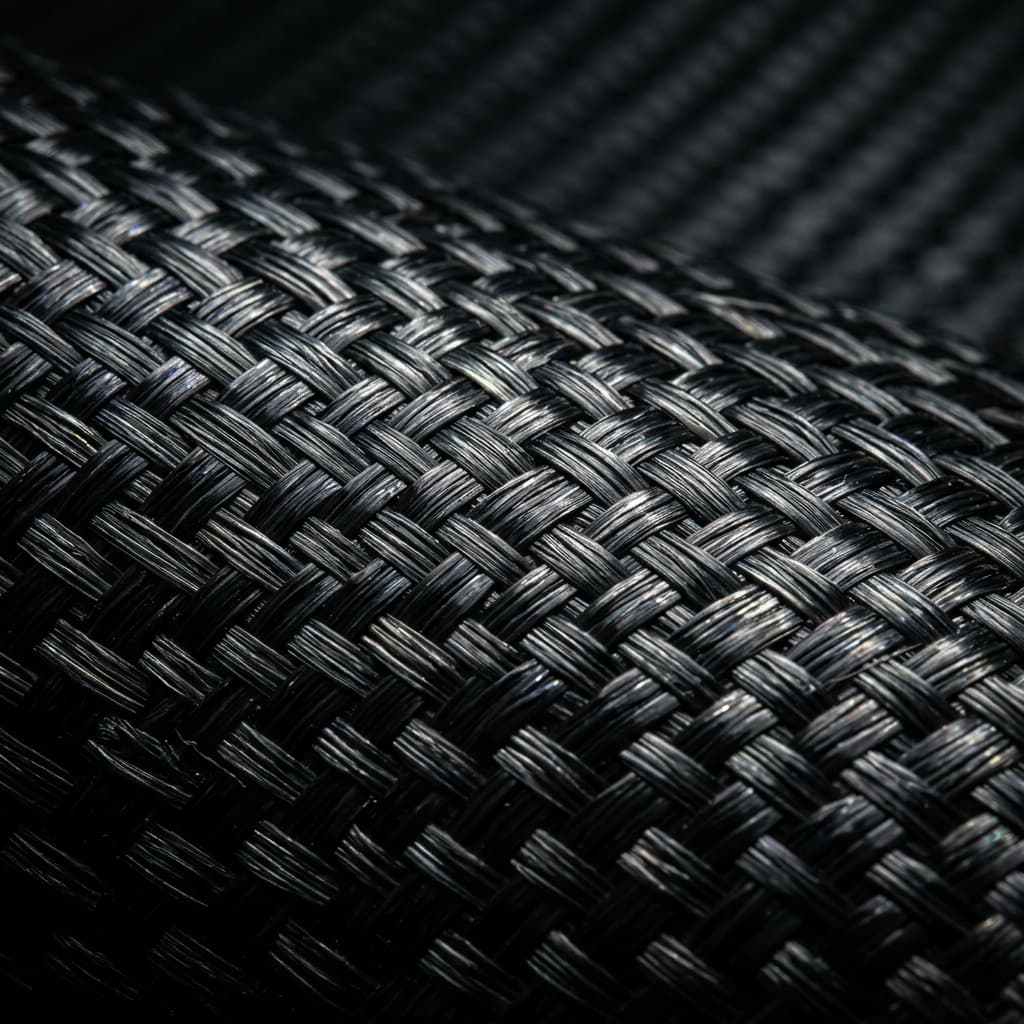
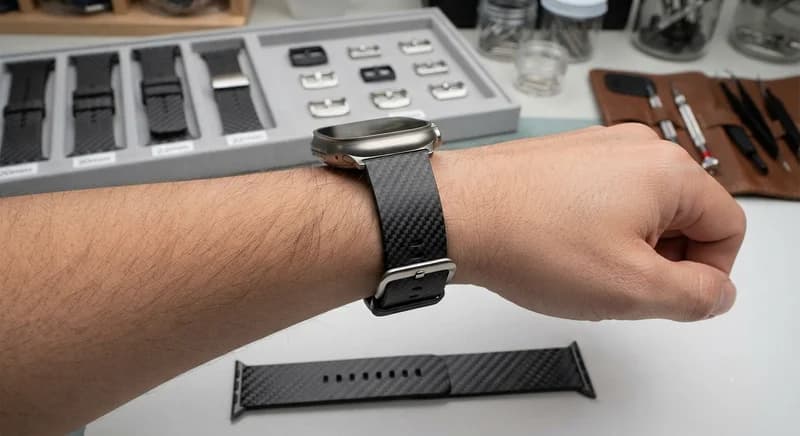
Premium carbon fiber watch strap with quick-release spring bars. Woven from T700 3K twill prepreg with a flexible resin system that conforms to the wrist. Available in 20mm and 22mm lug widths, compatible with Apple Watch, Samsung Galaxy Watch, Garmin, and traditional mechanical watches. Features a stainless steel buckle and carbon fiber keepers. The natural weave pattern makes each strap unique.
Key Features
Applications
Specifications
- Material
- T700 3K Twill Prepreg Carbon Fiber
- Lug Width
- 20 mm / 22 mm
- Length
- 120 + 80 mm (Standard)
- Buckle
- 316L Stainless Steel
- Attachment
- Quick-Release Spring Bars
Usually respond within 24 hours
Frequently Asked Questions
What is the minimum order quantity for carbon fiber products?
What color and finish options are available?
What is the typical lead time?
Related Articles
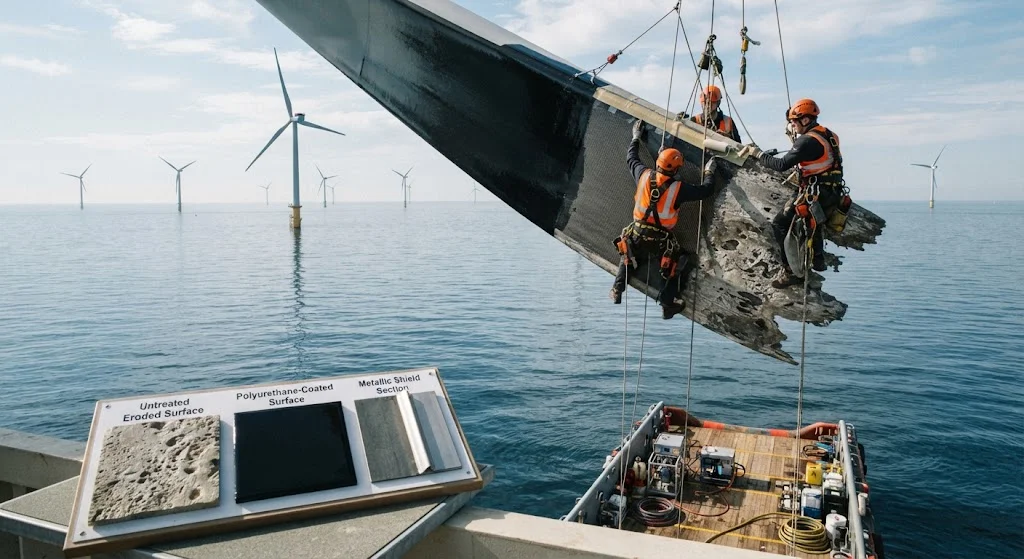
Wind Turbine Blade Leading Edge Protection 2026: Polyurethane, Tape, and Metallic Shield Solutions
Leading edge erosion has emerged as one of the most significant maintenance challenges for wind turbine blades, particularly in offshore and coastal installations where blades are exposed to rain, hail, salt spray, and airborne particulates at high rotational speeds. The leading edge of
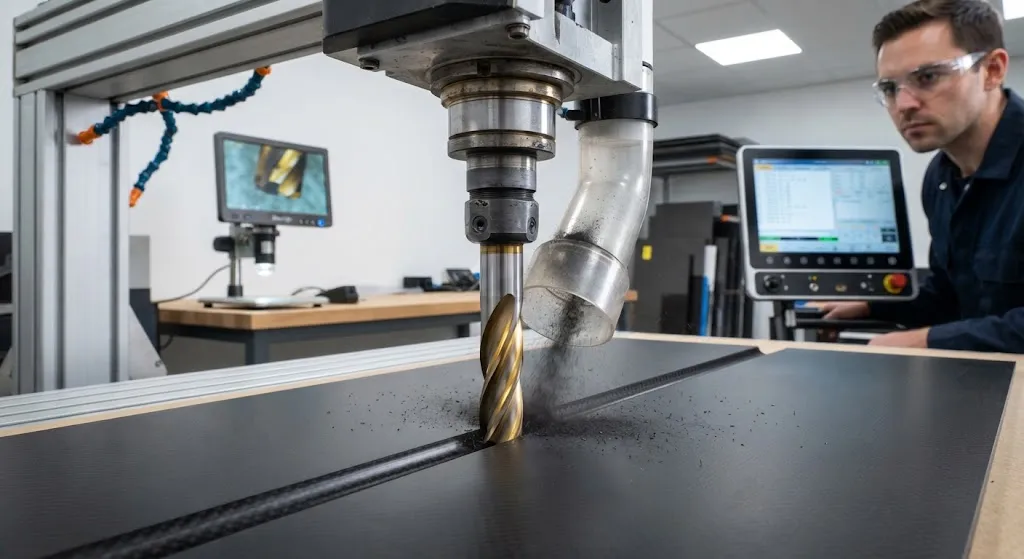
Machining Carbide Tool Wear: CFRP Cutting Tool Life and Surface Quality
Machining carbon fiber reinforced polymer composites differs fundamentally from metal cutting. CFRP's heterogeneous structure — hard, abrasive carbon fibers embedded in a relatively soft polymer matrix — creates a two-phase cutting environment where tool wear mechanisms, chip formation,
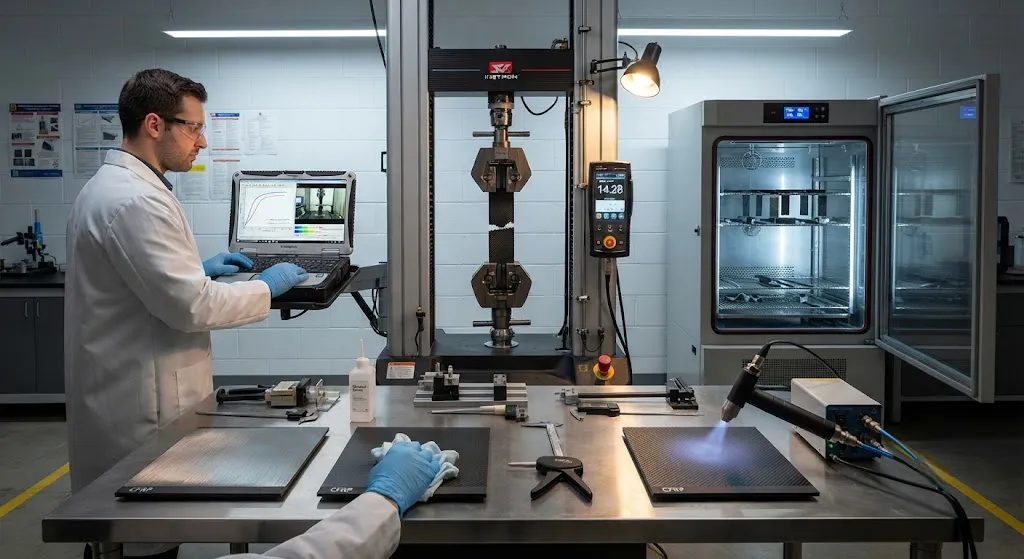
Adhesive Bonding Structural Joint: CFRP Bonded Connection Design and Testing
Structural adhesive bonding has become a primary joining method for carbon fiber reinforced polymer composites in aerospace, automotive, and wind energy applications. Unlike mechanical fasteners, which require drilled holes that interrupt fiber continuity and create stress concentrations, adhesive...
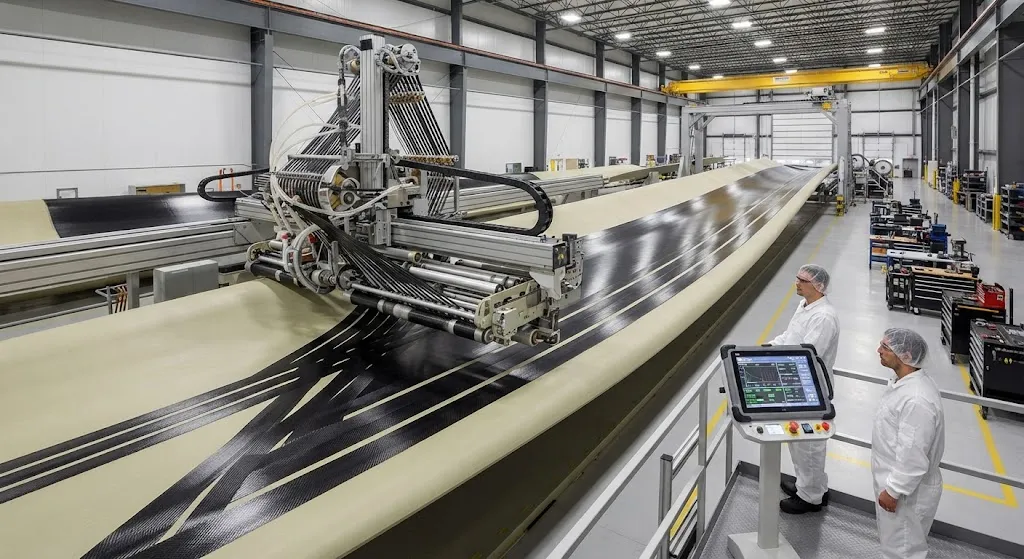
AFP Automated Fiber Placement for Wind Blades: 500-1000 kg/h Throughput Economics
The wind energy industry faces a fundamental manufacturing challenge: as turbine ratings increase from 10-15 MW to 15-20 MW and beyond, wind blades are growing longer, heavier, and more complex. A single blade for a 15 MW offshore turbine can exceed 100 meters in length and require 25-4
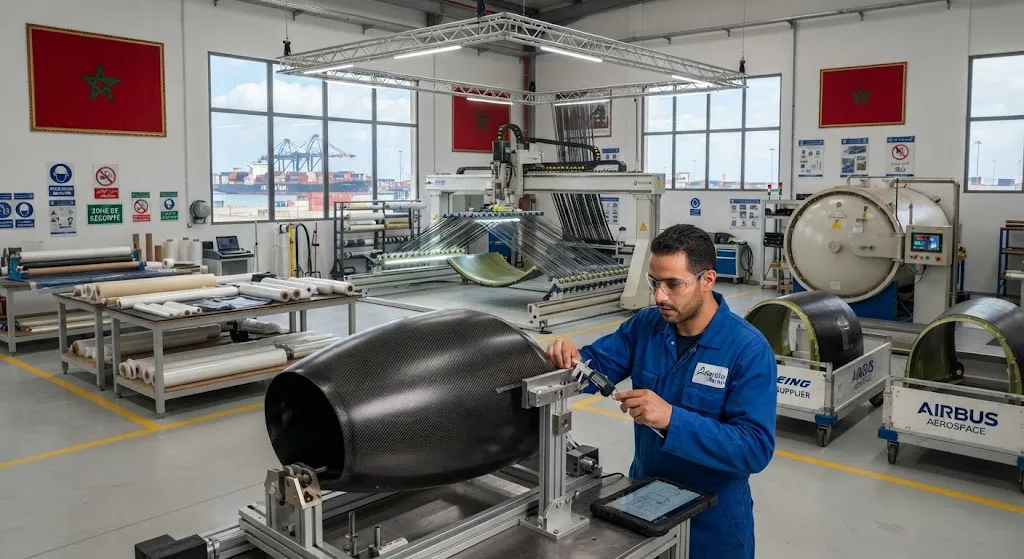
Morocco Carbon Fiber Market: Automotive and Aerospace Manufacturing Hub
Morocco has positioned itself as North Africa's premier carbon fiber composite manufacturing hub, leveraging geographic proximity to European markets, competitive labor costs, and strategic government investment in industrial infrastructure. The country's aerospace and automotive sector
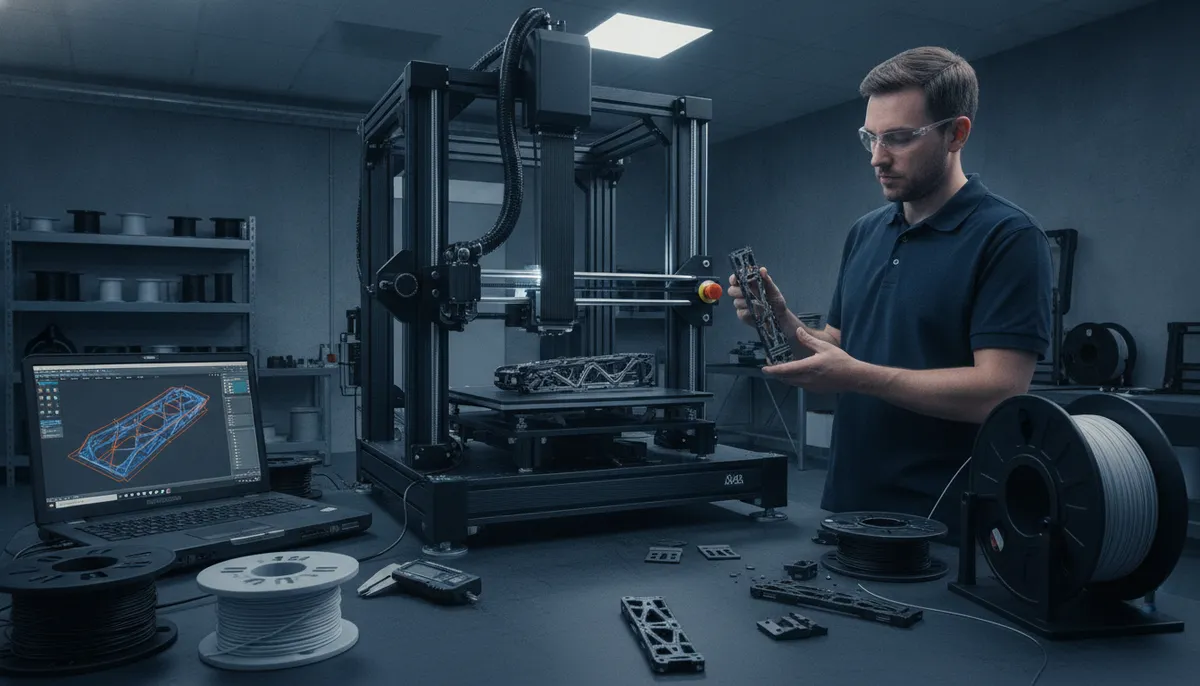
Continuous Carbon Fiber 3D Printing: Additive Manufacturing Routes for Structural Components
Continuous carbon fiber 3D printing has evolved from a prototyping curiosity to a legitimate manufacturing technology for structural composite components. Unlike chopped-fiber-filled filaments that provide only modest stiffness improvements over neat polymer, continuous fiber systems em