
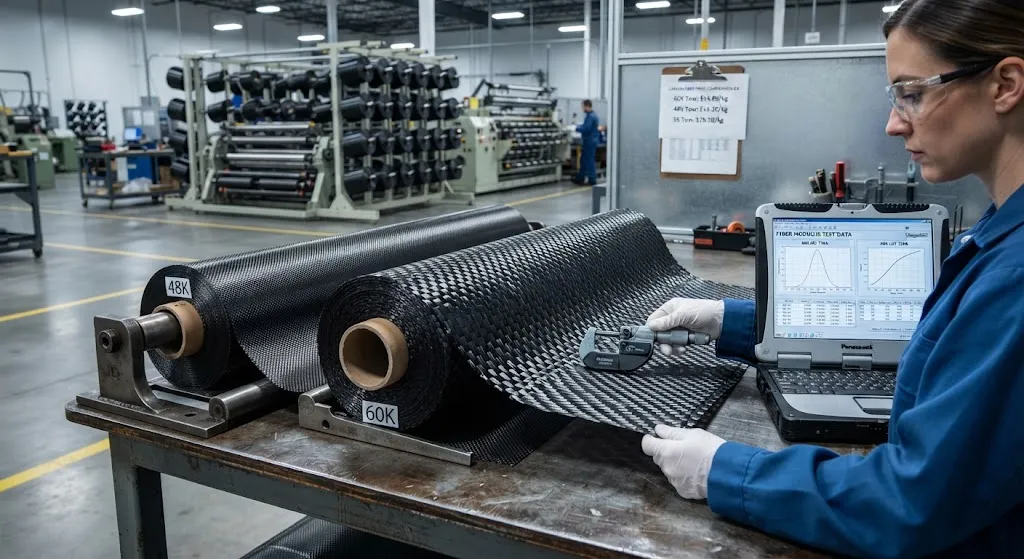
Large-tow carbon fiber — defined as carbon fiber with more than 24,000 filaments per tow (24K) — has emerged as the cost-competitive alternative to standard tow sizes for applications where mechanical performance requirements are moderate but volume demands are high. The 48K and 60K tow sizes repres
Introduction
Large-tow carbon fiber — defined as carbon fiber with more than 24,000 filaments per tow (24K) — has emerged as the cost-competitive alternative to standard tow sizes for applications where mechanical performance requirements are moderate but volume demands are high. The 48K and 60K tow sizes represent the current mainstream configurations for large-tow carbon fiber, offering a balance between cost, processability, and mechanical properties that makes them attractive for wind turbine spar caps, hydrogen storage tanks, and industrial composite structures.
The economics of large-tow carbon fiber are fundamentally different from standard tow (3K-12K) or intermediate tow (18K-24K) grades. Large-tow fiber trades some mechanical properties — particularly tensile strength and strain-to-failure — for significantly lower production cost per kilogram. For wind energy, where carbon fiber spar caps consume 60-70% of global large-tow production, the cost-per-stiffness metric (cost per unit of flexural modulus) is the primary procurement driver. This article examines how 48K and 60K large-tow fibers compare on cost, properties, and application suitability to help buyers make informed procurement decisions.
Part of topic
Related Articles
- Bio-Based Carbon Fiber Precursors: Lignin and Polyethylene for Low-Cost Production
- Carbon Fiber-Resin Interface Bonding: Surface Treatment and Coupling Agent Optimization
- Digital Twin for Carbon Fiber Manufacturing: Real-Time Process Monitoring and Defect Prevention
- Thermoplastic Carbon Fiber Welding for Automotive: Ultrasonic and Induction Welding Process Windows
- Large-Tow Carbon Fiber Wet Spinning: Process Optimization for 48K/60K Production Efficiency
- 3D Printing with Continuous Carbon Fiber: FDM/FFF Process Parameters and Mechanical Properties
Interested in Our Products?
Contact our team for competitive pricing and technical specifications.
Get a QuoteRelated Products
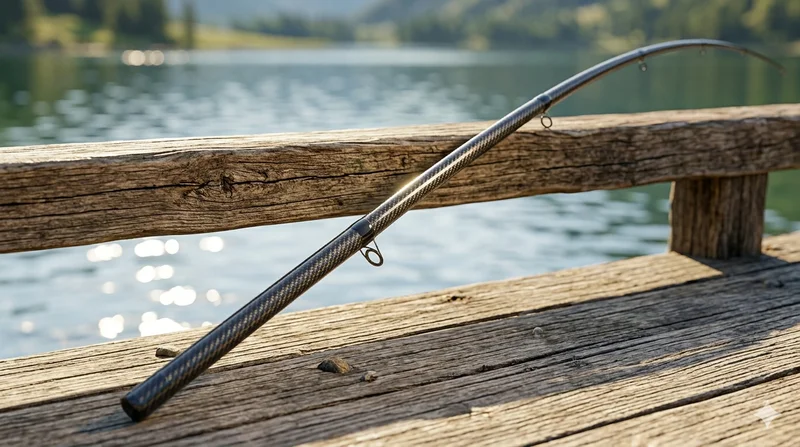
Carbon Fiber Fishing Rod Blank
High-quality carbon fiber fishing rod blank manufactured from multiple grades of Toray carbon fiber cloth. Available in a wide range of lengths, powers, and actions for freshwater and saltwater applications. Suitable for OEM rod building.
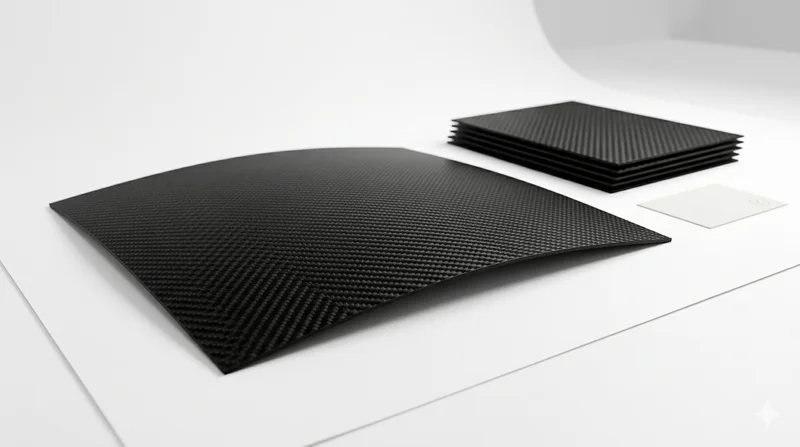
Carbon Fiber Plate — 3K Twill T700 1.5mm
Thin 1.5mm carbon fiber plate with 3K twill weave surface. Lightweight and stiff, commonly used for covers, panels, drone bodies, and applications requiring a premium aesthetic appearance.
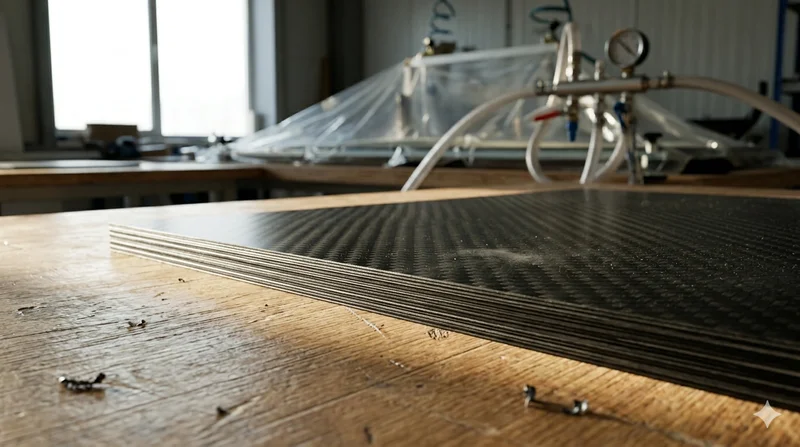
Carbon Fiber Plate — 3K Twill T700 3.0mm
Medium-thickness 3.0mm carbon fiber plate offering significantly higher load capacity while maintaining attractive 3K twill finish. Suitable for structural brackets, reinforcement plates, and load-bearing panels.
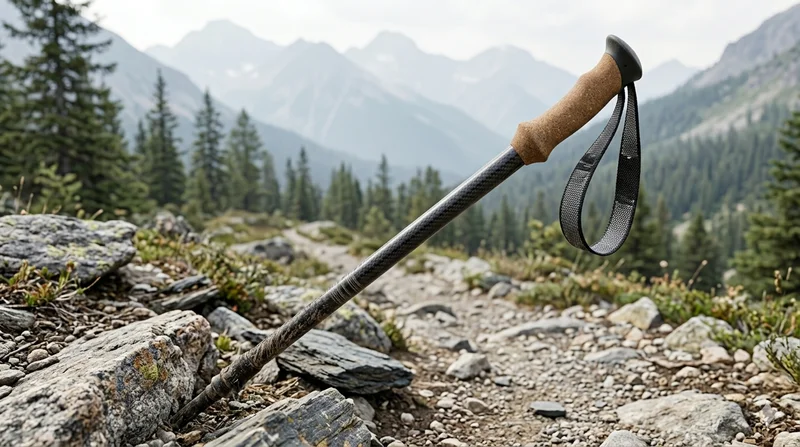
Carbon Fiber Trekking Pole
Lightweight carbon fiber trekking pole manufactured from high-grade carbon fiber tube. Weighs only 160g per pole while providing superior shock absorption and durability for hiking, trail running, and backpacking.
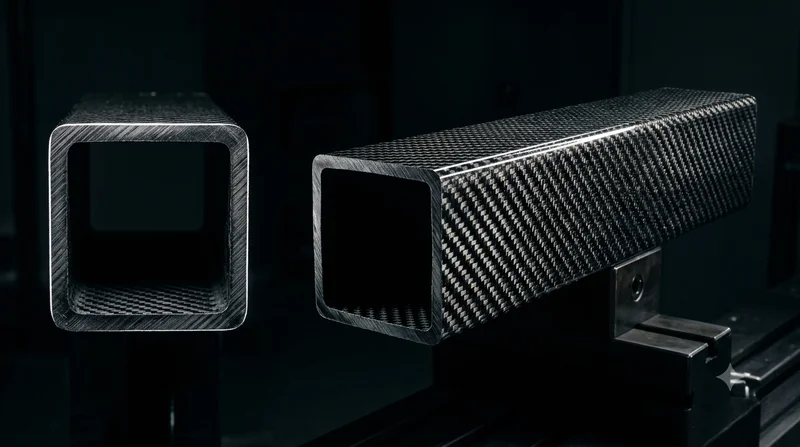
Square Carbon Fiber Tube — 3K Twill T700
Square cross-section carbon fiber tube manufactured with 3K twill weave for torsional strength. Preferred for structural frames, trusses, and support columns where rectangular geometry offers design flexibility.