
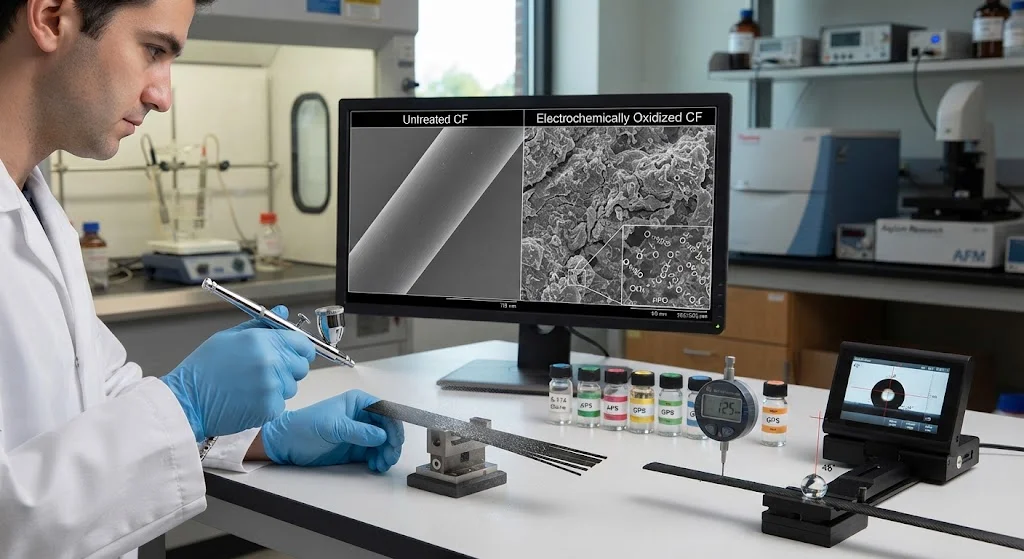
The interface between carbon fiber and the polymer matrix is arguably the most critical region in a composite material. While carbon fibers provide exceptional tensile strength and stiffness, the fiber-matrix interface must efficiently transfer loads between these phases to realize the
Introduction
The interface between carbon fiber and the polymer matrix is arguably the most critical region in a composite material. While carbon fibers provide exceptional tensile strength and stiffness, the fiber-matrix interface must efficiently transfer loads between these phases to realize the composite's full mechanical potential. A weak interface leads to premature failure through fiber pull-out and delamination, while an optimally engineered interface maximizes strength, toughness, and fatigue resistance. This article examines the science and engineering of carbon fiber-resin interface bonding, covering surface treatment methods, coupling agent chemistry, and practical optimization strategies for different composite applications.
Carbon fiber surface chemistry is fundamentally different from glass fiber or aramid fiber. The inert, graphitic surface of untreated carbon fiber has low surface energy (typically 20-30 mJ/m²) and limited reactive sites for chemical bonding with polymer matrices. This inherent inertness necessitates surface treatment to create a chemically active and physically rough surface that promotes strong interfacial adhesion. The challenge is balancing surface treatment intensity — enough treatment to ensure good bonding without degrading the fiber's intrinsic mechanical properties.
Carbon Fiber Surface Chemistry and Characterization
Understanding the carbon fiber surface is essential for optimizing interface bonding. Key surface characteristics include:
- Surface energy: Untreated carbon fiber has low surface energy (20-30 mJ/m²) compared to glass fiber (50-70 mJ/m²). Surface treatments increase surface energy to 40-60 mJ/m², improving wettability and adhesion with polymer resins.
- Surface functional groups: Oxidative treatments introduce carboxyl (-COOH), hydroxyl (-OH), carbonyl (C=O), and amine (-NH₂) groups that provide chemical bonding sites with reactive树脂 systems.
- Surface topography: Roughness at the nanometer to micrometer scale increases mechanical interlocking between fiber and matrix, contributing to interfacial shear strength.
- Crystallinity and graphitization: The degree of graphitization affects surface reactivity — highly graphitized fibers are more chemically inert and require more aggressive surface treatment.
Surface characterization techniques used to evaluate fiber surface properties include X-ray photoelectron spectroscopy (XPS) for chemical composition, atomic force microscopy (AFM) for surface topography, contact angle measurement for surface energy, and dynamic mechanical analysis (DMA) for interfacial adhesion assessment.
Surface Treatment Methods
Several surface treatment methods are commercially practiced to enhance carbon fiber-resin bonding. The choice depends on fiber type, matrix system, and performance requirements:
| Treatment Method | Mechanism | Advantages | Limitations |
|---|---|---|---|
| Electrochemical oxidation | Anodic treatment in electrolyte solution | Controllable, scalable, uniform treatment | Requires electrolyte management, potential fiber damage |
| Plasma treatment | Gas-phase radical reactions | Dry process, no chemical waste, selective functionalization | Batch process, equipment cost, treatment uniformity |
| Chemical oxidation | Wet chemical treatment (nitric acid, etc.) | Simple equipment, proven process | Environmental concerns, fiber strength reduction |
| Thermal treatment | Controlled oxidation in air or ozone | Dry process, continuous operation | High temperature required, limited functionalization |
| Sizing application | Polymer coating during manufacturing | Protects fiber, improves handling, tailored adhesion | Sizing must be compatible with matrix system |
Electrochemical oxidation is the most widely used industrial process, accounting for over 80% of commercial carbon fiber surface treatment. The process involves passing fiber through an electrolyte bath (typically dilute sulfuric acid or sodium hydroxide) while applying controlled electrical current. Treatment intensity is monitored by surface energy measurements or electrochemical impedance spectroscopy, with typical treatment levels increasing fiber surface energy by 50-100%.
Coupling Agent Chemistry and Selection
Coupling agents are bifunctional molecules that create chemical bridges between the carbon fiber surface and the polymer matrix. The most common coupling agent families for carbon fiber composites include:
- Silane coupling agents: Organofunctional silanes (γ-aminopropyltriethoxysilane, γ-glycidoxypropyltrimethoxysilane) bond to hydroxyl groups on treated fiber surfaces through siloxane linkages, while the organofunctional group reacts with the polymer matrix. Silanes are particularly effective with epoxy and vinyl ester matrices.
- Titanate and zirconate coupling agents: These organometallic compounds form chelate bonds with surface hydroxyl groups and organofunctional groups that interact with the matrix. They are effective with a wider range of matrices, including polyolefins and polyesters.
- Phosphoric acid coupling agents: Phosphate esters form strong bonds with metal oxides and treated fiber surfaces, providing excellent adhesion with epoxy and phenolic matrices.
- Isocyanate coupling agents: Reactive isocyanate groups form urethane linkages with hydroxyl groups on fiber surfaces and react with amine or hydroxyl groups in the matrix, creating strong covalent bonds.
Coupling agent selection depends on the specific fiber surface chemistry, matrix reactivity, and processing conditions. The optimal coupling agent concentration is typically 0.5-2.0% by weight of fiber, applied through dipping, spraying, or integral blending during fiber manufacturing.
Interface Optimization Strategies
Optimizing the carbon fiber-resin interface requires a systematic approach that considers fiber treatment, coupling agent selection, matrix modification, and processing parameters:
- Fiber treatment optimization: Balancing treatment intensity to achieve maximum surface functionality without significant fiber strength degradation. Typical treatment reduces fiber tensile strength by 5-15%, which must be accounted for in composite design.
- Coupling agent application: Optimizing coupling agent concentration, application method, and curing conditions to maximize interfacial bond strength without creating brittle interphase regions.
- Matrix modification: Adding reactive diluents, toughening agents, or adhesion promoters to the matrix formulation to improve compatibility with the treated fiber surface.
- Processing optimization: Controlling temperature, pressure, and cure cycle to ensure adequate resin flow, fiber wetting, and interfacial bond formation without creating voids or residual stresses.
Interfacial shear strength (IFSS) is the primary metric for evaluating interface quality, typically measured by single-fiber pull-out tests or microdroplet tests. IFSS values for optimized carbon fiber/epoxy interfaces typically range from 60-90 MPa, compared to 30-50 MPa for untreated fiber interfaces. The improvement in IFSS directly translates to enhanced composite mechanical properties, particularly interlaminar shear strength, compression strength, and fatigue life.
Characterization and Testing Methods
Comprehensive interface characterization requires multiple testing methods to evaluate different aspects of fiber-matrix adhesion:
- Single-fiber pull-out test: Measures the force required to pull a single fiber from a matrix droplet, providing direct IFSS measurement. Requires careful specimen preparation and alignment.
- Microdroplet test: Similar to pull-out but with smaller matrix droplets, providing more consistent results for high IFSS systems.
- Fragmentation test: Loads a single fiber in tension until fragmentation occurs, with IFSS calculated from fragment length and fiber properties.
- Interlaminar shear strength (ILSS): Short-beam shear test measures composite-level interface quality, with results correlated to fiber-matrix adhesion.
- Mode I and Mode II fracture toughness: Double cantilever beam and end-notched flexure tests measure crack propagation resistance at the interface, critical for damage tolerance.
Surface analysis techniques complement mechanical testing by providing chemical and physical characterization of the fiber surface before and after treatment. XPS provides quantitative chemical composition data, while AFM and scanning electron microscopy (SEM) reveal surface topography and morphology changes induced by treatment.
Industrial Applications and Case Studies
Interface optimization has demonstrated significant performance improvements across various carbon fiber composite applications:
- Aerospace structures: Optimized interfaces in primary aircraft structures improve fatigue life by 30-50% and interlaminar fracture toughness by 40-60%, enabling weight reduction through thinner laminates.
- Automotive components: High-volume automotive applications require interfaces that maintain properties after paint bake cycles (180°C for 30 minutes) and environmental aging, driving development of hydrothermally stable coupling agents.
- Wind energy blades: Large wind turbine blade structures benefit from optimized interfaces that improve fatigue resistance under cyclic loading, extending blade service life from 20 to 25+ years.
- Sporting goods: High-performance sporting equipment (bicycles, golf clubs, tennis rackets) relies on optimized interfaces for maximum strength-to-weight ratio and impact resistance.
Recent advances in interface engineering include nanostructured surface treatments (carbon nanotubes, graphene oxide grafting), bio-inspired adhesion strategies (mussel-inspired catechol chemistry), and multiscale reinforcement approaches that bridge the fiber-matrix interface with nanoscale fillers.
Frequently Asked Questions
How does carbon fiber surface treatment affect fiber strength?
Carbon fiber surface treatment typically reduces fiber tensile strength by 5-15%, depending on treatment intensity. The reduction occurs because oxidative treatments create surface pits and defects that act as stress concentrators. However, the improvement in interfacial adhesion more than compensates for this reduction in composite applications, as the optimized interface allows more efficient load transfer and delays failure initiation. The net effect on composite properties is strongly positive, with ILSS improvements of 50-100% typical for optimized treatment levels.
What is the optimal coupling agent concentration for carbon fiber composites?
The optimal coupling agent concentration typically ranges from 0.5-2.0% by weight of fiber, depending on the specific coupling agent and matrix system. Below 0.5%, insufficient surface coverage limits adhesion improvement. Above 2.0%, excess coupling agent can create a brittle interphase layer that reduces composite toughness. The optimal concentration is determined experimentally through IFSS testing at multiple concentration levels, with the peak IFSS value indicating the optimum.
Can the same surface treatment be used for all matrix systems?
No, surface treatment must be matched to the specific matrix chemistry. Epoxy matrices benefit from treatments that introduce carboxyl and hydroxyl groups, while polyamide matrices respond better to treatments that create amine-functionalized surfaces. Polyester and vinyl ester matrices require different surface functional groups than thermoplastic matrices like PEEK or polypropylene. Coupling agent selection must also be matrix-specific, as the organofunctional group must be reactive with the matrix chemistry.
How do you measure interfacial shear strength in practice?
Interfacial shear strength (IFSS) is measured using single-fiber pull-out tests, microdroplet tests, or fragmentation tests. The pull-out test embeds a single fiber in a matrix block and measures the force required to extract it. The microdroplet test uses small matrix droplets on single fibers, providing more consistent results for high-IFSS systems. Fragmentation tests load single fibers in tension until fragmentation occurs, with IFSS calculated from fragment length. All methods require careful specimen preparation and alignment for accurate results.
Conclusion
The carbon fiber-resin interface is the critical performance determinant in composite materials, and its optimization through surface treatment and coupling agent engineering is essential for realizing the full potential of carbon fiber reinforcement. Surface treatments increase fiber surface energy and introduce reactive functional groups, while coupling agents create chemical bridges between fiber and matrix. The combination of optimized surface treatment, appropriate coupling agent selection, and careful processing control yields interfaces with interfacial shear strengths of 60-90 MPa, enabling composites with superior strength, toughness, and fatigue resistance.
For composite manufacturers seeking to optimize their carbon fiber-resin interfaces, understanding the interplay between surface chemistry, coupling agent selection, and processing parameters is essential. Explore our carbon fiber product range or contact our engineering team for guidance on interface optimization for your specific application.
Part of topic
Related Articles
- Bio-Based Carbon Fiber Precursors: Lignin and Polyethylene for Low-Cost Production
- Large-Tow Carbon Fiber Cost Analysis: 48K vs 60K Price-Performance Comparison
- Digital Twin for Carbon Fiber Manufacturing: Real-Time Process Monitoring and Defect Prevention
- Thermoplastic Carbon Fiber Welding for Automotive: Ultrasonic and Induction Welding Process Windows
- Large-Tow Carbon Fiber Wet Spinning: Process Optimization for 48K/60K Production Efficiency
- 3D Printing with Continuous Carbon Fiber: FDM/FFF Process Parameters and Mechanical Properties
Interested in Our Products?
Contact our team for competitive pricing and technical specifications.
Get a QuoteRelated Products
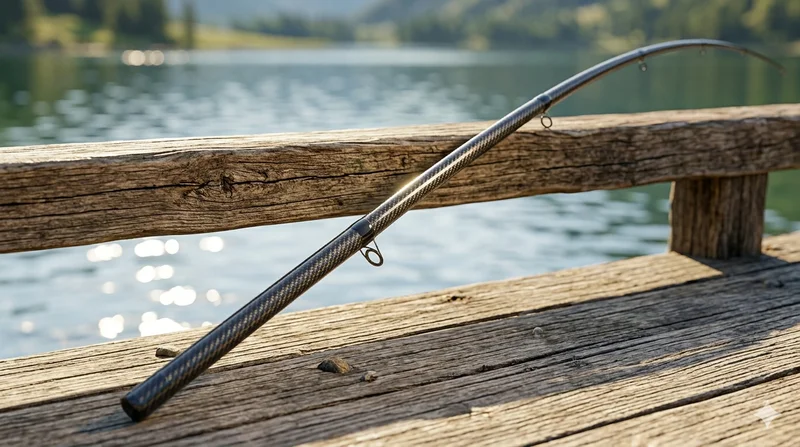
Carbon Fiber Fishing Rod Blank
High-quality carbon fiber fishing rod blank manufactured from multiple grades of Toray carbon fiber cloth. Available in a wide range of lengths, powers, and actions for freshwater and saltwater applications. Suitable for OEM rod building.
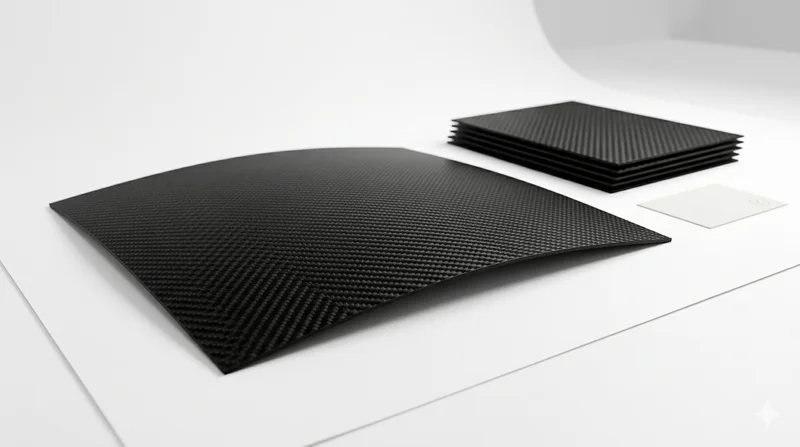
Carbon Fiber Plate — 3K Twill T700 1.5mm
Thin 1.5mm carbon fiber plate with 3K twill weave surface. Lightweight and stiff, commonly used for covers, panels, drone bodies, and applications requiring a premium aesthetic appearance.
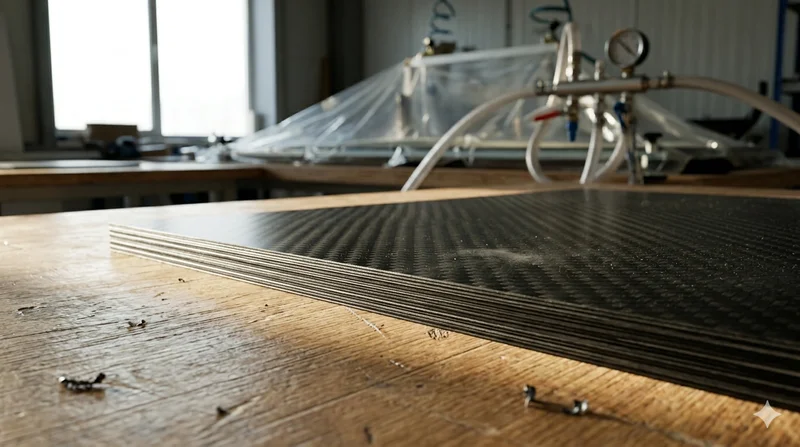
Carbon Fiber Plate — 3K Twill T700 3.0mm
Medium-thickness 3.0mm carbon fiber plate offering significantly higher load capacity while maintaining attractive 3K twill finish. Suitable for structural brackets, reinforcement plates, and load-bearing panels.
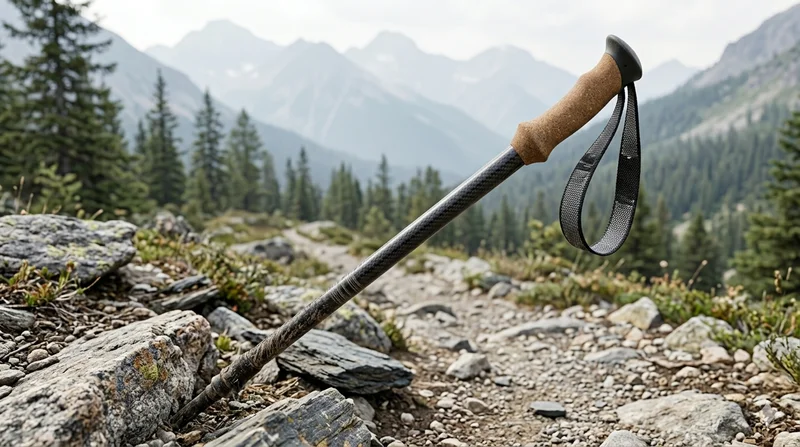
Carbon Fiber Trekking Pole
Lightweight carbon fiber trekking pole manufactured from high-grade carbon fiber tube. Weighs only 160g per pole while providing superior shock absorption and durability for hiking, trail running, and backpacking.
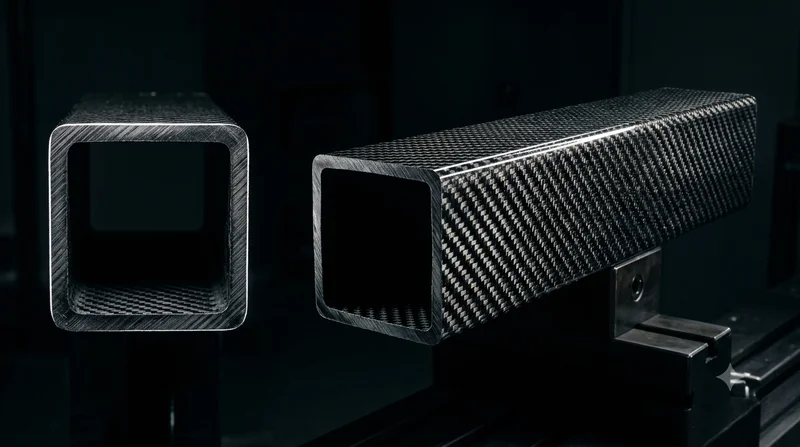
Square Carbon Fiber Tube — 3K Twill T700
Square cross-section carbon fiber tube manufactured with 3K twill weave for torsional strength. Preferred for structural frames, trusses, and support columns where rectangular geometry offers design flexibility.