
Large-tow carbon fiber — defined as tows containing 48,000 to 60,000 individual filaments — represents the cost-performance frontier of the carbon fiber industry. While aerospace-grade carbon fiber uses 3K-12K tows for optimal fiber alignment and surface finish, large-tow products targe
Introduction
Large-tow carbon fiber — defined as tows containing 48,000 to 60,000 individual filaments — represents the cost-performance frontier of the carbon fiber industry. While aerospace-grade carbon fiber uses 3K-12K tows for optimal fiber alignment and surface finish, large-tow products target the rapidly growing industrial markets where cost per kilogram dominates purchasing decisions: wind turbine blade spar caps, hydrogen Type IV pressure vessels, automotive structural components, and construction reinforcement. Wet spinning remains the dominant production method for these large-tow products, accounting for approximately 70% of global PAN-based carbon fiber production.
The wet spinning process transforms polyacrylonitrile (PAN) precursor solution into solid fiber through coagulation, drawing, and stabilization — each stage presenting specific optimization challenges when scaled to 48K and 60K tow formats. This article provides a detailed analysis of the wet spinning process chain for large-tow production, quantifies the critical process parameters that govern mechanical properties and production throughput, and reviews the optimization strategies that production facilities employ to achieve cost targets below $12 per kilogram for standard-modulus large-tow carbon fiber.
The Wet Spinning Process Chain for Large-Tow Carbon Fiber
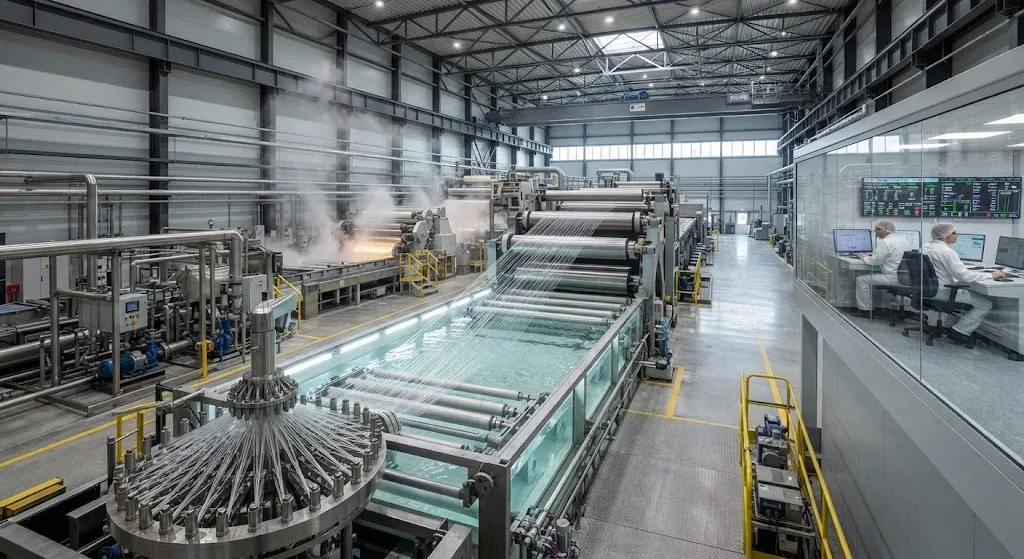
The wet spinning process for large-tow carbon fiber follows a sequential chain, with each stage influencing the final fiber properties and production economics:
- PAN solution preparation: Polyacrylonitrile copolymer is dissolved in dimethyl sulfoxide (DMSO) or sodium thiocyanate (NaSCN) solvent to produce a spinning dope with 18-25% solids content. For large-tow production, higher dope concentrations (22-25%) are preferred to reduce solvent recovery costs and increase throughput, but must be balanced against solution viscosity limits that affect filament uniformity.
- Spinneret extrusion: The dope is pumped through spinnerets containing 48,000-60,000 capillaries (for 48K/60K tows) at pressures of 20-40 bar. Capillary diameter (30-50 µm) and length-to-diameter ratio (3:1 to 5:1) govern shear rate and filament diameter uniformity. Large spinnerets require precise temperature control (60-80°C) to maintain consistent dope viscosity across the full capillary array.
- Coagulation bath: Extruded filaments enter a water/solvent coagulation bath at 20-40°C where solvent diffusion out of the filaments initiates solidification. Bath concentration (typically 40-60% solvent), temperature, and residence time (30-120 seconds) control the rate of solvent exchange and the resulting fiber skin-core morphology. For large-tow tows, uniform coagulation across the full tow cross-section is the primary process challenge.
- Washing and drawing: After coagulation, tows pass through hot water washing stages (70-95°C) to remove residual solvent, followed by multi-stage hot water or steam drawing at 95-180°C. Drawing ratios of 8-12x align PAN molecular chains along the fiber axis, increasing tensile modulus. For large-tow production, maintaining uniform draw ratio across all 48K-60K filaments requires careful tension control at each godet stage.
- Surface treatment and sizing: Drawn fibers undergo electrochemical surface treatment to introduce oxygen-containing functional groups that improve fiber-matrix adhesion, followed by sizing application (typically epoxy-compatible sizing at 0.5-1.5% pick-up). For large-tow products destined for wind energy and hydrogen markets, sizing chemistry must be optimized for compatibility with epoxy, vinyl ester, and thermoplastic resin systems.
Critical Process Parameters for 48K vs 60K Tows
The transition from 48K to 60K tow format introduces specific process parameter challenges that directly impact production yield and fiber quality:
| Parameter | 48K Tow | 60K Tow | Optimization Impact |
|---|---|---|---|
| Spinneret capillary count | 48,000 | 60,000 | 25% more capillaries per spinneret — higher throughput but tighter temperature uniformity requirement (±1°C vs ±2°C) |
| Dope flow rate (kg/hr) | 80-120 | 100-150 | 25% throughput increase; requires proportionally larger coagulation bath and washing capacity |
| Coagulation bath uniformity | Good with standard agitation | Critical — requires multi-zone or counter-current design | Uneven coagulation causes skin-core defects; 60K requires 15-20% longer residence time |
| Drawing tension uniformity | Variation <5% across tow width | Variation <3% required | Higher filament count amplifies tension distribution errors; precision godet control essential |
| Target tensile strength (MPa) | 3,800-4,200 | 3,600-4,000 | 60K typically 5-8% lower strength due to slightly lower draw efficiency; acceptable for industrial applications |
| Surface treatment current density | 1.5-2.5 A/m² | 1.8-3.0 A/m² | Higher filament count requires proportionally higher total current; anode design must handle increased gas evolution |
Coagulation Optimization: The Key to Large-Tow Quality
Coagulation is the single most influential process step for large-tow carbon fiber quality. The rate of solvent diffusion from the PAN filament into the coagulation bath determines the fiber's internal structure — a slow, controlled coagulation produces uniform, void-free filaments while rapid coagulation traps solvent in the fiber core, creating defects that reduce final tensile strength by 10-20%.
Production facilities employ several strategies to optimize coagulation for large-tow formats:
- Multi-zone coagulation baths: Sequential baths with decreasing solvent concentration (from 60% to 20%) provide a controlled diffusion gradient, reducing thermal shock and solvent entrapment. This is the standard approach for 48K and 60K production lines.
- Counter-current flow design: Fresh solvent-poor water enters at the downstream end of the coagulation zone, maintaining a consistent concentration gradient along the bath length. This improves coagulation uniformity across the full tow width.
- Bath temperature profiling: Lower temperatures at bath entry (20-25°C) slow initial coagulation and skin formation, allowing more uniform solvent removal from the filament core. Gradual temperature increase through the bath maintains diffusion rate as solvent concentration decreases.
Throughput and Cost-per-Kilogram Economics
The economic case for large-tow wet spinning centers on throughput density and cost per kilogram of finished carbon fiber. A typical large-tow production line processes 200-400 kg of carbon fiber per day, compared to 50-100 kg for standard 12K aerospace tow lines. The cost breakdown for industrial-grade 48K carbon fiber (standard modulus, 3,800 MPa tensile strength) at current production scales:
- PAN precursor: 40-45% of total cost ($4.50-5.50/kg) — the largest single cost driver. PAN precursor price directly tracks acrylonitrile feedstock costs, which fluctuate with petrochemical markets.
- Energy (electricity + steam): 15-20% of total cost ($1.80-2.40/kg) — drawing and stabilization are energy-intensive. Optimization of draw ratio and stabilization temperature profiles provides the most direct energy cost reduction.
- Solvent recovery: 8-12% of total cost ($1.00-1.50/kg) — DMSO or NaSCN recovery efficiency must exceed 99.5% for economic viability. Modern recovery systems use multi-effect evaporation and membrane filtration.
- Capital depreciation: 10-15% of total cost ($1.20-1.80/kg) — large-tow lines require $30-60 million capital investment, with payback periods of 4-6 years at full utilization.
- Surface treatment and sizing: 5-8% of total cost ($0.60-1.00/kg) — chemistry and application optimization can reduce sizing consumption without compromising fiber-matrix adhesion.
Quality Control for Large-Tow Production
Large-tow carbon fiber production requires adapted quality control protocols. Single-filament tensile testing (per ISO 11566) provides statistical characterization of strength distribution across the full tow, with acceptance criteria typically requiring coefficient of variation below 5% for tensile strength. Inline monitoring systems measure tow tension, diameter uniformity, and surface treatment current in real time, enabling process adjustments before off-specification material accumulates. For wind energy and hydrogen applications, fiber-matrix interface testing (single-fiber fragmentation or pull-out testing) validates sizing effectiveness at the production scale.
Frequently Asked Questions
What is the difference between large-tow (48K/60K) and standard-tow (12K) carbon fiber in terms of properties?
Large-tow carbon fiber (48K-60K) typically exhibits 5-15% lower tensile strength and 5-10% lower modulus compared to standard 12K tow produced from the same precursor grade, primarily due to slightly less uniform drawing and surface treatment across the larger filament bundle. For industrial applications — wind blade spar caps, hydrogen pressure vessels, automotive structures — these property reductions are acceptable because designs are stiffness-driven or use safety factors that accommodate the property range. The cost advantage is substantial: large-tow products are 30-40% cheaper per kilogram than standard-tow equivalents, making them the preferred choice for high-volume industrial markets.
How does wet spinning compare to dry-jet wet spinning for large-tow carbon fiber?
Dry-jet wet spinning (also called air-gap spinning) introduces a small air gap (5-30 mm) between the spinneret and coagulation bath, allowing additional molecular orientation before solidification. For large-tow formats, dry-jet wet spinning can achieve 5-10% higher tensile strength at equivalent draw ratios, but at the cost of more complex process control and lower throughput (tighter spinneret-to-bath distance tolerance). Most large-tow production facilities use conventional wet spinning because the cost advantage outweighs the modest property improvement for industrial applications. Dry-jet wet spinning is preferred when targeting higher-modulus grades or when precursor quality limits conventional wet spinning performance.
What are the main challenges in scaling from 48K to 60K tow production?
The primary challenges are coagulation uniformity and drawing tension distribution. With 60,000 filaments in a single tow, the innermost filaments coagulate more slowly than outer filaments due to reduced solvent diffusion access, creating property gradients across the tow cross-section. This is mitigated by multi-zone coagulation baths and extended residence times (15-20% longer than 48K). Drawing tension must be uniform within ±3% across the full 60K tow width to prevent filament breakage and maintain consistent modulus; this requires precision godet speed control and tension monitoring at each draw stage. Despite these challenges, 60K tow production is now well-established in facilities that have successfully run 48K lines for 3+ years.
Conclusion
Large-tow carbon fiber wet spinning at 48K and 60K tow formats has matured into a high-throughput, cost-effective production method that supplies the rapidly growing wind energy, hydrogen storage, and automotive composite markets. Process optimization — particularly in coagulation uniformity, drawing tension control, and solvent recovery — directly determines the cost-per-kilogram and mechanical property consistency that industrial buyers require. As production volumes continue to scale and precursor costs stabilize, large-tow carbon fiber is positioned to close the cost gap with glass fiber in performance-critical industrial applications.
For carbon fiber producers and procurement teams evaluating large-tow wet spinning technology, the key considerations are precursor quality requirements, coagulation system design for target tow formats, and the balance between property optimization and throughput economics. Browse our large-tow carbon fiber product range, including 48K and 60K standard-modulus grades for wind energy and industrial applications, or contact our technical team to discuss production process optimization and material specifications for your application.
Part of topic
Related Articles
- Bio-Based Carbon Fiber Precursors: Lignin and Polyethylene for Low-Cost Production
- Large-Tow Carbon Fiber Cost Analysis: 48K vs 60K Price-Performance Comparison
- Carbon Fiber-Resin Interface Bonding: Surface Treatment and Coupling Agent Optimization
- Digital Twin for Carbon Fiber Manufacturing: Real-Time Process Monitoring and Defect Prevention
- Thermoplastic Carbon Fiber Welding for Automotive: Ultrasonic and Induction Welding Process Windows
- 3D Printing with Continuous Carbon Fiber: FDM/FFF Process Parameters and Mechanical Properties
Interested in Our Products?
Contact our team for competitive pricing and technical specifications.
Get a QuoteRelated Products
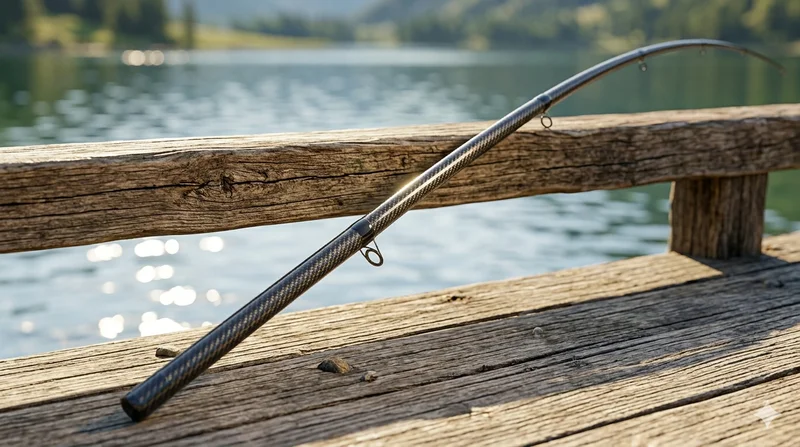
Carbon Fiber Fishing Rod Blank
High-quality carbon fiber fishing rod blank manufactured from multiple grades of Toray carbon fiber cloth. Available in a wide range of lengths, powers, and actions for freshwater and saltwater applications. Suitable for OEM rod building.

Carbon Fiber Plate — 3K Twill T700 1.5mm
Thin 1.5mm carbon fiber plate with 3K twill weave surface. Lightweight and stiff, commonly used for covers, panels, drone bodies, and applications requiring a premium aesthetic appearance.
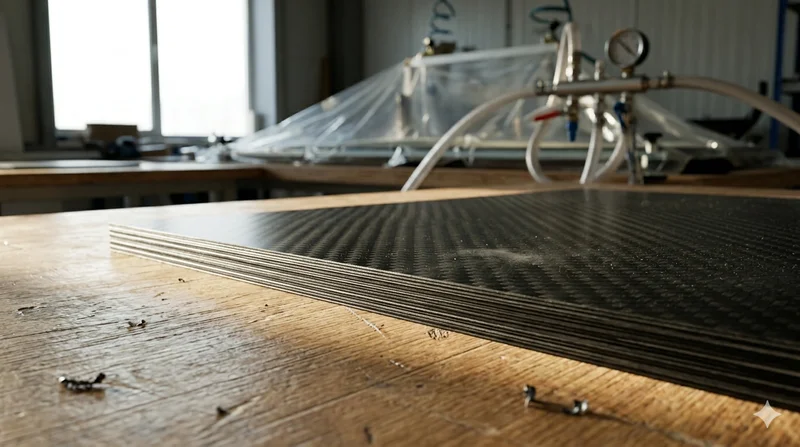
Carbon Fiber Plate — 3K Twill T700 3.0mm
Medium-thickness 3.0mm carbon fiber plate offering significantly higher load capacity while maintaining attractive 3K twill finish. Suitable for structural brackets, reinforcement plates, and load-bearing panels.
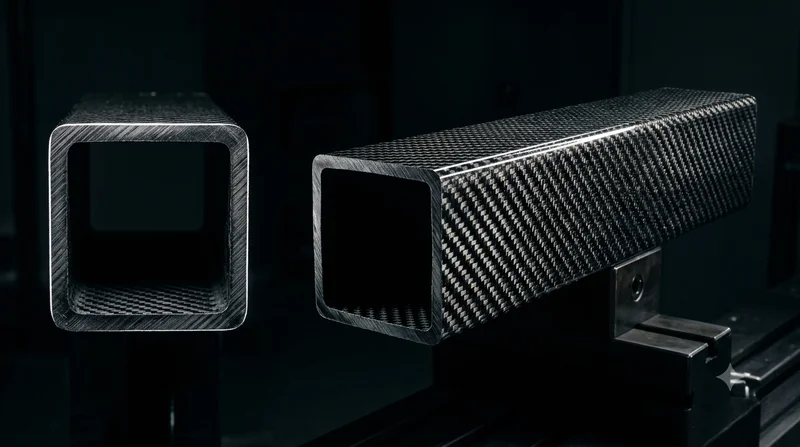
Square Carbon Fiber Tube — 3K Twill T700
Square cross-section carbon fiber tube manufactured with 3K twill weave for torsional strength. Preferred for structural frames, trusses, and support columns where rectangular geometry offers design flexibility.
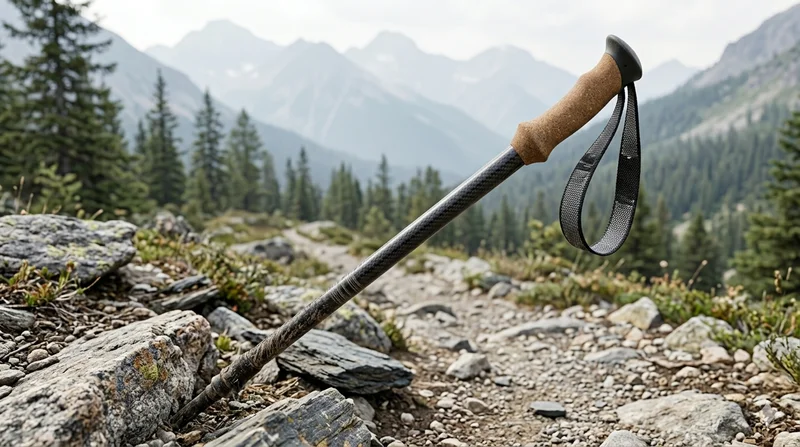
Carbon Fiber Trekking Pole
Lightweight carbon fiber trekking pole manufactured from high-grade carbon fiber tube. Weighs only 160g per pole while providing superior shock absorption and durability for hiking, trail running, and backpacking.