
Truck manufacturers have therefore long looked for weight reduction in the areas where structural margins allow it, and the cab is one of the most attractive targets: it is large, it sits above the aerodynamic flow field, and it does not carry primary chassis loads. Carbon fiber composi
Introduction
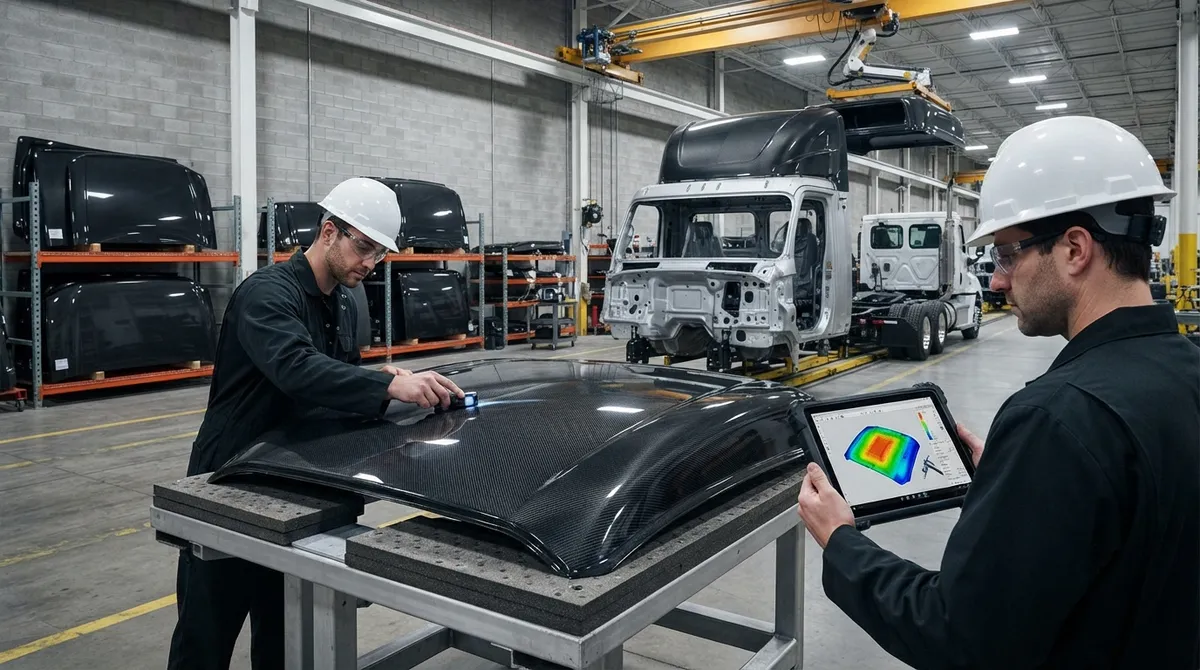
Truck manufacturers have therefore long looked for weight reduction in the areas where structural margins allow it, and the cab is one of the most attractive targets: it is large, it sits above the aerodynamic flow field, and it does not carry primary chassis loads. Carbon fiber composites address both levers at once — cutting cab weight by up to 50% on individual panels while enabling the large, smooth aerodynamic surfaces that reduce highway fuel consumption.
This article explains where carbon fiber earns its keep on heavy-duty cabs, from roof panels and aerodynamic fairings to hoods and interior structures. It covers the payload and fuel economics that drive the business case, the design of fairings that actually reduce drag, and the manufacturing and cost considerations that determine whether a carbon fiber cab program makes sense for a given truck series.
The Weight Reduction Business Case
Weight saved on a truck cab is not a cosmetic improvement — it is money. The economics run through two channels:
- Payload revenue: For trucks operating at legal gross weight limits, every kilogram of structure removed becomes a kilogram of cargo. Over a truck's 8-15 year service life, a 300 kg cab weight reduction can generate tens of thousands of euros or dollars in additional freight revenue, depending on utilization and freight rates.
- Fuel consumption: On a typical long-haul route at highway speeds, each 1,000 kg of vehicle weight adds roughly 1-2% to fuel consumption. The same weight reduction that adds payload also cuts fuel cost across the fleet, and for electric trucks it directly extends range.
- Component downsizing: Lower cab weight reduces the required ratings of suspension, steering, and braking components, allowing further system-level savings that compound the initial panel savings.
- Regulatory margins: Electric and hybrid trucks carry heavy battery packs; cab weight savings are often the margin that lets a battery-electric truck keep a useful payload rating.
For a typical Class 8 tractor, the cab and its fairings account for roughly 1,500-2,500 kg of vehicle weight. A systematic carbon fiber program can remove 30-50% of that, or 500-1,000 kg — a swing large enough to matter in payload competition and fuel budgets alike.
Cab Components: Where Carbon Fiber Fits
Not every cab panel is a good carbon fiber candidate. The best applications are large, low-load, or stiffness-dominated panels where the weight saving is high and the structural risk is low:
| Component | Typical Steel Weight | Carbon Fiber Weight | Weight Saving | Primary Benefit |
|---|---|---|---|---|
| Roof panel | 18-30 kg | 8-14 kg | 45-55% | Low CG, lower noise |
| Wind deflector | 12-20 kg | 5-9 kg | 50-60% | Drag reduction |
| Side fairings | 15-25 kg | 7-12 kg | 50-55% | Drag reduction |
| Hood / bonnet | 20-35 kg | 10-16 kg | 45-55% | Weight + styling |
| Door inner structures | 15-25 kg (pair) | 9-14 kg (pair) | 40-45% | Weight + crash control |
Roof panels and aerodynamic fairings are the most established applications because they are large, single-surface parts where composites' ability to form smooth double-curved shapes is a direct advantage over stamped steel panels that need multiple pieces and joints. Hoods follow closely, benefiting from the styling freedom of a molded surface and a lower cab center of gravity. Door inner structures are more recent, using carbon fiber's controlled energy absorption where crash performance must be engineered rather than assumed.
Aerodynamic Fairings That Actually Reduce Drag
At 80-90 km/h highway speed, aerodynamic drag consumes roughly half of a truck's total power output, and most of that drag comes from the cab region and the trailer gap. Fairings work by managing that flow:
- Roof deflector: A correctly sized roof deflector diverts airflow over the trailer top, reducing the pressure drag of the box and the turbulent wake. Well-designed deflector systems cut drag by 8-15% compared to an unfaired cab.
- Side and chassis fairings: Panels below the cab and along the chassis reduce air churning around the wheels and underbody, trimming another 3-8% of drag on highway runs.
- Gap and cab extension seals: Smooth surfaces behind the cab reduce the recirculation zone between tractor and trailer, which otherwise acts as a moving wall of drag.
- Surface quality: Composite moldings hold tighter surface tolerances and smoother finishes than stamped and bolted steel assemblies, and every millimetre of surface waviness avoided reduces boundary-layer separation and drag.
Because drag scales with the square of speed, the fuel saving from fairings grows steeply with speed: at 90 km/h a 10% drag reduction saves roughly 5-7% fuel on the highway cycle, and the numbers improve for fleets running at higher speeds. Carbon fiber makes the large, smooth, one-piece surfaces possible while keeping the added surface area light enough that the payload penalty stays near zero.
Manufacturing and Cost Considerations
The commercial vehicle industry is cost-sensitive, and carbon fiber cab programs succeed only when the process matches the production volume:
- Process selection: High-pressure resin transfer molding (HP-RTM) and compression molding with sheet molding compound deliver cycle times of 3-10 minutes per part, appropriate for annual volumes in the thousands to tens of thousands. Hand layup and infusion remain viable for low-volume specialty and defense trucks.
- Class-A surface capability: In-mold coating and tooling polish allow painted carbon fiber panels to meet the Class-A surface standards that truck buyers expect, at the cost of careful gel-coat and coating process control.
- Cost per kilogram saved: At current production costs, carbon fiber cab panels typically cost 1.5-3x the steel equivalent per part; the business case closes when the payload and fuel savings exceed the premium over the vehicle's life.
- Repair and ownership: Bolt-on composite panels are repairable by patch and re-coat, and fleet operators need documented repair procedures; the modular panel design common to truck cabs supports this better than monocoque structures.
Hybrid constructions are increasingly common: carbon fiber where weight and stiffness matter most — roofs, deflectors, and structural inner panels — combined with steel or aluminum in the primary crash structure.
Durability and Fleet Service
Trucks operate in a harsher environment than most passenger vehicles: stone impact, road salt, vibration, and UV exposure over millions of kilometers:
- Impact and stone-chip resistance: Paint systems and gel coats with impact modifiers, plus thicker surface layers in the laminate, protect the fibers from stone damage that could otherwise expose them to moisture.
- UV and weathering: Marine-grade paint systems and UV-stabilized clear coats prevent resin degradation and color fade over a decade of outdoor service.
- Corrosion advantage: Unlike steel, carbon fiber does not rust; in salt-belt fleets this eliminates the corrosion patches and repaint cycles that steel cab panels accumulate.
- Fatigue behavior: Composites show excellent fatigue resistance compared to welded steel joints, which are a known failure location in cabs subjected to years of road vibration.
For fleet operators, the practical result is lower maintenance over the vehicle's life, particularly in corrosive climates, provided the panels are painted and finished with systems designed for commercial vehicle exposure.
Frequently Asked Questions
How much fuel can aerodynamic fairings actually save on a heavy-duty truck?
Aerodynamic drag accounts for roughly half of total power demand at highway speeds, and most of it originates around the cab and the tractor-trailer gap. A complete fairing package — roof deflector, side fairings, chassis skirts, and gap seals — typically reduces drag by 12-20% compared with an unfaired cab. At 90 km/h, that translates into roughly 6-11% fuel savings on the highway portion of a route, and the benefit grows with speed because drag scales with the square of velocity. Carbon fiber contributes by allowing large, smooth, single-piece surfaces that hold better tolerances than stamped steel assemblies, keeping the added fairing weight low enough that payload impact is negligible. Fleets running long, steady highway routes see the largest returns.
Are carbon fiber truck cabs crash-safe compared with steel?
Carbon fiber is not inherently less crash-safe than steel — it is different, and it must be engineered deliberately. In modern trucks, the primary crash structure (the cab's frame members and rollover protection) remains steel, while carbon fiber is used for the panels and closures that hang on that structure. This hybrid approach keeps the predictable energy absorption of steel in the crash zone while capturing the weight saving of composites elsewhere. Where carbon fiber is used in structural roles, such as door inner panels, the laminate is designed with energy-absorbing layups and tested to the same ECE R29 and FMVSS 220 rollover and strength standards as steel cabs. Composite crash behavior must be validated by physical testing, not assumed from steel behavior.
Why would a truck maker choose carbon fiber roof panels over stamped steel?
Three reasons combine. First, weight: a carbon fiber roof panel weighs 45-55% less than a steel equivalent, lowering the cab's center of gravity and freeing payload or battery margin. Second, design freedom: a molded composite roof can be a single smooth double-curved surface, eliminating the multiple stamped pieces, joints, and seals that a steel roof needs, improving both aerodynamics and weather sealing. Third, integration: mounting points, cable channels, and antenna pads can be molded into the panel, removing brackets and assembly steps. The costs are material and tooling expense and the need for process control, so the decision is a business case rather than a technical preference — and it closes most readily where payload competition, electric range, or fuel budgets reward every kilogram.
Conclusion
Carbon fiber cab components give truck manufacturers a rare lever that improves payload, fuel economy, and range at the same time. Roof panels and aerodynamic fairings are the proven entry points — large, low-load surfaces where composites' weight saving and smooth one-piece molding deliver immediate returns — and the weight reduction scales into payload revenue and fuel budgets over the truck's working life. The manufacturing choice, between high-volume molding processes and low-volume layup, determines the cost, and hybrid cab constructions let fleets capture most of the benefit at a manageable premium.
For OEMs and commercial vehicle programs evaluating carbon fiber cab components, the key questions are process capability, Class-A surface quality, and documented durability data for the truck environment. Explore our carbon fiber products for molded panel materials and reinforcements suited to commercial vehicle programs, or contact our engineering team to discuss material supply and laminate design for your cab program.
Part of topic
Related Articles
- Carbon Fiber Tube for Sale: Comparing Listings and Avoiding Bad Specs
- Carbon Fiber Engine Parts: High-Temperature Performance for Racing and Performance Vehicles
- Carbon Fiber Body Parts: Automotive Exterior Panels and Structural Components
- Carbon Fiber Drone Body Manufacturing: Monocoque Design and Production Methods
- Carbon Fiber Drone Parts Supplier: FPV Frames, Arms and Structural Components
- Filament Wound Epoxy Tubes: Industrial Applications from Oil and Gas to Aerospace
Interested in Our Products?
Contact our team for competitive pricing and technical specifications.
Get a QuoteRelated Products

Carbon Fiber Plate — 3K Twill T700 1.5mm
Thin 1.5mm carbon fiber plate with 3K twill weave surface. Lightweight and stiff, commonly used for covers, panels, drone bodies, and applications requiring a premium aesthetic appearance.
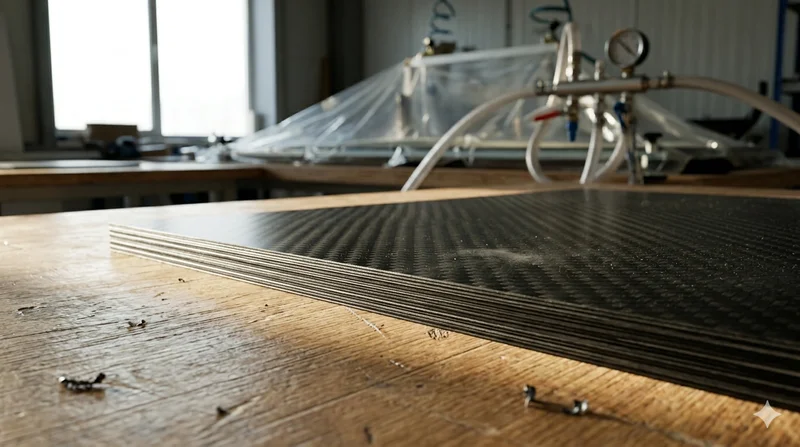
Carbon Fiber Plate — 3K Twill T700 3.0mm
Medium-thickness 3.0mm carbon fiber plate offering significantly higher load capacity while maintaining attractive 3K twill finish. Suitable for structural brackets, reinforcement plates, and load-bearing panels.
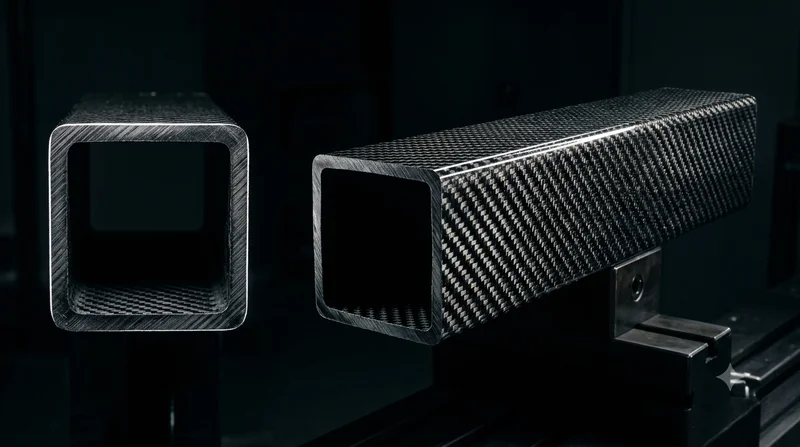
Square Carbon Fiber Tube — 3K Twill T700
Square cross-section carbon fiber tube manufactured with 3K twill weave for torsional strength. Preferred for structural frames, trusses, and support columns where rectangular geometry offers design flexibility.
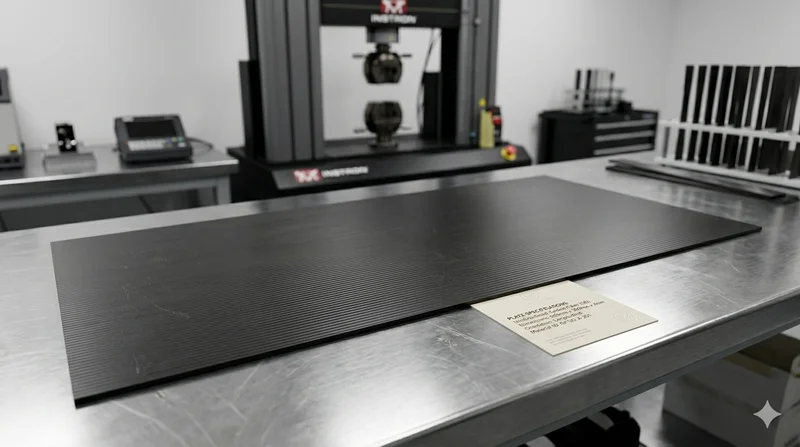
Carbon Fiber Plate — UD Unidirectional T700
Unidirectional carbon fiber plate with all fibers oriented in a single direction for maximum strength along the fiber axis. Essential for structural reinforcements, splints, and applications where load direction is predictable.
Round Carbon Fiber Tube — UD Unidirectional T700
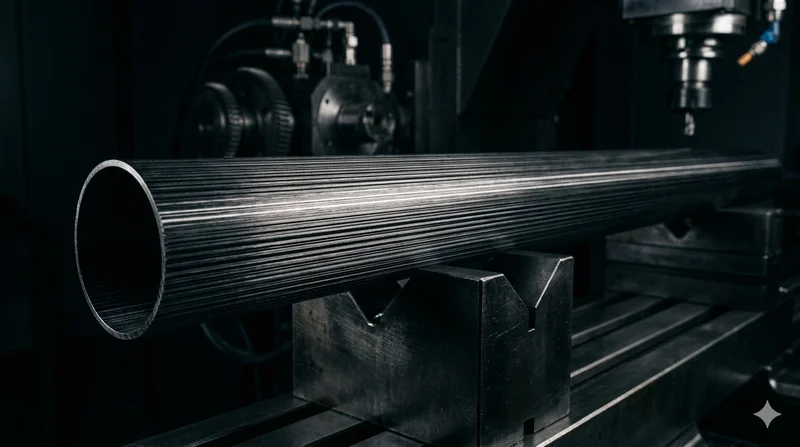
Unidirectional (UD) round tube with all fibers aligned axially for maximum longitudinal stiffness. Ideal for applications requiring high bending rigidity with minimal weight, such as shafts, struts, and structural reinforcements.