
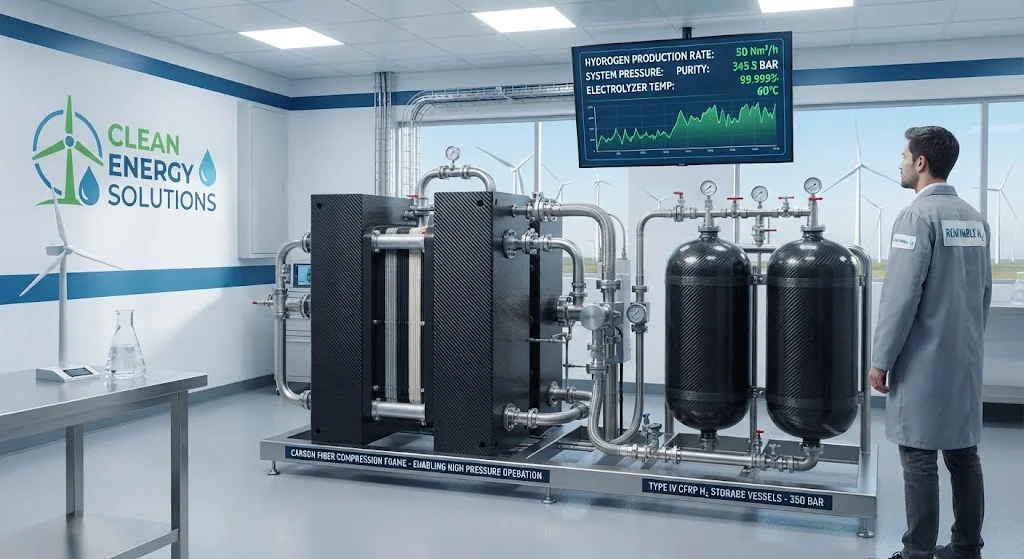
Hydrogen electrolyzer systems increasingly use carbon fiber composite structures for pressure vessels, frames, and manifolds. This article examines CFRP applications in PEM, alkaline, and solid oxide electrolyzer technologies.
Introduction
The hydrogen economy is driving demand for advanced materials in electrolyzer systems. Carbon fiber reinforced polymer (CFRP) composites offer significant advantages for electrolyzer components, including weight reduction, corrosion resistance, design flexibility, and the ability to withstand high-pressure operating conditions. As hydrogen production scales up to meet decarbonization goals, CFRP structures are becoming increasingly important in electrolyzer design.
Electrolyzer technologies — proton exchange membrane (PEM), alkaline, and solid oxide — each present distinct material requirements and opportunities for carbon fiber composite applications. The choice of electrolyzer technology influences the specific CFRP applications and material specifications.
PEM Electrolyzer Applications
PEM electrolyzers offer several opportunities for carbon fiber composites:
Pressure vessels: High-pressure hydrogen storage vessels (30-70 MPa) for electrolyzer output are primary CFRP applications. Type III (aluminum liner with CFRP overwrap) and Type IV (polymer liner with CFRP overwrap) vessels provide the weight savings and high-pressure capability needed for efficient hydrogen compression and storage.
Stack frames: CFRP frame structures provide the clamping force to seal PEM electrolyzer stacks while offering corrosion resistance in the acidic operating environment. The high specific stiffness of CFRP enables uniform pressure distribution across the membrane electrode assembly.
Manifolds and flow fields: CFRP manifolds and flow field plates distribute water and hydrogen within the electrolyzer stack. The design flexibility of composite manufacturing enables optimized flow patterns that improve electrolyzer efficiency.
Alkaline Electrolyzer Applications
Alkaline electrolyzers operate in a different chemical environment, creating specific CFRP requirements:
Cell frames: CFRP cell frames provide structural support and electrical insulation in alkaline electrolyzer cells. The alkaline operating environment (30% KOH solution at 60-90°C) requires resin systems with alkaline resistance, typically novolac epoxies or vinyl esters.
Gas-liquid separators: CFRP separator vessels manage the separation of hydrogen and oxygen gases from the alkaline electrolyte. These vessels must withstand internal pressure while resisting chemical attack from the hot alkaline solution.
Piping and ducting: CFRP piping systems transport alkaline electrolyte between electrolyzer components, offering weight savings and corrosion resistance compared to stainless steel alternatives.
Solid Oxide Electrolyzer Applications
Solid oxide electrolyzers operating at 700-900°C present unique challenges for CFRP:
External structures: While internal components must withstand extreme temperatures, external support structures, frames, and enclosures can use CFRP, providing weight savings and design flexibility.
Insulation systems: CFRP structural elements can incorporate thermal management features that support the high-temperature insulation systems required for solid oxide electrolyzer operation.
Material Specifications
CFRP materials for electrolyzer applications must meet specific requirements:
Chemical resistance: Resin systems must resist degradation from hydrogen, oxygen, and electrolyte chemicals (acidic for PEM, alkaline for alkaline electrolyzers) at operating temperatures and pressures.
Hydrogen permeability: For high-pressure hydrogen containment, CFRP structures must demonstrate low hydrogen permeability to prevent gas leakage and ensure safety. Barrier coatings and liner systems address this requirement.
Electrical properties: Some electrolyzer applications require electrical conductivity (for grounding or current distribution) while others require electrical insulation. CFRP material systems can be tailored to meet either requirement.
Conclusion
Carbon fiber composite structures offer significant advantages for hydrogen electrolyzer systems, including weight reduction, corrosion resistance, design flexibility, and high-pressure capability. As the hydrogen economy scales up, CFRP technology will play an increasingly important role in enabling cost-effective, high-performance electrolyzer systems for green hydrogen production.
Part of topic
Related Articles
- Carbon Fiber Mooring for Floating Offshore Wind: Fatigue and Corrosion in Deep Water
- Carbon Fiber Bicycle Frame Optimization: Layup Design and Manufacturing for Competitive Racing
- Carbon Fiber CFRP Retrofit for Infrastructure: Bridge and Building Seismic Strengthening
- Carbon Fiber Medical Imaging Equipment: Lightweight Gantry and Couch Structures for MRI/CT
- Carbon Fiber EV Battery Enclosures: Crash Safety and Electromagnetic Shielding Design
- Carbon Fiber Structures for Low-Altitude Economy: UAV Airframes and eVTOL Components
Interested in Our Products?
Contact our team for competitive pricing and technical specifications.
Get a QuoteRelated Products
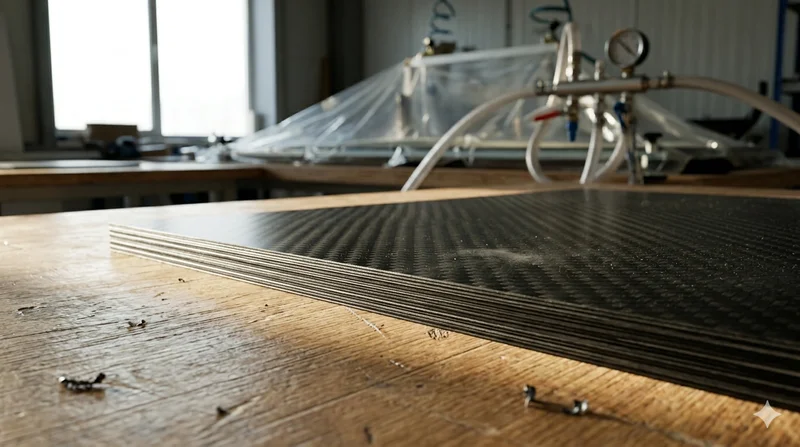
Carbon Fiber Plate — 3K Twill T700 3.0mm
Medium-thickness 3.0mm carbon fiber plate offering significantly higher load capacity while maintaining attractive 3K twill finish. Suitable for structural brackets, reinforcement plates, and load-bearing panels.
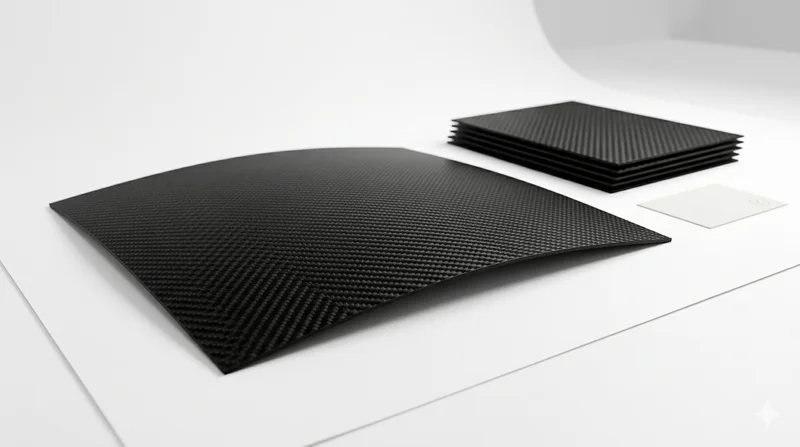
Carbon Fiber Plate — 3K Twill T700 1.5mm
Thin 1.5mm carbon fiber plate with 3K twill weave surface. Lightweight and stiff, commonly used for covers, panels, drone bodies, and applications requiring a premium aesthetic appearance.
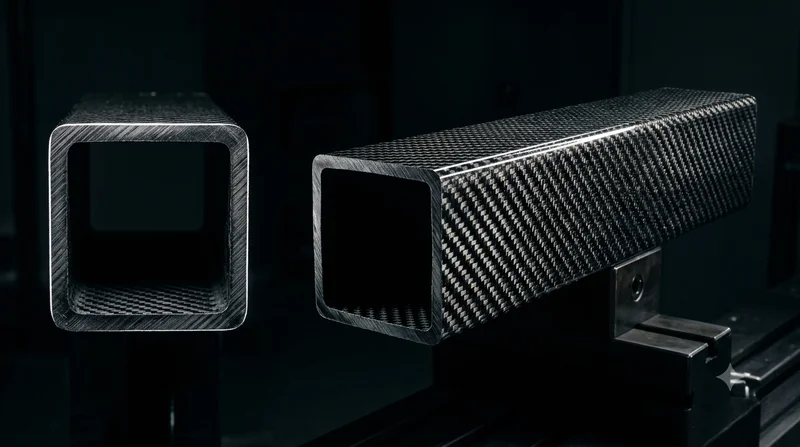
Square Carbon Fiber Tube — 3K Twill T700
Square cross-section carbon fiber tube manufactured with 3K twill weave for torsional strength. Preferred for structural frames, trusses, and support columns where rectangular geometry offers design flexibility.
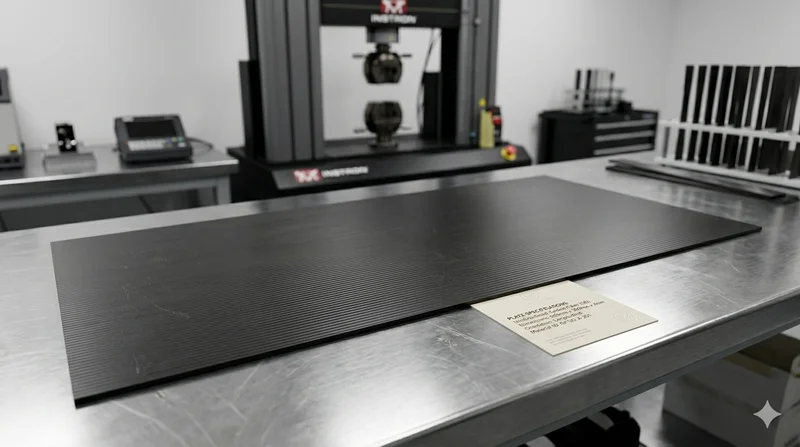
Carbon Fiber Plate — UD Unidirectional T700
Unidirectional carbon fiber plate with all fibers oriented in a single direction for maximum strength along the fiber axis. Essential for structural reinforcements, splints, and applications where load direction is predictable.
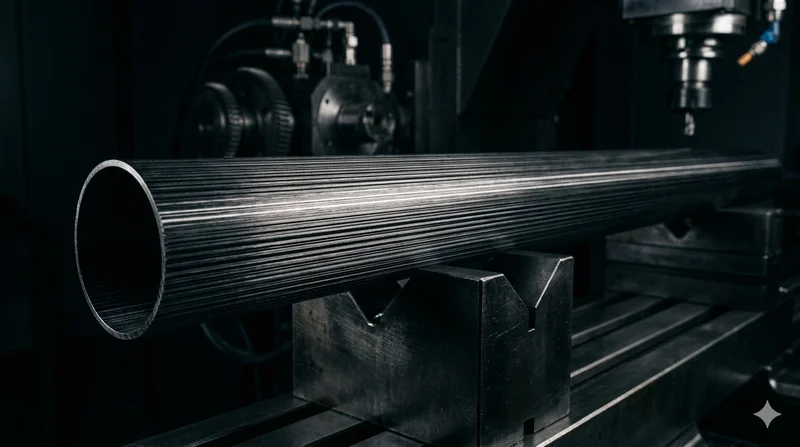
Round Carbon Fiber Tube — UD Unidirectional T700
Unidirectional (UD) round tube with all fibers aligned axially for maximum longitudinal stiffness. Ideal for applications requiring high bending rigidity with minimal weight, such as shafts, struts, and structural reinforcements.