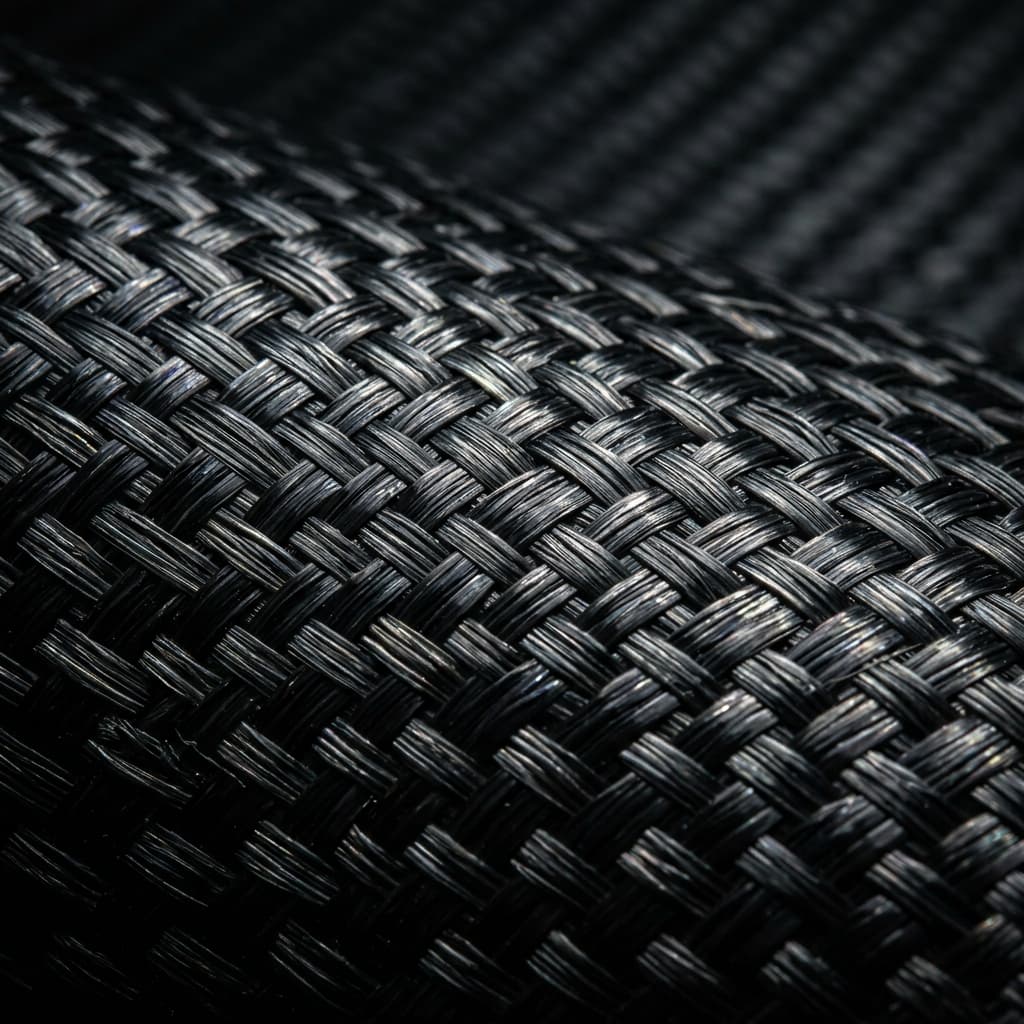
A carbon fiber composite core repair service decides whether a dented sandwich panel returns to service or becomes scrap. Core damage hides under intact skins: crushed honeycomb, water-logged foam and delaminated bond lines all look fine from above until the panel deflects under load. A structured r
Introduction
A carbon fiber composite core repair service decides whether a dented sandwich panel returns to service or becomes scrap. Core damage hides under intact skins: crushed honeycomb, water-logged foam and delaminated bond lines all look fine from above until the panel deflects under load. A structured repair program classifies the damage, picks one documented method, and proves the restored panel still carries its design shear.
This guide covers the damage classes you will meet, the repair methods a carbon fiber composite core repair fabrication shop actually runs, and the acceptance tests that let you sign off on a repaired panel with confidence.
Carbon Fiber Composite Core Repair Service: What Gets Repaired
Repair economics start with a classification. Not every dent deserves a scarf, and not every core crush can be left in place. The table below is the working matrix most commercial and military programs use.
| Damage class | Typical indication | Core condition | Preferred method | Acceptance route |
|---|---|---|---|---|
| Class 1 — cosmetic | Surface scratch, gel coat scuff | Intact | Local sand and refinish | Visual only |
| Class 2 — skin only | Impact dent, 1-3 mm deep | Intact, bond line sound | Patch or scarf on skin | Tap test + visual |
| Class 3 — core crush | Local soft spot, 20-50 mm zone | Cells collapsed, dry | Remove and pot or replace core | Tap test + ultrasonic |
| Class 4 — wet core | Staining, weight gain | Moisture ingress | Cut out to dry material, replace | Moisture check + ultrasound |
| Class 5 — bond line failure | Skin lift, hollow sound | Core may be sound | Debond removal and rebond | Ultrasonic C-scan |
Field crews often stop at Class 2 because the panel looks repaired. The carbon fiber composite core repair service you hire should insist on classifying the core itself — a Class 3 crush hidden under a Class 2 dent is how panels fail two seasons later.
Repair Methods: Scarf, Potting and Core Replacement
Once the class is fixed, the method follows. Three techniques cover most sandwich work, and the choice depends on skin thickness, core type and how far the damage spreads.
- Scarf repair: taper the damaged skin at a 20:1 to 50:1 ratio, remove compromised core, then re-laminate with the original fiber orientation. Best for Class 2 and shallow Class 3, invisible after fairing.
- Potting: drill out the crushed cells, clean the cavity, and fill with low-density epoxy potting compound cured under a vacuum patch. Fast, strong in compression, slightly heavier than parent core.
- Plug replacement: cut a clean circular or rectangular window, dry-fit a matching core plug, and bond it with the same adhesive used on the original layup. The controlled choice for Class 4 and large Class 3 zones.
- Edge rebond: where the skin has lifted along an edge, inject or spread adhesive, re-clamp with a shaped caul, and re-cure — do not simply glue the visible seam.
A carbon fiber composite core repair fabrication shop will document which method was used, the adhesive lot, and the cure cycle for every repair. If your repair record says only "patched", you do not have a repair record.
Surface Prep, Cure and Quality Gates
Repair quality follows the same preparation rules as original bonding. Crushed cells must be cut back to sound material, foam must be dried, and honeycomb edges must be sealed before new skin goes down. Wet core that is only surface-dried will re-wet within a season.
- Dry the substrate: hold repaired zones at 60-70 C until mass stabilizes; record before and after weights.
- Control the bond line: keep thickness within the adhesive window — too thin starves, too thick loses strength.
- Cure under vacuum: 0.7 bar minimum, with a thermocouple on the repair, following the documented ramp and hold.
- Gate before release: visual, tap test across the full repair boundary, then ultrasonic scan on any Class 3 or above.
Repairs cured without a thermocouple on the patch are educated guesses. Ask for the temperature trace — it is the cheapest proof that the adhesive actually saw its required cure.
Carbon Fiber Composite Core Repair Service USA: Turnaround and Records
Domestic carbon fiber composite core repair service USA providers typically quote five to fifteen working days depending on class: Class 1 and 2 in under a week, Class 3 and 4 at one to two weeks including drying time, Class 5 rebonds at the longer end because C-scan scheduling drives the calendar. Air-freight options exist for grounded aircraft panels and racing hulls.
Records matter as much as the repair. A credible shop returns a package with the damage classification, photos of the excavated core, adhesive lot number, cure trace, NDT report and a return-to-service statement referencing the original design limits. Insurance and certification bodies ask for exactly this package — assemble it during the repair, not months afterward. Keep the offcut of removed core when the customer allows it; it is the only physical evidence of how far the damage really ran.
Frequently Asked Questions
Is a repaired sandwich panel as strong as the original?
When the repair follows the original fiber orientation, restores full core thickness and passes NDT, static strength typically returns to 90 percent or more of the original panel. Fatigue life can be slightly lower at the repair boundary, which is why bonded repairs are preferred over mechanical patches in moving structures.
How do I know the core is dry after a water incident?
Weigh the panel before drying and again after the drying cycle; mass that stops changing indicates the moisture is out. Follow up with ultrasonic or tap testing across the wetted zone. Visual drying of the surface is not evidence — foam cores hold water in closed cells for months.
What documents should a repair shop return?
Damage class, excavated area dimensions, method used, adhesive and core lot numbers, cure temperature trace, NDT results, and a statement of remaining design limits. Without the cure trace and NDT report, the repair cannot be verified by a third party later.
Conclusion
A carbon fiber composite core repair service earns trust by classifying damage honestly, choosing one documented method, and proving the result with cure records and NDT. Classify the core, not the dent — then the repaired panel will hold its service life.
YongXian supplies carbon fiber composite core materials and repair kits with lot certificates for sandwich panel restoration. Browse our composite materials or send damage photos, panel construction and core type for a repair assessment.
Part of topic
Related Articles
- Carbon Fiber Rods for Fishing: Blank Selection for Builders
- Carbon Fiber Toe Plates: Rocker Design in Footwear
- Carbon Fiber Drones (carbon fiber drones): Airframes, Payloads, and Cost Impact
- Best Carbon Fiber Rod: Application-Based Picks
- The Crust Carbon Fiber: What the Term Means in Searches
- Carbon Fiber Rod for Drone: Spars, Arms, and Sizing
Interested in Our Products?
Contact our team for competitive pricing and technical specifications.
Get a QuoteRelated Products
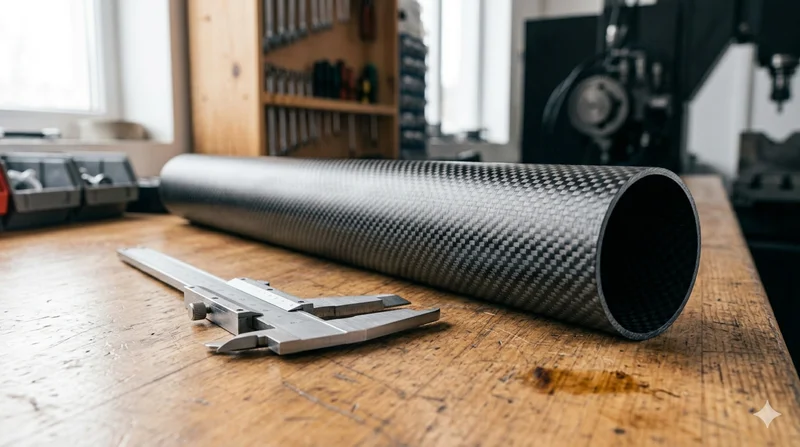
Round Carbon Fiber Tube — 3K Plain Weave T700
Standard round carbon fiber tube manufactured from Toray T700 grade fiber with 3K plain weave. Offers balanced strength and stiffness for general industrial applications including robotics, automation, sports equipment, and aerospace structures.
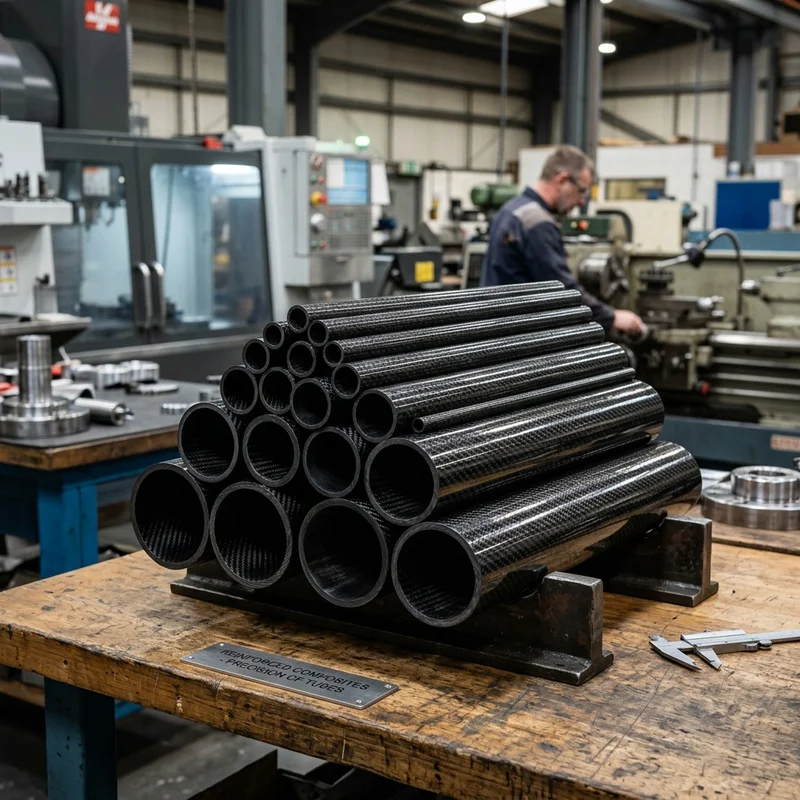
Round Carbon Fiber Tube — 3K Twill
Lightweight and ultra-stiff round tubes ideal for drone frames, robotics, and structural applications.
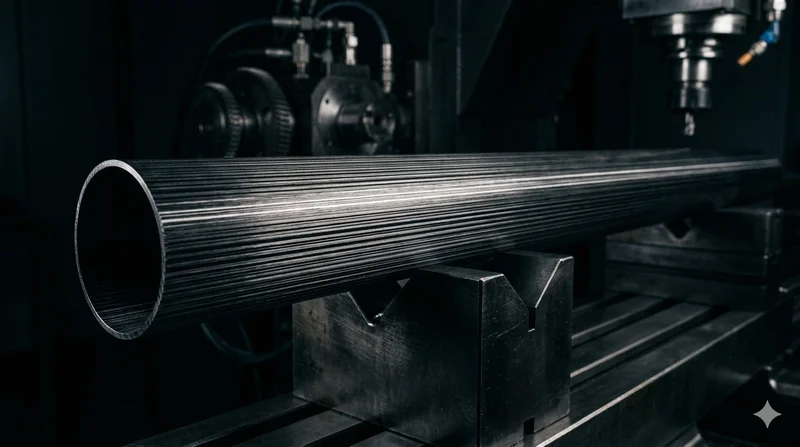
Round Carbon Fiber Tube — UD Unidirectional T700
Unidirectional (UD) round tube with all fibers aligned axially for maximum longitudinal stiffness. Ideal for applications requiring high bending rigidity with minimal weight, such as shafts, struts, and structural reinforcements.
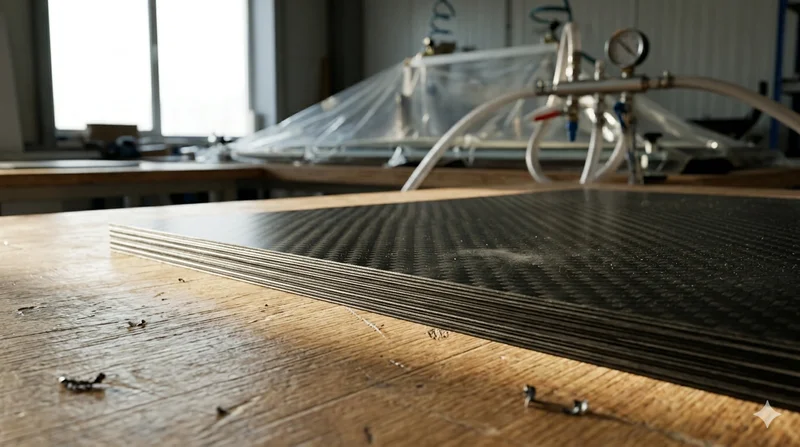
Carbon Fiber Plate — 3K Twill T700 3.0mm
Medium-thickness 3.0mm carbon fiber plate offering significantly higher load capacity while maintaining attractive 3K twill finish. Suitable for structural brackets, reinforcement plates, and load-bearing panels.
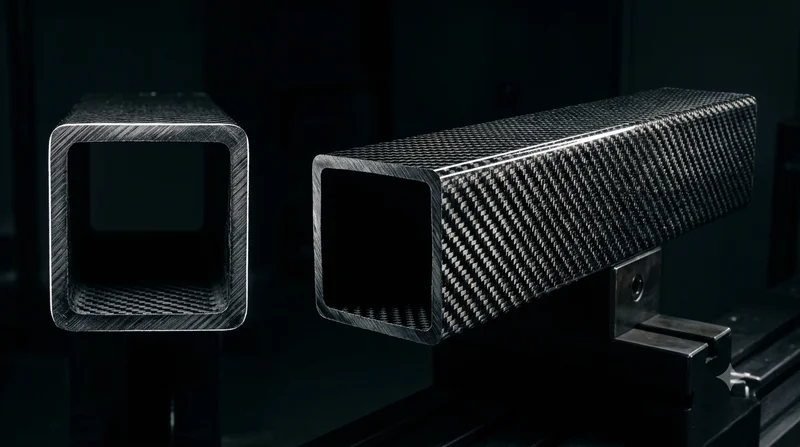
Square Carbon Fiber Tube — 3K Twill T700
Square cross-section carbon fiber tube manufactured with 3K twill weave for torsional strength. Preferred for structural frames, trusses, and support columns where rectangular geometry offers design flexibility.