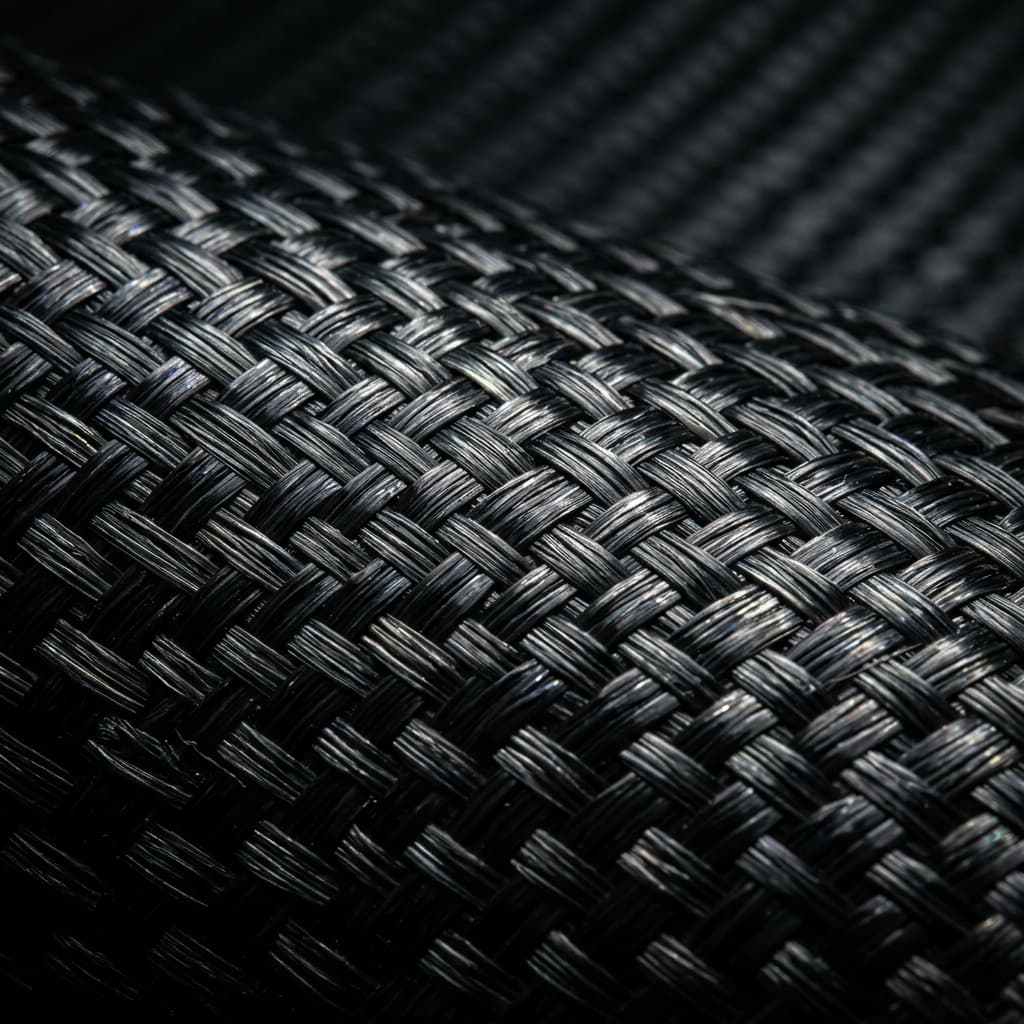
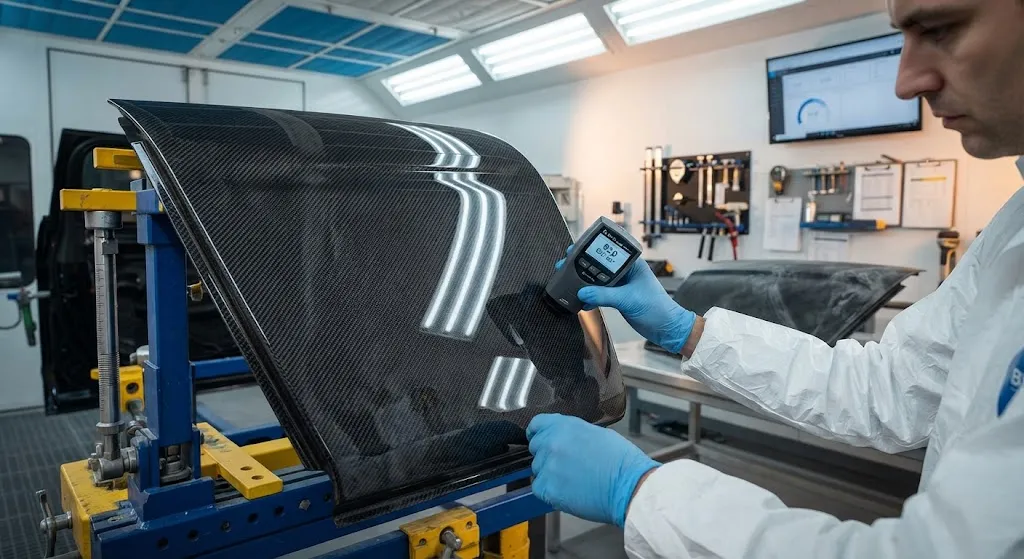
Carbon fiber side panels have become a defining design element in premium vehicles, signaling lightweight performance and technical sophistication through the visible weave pattern beneath a deep, high-gloss clear coat. However, achieving a Class-A surface — one free of fiber read-through, print mar
Introduction
Carbon fiber side panels have become a defining design element in premium vehicles, signaling lightweight performance and technical sophistication through the visible weave pattern beneath a deep, high-gloss clear coat. However, achieving a Class-A surface — one free of fiber read-through, print mark, pinholes, and surface waviness — on a carbon fiber panel is fundamentally more challenging than on steel or aluminum because the reinforcement texture is inherently visible through the resin matrix. The automotive industry's Class-A surface standard requires a surface roughness (Ra) below 0.1 micrometers, orange peel within visually imperceptible limits, and zero visible defects under fluorescent booth lighting at 1000 lux.
For manufacturers pursuing carbon fiber side panels for premium SUVs, sports cars, and luxury sedans, the gap between a carbon fiber part that looks "good enough" and one that meets OEM Class-A specifications is bridged by specific material choices, molding process control, and post-mold surface treatment protocols. This article details the material systems that minimize fiber read-through, the molding processes that deliver consistent surface quality, and the surface finishing techniques that produce the mirror-like high-gloss finish expected by premium vehicle customers.
Material Systems for Class-A Carbon Fiber Panels
The first line of defense against surface defects is the material system itself. Three material approaches dominate production carbon fiber Class-A panel manufacturing:
- Wet compression molding (WCM): Dry carbon fiber fabric is placed into the mold, and liquid resin — typically a fast-cure epoxy or vinyl ester — is injected or poured before compression. The resin flow fills fiber interstices and creates a smooth surface layer against the mold face. WCM achieves good surface quality at moderate cycle times of 3-5 minutes per part, making it the most common process for volumes of 10,000-100,000 parts per year.
- Resin transfer molding (RTM): Dry fabric is placed in a matched-metal mold, and resin is injected under pressure. RTM provides superior fiber wet-out and void content control below 1%, producing panels with the lowest fiber read-through and the most consistent surface. Cycle times of 5-15 minutes limit RTM to lower-volume applications or panels where surface quality is the overriding priority.
- Sheet molding compound (SMC) with carbon fiber: Chopped carbon fiber (typically 12-25mm length at 20-40% loading) is compounded into a thermoset resin paste, then compression molded. SMC produces panels with no directional weave pattern, which some OEMs prefer for a more uniform appearance, but at the cost of lower mechanical properties compared to continuous fiber systems.
The resin system is equally critical. Epoxy vinyl ester resins with low viscosity (200-500 mPa-s at processing temperature) and fast gel times (60-120 seconds at 80-120 degrees Celsius mold temperature) provide the best surface finish because they flow freely into fiber interstices before gelation locks the resin in place. Resins with higher viscosity or slower gel times tend to trap air at the fiber-resin interface, creating pinholes that require extensive post-mold rework.
Molding Process Control for Surface Quality
Even with optimal material selection, surface quality is determined by process control during molding. The key parameters and their effects on Class-A surface outcomes are:
| Parameter | Optimal Range | Effect on Surface | Common Failure Mode |
|---|---|---|---|
| Mold temperature | 80-120 degrees Celsius | Controls resin gel time and surface replication | Too low: incomplete cure, tacky surface |
| Press closing speed | 5-15 mm/s initial, 0.5-2 mm/s final | Controls resin flow front and air evacuation | Too fast: trapped air, pinholes |
| Clamping pressure | 5-15 MPa | Ensures mold face contact and fiber compaction | Too low: fiber read-through, orange peel |
| Resin injection rate | 200-800 ml/min (RTM) | Controls fill pattern and void content | Too fast: race-tracking, dry spots |
| Vacuum level | -0.95 to -0.99 bar | Removes air from fabric before resin injection | Insufficient: micro-voids at surface |
The most critical variable is press closing speed control during the final 2-3 millimeters of mold closure. If the press closes too quickly at this stage, resin is squeezed out from between the mold face and the fiber surface, starving the surface of the resin-rich layer that produces smooth finish. Optimal closing profiles use a fast initial approach followed by a slow, controlled final closing at 0.5-2 mm/s, allowing resin to flow laterally and fill any surface voids before the mold fully closes.
Surface Preparation and Clear Coat Systems
Post-mold surface treatment transforms a good molded surface into a Class-A high-gloss finish. The standard process involves four stages:
- Sanding and defect removal: The molded panel is wet-sanded with progressive grits from 400 to 2000 to remove any residual fiber read-through, pinholes, or orange peel. Defects deeper than 50 micrometers require spot-priming with high-build primer before re-sanding.
- Sealer coat application: A thin (15-25 micrometers) epoxy or polyurethane sealer coat is applied to fill micro-porosity and create a uniform substrate for the clear coat. The sealer must be chemically compatible with both the substrate resin and the clear coat to prevent adhesion failure.
- High-gloss clear coat: Two-component polyurethane clear coats with UV stabilizers are applied in two coats at 40-60 micrometers each, with a 10-15 minute flash between coats. The clear coat formulation determines the final gloss level: premium automotive specifications require 85-95 gloss units at 60 degrees glossmeter angle, with orange peel (distinctness of image) values above 80.
- Polishing and buffing: After clear coat cure (typically 24 hours at room temperature or 30 minutes at 80 degrees Celsius), the panel is machine-polished with cutting compound followed by finishing polish to achieve the final gloss and orange peel targets. This step is labor-intensive but essential for eliminating application-related surface texture.
Vehicle Programs and Production Validation
Carbon fiber high-gloss side panels have been validated in production on multiple premium vehicle programs:
- Luxury SUV exterior side panels: Several European luxury SUV manufacturers use RTM-molded carbon fiber side mirror caps and door trim panels with high-gloss clear coat, producing at volumes of 30,000-80,000 units per year. The panels pass Class-A surface inspection under 1000 lux booth lighting with zero visible fiber read-through.
- Sports car interior trim: Carbon fiber door panel inserts and dashboard trim in high-gloss finish are standard or optional equipment on multiple mid-engine sports cars, with production volumes of 5,000-15,000 sets per year. The interior application is less demanding than exterior because UV exposure and weathering are not factors, but tactile quality expectations are higher — the surface must feel smooth, not textured.
- Electric vehicle structural side panels: Several EV manufacturers are evaluating carbon fiber side panels as structural elements that combine Class-A exterior surface with crash energy absorption function, reducing part count by eliminating separate cosmetic and structural panels. This integration trend is expected to accelerate as EV production volumes grow.
- Aftermarket and customization: The aftermarket segment consumes significant volumes of carbon fiber panels for aftermarket vehicle customization, typically at lower surface quality standards than OEM production but still requiring consistent weave appearance and high-gloss finish at price points of 200-800 dollars per panel.
Cost and Quality Trade-offs
The cost of a production-grade carbon fiber side panel ranges from 150-500 dollars per part depending on size, complexity, volume, and surface quality requirements. RTM panels with full Class-A surface treatment are at the high end, while WCM panels with simplified surface preparation occupy the lower range. The primary cost drivers are material cost (40-50% of part cost), molding labor and cycle time (25-35%), and surface finishing (15-25%). At volumes above 50,000 parts per year, compression molding with automated surface preparation becomes cost-competitive with painted aluminum panels when the weight savings of 40-60% and the perceived brand value of visible carbon fiber are included in the economic analysis.
Frequently Asked Questions
What is the difference between Class-A and Class-B surface finish on carbon fiber panels?
Class-A surface finish on automotive panels is defined by three measurable criteria: surface roughness (Ra) below 0.1 micrometers, orange peel or distinctness of image (DOI) above 80 at 60 degrees, and zero visible defects under 1000 lux fluorescent booth lighting. Class-B surface allows slightly higher roughness (Ra below 0.3 micrometers) and may have minor orange peel that is visible only at specific reflection angles. For carbon fiber panels, the critical distinction is fiber read-through: Class-A panels show zero visible fiber texture through the clear coat, while Class-B panels may show faint weave pattern under direct sunlight. Most premium vehicle exterior applications require Class-A; interior applications and aftermarket parts may accept Class-B.
How does carbon fiber side panel weight compare to aluminum or steel equivalents?
A carbon fiber side panel with Class-A surface finish typically weighs 40-60% less than an equivalent aluminum panel and 60-75% less than a steel panel of the same dimensions and stiffness. For a typical SUV door outer panel measuring approximately 1.2 square meters, the carbon fiber version weighs 2.5-3.5 kilograms compared to 6-8 kilograms for aluminum and 10-14 kilograms for steel. The weight savings are achievable because carbon fiber's specific stiffness allows thinner cross-sections, and the molding process eliminates the reinforcement features (stiffening beads, hem flanges) that add mass in stamped metal panels.
Can carbon fiber side panels be repaired if scratched or damaged?
Minor scratches in the clear coat can be repaired by wet-sanding with 2000-grit paper and re-polishing with cutting and finishing compounds, a process that takes 30-60 minutes per panel. Deeper damage that penetrates the clear coat into the carbon fiber substrate requires spot repair with matching clear coat, UV curing, and re-polishing. Damage that cracks the composite structure — such as impact damage from a collision — typically requires panel replacement because composite repair cannot restore the original structural integrity. The clear coat system must include UV stabilizers to prevent yellowing and degradation, which is particularly important for exterior panels exposed to sunlight.
Conclusion
Carbon fiber automotive side panels with high-gloss Class-A surface finish are a proven production technology validated across luxury SUVs, sports cars, and electric vehicles at volumes ranging from 5,000 to 80,000 units per year. The combination of RTM or wet compression molding, optimized resin systems with low viscosity and fast gel times, precision press closing control, and multi-stage surface finishing produces panels that meet the same surface quality standards as painted metal while delivering 40-75% weight savings. As electric vehicle production scales and premium brand differentiation increasingly relies on visible lightweight materials, carbon fiber side panels are positioned to expand from niche luxury applications into mainstream premium vehicle production.
To explore carbon fiber materials and surface treatment solutions for automotive panel applications, browse our carbon fiber product range, or contact our automotive applications team for material specifications and prototype evaluation.
Part of topic
Related Articles
- Carbon Fiber High-Speed Train Brake Discs: Thermal Stability and Wear Resistance
- Carbon Fiber Composite Rebar for Corrosive Environments: Marine and Chemical Plant Applications
- Carbon Fiber Helicopter Rotor Blade Spar Design: Fatigue Life and Erosion Protection
- Carbon Fiber Deployable Structures for Satellites: Boom and Antenna Mast Applications
- Carbon Fiber Electromagnetic Interference Shielding: EMI Solutions for Electronics and 5G
- Carbon Fiber Drone Propeller Blades: Lightweight Design for Endurance and Payload
Interested in Our Products?
Contact our team for competitive pricing and technical specifications.
Get a QuoteRelated Products
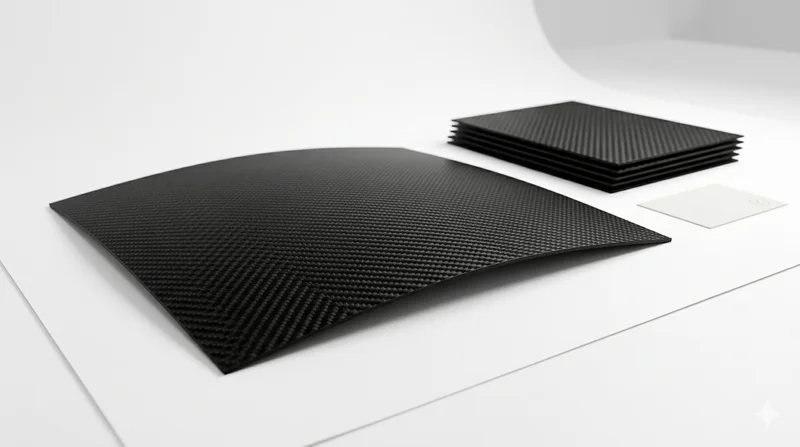
Carbon Fiber Plate — 3K Twill T700 1.5mm
Thin 1.5mm carbon fiber plate with 3K twill weave surface. Lightweight and stiff, commonly used for covers, panels, drone bodies, and applications requiring a premium aesthetic appearance.
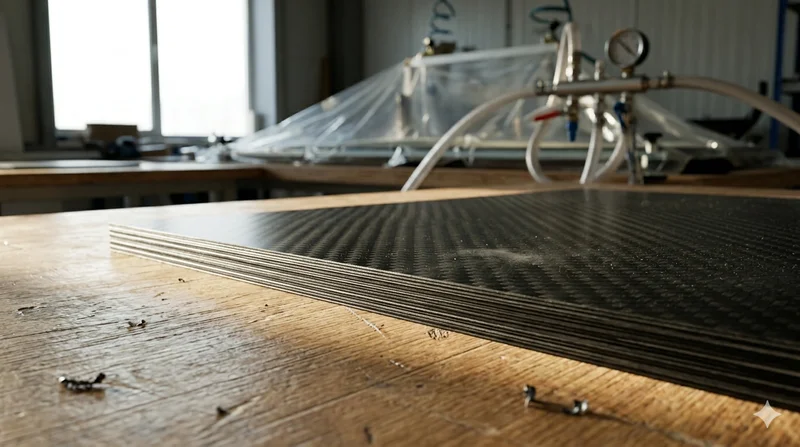
Carbon Fiber Plate — 3K Twill T700 3.0mm
Medium-thickness 3.0mm carbon fiber plate offering significantly higher load capacity while maintaining attractive 3K twill finish. Suitable for structural brackets, reinforcement plates, and load-bearing panels.
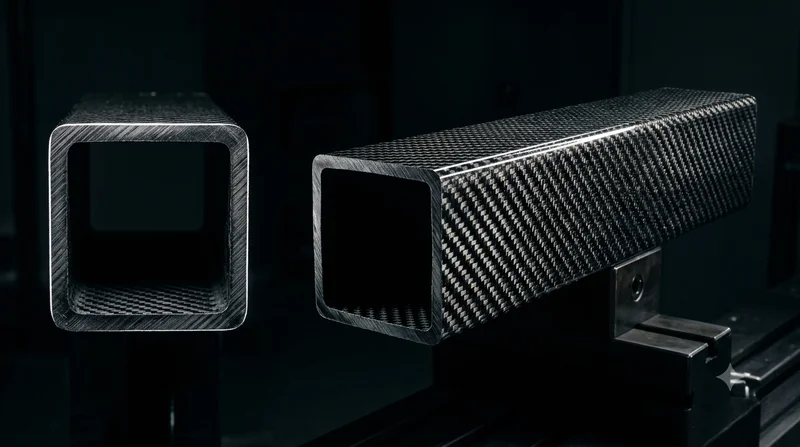
Square Carbon Fiber Tube — 3K Twill T700
Square cross-section carbon fiber tube manufactured with 3K twill weave for torsional strength. Preferred for structural frames, trusses, and support columns where rectangular geometry offers design flexibility.
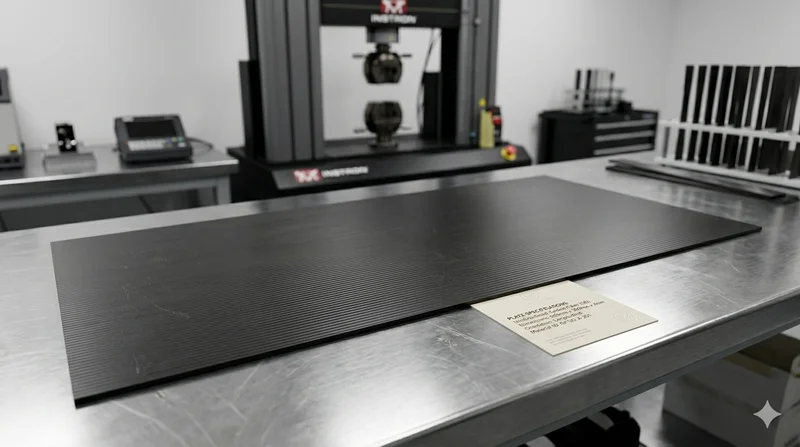
Carbon Fiber Plate — UD Unidirectional T700
Unidirectional carbon fiber plate with all fibers oriented in a single direction for maximum strength along the fiber axis. Essential for structural reinforcements, splints, and applications where load direction is predictable.
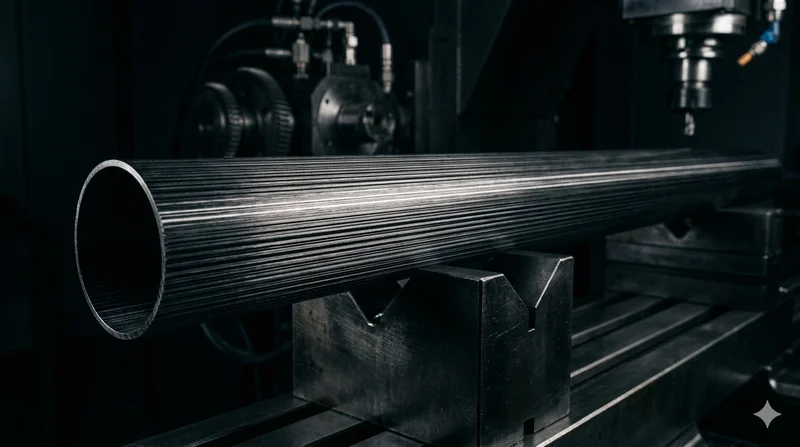
Round Carbon Fiber Tube — UD Unidirectional T700
Unidirectional (UD) round tube with all fibers aligned axially for maximum longitudinal stiffness. Ideal for applications requiring high bending rigidity with minimal weight, such as shafts, struts, and structural reinforcements.