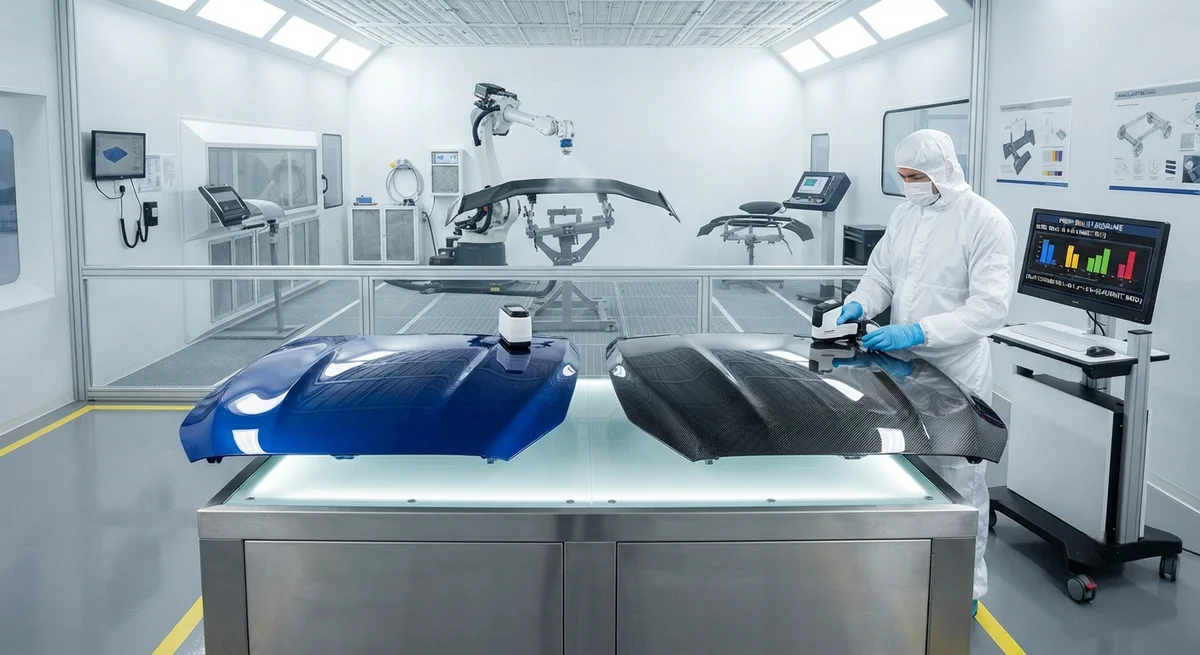
Choosing between painted and clear-coat (exposed weave) finishes for automotive carbon fiber components affects cost, weight, UV durability, production lead time, and brand positioning. This guide provides B2B buyers with a structured technical and commercial comparison to support informed procureme
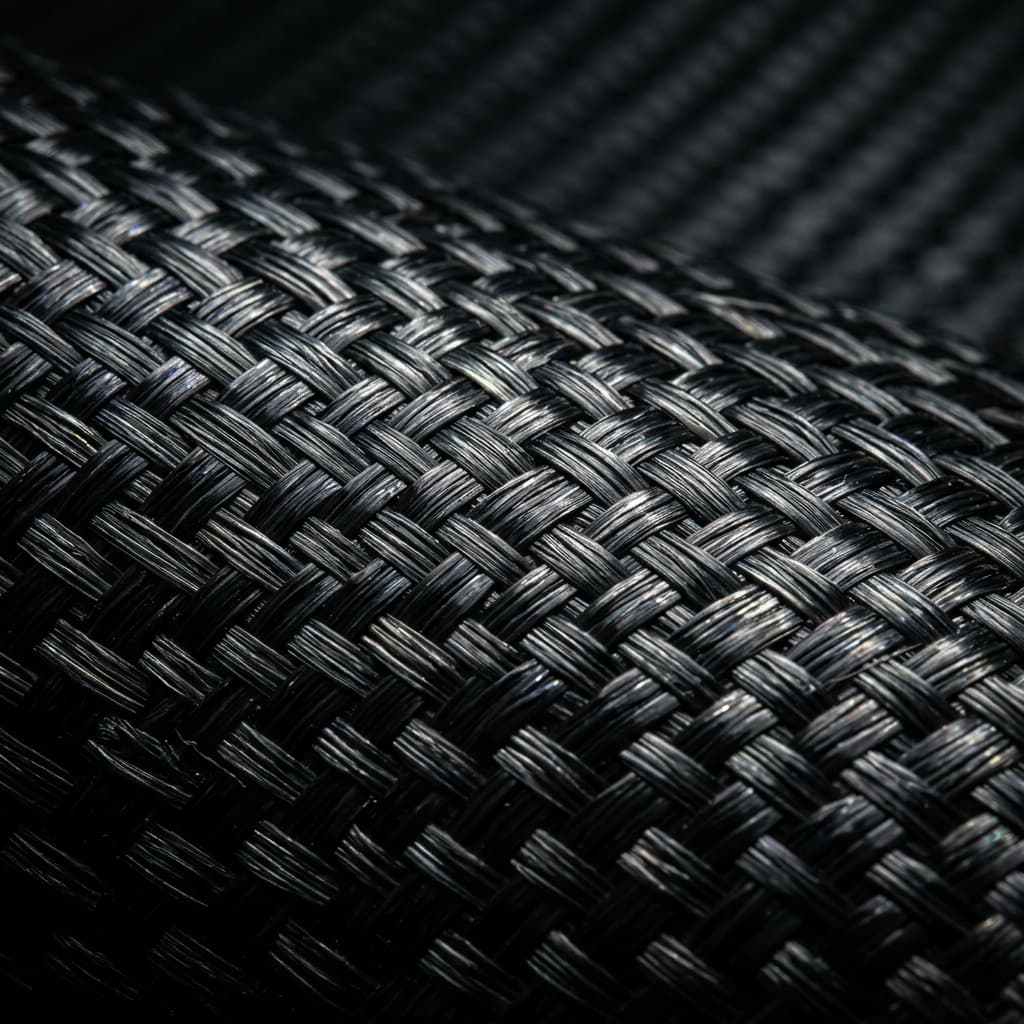
The automotive industry has embraced carbon fiber reinforced polymer (CFRP) components not only for their class-leading strength-to-weight ratio but also for their distinctive visual identity. However, a fundamental decision faces every OEM, tuner, and aftermarket supplier that procures visible carbon fiber parts: should the component be painted to match the vehicle body color, or finished with a clear protective coating that showcases the carbon fiber weave pattern?
This question is not merely aesthetic. The finish selection affects every stage of the supply chain — from mold design and prepreg selection to painting line scheduling, quality inspection, and long-term warranty exposure. This article presents a structured analysis of both approaches across eight decision dimensions, supported by real-world cost data and engineering trade-offs.
Finish Types Defined
| Feature | Painted Finish | Clear Coat (Exposed Weave) Finish |
|---|---|---|
| Visual appearance | Matches vehicle body color; carbon fiber invisible | Carbon fiber weave visible under transparent coating |
| Typical applications | Hood, roof, trunk, body panels, interior trim | Mirror caps, spoilers, diffusers, interior accents |
| Surface prep required | Primer + filler + sanding (400–800 grit) | Light scuffing + direct clear coat application |
| Coating layers | 4–6 (primer, color base, color, 2–3 clear coats) | 2–3 (UV clear coat, optional matte top coat) |
| Weave visibility | None | Full weave texture visible |
| Repairability | Standard automotive paint repair | Requires specialized clear coat removal and reapplication |
| UV protection mechanism | Pigment + UV absorbers in clear layers | UV-stabilized clear coat only |
Cost Comparison
The most significant difference between painted and clear-coat finishes lies in the manufacturing cost structure. The table below presents a per-component cost breakdown for a typical automotive CFRP part (hood panel, approximately 1.2 m² surface area) at a production volume of 5,000 units per year.
| Cost Category | Painted Finish | Clear Coat Finish | Difference |
|---|---|---|---|
| Prepreg and laminate materials | $48.00 | $52.00 | +$4.00 |
| Mold tooling amortization (5,000 units) | $18.00 | $18.00 | $0.00 |
| Autoclave / compression molding | $22.00 | $22.00 | $0.00 |
| Surface preparation (sanding, filling) | $12.50 | $6.00 | −$6.50 |
| Primer application | $4.00 | $0.00 | −$4.00 |
| Color base coat application | $8.50 | $0.00 | −$8.50 |
| Clear coat application (UV grade) | $6.00 | $8.50 | +$2.50 |
| Polishing and buffing | $7.00 | $5.00 | −$2.00 |
| Quality inspection (pinhole, orange peel, clarity) | $4.00 | $6.50 | +$2.50 |
| Total per part (labor + materials) | $130.00 | $118.00 | −$12.00 (9.2%) |
| Rejection rate (first-pass yield) | 8–12% | 5–8% | −3–4% |
| Effective cost per good part | $141–$148 | $124–$128 | −$13–$20 |
Clear-coat finishes typically offer a 9–14% per-part cost advantage over painted finishes at equivalent production volumes. This gap narrows at very high volumes (>20,000 units/year) where automated painting lines achieve higher throughput and lower per-part labor costs.
Weight Impact
Paint adds measurable weight to a CFRP component — a factor often overlooked in lightweighting calculations. A typical automotive paint system (primer + color + clear coats) adds 150–250 g/m² to the surface. For a hood panel with 1.2 m² visible surface, this translates to 180–300 grams of additional mass. While this may seem negligible, on a vehicle targeting a 50 kg carbon fiber body-in-white, paint adds approximately 0.4–0.6% to total body weight. For weight-sensitive applications — hypercars, track-focused sports cars, and electric vehicles optimizing range — every gram counts. Clear-coat finishes add only 60–100 g/m², roughly 40% of the weight of a full paint system.
UV Durability and Longevity
One of the most persistent concerns about exposed-weave carbon fiber is long-term UV stability. Epoxy resins used in aerospace-grade prepregs are inherently susceptible to UV degradation. Over 3–5 years of direct sunlight exposure, unprotected epoxy undergoes photo-oxidation that causes surface micro-cracking, gloss reduction (chalking), and in severe cases, interlaminar failure.
| Property | Painted Finish | Clear Coat (UV-Stabilized) | Uncoated Carbon Fiber |
|---|---|---|---|
| Gloss retention after 3 years (Florida exposure) | >85% | 70–80% | <30% |
| Color shift (ΔE) after 5 years | <1.5 | 2.0–3.5 | 5.0–8.0 |
| Surface micro-cracking onset | 8–12 years | 5–8 years | 1–3 years |
| Interlaminar strength retention (10 years) | >95% | 85–92% | 50–70% |
| Recommended re-coating interval | 7–10 years | 5–7 years | N/A |
Modern UV-stabilized clear coats formulated specifically for carbon fiber (e.g., aerospace-grade polyurethane clear coats with benzotriazole UV absorbers and hindered amine light stabilizers) have closed much of the durability gap. However, painted finishes retain a clear advantage in long-term color stability and gloss retention, particularly in high-solar-exposure markets such as the Middle East, Australia, and the Southwestern United States.
Production Lead Time
Painted finishes require additional production steps that extend lead time by 3–5 business days per batch:
- Day 1: Demolding + surface preparation (pinhole filling, sanding 400 grit)
- Day 2: Primer application + curing (80°C, 60 min) + sanding 600 grit
- Day 3: Color base coat + baking (80–120°C depending on paint system)
- Day 4: First clear coat + flash-off + second clear coat + final cure
- Day 5: Polishing, buffing, and final quality inspection
Clear-coat finishes can complete in 2–3 business days: surface scuffing + cleaning on Day 1, clear coat application (2 coats with flash-off) + cure on Day 2, and polishing + inspection on Day 3. For OEMs operating just-in-time (JIT) production lines with 48-hour component replenishment windows, the shorter clear-coat lead time can be a decisive factor.
Brand Positioning and Market Perception
Exposed carbon fiber weave carries a strong visual signal of performance, lightweight engineering, and motorsport heritage. In consumer surveys conducted by automotive aftermarket brands, 62–68% of performance car owners rated exposed carbon fiber accents as "highly desirable" — ranking above LED lighting (54%) and carbon-ceramic brakes (49%) in aesthetic preference. Conversely, painted carbon fiber is often indistinguishable from steel or aluminum body panels, eliminating the brand signaling value of the material entirely. This trade-off is a key consideration for marketing and product planning teams: does the visible carbon fiber reinforce the brand's performance narrative, or does it conflict with the vehicle's design language?
Quality Control Considerations
Both finish types have distinct quality failure modes that buyers should specify in their procurement quality agreements:
| Defect Type | Painted Finish | Clear Coat Finish |
|---|---|---|
| Orange peel (wavy surface) | Common if paint viscosity/thinner ratio incorrect | Less common; clear coat applied thinner |
| Pinholes / porosity | Requires filling before primer; detectable by wet sanding | More visible due to transparent layer; detectable by backlight inspection |
| Dry spray / overspray | Buffable — typically recoverable | Difficult to recover without recoating entire part |
| Fiber whitening (blooming) | Not visible under opaque paint | Highly visible through clear coat; indicates moisture ingress or internal damage |
| Clear coat delamination | Can occur; less common due to thicker paint system | Primary failure mode after 5+ years of UV exposure |
| Color mismatch (batch-to-batch) | Requires spectrophotometer verification per batch | N/A — no color pigment; weave consistency is the quality metric |
Frequently Asked Questions
Does painting over carbon fiber reduce its structural performance?
No — properly applied automotive paint systems do not degrade the mechanical properties of carbon fiber laminates. However, the paint adds mass (150–250 g/m²), which partially offsets the weight savings of the carbon fiber component. The only structural concern is elevated cure temperatures — paint baking cycles above 140°C can post-cure the epoxy matrix and slightly increase modulus at the expense of toughness. Reputable paint suppliers offer low-bake (80–110°C) systems compatible with automotive CFRP.
Can a painted carbon fiber part be stripped and converted to clear coat?
Technically yes, but the process is complex and costly. The existing paint system must be chemically stripped (methylene chloride-based strippers), the surface inspected for damage, and the underlying carbon fiber laminate may require refinishing if the original mold surface was not Class A quality. The conversion cost — typically $80–$150 per part for a hood panel — often exceeds the cost premium of ordering a clear-coat part from the start. We recommend specifying the final finish at the procurement stage.
Which finish is better for aftermarket vs OEM production?
For OEM production (high volume, consistent color across vehicle fleet), painted finish is typically preferred because it ensures perfect color match with adjacent body panels. For aftermarket and low-volume specialty applications, clear coat is the dominant choice because it highlights the carbon fiber material and carries strong visual branding value. Approximately 73% of aftermarket carbon fiber parts on the market today use clear-coat finish, while OEM-installed visible carbon fiber is roughly 55% painted and 45% clear-coat, depending on the vehicle segment.
Does clear coat yellow over time on carbon fiber?
All clear coats undergo some degree of yellowing over time due to UV photo-degradation. The rate depends on the UV absorber package — aliphatic polyurethane clear coats (aliphatic isocyanates) yellow significantly less than aromatic polyurethanes. Top-tier automotive clear coats with benzotriazole + HALS UV stabilizer systems show ΔE < 3.0 after 5 years of Florida exposure, which is barely perceptible to the untrained eye. Budget clear coats can show visible yellowing (ΔE > 6.0) within 2–3 years. Always specify UV-stabilized, aliphatic polyurethane clear coat for exposed carbon fiber applications.
Conclusion
The choice between painted and clear-coat finish for automotive carbon fiber components is a multi-dimensional decision involving cost, weight, durability, production lead time, and brand strategy. Clear-coat finishes offer a 9–14% per-part cost advantage and preserve the visual identity of carbon fiber as a performance material. Painted finishes provide superior long-term UV durability, perfect color integration with vehicle body panels, and easier repairability. For B2B buyers, the decision should be guided by the vehicle segment, production volume, geographic market (sun exposure), and brand positioning strategy. We recommend requesting samples of both finish types from your carbon fiber supplier and conducting accelerated UV testing (ASTM G154) on representative panels before committing to a finish specification for production parts.
Part of topic
Related Articles
- Carbon Fiber Mooring for Floating Offshore Wind: Fatigue and Corrosion in Deep Water
- Carbon Fiber Bicycle Frame Optimization: Layup Design and Manufacturing for Competitive Racing
- Carbon Fiber CFRP Retrofit for Infrastructure: Bridge and Building Seismic Strengthening
- Carbon Fiber Medical Imaging Equipment: Lightweight Gantry and Couch Structures for MRI/CT
- Carbon Fiber EV Battery Enclosures: Crash Safety and Electromagnetic Shielding Design
- Carbon Fiber Structures for Low-Altitude Economy: UAV Airframes and eVTOL Components
Interested in Our Products?
Contact our team for competitive pricing and technical specifications.
Get a QuoteRelated Products
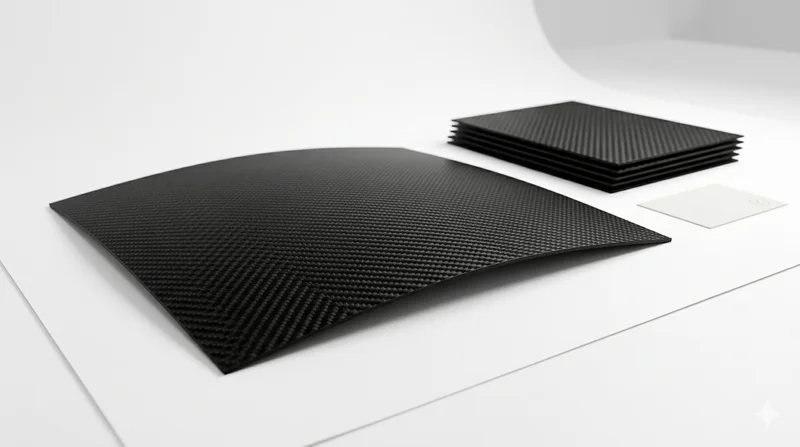
Carbon Fiber Plate — 3K Twill T700 1.5mm
Thin 1.5mm carbon fiber plate with 3K twill weave surface. Lightweight and stiff, commonly used for covers, panels, drone bodies, and applications requiring a premium aesthetic appearance.
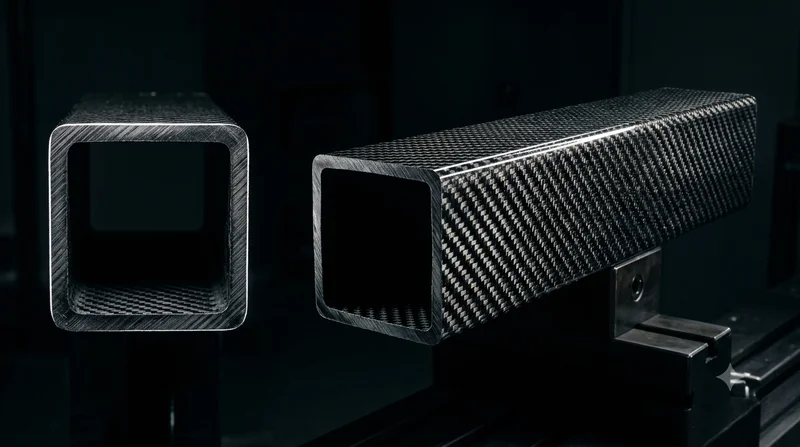
Square Carbon Fiber Tube — 3K Twill T700
Square cross-section carbon fiber tube manufactured with 3K twill weave for torsional strength. Preferred for structural frames, trusses, and support columns where rectangular geometry offers design flexibility.
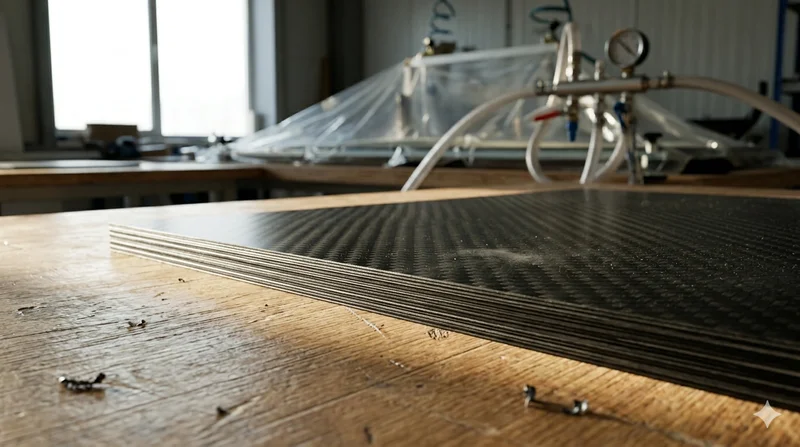
Carbon Fiber Plate — 3K Twill T700 3.0mm
Medium-thickness 3.0mm carbon fiber plate offering significantly higher load capacity while maintaining attractive 3K twill finish. Suitable for structural brackets, reinforcement plates, and load-bearing panels.
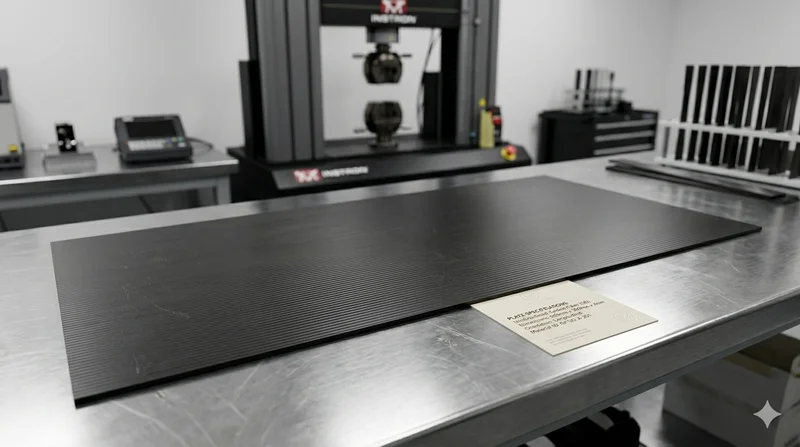
Carbon Fiber Plate — UD Unidirectional T700
Unidirectional carbon fiber plate with all fibers oriented in a single direction for maximum strength along the fiber axis. Essential for structural reinforcements, splints, and applications where load direction is predictable.
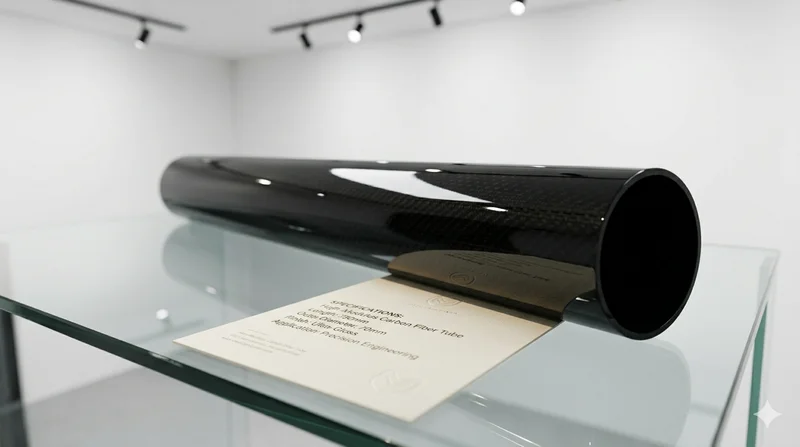
High Modulus Round Carbon Fiber Tube — M40
High modulus round tube manufactured with M40 grade fiber (tensile modulus 400 GPa). Designed for applications where maximum stiffness-to-weight ratio is critical, such as optical systems, precision machinery, and aerospace structures.