
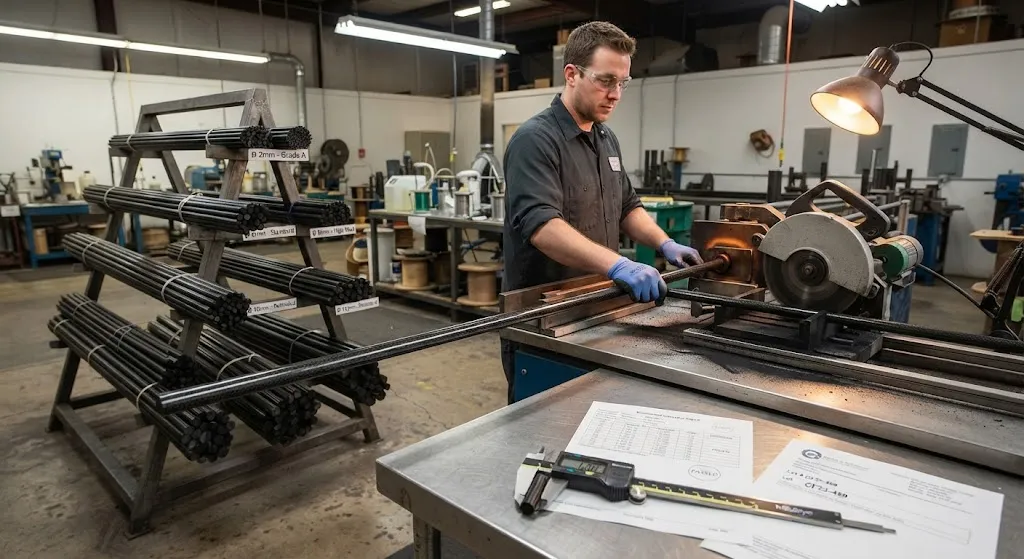
Carbon fiber rod blanks are the semi-finished round bars that become fishing rods, archery arrows, tent poles, model aircraft spars, medical braces, and aerospace pushrods. A rod blank is produced in continuous lengths by pultrusion or roll wrapping, then cut, tapered, and finished into the final co
Introduction
Carbon fiber rod blanks are the semi-finished round bars that become fishing rods, archery arrows, tent poles, model aircraft spars, medical braces, and aerospace pushrods. A rod blank is produced in continuous lengths by pultrusion or roll wrapping, then cut, tapered, and finished into the final component. For engineers and purchasing teams, the practical question is not whether carbon fiber rod blanks perform — it is how to source them with predictable quality, tolerances, and lead times. This article walks through the supply chain tiers behind rod blanks, the grades and formats buyers actually receive, custom cutting services, and the sourcing decisions that separate reliable supply from repeated rework.
Understanding the supply chain matters because rod blanks sit at the intersection of three very different industries: carbon fiber producers, profile manufacturers, and machine shops that cut and finish stock. Each tier has its own lead times, minimum quantities, and quality standards, and the buyer who understands where the value is added can negotiate better terms and avoid paying prototype prices for production volume.
The Carbon Fiber Rod Blank Supply Chain
The supply chain for carbon fiber rod blanks runs through four tiers. At the top sit fiber producers such as Toray, Teijin, and Zoltek, who supply carbon fiber tow in grades from standard-modulus T300 to intermediate-modulus T800 and high-modulus M-series fibers. Below them, profile manufacturers convert tow into continuous rod stock using two dominant processes: pultrusion, which pulls fiber through a heated die for dense, straight, low-cost rods, and roll wrapping, which wraps prepreg sheets around a mandrel for cosmetic 3K surfaces and higher interlaminar properties. At the third tier, distributors and rod blank stockists hold standard diameters in inventory and offer cutting to length. At the fourth tier, custom manufacturers wind or pultrude to specification and machine finished blanks with drilled, threaded, or tapered ends.
Lead times differ sharply across these tiers. A stockist cutting standard rod blanks can ship within days, a distributor with regional inventory within one to two weeks, and a custom pultrusion or roll-wrapping run typically takes four to eight weeks including tooling and process qualification. Budgeting for the right tier up front is the single most common mistake in rod blank procurement.
Grades and Formats: What You Are Actually Buying
Rod blanks are specified by process, fiber grade, diameter, and surface finish, and each combination targets a different price point. The table below summarizes the formats most commonly traded in the rod blank market:
| Format | Process | Typical Diameter | Fiber Grade | Surface | Typical Use |
|---|---|---|---|---|---|
| Pultruded solid rod | Pultrusion | 1-20 mm | T300-T700 | Matte, resin-rich | Arrows, tent poles, pushrods |
| Roll-wrapped rod | Roll wrapping | 3-25 mm | T700, 3K fabric | Glossy 3K weave | Fishing rods, cosmetic parts |
| Tapered rod blank | Grinding after wrapping | Variable | T700-T800 | Ground, smooth | Fly rods, premium fishing |
| High-modulus rod | Pultrusion | 2-10 mm | M40J-M55J | Matte | Aerospace, drone spars |
| Tubular blank (hollow) | Pultrusion or winding | 6-40 mm OD | T700 | Matte or braided | Lightweight structural columns |
For most applications, standard-modulus T700 rod blanks offer the best balance of stiffness, strength, and cost. High-modulus grades deliver roughly 30-50% more stiffness per unit weight but cost three to five times more per kilogram and are more brittle under impact, so they are justified only where flexural stiffness dominates the design requirement.
Custom Cutting Services for Carbon Fiber Rod Blanks
Most rod blank suppliers offer cutting to length as a standard service, and the quality of that cutting service matters more than buyers expect. A clean square cut on a diamond saw costs little but preserves fiber integrity at the end face; a burned or chipped cut can initiate splitting under load. Beyond straight cutting, suppliers increasingly offer secondary machining:
- Cutting to length: Diamond-blade saws hold length tolerances of ±0.5 mm on standard stock, with ±0.2 mm available on CNC-controlled cutters.
- End finishing: Chamfering and rounding of cut ends prevents edge splintering and makes the blank ready for ferrule or fitting assembly.
- Drilling and threading: Rod ends can be drilled for pin connections or threaded with bonded inserts; both operations require care because carbon fiber is abrasive and drills wear quickly.
- Taper grinding: For fishing rod and archery blanks, CNC taper grinding produces the progressive flex profile that defines rod action.
- Bonding and assembly: Some suppliers deliver finished sub-assemblies with ferrules, threaded ends, or eyelets already fitted.
When evaluating a cutting service, ask for the achievable length tolerance, whether end faces are sealed after cutting, and whether machined features are inspected dimensionally. These details separate a machine shop that understands composites from one that treats carbon rod like steel bar.
Lead Times, MOQs, and Quality Checks
Three commercial parameters dominate rod blank purchasing: minimum order quantity, lead time, and inspection documentation. Standard stock diameters cut to length typically carry no minimum beyond a single length, while custom pultrusion runs start at roughly 500-2000 meters and custom tapered blanks at 100-500 pieces. Custom orders require tooling or setup costs that amortize across the run, so small custom quantities are disproportionately expensive.
Quality checks on delivered rod blanks should cover four points:
- Diameter tolerance: Standard pultruded rod holds ±0.1 mm; premium grades hold ±0.05 mm. Measure across multiple points along the length.
- Straightness: Lay the rod on a flat surface and check for bow; acceptable straightness is typically 1-2 mm over 1 m length.
- Surface integrity: Look for pitting, dry fiber, or resin-starved areas, which reduce strength and indicate process instability.
- Batch documentation: A real manufacturer provides a certificate with fiber grade, resin system, fiber volume fraction, and cure data.
Requesting samples from the same production line rather than hand-picked pieces is the most reliable way to verify that a supplier's quality holds at volume.
Sourcing Strategy: Stock Rods versus OEM Blanks
For prototyping and low-volume production, buying cut-to-length stock from a distributor is almost always the right call: it avoids tooling costs, keeps lead times under two weeks, and lets the design team iterate on diameter and stiffness without committing to a production run. As volumes grow past the point where stock pricing or available diameters become limiting, moving to a custom pultrusion or roll-wrapping program with the same supplier preserves process continuity. A useful transition point is when a single rod specification exceeds roughly 1000 meters per year, where custom production typically undercuts stock pricing by 15-30% while enabling tighter tolerances and tailored stiffness.
Frequently Asked Questions
What exactly is a carbon fiber rod blank?
A carbon fiber rod blank is a semi-finished, continuous-length round bar made from carbon fiber and resin, produced by pultrusion or roll wrapping. It becomes the final product after cutting to length and finishing: fishing rods, arrows, tent poles, drone spars, pushrods, and medical devices are all made from rod blanks. Blanks are sold by diameter, fiber grade, and surface finish rather than as finished parts.
What diameter tolerances can I expect on pultruded rod blanks?
Standard pultruded carbon fiber rod holds a diameter tolerance of approximately ±0.1 mm, with premium grades at ±0.05 mm. Tolerances can be tightened on custom runs through die control and post-grinding, but tighter tolerances add cost. For assemblies that rely on press-fit or slip-fit connections, specify the tolerance class explicitly in the purchase order rather than assuming standard stock will hold it.
Can carbon fiber rod blanks be drilled and threaded?
Yes, but with care. Carbon fiber is highly abrasive and drills wear quickly, so carbide or diamond tooling is required. Through-holes near the rod end can be drilled for pin connections, and threaded connections are usually made with bonded metal inserts rather than cutting threads directly into the composite, because cut threads in composite have low pull-out strength. Suppliers offering bonded-insert threading deliver much more reliable joints than those cutting threads in the raw rod.
What minimum order quantities apply to custom rod blanks?
Custom pultruded rod runs typically start at 500-2000 meters, while custom tapered or roll-wrapped blanks start at 100-500 pieces, depending on tooling requirements. Standard stock diameters cut to length usually have no minimum beyond a single piece. If your volume falls below these levels, buy cut-to-length stock from a distributor; if it exceeds them, custom production usually saves 15-30% per meter and enables tighter tolerances.
Conclusion
Carbon fiber rod blanks are a mature, well-structured supply category, but the quality of what you receive depends on understanding the supply chain tier you are buying from. Stock cutting from a distributor serves prototyping and low volumes; custom pultrusion and roll wrapping serve production programs; and inspection of diameter, straightness, and batch documentation protects both. By matching the sourcing tier to your volume and specifying tolerances and surface requirements explicitly, you convert rod blank purchasing from a gamble into an engineering input you can design around.
YongXian supplies carbon fiber rods, tubes, and profiles with custom cutting and machining services. Explore our carbon fiber rod and profile range or contact our team with your diameter, length, and volume requirements for a quote.
Part of topic
Related Articles
- Carbon Fibre for Sale: Reading Listings, Grades and Lead Times
- Carbon Fiber Near Me: Why Local Sourcing Beats Cross-Border for Prototyping
- Carbon Fiber Tube Shop: Selecting the Right Supplier for Custom and Standard Tubes
- Carbon Fiber Sheet Price: Factors Affecting Cost per Square Meter
- Carbon Fibre Sheet Supplier UK: Sourcing Options and Specification Checklist
- Carbon Fiber Sheets Near Me Suppliers: Local Stock vs Factory Direct
Interested in Our Products?
Contact our team for competitive pricing and technical specifications.
Get a QuoteRelated Products
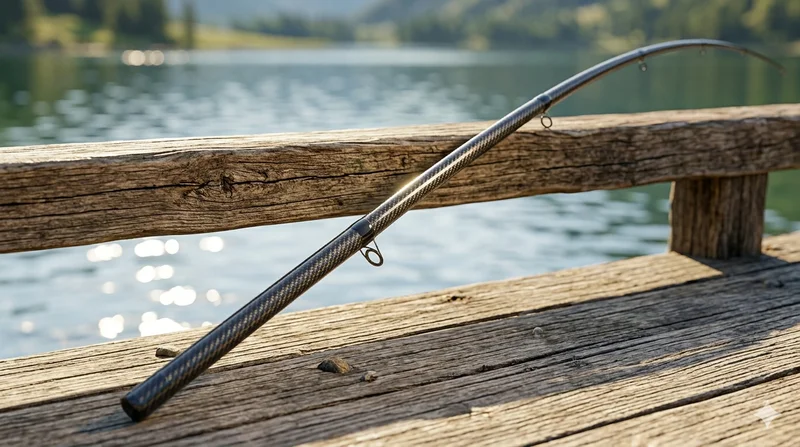
Carbon Fiber Fishing Rod Blank
High-quality carbon fiber fishing rod blank manufactured from multiple grades of Toray carbon fiber cloth. Available in a wide range of lengths, powers, and actions for freshwater and saltwater applications. Suitable for OEM rod building.
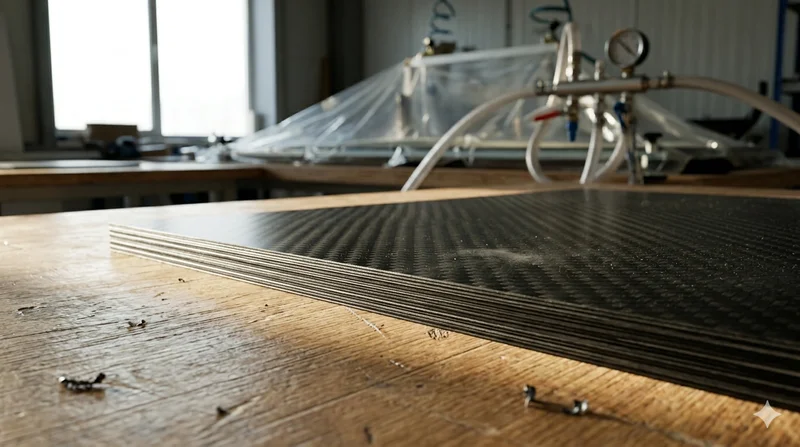
Carbon Fiber Plate — 3K Twill T700 3.0mm
Medium-thickness 3.0mm carbon fiber plate offering significantly higher load capacity while maintaining attractive 3K twill finish. Suitable for structural brackets, reinforcement plates, and load-bearing panels.

Carbon Fiber Plate — 3K Twill T700 1.5mm
Thin 1.5mm carbon fiber plate with 3K twill weave surface. Lightweight and stiff, commonly used for covers, panels, drone bodies, and applications requiring a premium aesthetic appearance.
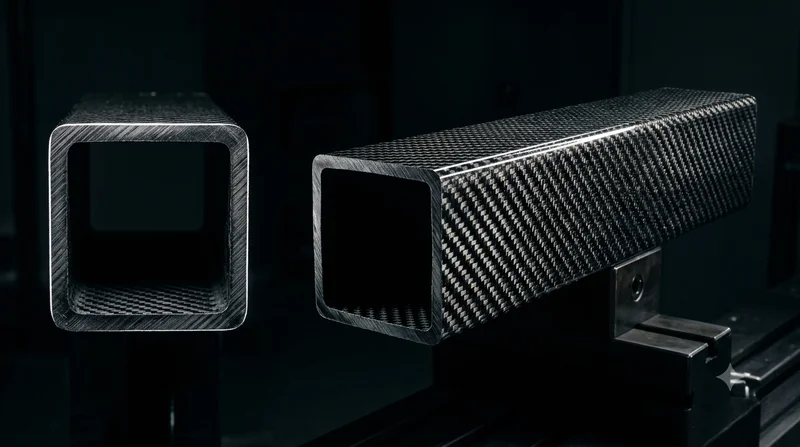
Square Carbon Fiber Tube — 3K Twill T700
Square cross-section carbon fiber tube manufactured with 3K twill weave for torsional strength. Preferred for structural frames, trusses, and support columns where rectangular geometry offers design flexibility.
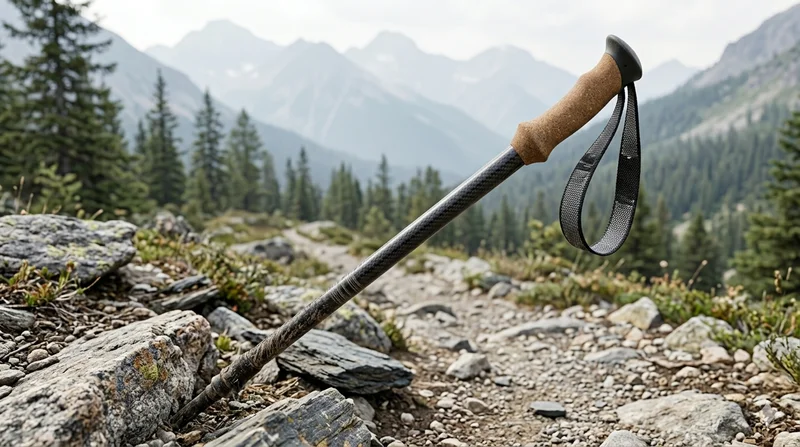
Carbon Fiber Trekking Pole
Lightweight carbon fiber trekking pole manufactured from high-grade carbon fiber tube. Weighs only 160g per pole while providing superior shock absorption and durability for hiking, trail running, and backpacking.