
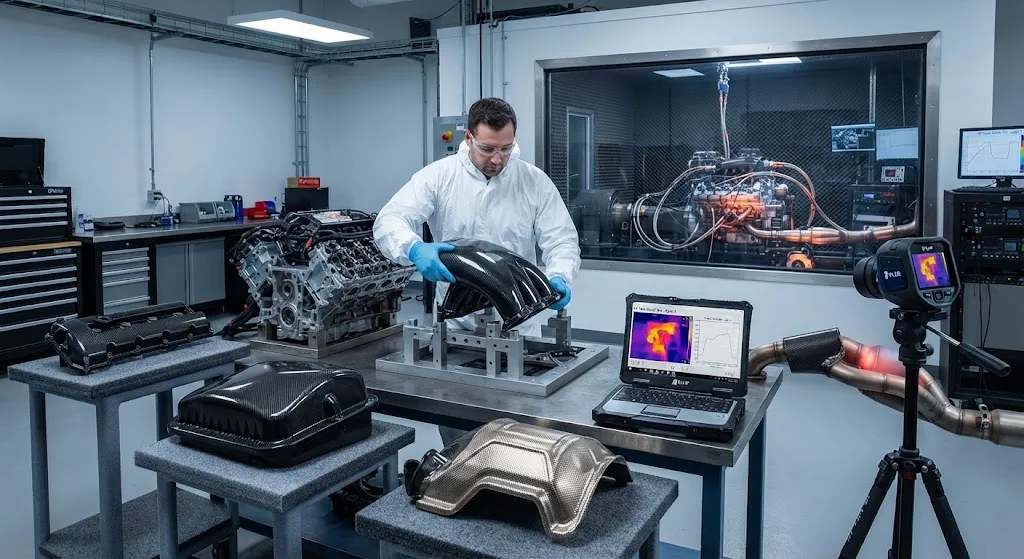
Carbon fiber engine parts have crossed from the styling catalog into real powertrain engineering, driven by the same logic that put carbon brakes and body panels on racing cars: every gram above the front axle hurts handling, and every gram of rotating mass costs power. An intake manifold, valve cov
Introduction
Carbon fiber engine parts have crossed from the styling catalog into real powertrain engineering, driven by the same logic that put carbon brakes and body panels on racing cars: every gram above the front axle hurts handling, and every gram of rotating mass costs power. An intake manifold, valve cover, or engine cover made from carbon fiber weighs 50-70% less than its aluminum equivalent, and when that saving sits high in the engine bay, it lowers the center of gravity and improves turn-in. For racing teams and performance-vehicle programs, carbon fiber engine parts are no longer cosmetic — they are a measurable part of the weight budget.
This article covers the applications where carbon fiber engine parts deliver real gains, the temperature limits that define the material system for each component, the special engineering problems of carbon fiber pistons and other reciprocating parts, and a quantitative comparison of composite engine parts against steel and aluminum.
Carbon Fiber Engine Parts: Where They Deliver
The most successful carbon fiber engine parts are the static components that surround the combustion chamber rather than the parts inside it. The table below summarizes the typical candidates, their weight saving, and the temperatures they must survive:
| Component | Typical Weight Saving vs Aluminum | Max Service Temperature | Primary Benefit |
|---|---|---|---|
| Air intake manifold | 50-65% | 120-150 °C (charge air) | Lower inertia, better packaging |
| Valve cover / cam cover | 55-70% | 150-180 °C (radiant + oil mist) | Mass above front axle |
| Engine cover / shroud | 60-70% | 120-160 °C | Styling + acoustic damping |
| Heat shields | 40-60% | 200-400 °C (localized) | Thermal management |
| Airbox / intake duct | 55-65% | 90-130 °C | Plenum volume, filtration |
These parts work because they carry structural and packaging loads rather than combustion loads. A carbon fiber intake manifold, for example, must hold a pressure differential of only 1-3 bar at charge-air temperatures, a modest structural demand that a woven or unidirectional layup meets with a large safety margin. The value is concentrated in the weight: moving 3-6 kg out of the top of the engine bay changes pitch response, and on a track car that translates directly into lap time.
High-Temperature Limits of CFRP Engine Components
The boundary condition for every CFRP engine component is temperature, because the polymer matrix softens and degrades long before the carbon fiber does. Carbon fiber itself retains strength beyond 1000 °C in an inert atmosphere, but the resin system around it sets the usable limit of the part. The table below shows the realistic service ceilings for the matrix systems used in engine compartments:
| Matrix System | Continuous Service Limit | Short-Term Peak | Typical Engine Part Use |
|---|---|---|---|
| Standard epoxy | 120-150 °C | 180 °C | Airboxes, engine covers |
| High-temperature epoxy | 160-180 °C | 210 °C | Intake manifolds, valve covers |
| Bismaleimide (BMI) | 200-230 °C | 260 °C | Racing valve covers, shrouds |
| Polyether ether ketone (PEEK) | 250-300 °C | 310 °C | Pistons, bushings, brackets |
| Phenolic | 180-200 °C | 250 °C | Heat shields, spacers |
Designers also have to account for the temperature the part actually sees, not the one under the hood in general. A valve cover sits close to exhaust manifolds and receives radiant heat plus oil mist, so its surface can reach 150-180 °C even when the coolant stays at 90 °C. The safest approach is a thermocouple study of the actual mounting location before committing to a matrix system, then selecting a resin with a continuous-service rating at least 20-30 °C above the measured peak.
Carbon Fiber Pistons and Reciprocating Parts
Carbon fiber pistons are the most discussed and least common carbon fiber engine parts, for good reason. A piston must survive combustion pressure spikes of 80-150 bar, surface temperatures above 300 °C at the crown, and continuous sliding contact against the cylinder wall. No carbon fiber composite offers the fatigue life and wear resistance of a forged aluminum piston under those conditions, which is why carbon fiber pistons remain a research subject rather than a catalog item. What has succeeded is a hybrid approach: carbon fiber composites in the components that support the piston system rather than inside the combustion chamber itself.
- Connecting rod covers and windage trays: Lightweight carbon fiber panels replace stamped steel under the crankshaft, cutting oil-drag losses and lowering the engine's center of mass.
- Cam carrier and bracket parts: CFRP brackets for camshaft sensors, coils, and injection hardware remove 100-300 g per mounting point with no thermal risk.
- Piston skirts and bushings (PEEK-based): Short-fiber carbon reinforced PEEK appears in low-load sliding applications where its 250-300 °C ceiling and low friction coefficient beat aluminum.
- Flywheel and pulley covers: Containment shields and timing covers use carbon fiber for stiffness and burst resistance at a fraction of the steel weight.
The lesson for buyers is that carbon fiber engine parts for reciprocating duty exist mainly outside the combustion chamber. Any listing that promises a full carbon fiber piston for a road engine should be treated with skepticism — it will either be a cosmetic cap over an aluminum piston or a prototype with limited service life.
Composite Engine Parts vs Steel and Aluminum
Choosing between composite engine parts and metal requires a clear-eyed comparison, because the composite wins on weight and vibration but loses on thermal headroom and cost. The table below summarizes the trade-offs for typical static engine components:
| Criterion | Carbon Fiber Composite | Aluminum | Steel |
|---|---|---|---|
| Density | 1.5-1.6 g/cm³ | 2.7 g/cm³ | 7.8 g/cm³ |
| Weight saving vs steel | 60-75% | 40-50% | Baseline |
| Continuous temp ceiling | 150-300 °C (by matrix) | 400+ °C | 600+ °C |
| Vibration damping | Excellent | Moderate | Low |
| Tooling cost (low volume) | Low to medium | Medium | High |
| Per-part cost at 100-1000 units | Medium | Low | Low |
The decision framework is straightforward. For components that stay below 180 °C — manifolds, covers, air systems, brackets — carbon fiber engine parts offer the best weight-to-stiffness ratio in the engine bay and excellent NVH behavior. For components that see sustained heat above 200 °C, move to BMI or PEEK systems, or keep the part in aluminum and accept the weight. The composite never replaces metal inside the combustion chamber; it replaces metal everywhere around it.
Frequently Asked Questions
Are carbon fiber engine parts safe near hot exhaust components?
Yes, when the matrix system is specified for the actual service temperature. The danger is not carbon fiber but the wrong resin: a standard epoxy part placed within 50 mm of an exhaust manifold will soften and creep. The mitigation is a thermocouple survey of the mounting location, selection of a resin with a 20-30 °C margin above the measured peak, and a ceramic or titanium heat shield for components exposed to radiant heat above 200 °C. Racing teams have run carbon fiber valve covers and intake systems for decades with this specification discipline.
How much weight do carbon fiber engine parts actually save?
Compared with aluminum, a well-designed carbon fiber engine part saves 50-70% of the component weight. A typical aluminum intake manifold weighs 3-5 kg; a carbon fiber equivalent is 1.2-2 kg. A valve cover drops from roughly 1.5-2.5 kg to 0.5-0.8 kg. Across a full set — manifold, valve covers, airbox, engine cover, and brackets — a builder can remove 5-10 kg from the top of the vehicle, which improves front-axle load distribution and lowering the center of gravity.
Why aren't carbon fiber pistons common in production engines?
Because the service conditions exceed what any polymer matrix can survive over an engine's life. A piston crown sees 300 °C or more, combustion spikes of 80-150 bar, and continuous sliding wear against the bore. Current composites lack the fatigue life, thermal stability, and wear resistance of forged aluminum in that duty. The practical use of carbon fiber in the piston system is limited to PEEK-based skirts or bushings in low-load applications and to the brackets, covers, and trays around the reciprocating assembly, where the material's strengths are fully usable.
Can I use standard carbon fiber sheet to make my own engine covers?
Yes, for parts that stay below the resin's service temperature. A DIY engine cover or airbox made from standard epoxy carbon fiber sheet is fine in most street cars because the part is mounted away from direct exhaust heat. What you must verify is the glass transition temperature of the specific prepreg or sheet you buy — marine and automotive cosmetic grades are typically rated to 120-150 °C, while aerospace and tooling grades reach 180 °C or more. For anything mounted near the exhaust, choose a high-temperature system or add shielding.
Conclusion
Carbon fiber engine parts have earned a permanent place in racing and performance-vehicle programs because the weight sits exactly where it hurts most: high on the front axle and on rotating assemblies. Intake manifolds, valve covers, airboxes, and brackets deliver 50-70% weight savings at service temperatures the right resin system handles with margin, while carbon fiber pistons remain a research curiosity rather than a production reality. The engineering rule is simple — keep the composite outside the combustion chamber, match the matrix to the measured temperature, and the weight saving is real, repeatable, and safe.
YongXian supplies carbon fiber sheets, fabrics, and prepregs in matrix systems from standard epoxy to high-temperature grades for engine-compartment parts. Browse our carbon fiber material range or contact our engineering team with your component temperatures and weight targets to select the right material system for your carbon fiber engine parts.
Related Articles
- Carbon Fiber Tube for Sale: Comparing Listings and Avoiding Bad Specs
- Carbon Fiber Body Parts: Automotive Exterior Panels and Structural Components
- Carbon Fiber Drone Body Manufacturing: Monocoque Design and Production Methods
- Carbon Fiber Drone Parts Supplier: FPV Frames, Arms and Structural Components
- Filament Wound Epoxy Tubes: Industrial Applications from Oil and Gas to Aerospace
- Carbon Fiber Rod Near Me: Stock Sizes, Tolerances and Local Availability
Interested in Our Products?
Contact our team for competitive pricing and technical specifications.
Get a QuoteRelated Products

Carbon Fiber Plate — 3K Twill T700 3.0mm
Medium-thickness 3.0mm carbon fiber plate offering significantly higher load capacity while maintaining attractive 3K twill finish. Suitable for structural brackets, reinforcement plates, and load-bearing panels.

Carbon Fiber Plate — 3K Twill T700 1.5mm
Thin 1.5mm carbon fiber plate with 3K twill weave surface. Lightweight and stiff, commonly used for covers, panels, drone bodies, and applications requiring a premium aesthetic appearance.

Square Carbon Fiber Tube — 3K Twill T700
Square cross-section carbon fiber tube manufactured with 3K twill weave for torsional strength. Preferred for structural frames, trusses, and support columns where rectangular geometry offers design flexibility.
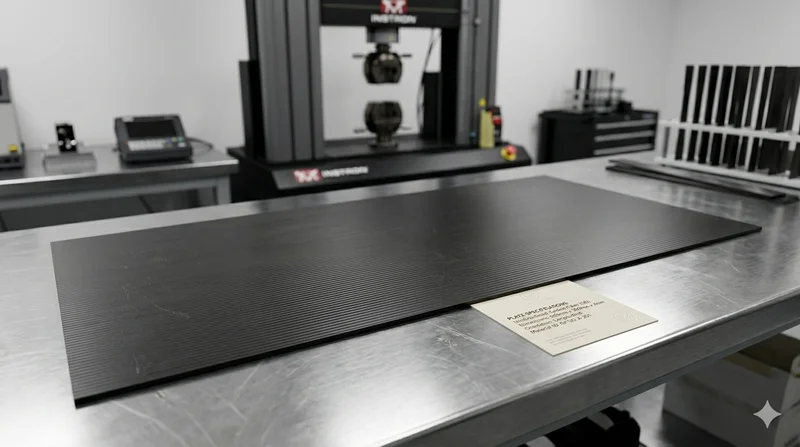
Carbon Fiber Plate — UD Unidirectional T700
Unidirectional carbon fiber plate with all fibers oriented in a single direction for maximum strength along the fiber axis. Essential for structural reinforcements, splints, and applications where load direction is predictable.
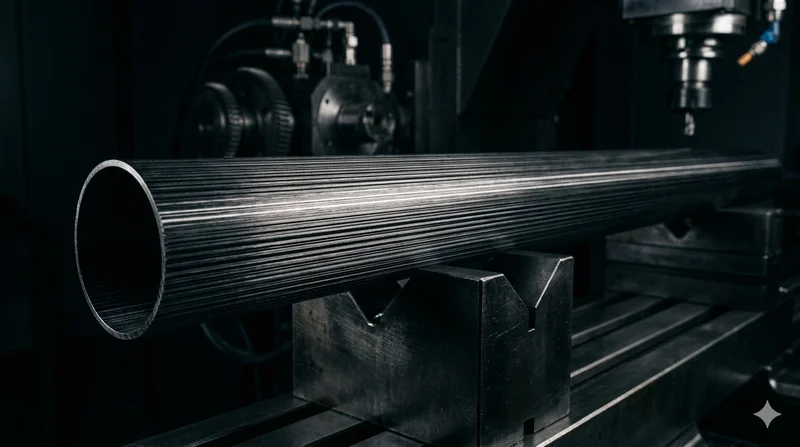
Round Carbon Fiber Tube — UD Unidirectional T700
Unidirectional (UD) round tube with all fibers aligned axially for maximum longitudinal stiffness. Ideal for applications requiring high bending rigidity with minimal weight, such as shafts, struts, and structural reinforcements.