Upgrading with carbon fiber bike parts is less about chasing the lightest number on a spec sheet and more about matching stiffness, clamp loads and riding purpose to the frame you already own. A fork, handlebar and wheelset change can remove 600–900 g from a road bike and alter how it feels far more
Introduction
Upgrading with carbon fiber bike parts is less about chasing the lightest number on a spec sheet and more about matching stiffness, clamp loads and riding purpose to the frame you already own. A fork, handlebar and wheelset change can remove 600–900 g from a road bike and alter how it feels far more than a frame swap at three times the cost. This guide sets out what each component actually weighs, where the material earns its price, how carbon behaves on a road e-bike, and what to inspect before buying a closeout road bike or a used frame.
What Carbon Fiber Bike Parts Weigh and Cost
Component weight is quoted per size, so treat any single figure as a range rather than a specification. The table below gives typical mid-range road values and indicative retail prices; a boutique brand can double the price for a 5 % weight saving.
| Component | Typical carbon weight | Comparable aluminium | Indicative price | Upgrade note |
|---|---|---|---|---|
| Road frame, 56 cm | 850–1050 g | 1250–1500 g | USD 700–2500 | Biggest cost, smallest proportional gain |
| Fork, rim or disc | 330–420 g | 550–650 g | USD 150–500 | Changes steering feel and comfort |
| Handlebar, 42 cm | 180–230 g | 280–330 g | USD 80–350 | Check clamp diameter and cable routing |
| Seatpost | 150–220 g | 250–320 g | USD 70–300 | Setback and diameter must match the frame |
| Wheelset, 45 mm rim | 1350–1650 g | 1800–2100 g | USD 500–2500 | Largest effect on acceleration and ride quality |
| Crankset | 350–450 g | 550–700 g | USD 200–800 | Confirm bottom bracket standard before buying |
Prices are indicative market ranges, not quotations from YongXian, and they move with rim depth, hub choice and finish.
Frame and Fork Upgrades with Carbon Fiber Bike Parts
A carbon frame saves 400–500 g over aluminium and, more importantly, allows the tube shapes that make a bike stiff at the bottom bracket while staying compliant at the seatpost. Fork replacement is the better first upgrade for most riders: a 350 g carbon fork with a tapered steerer sharpens turn-in and damps road buzz that a 600 g alloy fork transmits straight to the bars. Two dimensions decide whether a fork fits — steerer diameter (1-1/8 inch straight or 1-1/8 to 1.5 inch tapered) and axle-to-crown length, which must stay within about 5 mm of the original or the handling geometry changes.
Layup matters as much as weight. Frames built from unidirectional T700 or T800 plies orient stiffness where the pedalling load arrives and leave the rest of the tube thin, while woven outer plies add impact tolerance and the cosmetic finish. A frame that is 80 g heavier but uses a tougher outer weave is usually the better long-term purchase, and it is the specification worth asking a supplier to document rather than the bare frame mass.
Carbon Fiber Bike Parts for Cockpit, Seatpost and Wheels
The cockpit is where weight savings are cheapest. A carbon handlebar, seatpost and saddle rail set typically removes 250–350 g for a few hundred dollars and also reduces the high-frequency vibration reaching the hands, because carbon's damping is an order of magnitude better than aluminium at the same stiffness. Two rules keep carbon cockpits safe: always use a calibrated torque wrench, and always use carbon assembly paste instead of grease on clamped surfaces. Over-torquing a stem faceplate is the single most common way riders crush a carbon bar.
Carbon Fiber Road E-Bikes: Where the Material Helps
Carbon fiber road e-bikes are a different engineering problem from a pedal road bike, because the motor and battery add 2–4 kg that no tube shape can remove. The material still earns its place in three places. First, the frame: a carbon e-road frame keeps total weight near 11–13 kg instead of 14–16 kg, which matters every time the rider lifts the bike onto a rack. Second, the battery enclosure and motor mount, where carbon sheets and machined plates carry concentrated loads without adding mass. Third, the fork — a mid-drive e-road bike puts more mass over the front wheel under braking, so fork stiffness matters more than on an unassisted bike. What carbon cannot do is compensate for an oversized battery; the honest trade is range against weight, and the frame should be specified for the load, not for the lightest possible layup. Chainstay and motor-mount stiffness also drive how directly a mid-drive delivers torque, so an e-road frame is deliberately overbuilt in that region compared with a pedal frame of the same weight class.
Closeout Carbon Fiber Road Bikes: What to Inspect
A carbon fiber road bikes closeout listing usually means an end-of-model-year frame or a returned build, and the discounts are real. The risk is not the material but the history. Walk through this list before money changes hands.
- Frame alignment and dropouts: the wheel should sit centred with even clearance on both chainstays, and a dropout that needs force to accept the axle is a reject.
- Bottom bracket and threads: on a threaded shell, run the cups in by hand first; a pressed shell should show no movement or creak marks.
- Steerer tube: measure remaining length before buying, because a cut steerer cannot be restored and limits stem and spacer options.
- Impact and delamination: tap the tubes with a coin and listen for a dull, hollow note, then inspect the down tube, chainstays and fork crown for cracks in the paint or crushed weave.
- Crash history: ask directly, and check lever scuffs, saddle corner damage and pedal body rash, which usually survive a repair.
- Serial number and warranty transfer: confirm the frame number is legible and whether the original warranty transfers to a second owner, since many do not.
Torque and Clamp Limits for Carbon Components
Carbon fails by crushing, not by bending, so the fastener value matters more than the part. The values below are typical manufacturer ranges for M5 and M6 hardware; always follow the marking printed on the component if it differs.
| Joint | Typical torque | Thread prep | Failure to avoid |
|---|---|---|---|
| Stem faceplate, M5 | 5–6 Nm | Dry, cross pattern, two passes | Crushed bar at the clamp |
| Seatpost binder, M5 | 5–7 Nm | Carbon assembly paste | Ovalised post, slipping saddle height |
| Saddle rail clamp, M5 | 5–7 Nm | Paste on rails only | Pinched or cracked rails |
| Brake caliper, M6 | 6–8 Nm | Light grease on threads | Stripped alloy insert in carbon fork |
| Pedal into carbon crank | 35–40 Nm | Grease on threads | Galled or pulled pedal insert |
Two habits prevent most damage: re-check torque after the first ride, because carbon settles under clamp load, and never clamp a carbon tube in a workshop vice without soft jaws and a support mandrel.
Frequently Asked Questions
Is a carbon frame actually stronger than aluminium?
Not in impact terms. A well-made carbon frame has higher specific stiffness and better fatigue life than aluminium, but it is more sensitive to point loads and to crushing at clamps. Carbon survives millions of load cycles that would crack an alloy frame, yet a single poorly placed impact can delaminate a tube.
Can I put carbon fiber bike parts on an aluminium frame?
Yes, and it is one of the most cost-effective upgrades available. A carbon fork, seatpost and handlebar work on any frame with matching dimensions. The only caveat is the interface: use carbon assembly paste and a torque wrench wherever carbon meets a metal clamp.
What should I check first on closeout carbon wheels?
Spin them in the frame and watch the rim for lateral runout, then squeeze pairs of spokes to feel for even tension. Check the brake track or disc rotor mount for wear, and inspect the hub bearings for roughness by hand. A wheel that needs truing from new usually means a hard prior impact.
Do carbon fiber road e-bikes need a different frame layup?
Yes. An e-road frame is specified for higher torsional loads at the motor mount and for a heavier battery, so the layup is stiffer and slightly heavier than a pedal frame. Using a pedal frame layup for a mid-drive conversion can exceed the design loads at the bottom bracket area.
Conclusion
Carbon fiber bike parts reward a plan more than a budget. Start with the fork, cockpit and wheels, where the cost per gram saved is lowest, then decide whether a frame is worth it. Match every clamp to the manufacturer's torque value, verify dimensions before ordering, and inspect a closeout frame or wheelset the way you would inspect any used structural component — because that is exactly what it is.
YongXian supplies carbon fiber tubes, sheets, plates and machined components used in bike frames, forks, cockpits and e-bike hardware. Browse our carbon fiber range or contact our team with your dimensions and layup requirements.
Part of topic
Related Articles
- Carbon Fiber Intake Tube: Engine Air Induction Systems
- Carbon Fiber Arrow Shafts: Spine Selection and Performance
- Car Carbon Fiber Gear Knob: Shift Knob Buying Guide
- Carbon Fiber Road Glide Fairing: Lightweight Upgrade Options
- Carbon Fiber Road Glide Fender: Aftermarket Options
- Carbon Fiber Sheets for Cars: Interior, Exterior and Structural Uses
Interested in Our Products?
Contact our team for competitive pricing and technical specifications.
Get a QuoteRelated Products
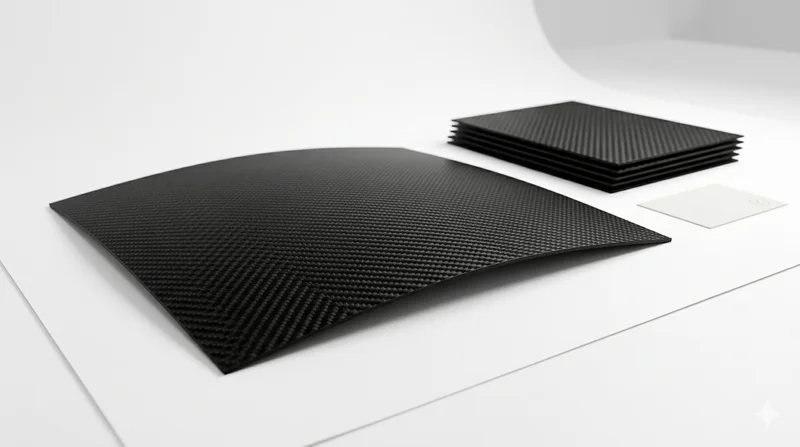
Carbon Fiber Plate — 3K Twill T700 1.5mm
Thin 1.5mm carbon fiber plate with 3K twill weave surface. Lightweight and stiff, commonly used for covers, panels, drone bodies, and applications requiring a premium aesthetic appearance.
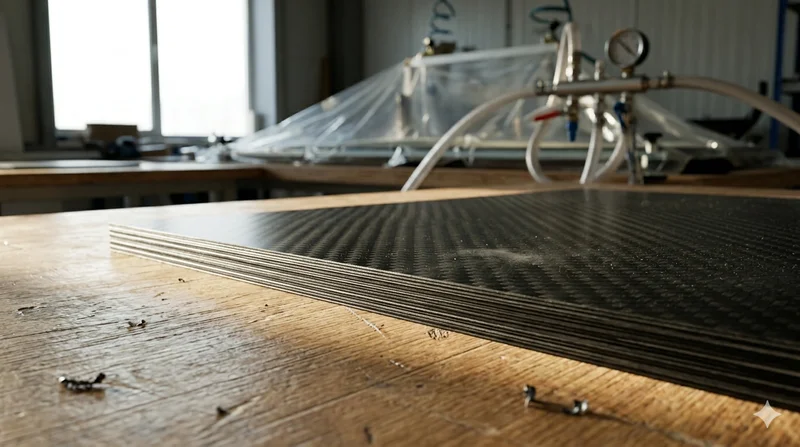
Carbon Fiber Plate — 3K Twill T700 3.0mm
Medium-thickness 3.0mm carbon fiber plate offering significantly higher load capacity while maintaining attractive 3K twill finish. Suitable for structural brackets, reinforcement plates, and load-bearing panels.
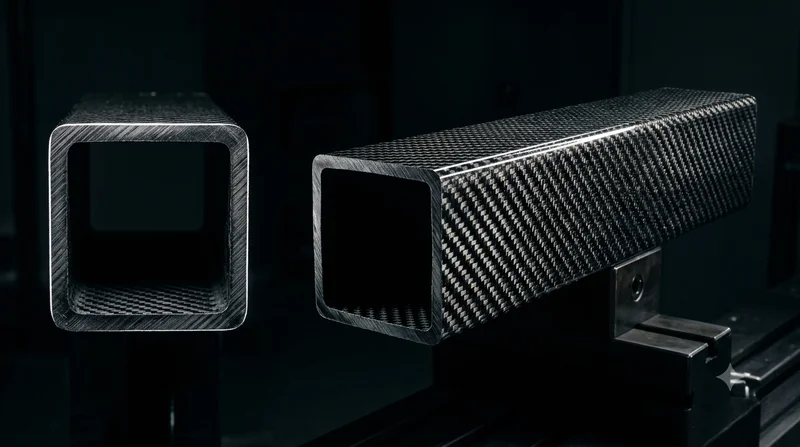
Square Carbon Fiber Tube — 3K Twill T700
Square cross-section carbon fiber tube manufactured with 3K twill weave for torsional strength. Preferred for structural frames, trusses, and support columns where rectangular geometry offers design flexibility.
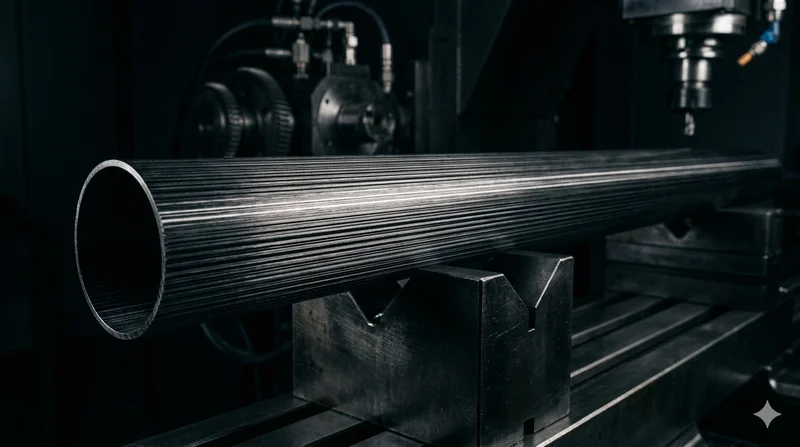
Round Carbon Fiber Tube — UD Unidirectional T700
Unidirectional (UD) round tube with all fibers aligned axially for maximum longitudinal stiffness. Ideal for applications requiring high bending rigidity with minimal weight, such as shafts, struts, and structural reinforcements.
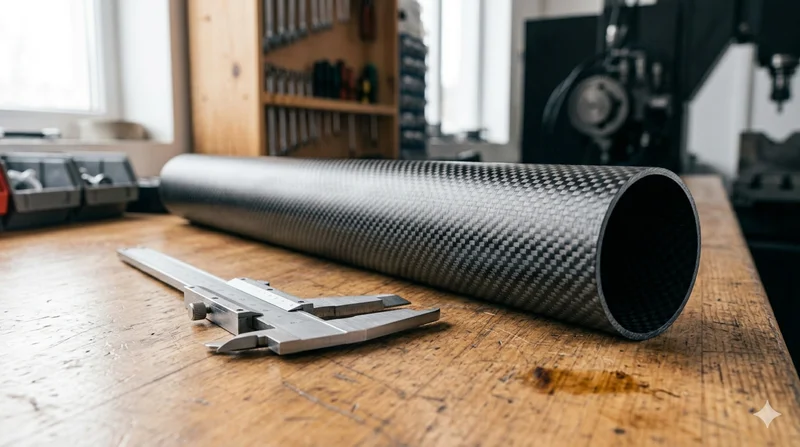
Round Carbon Fiber Tube — 3K Plain Weave T700
Standard round carbon fiber tube manufactured from Toray T700 grade fiber with 3K plain weave. Offers balanced strength and stiffness for general industrial applications including robotics, automation, sports equipment, and aerospace structures.