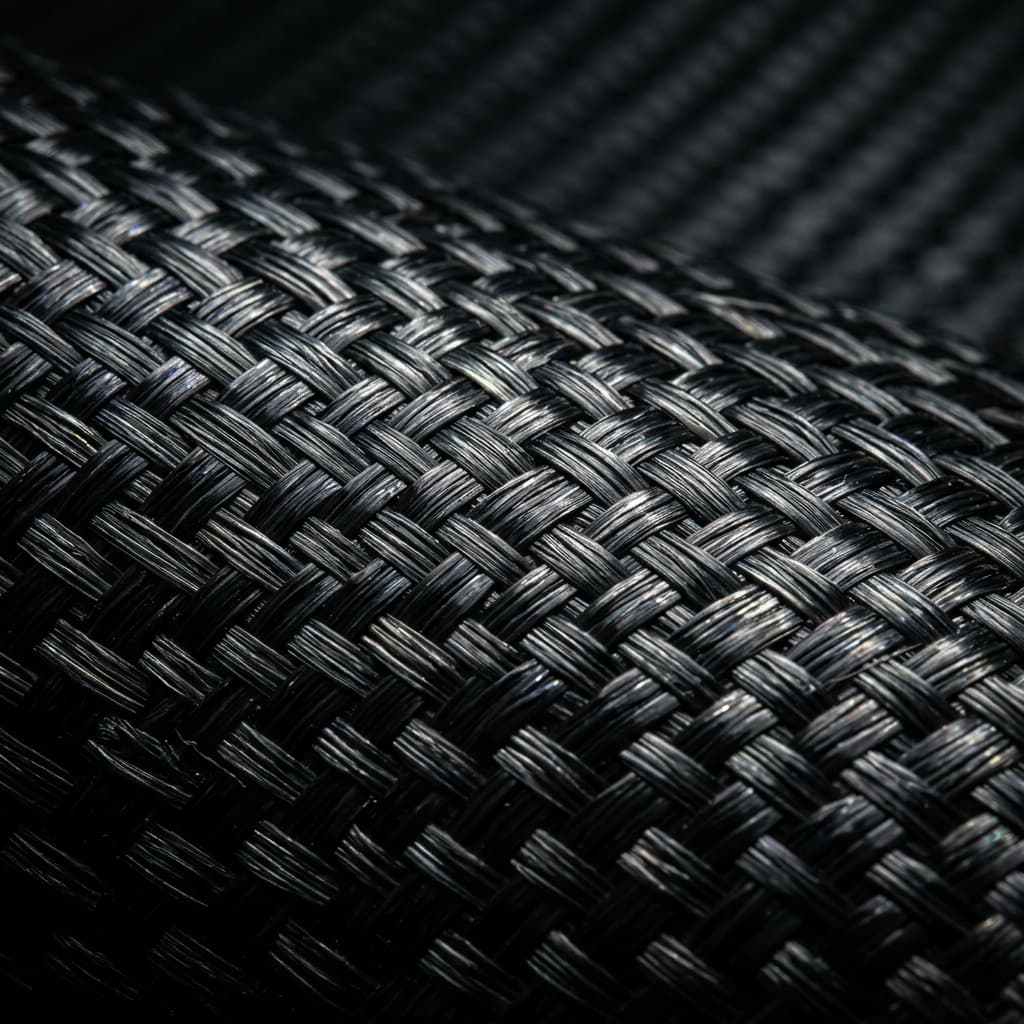
A carbon fiber road glide fairing is the most visible weight-saving upgrade on the shark-nose touring platform, because the fixed fairing is large, heavy and mounted high. It is frame-mounted, so it adds no unsprung mass, but its mass sits high and forward, exactly where a reduction improves steerin
Introduction
A carbon fiber road glide fairing is the most visible weight-saving upgrade on the shark-nose touring platform, because the fixed fairing is large, heavy and mounted high. It is frame-mounted, so it adds no unsprung mass, but its mass sits high and forward, exactly where a reduction improves steering feel. A complete stock assembly weighs 7.5 to 11 kilograms.
A carbon fiber road glide fairing is not one part but a family of parts: the outer shell, the inner structure, or both can be replaced, each with different cost and installation effort. This article gives weight and cost ranges per configuration, compares prepreg with wet layup on a large panel, and covers the coating and fitment issues that decide success.
What the Stock Road Glide Fairing Weighs
Road Glide fairings are moulded ABS with a separate inner structure carrying the vents, infotainment unit and frame mounting points. Because the fairing is load-bearing rather than cosmetic, weight varies widely with equipment. The ranges below are typical for stock assemblies.
| Assembly Component | Stock ABS Weight | Pre-Preg Carbon | Wet Layup Carbon |
|---|---|---|---|
| Outer shell only | 2.6–3.6 kg | 1.10–1.70 kg | 1.50–2.20 kg |
| Inner structure only | 2.0–2.8 kg | 0.90–1.40 kg | 1.20–1.80 kg |
| Windshield and trim | 1.2–1.8 kg | 0.35–0.70 kg | 0.45–0.85 kg |
| Vents, brackets, fasteners | 1.7–2.8 kg | 1.50–2.60 kg | 1.50–2.60 kg |
| Complete assembly | 7.5–11.0 kg | 3.85–6.40 kg | 4.65–7.45 kg |
| Typical shell wall thickness | 2.8–4.0 mm | 1.6–2.4 mm | 2.2–3.2 mm |
| Flexural modulus of panel | 2.0–2.4 GPa | 55–70 GPa | 35–50 GPa |
| Indicative outer shell price | USD 450–1,100 | USD 1,100–2,400 | USD 650–1,300 |
| Indicative shell plus inner | USD 800–1,900 | USD 1,900–4,200 | USD 1,200–2,400 |
Read the assembly row carefully. Vents, brackets and fasteners carry over from the stock fairing, so they do not get lighter, and that hardware sets a floor under the total saving. A realistic shell-and-inner swap cuts fairing mass by 35 to 50 percent, not the 60 percent the shell alone suggests — still 3 to 4.5 kilograms from a high position.
Pre-Preg Versus Wet Layup for Large Panels
The construction choice matters more here than on a small fender: a fairing shell is a large, thin, doubly curved panel that must hold shape.
Pre-preg laminate, cured at 120 to 130 degrees Celsius under vacuum or autoclave pressure, delivers a fibre volume fraction near 55 to 60 percent with low voids. That lets a 1.8 millimetre carbon wall replace a 3.5 millimetre ABS wall without oil-canning under hand pressure or highway wind load.
Wet layup at this size is harder to execute: resin content drifts toward 45 to 55 percent, so the laminate is heavier for the same stiffness. A vacuum-bagged wet-lay shell with a proper gel coat is viable and much cheaper than pre-preg, but watch for a shell thin in the middle and thick at the edges — ask for a thickness map or measure six points yourself.
Carbon Fiber Road Glide Fairing Configurations
There are three practical ways into this upgrade, and they answer different questions.
- Outer shell only: cheapest entry and most visible change, saving roughly 1.5 to 2.0 kilograms while reusing the stock inner structure, vents and brackets. Check that mounting flange thickness matches the stock part.
- Shell and inner structure: this is where the mass actually goes. Combined saving reaches 3 to 4.5 kilograms, and the inner structure can use carbon ribs and bonded inserts stiffer than the ABS original. Buy both from one supplier.
- Cosmetic and trim parts: trim strips, vent covers, gauge bezels and the windshield are often replaced together for visual consistency. A carbon fiber road glide windshield is a useful companion upgrade in different heights and tints.
Coating, Gloss and UV Performance
A fairing is a large sun-facing surface, so coating quality shows up fast. Epoxy resin is not UV stable and chalks grey if left bare. The correct finish is a two-component polyurethane clear coat with UV absorbers at 70 to 130 micrometres dry film, which holds gloss five years or more.
Budget fairings often use single-component acrylic lacquer, which yellows within one to two years of sun. If a supplier cannot state the coating chemistry and film thickness, treat the finish as unknown and budget for a recoat.
Carbon Fiber Road Glide Fairing Fitment and Installation
Fairing fitment is a bigger project than fender fitment and deserves more planning. Confirm the following:
- Generation and year span: shape, vent layout and mounting points changed across generations, so require an explicit year range and ask whether the tooling came from a factory part or a laser scan.
- Vent and infotainment cut-outs: confirm the shell ships with the correct vent apertures and, where fitted, the infotainment opening. Cutting carbon afterwards ruins the finish.
- Mounting flange and inserts: ask for hole positions within about plus or minus 1.5 millimetres of the OEM pattern, and confirm whether the shell ships with bonded threaded inserts.
- Windshield interface: windshield holes must align with both the shell and the inner structure, so specify height and hardware if bought together.
- Hardware plan: list which fasteners, grommets and isolators transfer from the stock fairing and which must be bought. Rivnuts and well nuts are consumables.
- Torque and isolation: bolt carbon-to-carbon and carbon-to-metal joints through rubber or nylon isolators, and torque to specification. Carbon does not yield like ABS.
- Trial fit before coating: assemble shell, inner structure and windshield on the motorcycle before final finishing, so alignment problems surface in time.
The inner structure is where torque discipline pays off. Bonded threaded inserts are normally M6 stainless or aluminium rivnuts set into a scuffed, degreased laminate with a 0.2 to 0.5 millimetre structural adhesive bond line; a starved or over-thick bond line is the usual cause of a spinning insert. Fasten the shell to the inner structure in stages, working diagonally across the flange at roughly 40, 70 and 100 percent of final torque, so the part seats without preloading one corner.
Inspection Checklist on Arrival
Inspect a fairing shell on a flat bench in daylight, because waviness only shows in raking light. Check for voids and dry patches, especially around vent openings, and sight along the edge for consistent wall thickness: a shell tapering from 2.5 to 1.2 millimetres toward the centre will flex under wind load. Confirm the weave is symmetrical, verify hole positions with a caliper, weigh the part against the quoted figure, and flex the flanges gently — cracking means an insert bond is failing.
Frequently Asked Questions
How much weight does a carbon fiber Road Glide fairing actually save?
A complete assembly saves a realistic 3 to 4.5 kilograms, roughly 35 to 50 percent of fairing mass. The shell alone saves about 1.5 to 2.0 kilograms, and adding the inner structure saves more because it carries substantial ABS. Vents, brackets, fasteners and instruments transfer from the stock fairing and do not get lighter.
Is a pre-preg fairing worth the extra cost over wet layup?
On a large panel, usually yes at highway speed. Pre-preg gives a fibre volume fraction near 55 to 60 percent, so a thinner wall achieves the same stiffness without oil-canning. Wet layup is acceptable when vacuum-bagged and executed carefully, but measure wall thickness at several points rather than trusting the nominal figure.
Can I fit a carbon fairing using the stock brackets and hardware?
Usually yes for the main mounting points, but plan on replacing consumable fasteners such as rivnuts, well nuts and rubber isolators. Compare the carbon shell flange thickness with the stock part, because a thinner flange changes fastener engagement and may need spacers or longer bolts. Isolate carbon from metal contact points with nylon or rubber washers.
Conclusion
The practical case for a carbon fiber road glide fairing is a 3 to 4.5 kilogram reduction from a high, forward position, a shell stiffer than the ABS original, and a finish that shows the weave across a large surface. Buy the outer shell first if budget is limited, add the inner structure when mass saving matters more, and treat coating specification, vent cut-outs and flange thickness as the three items that decide success. A supplier who already runs the surrounding carbon fiber road glide parts — trim, vents and windshield — to the same geometry removes most of the alignment risk. Verify the year range and hole pattern in writing and isolate every fastener. If you need shells or inner structures to a specific geometry, coating system and thickness schedule, contact our team with your drawings and annual volumes.
Part of topic
Related Articles
- Carbon Fiber Intake Tube: Engine Air Induction Systems
- Carbon Fiber Arrow Shafts: Spine Selection and Performance
- Car Carbon Fiber Gear Knob: Shift Knob Buying Guide
- Carbon Fiber Road Glide Fender: Aftermarket Options
- Carbon Fiber Bike Parts: Frame and Component Upgrade Guide
- Carbon Fiber Sheets for Cars: Interior, Exterior and Structural Uses
Interested in Our Products?
Contact our team for competitive pricing and technical specifications.
Get a QuoteRelated Products
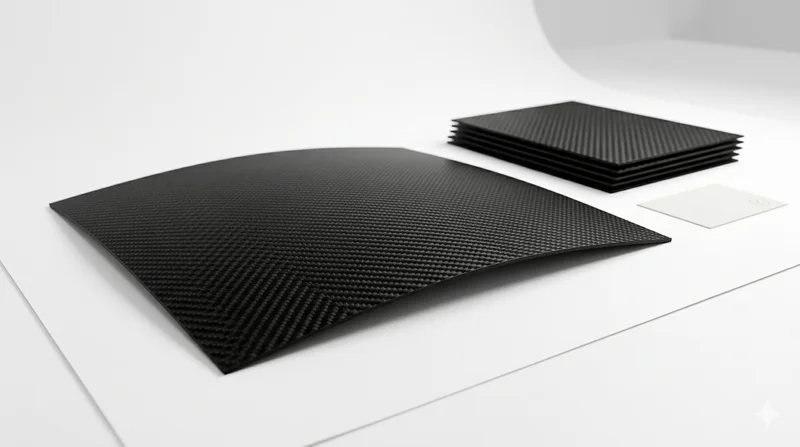
Carbon Fiber Plate — 3K Twill T700 1.5mm
Thin 1.5mm carbon fiber plate with 3K twill weave surface. Lightweight and stiff, commonly used for covers, panels, drone bodies, and applications requiring a premium aesthetic appearance.
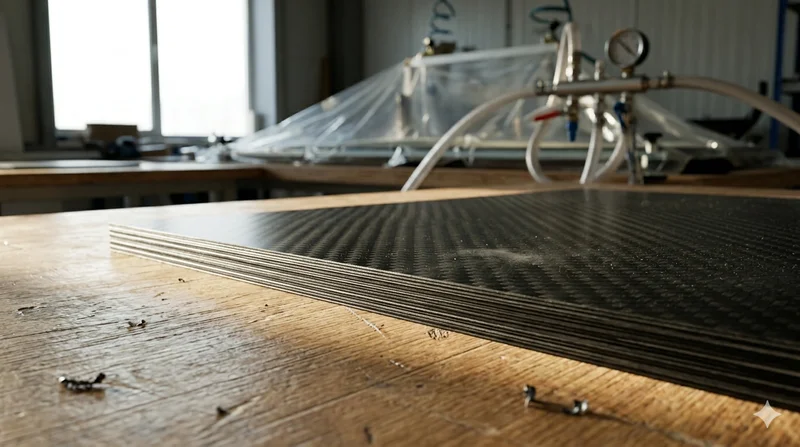
Carbon Fiber Plate — 3K Twill T700 3.0mm
Medium-thickness 3.0mm carbon fiber plate offering significantly higher load capacity while maintaining attractive 3K twill finish. Suitable for structural brackets, reinforcement plates, and load-bearing panels.
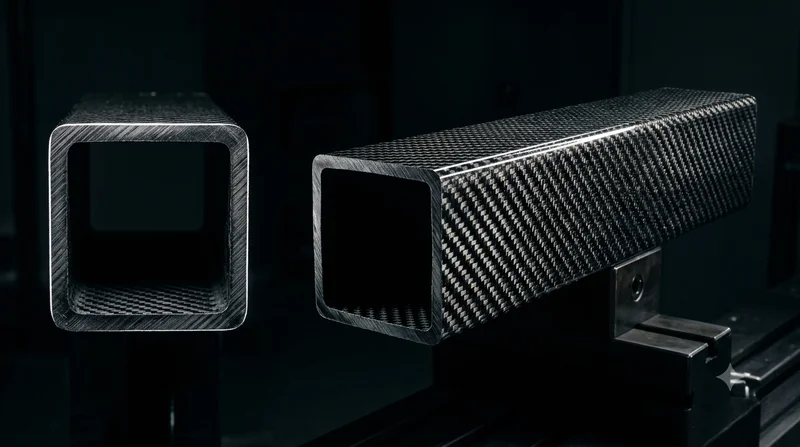
Square Carbon Fiber Tube — 3K Twill T700
Square cross-section carbon fiber tube manufactured with 3K twill weave for torsional strength. Preferred for structural frames, trusses, and support columns where rectangular geometry offers design flexibility.
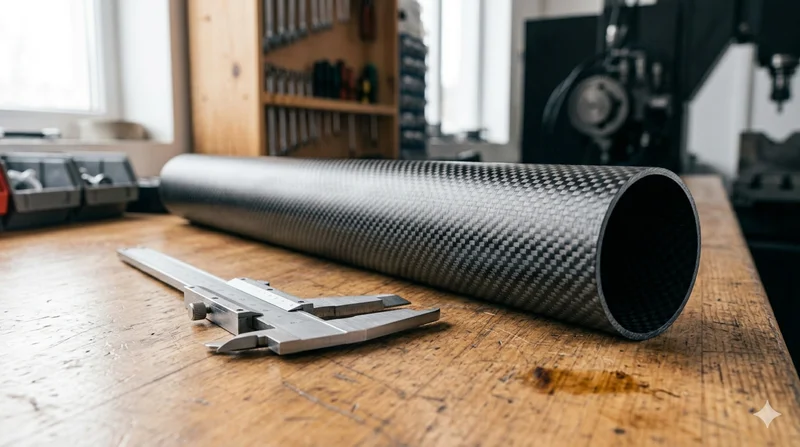
Round Carbon Fiber Tube — 3K Plain Weave T700
Standard round carbon fiber tube manufactured from Toray T700 grade fiber with 3K plain weave. Offers balanced strength and stiffness for general industrial applications including robotics, automation, sports equipment, and aerospace structures.
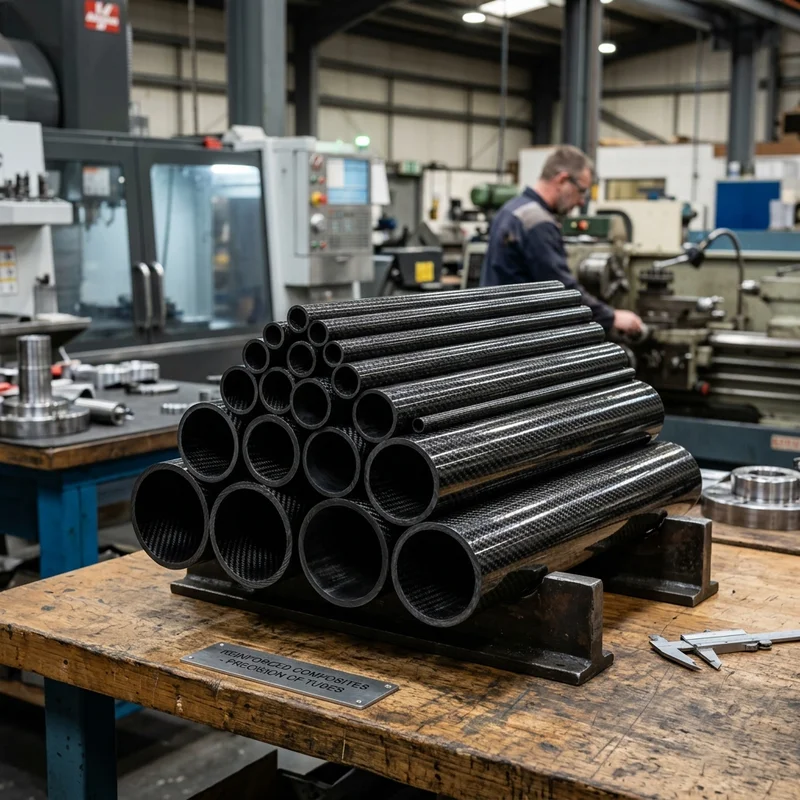
Round Carbon Fiber Tube — 3K Twill
Lightweight and ultra-stiff round tubes ideal for drone frames, robotics, and structural applications.