
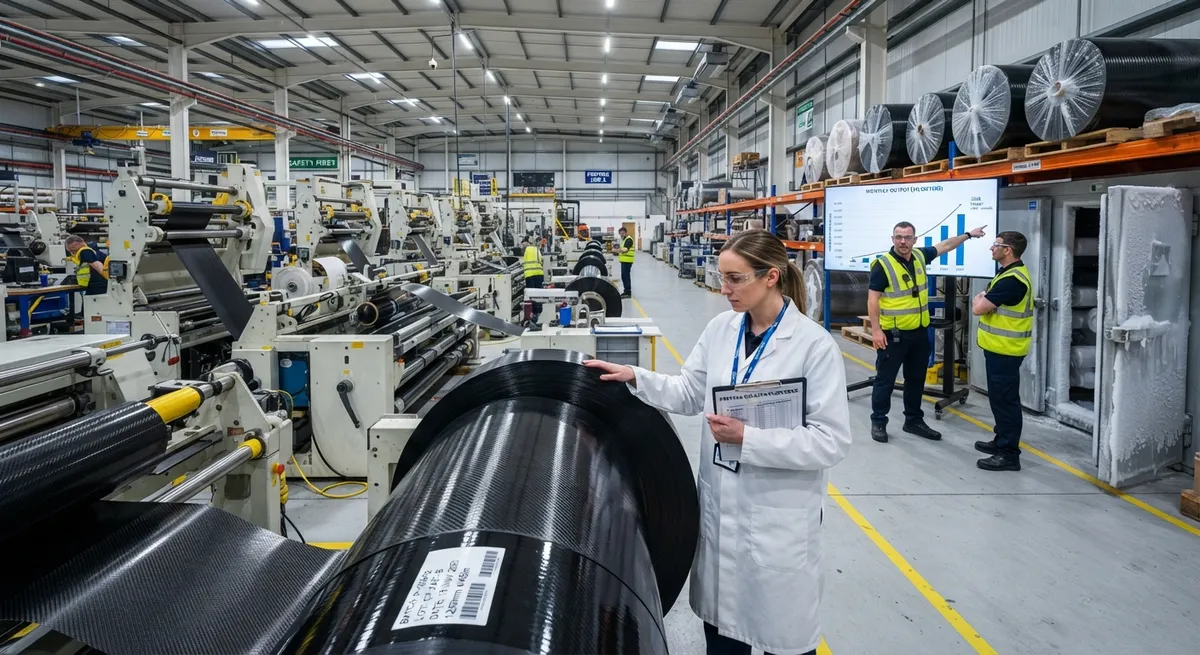
The aerospace composite rate ramp to 2028 is reshaping the carbon fiber supply chain. After years of production constrained by pandemic recovery and program delays, commercial aircraft manufacturers are now signaling sustained output increases across single-aisle, twin-aisle, and freigh
Introduction
The aerospace composite rate ramp to 2028 is reshaping the carbon fiber supply chain. After years of production constrained by pandemic recovery and program delays, commercial aircraft manufacturers are now signaling sustained output increases across single-aisle, twin-aisle, and freighter programs. Because modern airframes carry 15-20% composite content by weight on single-aisle aircraft and more than 50% on widebody programs, every percentage point of rate increase translates into disproportionate demand for carbon fiber, prepreg, and downstream composite parts.
For suppliers, the practical question is no longer whether demand will materialize but whether qualification pipelines and factory capacity can keep pace. Qualification of a new source of prepreg or fiber typically takes 12-24 months, and the industry is already seeing long-lead competition for autoclave time and certified material. This article breaks down the drivers of the ramp, the qualification path, and the capacity decisions buyers and suppliers must make now.
Why the 2028 Rate Ramp Is Different
Previous production ramps were largely absorbed by existing qualified supply bases. The 2028 ramp is different for three reasons. First, the installed base of qualified aerospace-grade fiber and prepreg producers is small, and several large programs are increasing rates at the same time. Second, OEMs are actively second-sourcing materials that were previously single-sourced, forcing new suppliers through full qualification. Third, next-generation programs add requirements — higher temperature performance, faster cure cycles, and lower outgassing — that older material systems do not fully meet.
| Program Type | Composite Content by Weight | 2026-2028 Rate Trend | Supply Chain Impact |
|---|---|---|---|
| Single-aisle narrowbody | 15-20% | Rising toward record monthly output | High-volume prepreg, shorter lead times |
| Widebody twin-aisle | 50%+ | Moderate increase | Large-part autoclave capacity, towpreg |
| Freighter conversions | 25-40% structural | Growing from e-commerce demand | Secondary structure, cabin composites |
| Next-gen narrowbody | Target 20-30% | Design freeze through 2027-2028 | New material system qualification |
The net effect is a compounding load: existing programs scale up, new programs qualify new materials, and both compete for the same certified fiber, prepreg, and process capacity.
Supplier Qualification: The Real Bottleneck
Qualification is the longest pole in the tent. A new fiber producer, prepreg supplier, or sub-tier processor must demonstrate material consistency, process control, and design data compatibility before an OEM or tier-one will release it for production. The timeline below reflects typical aerospace practice for a structural application:
| Phase | Typical Duration | Key Deliverables |
|---|---|---|
| Material data generation | 6-12 months | Allowables per applicable specification, environmental data |
| Process capability trials | 3-6 months | First articles, NDT evidence, process control plan |
| Systems and audit approval | 3-6 months | AS9100/AS9102 compliance, Nadcap accreditation |
| Production release and rate validation | 2-4 months | Statistically based rate batches, containment plan |
Buyers who plan qualification as an afterthought discover the 12-24 month reality only after their incumbent source reaches capacity. The most reliable strategy is to begin a parallel qualification of at least one alternative source as soon as a long-term rate commitment is signed.
Material Readiness: Prepreg, Shelf Life, and Cold Chain
Material readiness is about more than producing fiber. Aerospace prepreg must be manufactured to tight resin content and areal weight tolerances, stored under controlled cold-chain conditions, and delivered within specified out-time budgets. Common readiness gaps include:
- Cold chain capacity: Qualified prepreg must be stored at −18°C or below; freezer space and refrigerated logistics are finite and rarely expanded quickly.
- Out-time management: Each batch has a documented room-temperature out-time window; rate ramp pressure tempts producers to compress handling, which threatens process control.
- Batch-to-batch consistency: Qualification sets a baseline; sustained rate requires statistical evidence that every new batch matches it.
- Reinforcement formats: Unidirectional tape, fabric, and towpreg each need dedicated slitting and handling equipment with certification traceability.
Suppliers that invest in cold chain, automated kitting, and digital batch traceability are materially more valuable during a rate ramp than those with equal fiber output but manual handling.
Production Capacity: Autoclave, AFP, and NDT
Even with qualified material, conversion capacity limits the ramp. Autoclave availability is a chronic constraint for large monolithic parts, and automated fiber placement machines are expensive and require trained operators. Nondestructive testing is frequently the hidden bottleneck because certified ultrasonic and thermographic inspectors are scarce. For sub-tier suppliers, the practical implications are:
- Autoclave and oven schedules must be committed in 12-18 month cycles, not month to month.
- AFP programming and offline programming staff need lead time of 6-12 months to hire and train.
- NDT capacity should be modeled at peak rate, not average rate, because first-article inspection concentrates at program start.
- Subcontractor cascade risk grows with rate; every outsourced step adds a potential queue.
What Buyers Should Verify Before Committing
When selecting or qualifying a composite supplier for the 2028 ramp, verify the following evidence rather than accepting claims:
- A written qualification schedule with named milestones and a named owner, not a range of months.
- Actual cold-chain and out-time data from recent production batches, not a policy statement.
- Autoclave, AFP, and NDT capacity plans aligned to your program's peak rate.
- Second-source or contingency plans for fiber and prepreg inputs.
- Financial commitment evidence — capital orders for equipment that is actually on order.
Frequently Asked Questions
How long does aerospace composite supplier qualification actually take?
For a structural application, 12-24 months is realistic from first material submission to production release. The duration splits roughly evenly between material data generation and process/audit approval. Non-structural or secondary applications can qualify faster, sometimes in 6-9 months. Buyers should start qualification of a second source immediately after signing a rate commitment, because waiting until the incumbent hits capacity adds the full qualification duration to the supply risk.
Why is single-sourcing a problem during a rate ramp?
Single-source material creates two risks. First, any disruption — a line outage, a resin shortage, a logistics failure — stops your program with no backup. Second, the supplier's capacity is capped, so when your rate increases, you queue behind the supplier's other customers. During the 2028 ramp, OEMs are actively dual-sourcing composite materials for exactly this reason. Even if dual qualification is not yet complete, having a qualified second source approved for contingency production materially reduces risk exposure.
What is the difference between material qualification and production approval?
Material qualification proves that a fiber or prepreg system meets the specification — mechanical properties, environmental resistance, and consistency. Production approval proves that a specific factory can manufacture parts to drawing and quality requirements at rate. A supplier can be fully material-qualified and still fail production approval if its process control, NDT capability, or capacity is insufficient. Buyers should track both gates separately and confirm each has an accountable owner and schedule.
Conclusion
The aerospace composite rate ramp to 2028 will reward suppliers that treat qualification, material readiness, and capacity as a single integrated plan rather than three separate activities. Qualification takes 12-24 months and cannot be compressed safely; cold chain, out-time control, and batch consistency determine whether qualified material remains production-ready; and autoclave, AFP, and NDT capacity set the ceiling on actual output. Buyers should verify written schedules, real batch data, and committed capital before allocating their programs.
Whether you are evaluating prepreg suppliers or sourcing composite parts for aircraft programs, explore our aerospace-grade carbon fiber products and contact our engineering team to discuss qualification support and capacity planning for your 2028 requirements.
Part of topic
Related Articles
- Carbon Fibre Sheet Supplier UK: Sourcing Options and Specification Checklist
- Carbon Fiber Sheets Near Me Suppliers: Local Stock vs Factory Direct
- Filament Wound Epoxy Tubes: Industry Standards and Compliance Requirements
- Carbon Fiber Dealers Near Me: What a Good Dealer Actually Adds
- Carbon Fiber Supplies Near Me: Local Sourcing Without Compromising Spec
- Carbon Fiber for Sale: Online Platforms and Direct Sales Channel Comparison
Interested in Our Products?
Contact our team for competitive pricing and technical specifications.
Get a QuoteRelated Products
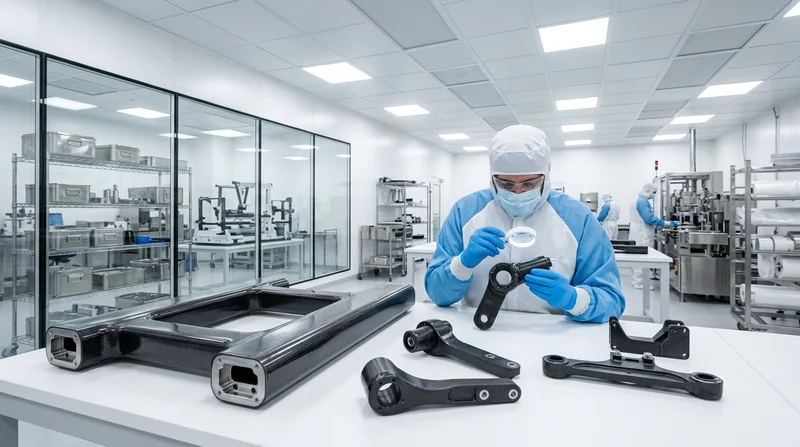
Custom Carbon Fiber Medical Device Components
Medical-grade carbon fiber components manufactured for imaging equipment, surgical instruments, and patient support systems. Carbon fiber's radiolucency (X-ray transparency) and high strength-to-weight ratio make it ideal for CT scanner beds, wheelchair frames, surgical robot arms, and MRI-compatible accessories. Biocompatible resin systems available.

Carbon Fiber Drone Arm
Precision-molded carbon fiber drone arm combining unidirectional fiber for stiffness and woven layers for torsional strength. Designed for FPV, photography, and industrial drone platforms. Each arm is CNC-machined to exact specifications.
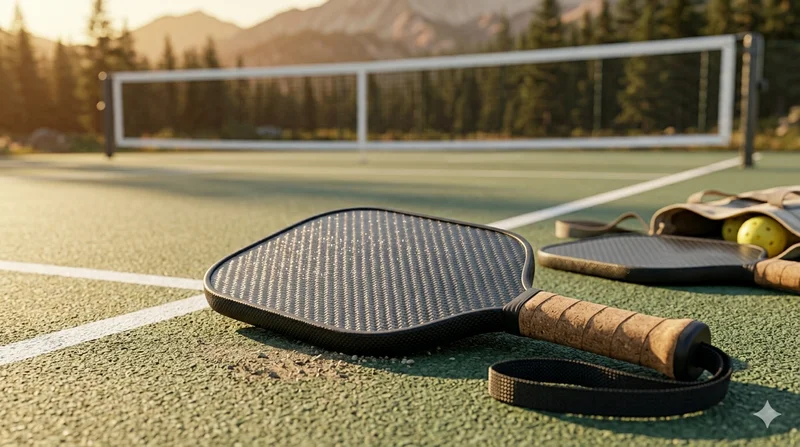
Carbon Fiber Pickleball Paddle
High-performance pickleball paddle with Toray T700 carbon fiber face and polypropylene honeycomb core. Delivers excellent power-to-weight ratio, spin generation, and vibration dampening for competitive play.
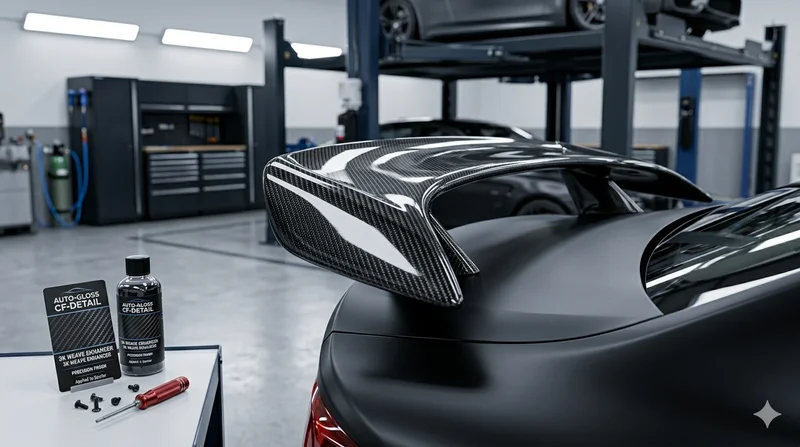
Carbon Fiber Automotive Spoiler
Automotive-grade carbon fiber spoiler manufactured using autoclave-cured pre-preg technology. Each spoiler is vacuum-bagged and oven-cured for optimal fiber-to-resin ratio, strength, and a flawless cosmetic finish.
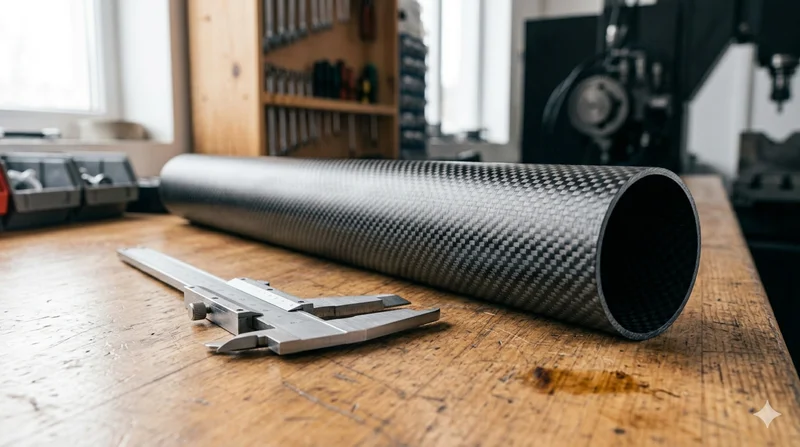
Round Carbon Fiber Tube — 3K Plain Weave T700
Standard round carbon fiber tube manufactured from Toray T700 grade fiber with 3K plain weave. Offers balanced strength and stiffness for general industrial applications including robotics, automation, sports equipment, and aerospace structures.