
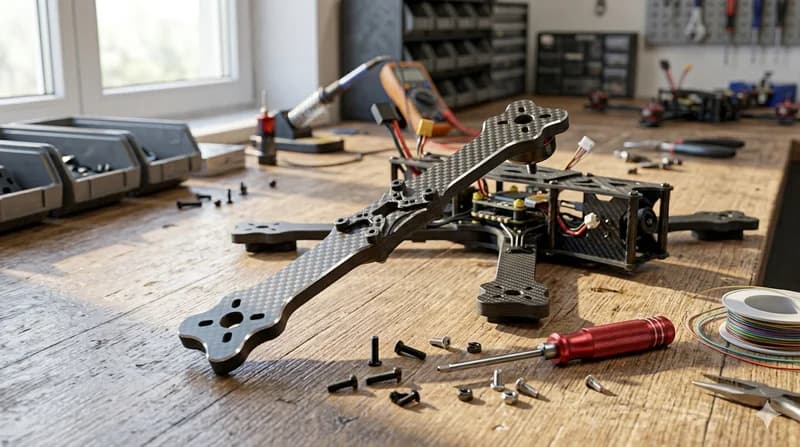
Carbon Fiber Drone Arm
Precision-molded carbon fiber drone arm combining unidirectional fiber for stiffness and woven layers for torsional strength. Designed for FPV, photography, and industrial drone platforms. Each arm is CNC-machined to exact specifications.
Key Features
Applications
Specifications
- Construction
- UD + 3K Twill Hybrid
- Length Range
- 100 – 500 mm
- Wall Thickness
- 1.5 – 3 mm
- Fiber Grade
- T700
- Finish
- Matte / Glossy
Usually respond within 24 hours
Frequently Asked Questions
What is the minimum order quantity for carbon fiber products?
What color and finish options are available?
What is the typical lead time?
Related Articles
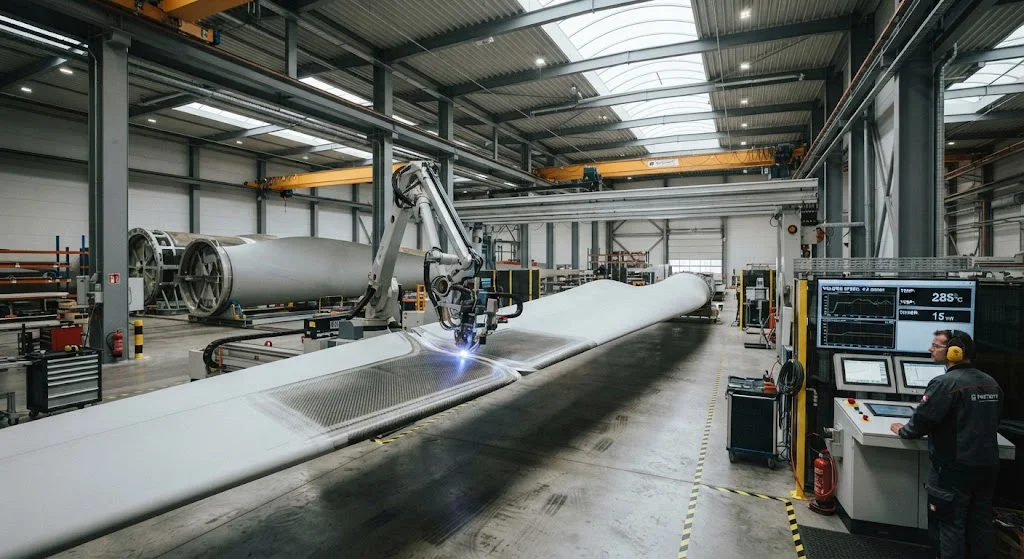
Thermoplastic Blade Welding: Automated Assembly for Large Wind Turbines
Wind turbine blade assembly has traditionally relied on structural adhesive bonding to join blade shells to spar caps and shear webs — a process that requires 8-24 hours of cure time per blade, demands precise surface preparation, and creates permanent joints that cannot be disassembled
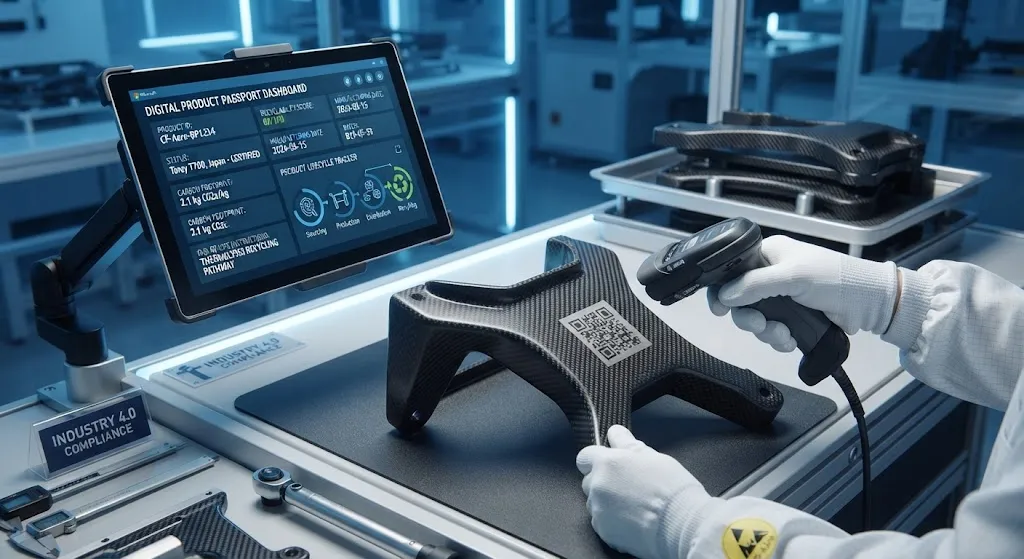
Digital Product Passport for Composites: EU DPP Data Requirements for CFRP Components
The European Union's Ecodesign for Sustainable Products Regulation (ESPR) introduces the Digital Product Passport (DPP) as a foundational tool for circular economy compliance. For carbon fiber reinforced polymer (CFRP) components, the DPP represents more than a regulatory checkbox — it
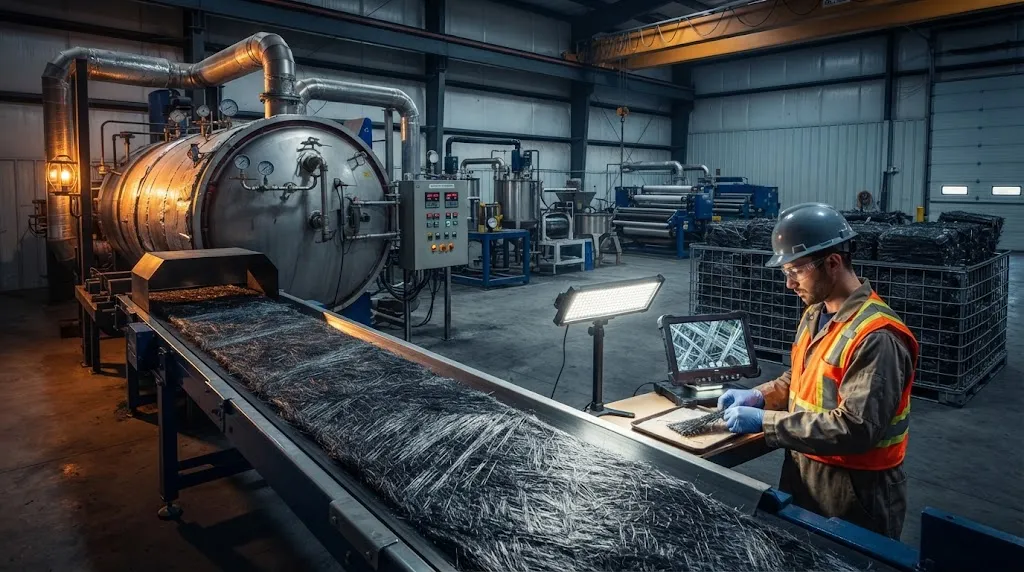
CFRP Recycling Economic Threshold: 40-50k Tons/Year for Commercial Viability
The carbon fiber recycling industry stands at a pivotal inflection point. Global CFRP waste generation is projected to reach 420,000-520,000 tons per year by 2030, up from approximately 65,000 tons in 2020, driven by end-of-life aerospace structures, automotive lightweighting programs,
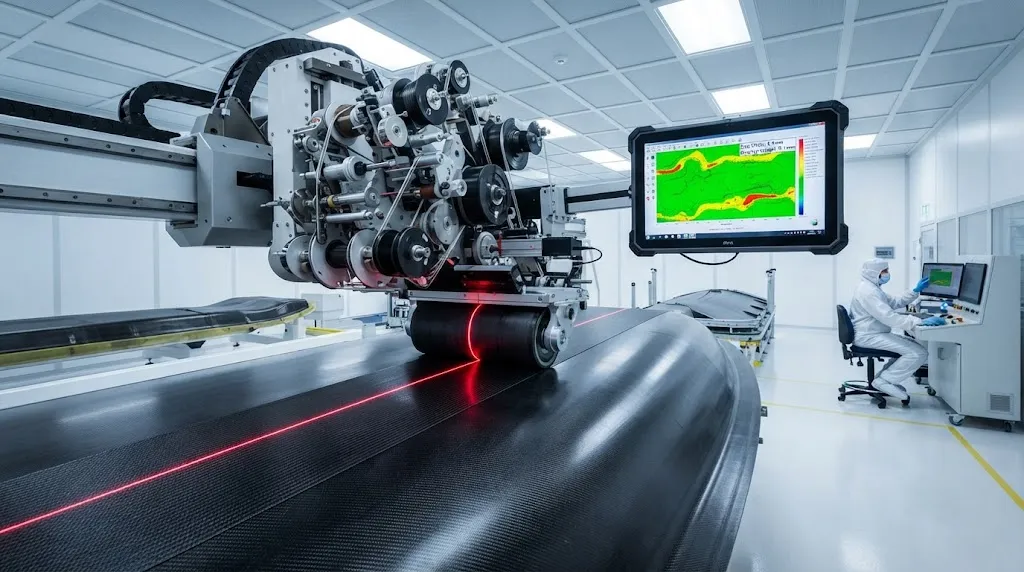
Online Laser Profiling for AFP: Real-Time Quality Control in Automated Layup
Automated fiber placement (AFP) has become the dominant manufacturing process for large composite structures in aerospace, wind energy, and defense applications. Modern AFP machines place 8-32 tows of carbon fiber prepreg simultaneously, building up laminates at rates of 5-15 kg per hou
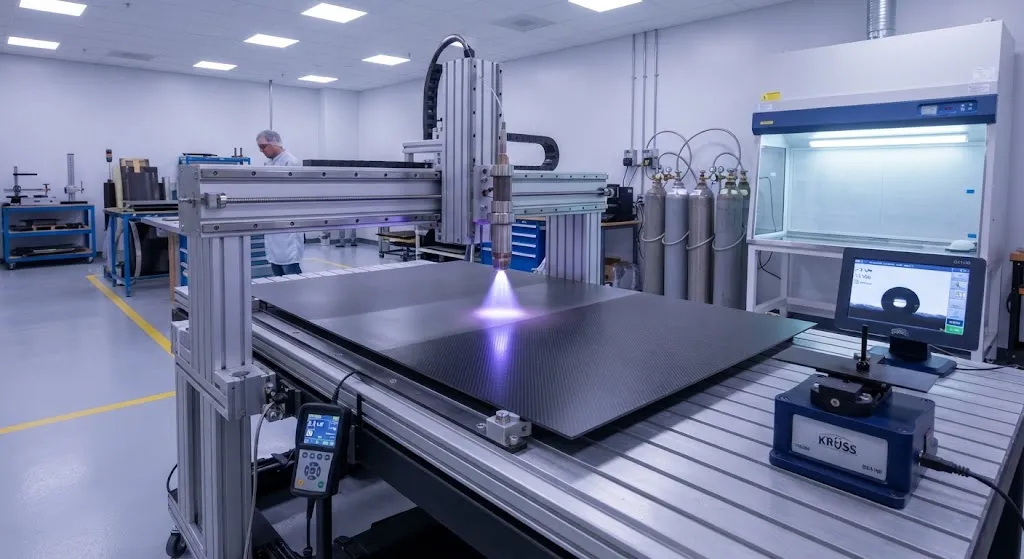
Surface Treatment Plasma Activation: Improved Bonding for CFRP Joints
Adhesive bonding of carbon fiber reinforced polymer (CFRP) joints requires reliable surface preparation to achieve consistent bond strength. Mechanical abrasion, peel ply removal, and chemical primers have served this purpose for decades, but each introduces process variability, contami
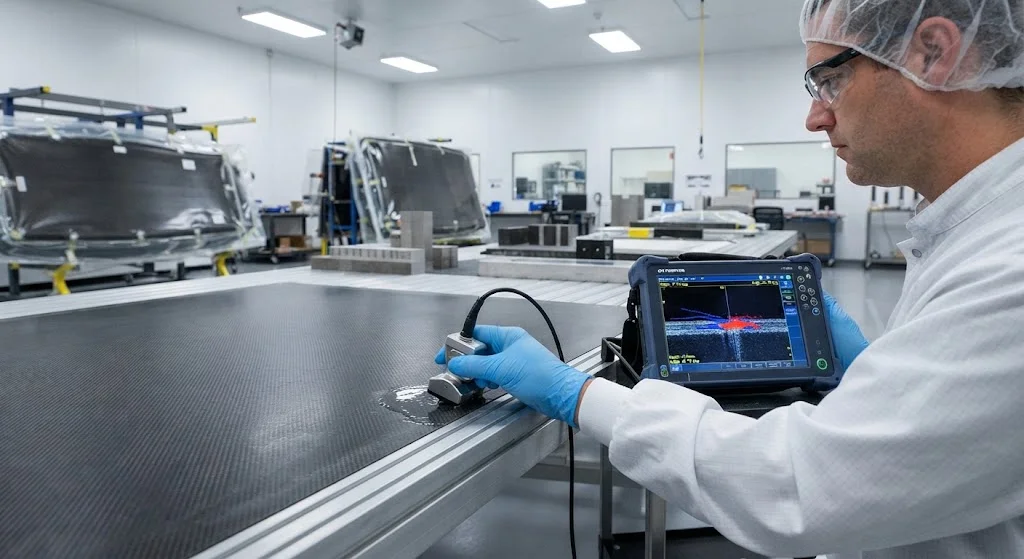
NDT Ultrasonic Phased Array: Advanced Inspection for Large Composite Structures
As carbon fiber composite structures grow in size and complexity — from 100+ meter wind turbine blades to large aerospace fuselage sections — the demands on non-destructive testing (NDT) methods have intensified. Conventional single-element ultrasonic testing, while reliable for smaller