
Morocco's carbon fiber market is a story of geography done well. Sited at the Strait of Gibraltar, the country is both a gateway into the European Union and a rear base into West Africa. It has deliberately converted that position into an African nearshoring destination for aerospace an
Introduction
Morocco's carbon fiber market is a story of geography done well. Sited at the Strait of Gibraltar, the country is both a gateway into the European Union and a rear base into West Africa. It has deliberately converted that position into an African nearshoring destination for aerospace and, more recently, renewable energy, and the composites demand that follows is beginning to look structurally attractive rather than opportunistic. For carbon fiber suppliers scanning regional markets, Morocco offers what few locations can: a mature aerospace cluster, a renewable energy manufacturing pipeline, and a logistics and tariff position that treats Europe as a same-week market.
Morocco's economy grew around 3.5 to 4 percent in 2025 and is projected near 4 percent through 2027. The national industrial strategy is explicit about climbing from textiles and light industry toward higher-value aerospace, energy, and automobile manufacturing. This article examines the three pillars that pull carbon fiber demand into Morocco — aerospace nearshoring, renewable energy manufacturing, and EU proximity logistics — and sets out the sourcing strategy a B2B composite buyer should use.
Aerospace Nearshoring: Morocco's European-Linked Cluster
Morocco has grown one of Africa's largest aerospace manufacturing clusters, and its very purpose is Europe. Companies that supply the assemblers of Airbus and Boeing programs have located across Casablanca aerospace zones and the Tangier industrial corridors, feeding a sector that has grown into a multi-billion-dollar export industry. Today the country hosts more than one hundred and forty aerospace companies supplying structural, interior, and systems components into European aircraft programs.
- Airframe structural subassemblies: Composite and metal-frame wing parts, control surfaces, and fuselage assemblies that are produced and exported to European final assembly lines on a same-week basis.
- Interior and cabin parts: Carbon fiber composite interior panels, seat structures, and galley components for the cabin and furnishing programs.
- Mechanism and actuation kits: Systems that combine carbon fiber structural parts with metal brackets and bearings in a single deliverable kit ready for European integrators.
- Tooling and inspection fixtures: Composite drill templates, fixtures, and dimensional inspection platforms where matched coefficient of thermal expansion and stability matter.
For a carbon fiber supplier, the implication is distinct. Morocco is not competing for a small share of local assembly — it is returning finished components to Europe that have already consumed aerospace-grade prepreg. Because the cluster assembles under certified processes, the most profitable entry is supplying documented aerospace-grade carbon fiber and prepreg that the cluster orders at scale, rather than only selling a processed part into the free zone.
The Renewable Energy Manufacturing Pipeline
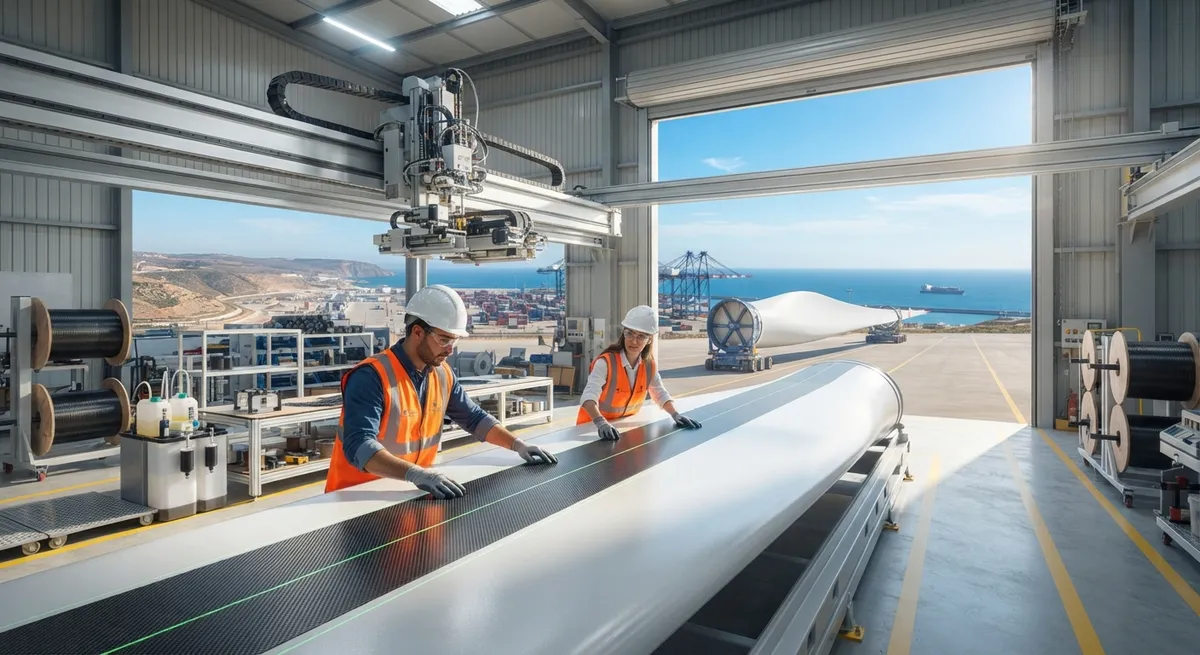
The second driver of Moroccan composite demand is energy. Morocco runs one of Africa's most aggressive renewable build-out programs — wind farms across the northern coast and Sahara, and one of the world's largest concentrated solar installations, the Noor complex. As those programs mature, the country is shifting from importing equipment toward assembling blades and power structures locally, and that is where carbon fiber demand turns into real volume.
| Renewable Segment | Morocco Status (2026) | Carbon Fiber Applications | Est. Composite Content (US$ M) |
|---|---|---|---|
| Wind turbine blades | Growing local blade assembly | Spar caps, shear webs, root connections | 40-90 |
| Solar tracking structures | Mega-solar and feed-in parks | Tracker rails, cable management | 5-15 |
| Grid and distribution infrastructure | Transmission upgrades | Insulator rods, crossbars, cable trays | 8-20 |
| Inverter and power housings | Inverter and transformer stations | Composite structural enclosures | 3-10 |
Wind is the cleanest composite catalyst. Carbon fiber in blade spar caps and shear webs raises blade stiffness and allows longer blades without an unacceptable weight penalty. As local blade assembly expands, Morocco draws a repeated flow of industrial-grade, aerospace-quality carbon, and the assembly skills that aerospace built transfer to the power sector — meaning a single upstream material serves both segments.
EU Proximity and Logistics Advantages
Morocco's sharpest commercial advantage is geography converted to short logistics into Europe. Road and rail reach Spanish and European buyers across the Strait in hours, and customs standing with the European Union treats a volume of the freight as near-domestic. Several concrete mechanisms underpin it:
- Port of Tangier Med: One of the busiest deep-water transshipment port in the Mediterranean, connecting Europe, Africa, and the Americas with dense routing.
- Competitive freight corridors: road and rail carry assembled composites from Moroccan plants to European OEMs in days, versus weeks from Asia.
- Trade and free-zone setups: aerospace free zones and industrial free zones combine favorable customs, tax and logistics costs that lower the landed cost of imported material.
- An available technical base: A large, globally harnessed engineering workforce performing secondary machining, subassembly, and finishing for European customers at competitive cost.
The result is that, once a supplier has the certification and the material flows in place, Morocco behaves as a near-export-to-Europe market with an additional in-sub-African access that few competitors to the region can match.
Supply Chain and Sourcing Position
Morocco does not produce PAN precursor or commercial carbon fiber. It sits at the value-chain end that buys material and exports high-value assembled components. Consequently, essentially all carbon fiber and prepreg consumed in the country is imported — aerospace grades from Europe, Asia and the United States, with more industrial and wind-grade carbon emerging on the global supply for the renewable programs.
For a foreign supplier the sourcing playbook is straightforward: import the certified carbon fiber and prepreg toward the Moroccan assembly base, pair with the local certified subassembly and finishing, and use the customs and logistics architecture as the entry mechanism. The free-zone and aerospace corridors ease the flow, and the renewable program is the easiest volume entry because it requires industrial-grade quality rather than full flight certification.
Frequently Asked Questions
Why is Morocco favored over other African or Middle East locations for aerospace composite work?
Morocco's decisive advantage is geography converted into logistics. It has Africa's leading aerospace cluster supplying European prime programs at scale, and it sits hours from Europe rather than a multi-day shipping journey from Asia or the Gulf. Customs trade easement and free zones shrink landed cost, and the workforce skills support aerospace-grade subassembly and finishing. When a European OEM needs a component quickly, Morocco is a same-week supplier.
Which segment of the Moroccan carbon fiber market grows fastest?
Aerospace assembly is the anchor and the technical gatekeeper — it is the champion consumer of certified aerospace-grade material. But the fastest-growing volume is the renewable energy band: wind blade spar and shear web material as blade assembly expands, plus grid infrastructure composite parts. Renewables are also the easiest entry for a new supplier because they require industrial-grade quality rather than full flight certification. The layering matters: aerospace is the brand, renewable energy is the volume opportunity.
What is the certification or material requirement to sell into Morocco's aerospace cluster?
Because the cluster feeds European and global aircraft programs, the material must satisfy aerospace-grade traceability and documentation — documented material guarantee, certificate of conformance, and demonstrated quality and process stability that support the local European manufacturing audit. Aerospace-grade prepreg and carbon fiber must come with a clean certificate of manufacture and year-type qualification. For wind and industrial, wear-resistant and fatigue documentation apply but are less strict, so a new supplier can enter the wind and renewable path first, then carry the aerospace qualification.
Conclusion
Morocco is North Africa's aerospace nearshoring anchor and an expanding renewable hub, and it uses that position to create a direct and attractive stream of carbon fiber demand: a certified aerospace requirement, an energy volume pipeline, and freight and tariff mechanics that reach Europe in days. With no domestic carbon fiber production, essentially all of the demand is imported, making Morocco highly accessible to disciplined suppliers who carry certification and reliable material quality.
For B2B buyers weighing North African sourcing or suppliers counting Europe's near-neighbor belt, the play is to pair certified material supply with the local certificated clusters and let the geographic logistics carry the commercial case. Browse our carbon fiber range for aerospace and wind composites suited to Morocco, or contact our engineering team for a Morocco/Europe market entry assessment with lead-time and pricing.
Part of topic
Related Articles
- Carbon Fibre for Sale: Reading Listings, Grades and Lead Times
- Carbon Fiber Near Me: Why Local Sourcing Beats Cross-Border for Prototyping
- Carbon Fiber Rod Blanks: Supply Chain and Custom Cutting Services
- Carbon Fiber Tube Shop: Selecting the Right Supplier for Custom and Standard Tubes
- Carbon Fiber Sheet Price: Factors Affecting Cost per Square Meter
- Carbon Fibre Sheet Supplier UK: Sourcing Options and Specification Checklist
Interested in Our Products?
Contact our team for competitive pricing and technical specifications.
Get a QuoteRelated Products
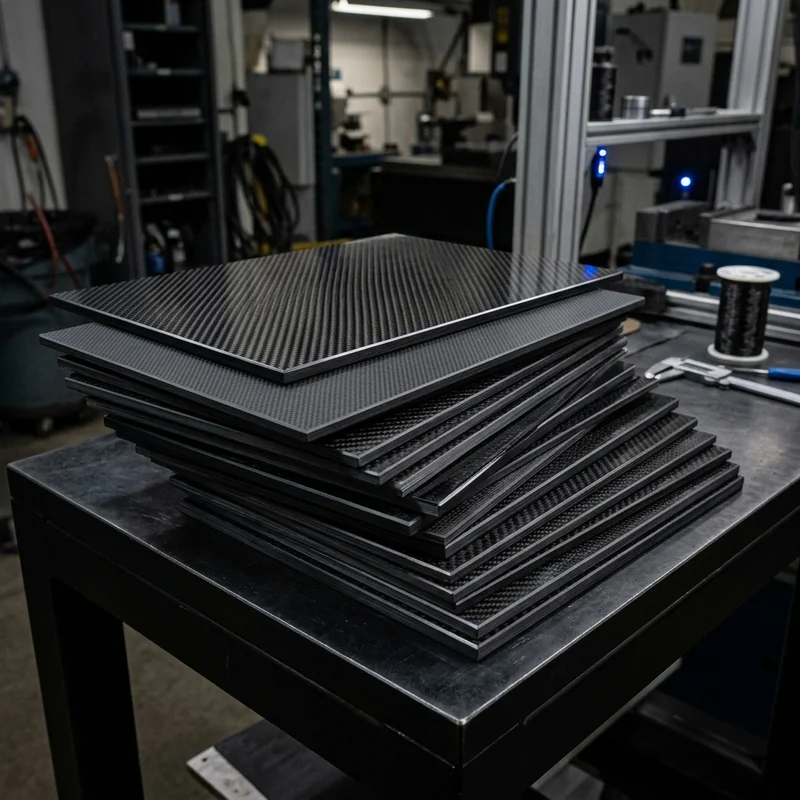
Carbon fiber standard plate-3k stripe
Lightweight, ultra-rigid standard sheets for drone fuselages, robot housings, facades and structural applications.

Carbon Fiber Plate — 3K Twill T700 3.0mm
Medium-thickness 3.0mm carbon fiber plate offering significantly higher load capacity while maintaining attractive 3K twill finish. Suitable for structural brackets, reinforcement plates, and load-bearing panels.

Carbon Fiber Plate — 3K Twill T700 1.5mm
Thin 1.5mm carbon fiber plate with 3K twill weave surface. Lightweight and stiff, commonly used for covers, panels, drone bodies, and applications requiring a premium aesthetic appearance.
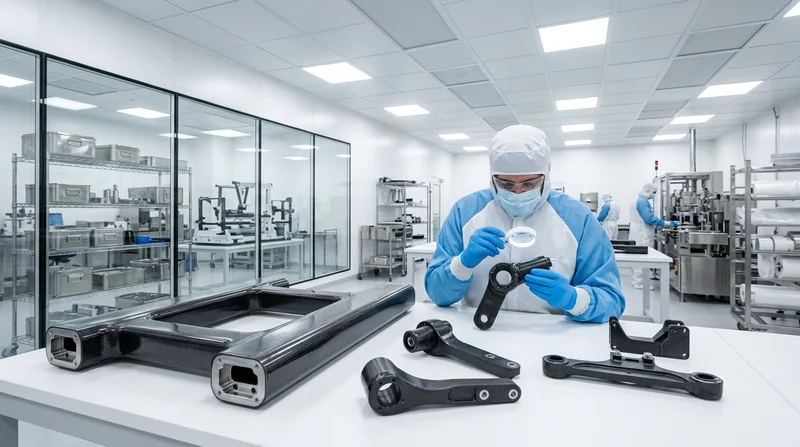
Custom Carbon Fiber Medical Device Components
Medical-grade carbon fiber components manufactured for imaging equipment, surgical instruments, and patient support systems. Carbon fiber's radiolucency (X-ray transparency) and high strength-to-weight ratio make it ideal for CT scanner beds, wheelchair frames, surgical robot arms, and MRI-compatible accessories. Biocompatible resin systems available.

Square Carbon Fiber Tube — 3K Twill T700
Square cross-section carbon fiber tube manufactured with 3K twill weave for torsional strength. Preferred for structural frames, trusses, and support columns where rectangular geometry offers design flexibility.