India's carbon fiber market is experiencing explosive growth driven by defense modernization programs, a rapidly expanding aerospace manufacturing sector, and surging renewable energy installations. We analyze the key trends, supply chain dynamics, and opportunities for B2B suppliers in 2026.
Market Overview
India's carbon fiber market is projected to reach USD 387 million by 2026, growing at a compound annual growth rate (CAGR) of 14.2% from 2021. This remarkable expansion is fueled by three primary drivers: the Indian government's aggressive defense modernization under the "Atmanirbhar Bharat" (Self-Reliant India) initiative, the emergence of India as a global aerospace manufacturing hub, and the massive scaling of renewable energy infrastructure, particularly wind turbine blades. For international B2B carbon fiber suppliers, India represents one of the most promising growth markets in the Asia-Pacific region outside of China.
The country's shift toward advanced composite materials is reshaping procurement patterns across multiple industries. Domestic carbon fiber production remains limited, with only a few players like Kemrock Industries and the CSIR-National Aerospace Laboratories producing small quantities of low-to-intermediate grade fibers. This supply gap creates substantial opportunities for exporters offering high-quality aerospace-grade and industrial-grade carbon fiber, prepregs, and intermediate materials.
Defense Modernization Driving Composite Demand
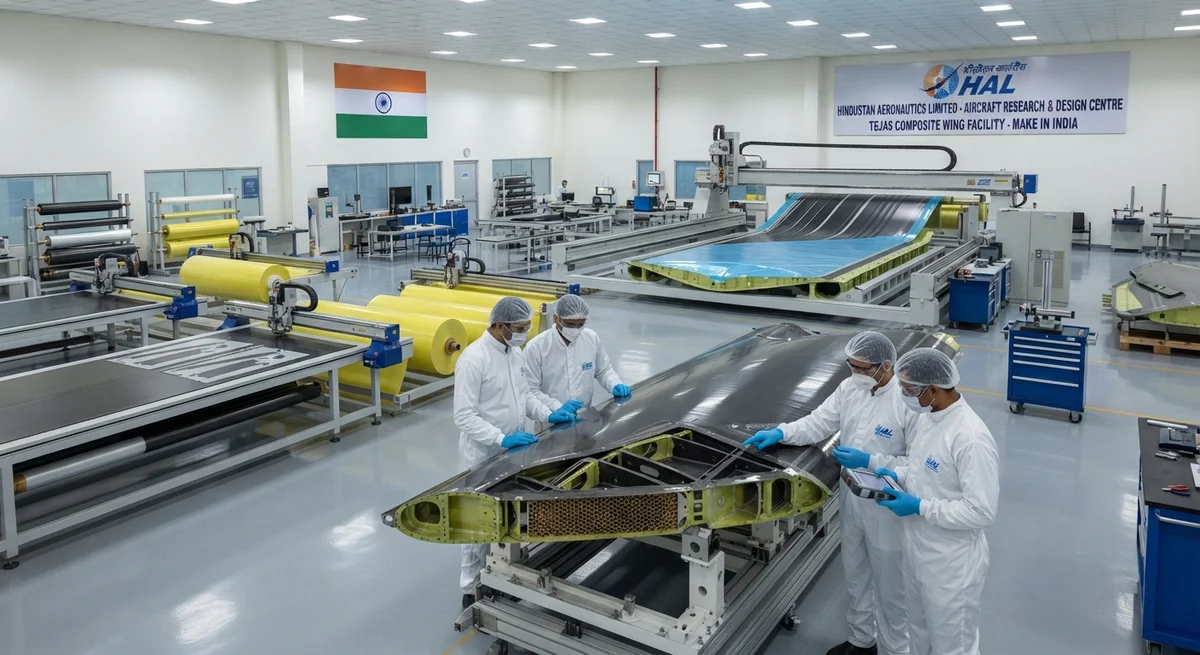
India's defense sector is the single largest driver of high-grade carbon fiber consumption. The Indian Ministry of Defence has allocated a record USD 72.6 billion for the 2025-2026 fiscal year, with a significant portion directed toward indigenous aerospace platforms that rely heavily on carbon fiber composites. Key programs include the HAL Tejas Mk-2 light combat aircraft, which uses carbon fiber in over 45% of its airframe structure, the Advanced Medium Combat Aircraft (AMCA) stealth fighter program, and the Hindustan Aeronautics Limited (HAL) Light Utility Helicopter (LUH).
The Defence Research and Development Organisation (DRDO) has been actively qualifying Indian-sourced carbon fiber materials for use in missile systems, unmanned aerial vehicles (UAVs), and naval vessels. The requirement for MIL-SPEC certified prepreg materials, high-modulus fibers (HM-35 through HM-60 grades), and intermediate modulus carbon fibers (IM-7 class) presents a specific B2B opportunity for international manufacturers who can meet stringent Indian defense quality standards.
| Application Segment | Carbon Fiber Grade Required | Estimated 2026 Demand (metric tons) | Key Programs |
|---|---|---|---|
| Military Aerospace | IM-7 / T800-class (24K-48K tow) | 320 | Tejas Mk-2, AMCA, LUH, UAVs |
| Missile Systems | High-modulus HM-35 to HM-60 | 185 | Brahmos-NG, Astra Mk-2, Agni series |
| Naval Composites | Standard modulus (12K-24K tow) | 95 | INS Visakhapatnam class, submarine components |
| Armored Vehicles & Ballistics | Aramid/CF hybrid, 6K-12K tow | 60 | FICV program, DRDO body armor |
Aerospace Manufacturing Hub
India has positioned itself as a critical node in the global aerospace supply chain. Major OEMs including Boeing, Airbus, and Dassault Aviation have substantially expanded their Indian sourcing operations. Boeing's USD 2.4 billion supply chain in India now includes carbon fiber floor beams, interior panels, and wing components for the 737 MAX and 787 Dreamliner. Airbus sources door frames, floor grids, and composite fairings from Indian Tier-1 suppliers such as Dynamatic Technologies, TATA Advanced Systems, and Mahindra Aerostructures.
The emergence of the Tata-Airbus C-295 transport aircraft manufacturing facility in Vadodara — the first private-sector military aircraft final assembly line in India — further amplifies demand for qualified composite materials. This facility alone is expected to require approximately 90 metric tons of carbon fiber prepreg annually for the production of 56 aircraft under the Make in India program. Beyond aerospace, the growing Indian space program under the Indian Space Research Organisation (ISRO) also drives demand for high-performance carbon fiber composites in satellite structures, launch vehicle payload fairings, and rocket motor casings.
Renewable Energy & Wind Turbine Blades
India's target of 500 GW of renewable energy capacity by 2030 has created explosive demand for carbon fiber in wind turbine blade manufacturing. India is the fourth-largest wind energy market globally, with 45 GW installed capacity as of early 2026. The trend toward longer blades (65 meters and above) for low-wind-speed sites increasingly requires carbon fiber reinforcement in spar caps and shear webs to meet stiffness and fatigue requirements. Major blade manufacturers including LM Wind Power (Vadodara), Vestas (Chennai), and Siemens Gamesa (Hills of Haryana) are ramping up carbon fiber consumption. Industry analysts estimate that India's wind energy sector will consume over 600 metric tons of carbon fiber by 2027, driven primarily by the shift toward 5-6 MW onshore turbines and the piloting of 12-15 MW offshore turbines in the Gulf of Khambhat and the Bay of Bengal.
- Defense & Aerospace: Largest growth segment at 16.8% CAGR, accounting for 45% of total carbon fiber consumption by value
- Wind Energy: Fastest-growing application at 19.2% CAGR, driven by blade length >65 meters requiring carbon spar caps
- Automotive & Transportation: Growing at 11.5% CAGR, driven by electric vehicle lightweighting and composite leaf springs for commercial vehicles
- Sports & Leisure: Mature market growing at 8.2% CAGR, with bicycles, badminton rackets, and fishing rods dominating
- Construction & Infrastructure: Emerging application at 13.1% CAGR, including carbon fiber reinforced polymer (CFRP) for seismic retrofitting of bridges and high-rise buildings in seismic zones
Supply Chain & B2B Opportunities
India imports approximately 78% of its carbon fiber requirements, creating a substantial opportunity for B2B exporters. The key challenges for international suppliers include navigating India's complex import duty structure (currently 7.5% basic customs duty on carbon fiber plus 18% GST), establishing relationships with India's long chain of distributors and Tier-2/3 converters, and meeting the Bureau of Indian Standards (BIS) certification requirements for certain industrial applications. The most promising entry strategy for B2B suppliers in 2026 is partnering with established Indian composite distributors who maintain inventories of imported carbon fiber and serve the large and fragmented downstream fabrication sector. Companies such as CF Composites, Hindoostan Technical Fabrics, and Mechnocomp have well-established distribution networks and are actively seeking new international suppliers to meet growing demand.
Regional Manufacturing Clusters
India's carbon fiber consumption is concentrated in a few key manufacturing clusters, each with distinct requirements. The Bengaluru Aerospace Cluster (Karnataka) demands primarily aerospace-grade prepregs and high-modulus fibers for HAL, Boeing, and Airbus supply chains. The Pune Auto Hub (Maharashtra) requires industrial-grade carbon fiber for automotive lightweighting and commercial vehicle components. The Chennai Industrial Corridor (Tamil Nadu) is the center of wind energy manufacturing with demand for large-tow industrial carbon fiber (48K-60K). The Vadodara-Sanand Belt (Gujarat) serves both aerospace (Tata-Airbus C-295 facility) and wind energy (LM Wind Power), and has emerged as the fastest-growing cluster. B2B suppliers who establish presence in these clusters through local stockholding or partnership with regional distributors gain a decisive advantage over competitors serving the market from overseas only.
Regulatory & Certification Landscape
Entering the Indian market requires navigating a specific set of regulatory requirements. For aerospace-grade carbon fiber, suppliers must obtain certification from the Centre for Military Airworthiness & Certification (CEMILAC) for defense applications, while civilian aerospace applications require DGCA approval based on international standards. Industrial-grade carbon fiber for wind energy and automotive applications must comply with Indian Standards (IS) where applicable, though many international certifications (ISO, ASTM, DNV-GL) are accepted. The Indian government has also introduced a Quality Control Order (QCO) for carbon fiber products, requiring BIS certification for certain categories of imported carbon fiber. Suppliers should budget 6-12 months for the certification process and work with local regulatory consultants who specialize in composite material import approvals.
FAQ
What is the current size of India's carbon fiber market?
India's carbon fiber market was valued at approximately USD 212 million in 2023 and is projected to reach USD 387 million by 2026, growing at a CAGR of 14.2%. This makes India the fifth-largest carbon fiber market in Asia-Pacific, behind China, Japan, South Korea, and Taiwan. The market is expected to exceed USD 700 million by 2030 as defense and renewable energy programs scale up.
What carbon fiber grades are most in demand in India?
The Indian market shows strong demand across three categories: (1) Aerospace-grade intermediate modulus fibers (IM-7/T800 class in 24K-48K tow) for defense and commercial aerospace programs, (2) Industrial-grade standard modulus fibers (12K-24K tow) for wind turbine blades, automotive, and infrastructure, and (3) High-modulus fibers (HM-35 to HM-60) for missile casings, satellite structures, and specialty sporting goods. Large-tow carbon fiber (48K-60K) is experiencing the fastest growth, driven by wind energy blade manufacturing where cost per kilogram is the primary selection criterion.
How can international carbon fiber suppliers enter the Indian market?
International suppliers have several entry pathways: (1) Direct distribution partnerships with established Indian composite material distributors who stock imported carbon fiber, (2) Strategic joint ventures with Indian fabricators who have BIS/CEMILAC certifications and existing customer relationships, (3) Setting up a local liaison office or subsidiary in one of the manufacturing clusters (Bengaluru, Pune, Chennai, or Vadodara), (4) Supplying through global procurement platforms that Indian OEMs use for international sourcing. The most cost-effective and fastest route is typically via established distributors, while the highest-value contracts in defense and aerospace typically require a local presence.
Conclusion
India's carbon fiber market in 2026 offers substantial and diversified opportunities for B2B suppliers across defense, aerospace, wind energy, and emerging industrial applications. The combination of government-driven defense spending, the rapid localization of aerospace manufacturing, and the ambitious renewable energy targets creates a demand environment that domestic production capacity simply cannot satisfy. International suppliers who invest in understanding India's regulatory landscape, establish presence in key manufacturing clusters, and build relationships with qualified local partners will be best positioned to capture a share of this rapidly growing market.
Part of topic
Related Articles
- Recycled Carbon Fiber Market Forecast 2030: Technology Maturity and Commercialization Path
- South Korea Carbon Fiber Market 2026: Hydrogen Economy and Shipbuilding Innovation
- Wind Turbine Blade Leading Edge Protection 2026: Polyurethane, Tape, and Metallic Shield Solutions
- China Carbon Fiber Overcapacity 2026: Price War Impact and Industry Consolidation
- India Carbon Fiber Market 2026: Wind Energy, Aerospace, and Defense Expansion
- PAN Precursor Market 2026: Acrylonitrile Supply and Carbon Fiber Cost Structure
Interested in Custom Carbon Fiber Products?
Contact our team for competitive pricing and technical specifications.
Get a QuoteRelated Products
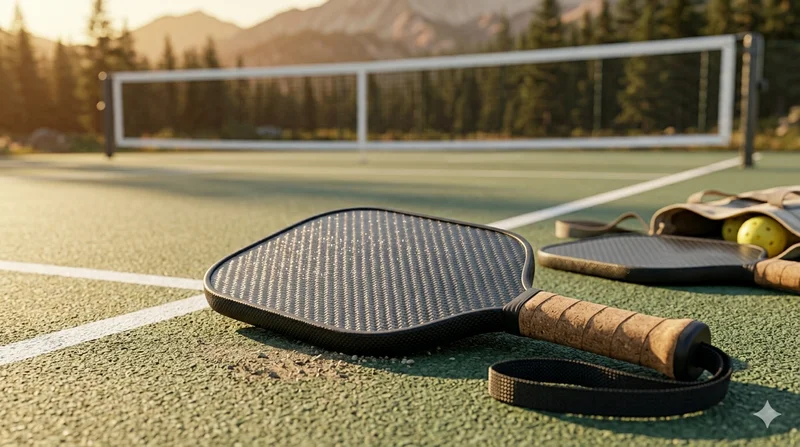
Carbon Fiber Pickleball Paddle
High-performance pickleball paddle with Toray T700 carbon fiber face and polypropylene honeycomb core. Delivers excellent power-to-weight ratio, spin generation, and vibration dampening for competitive play.
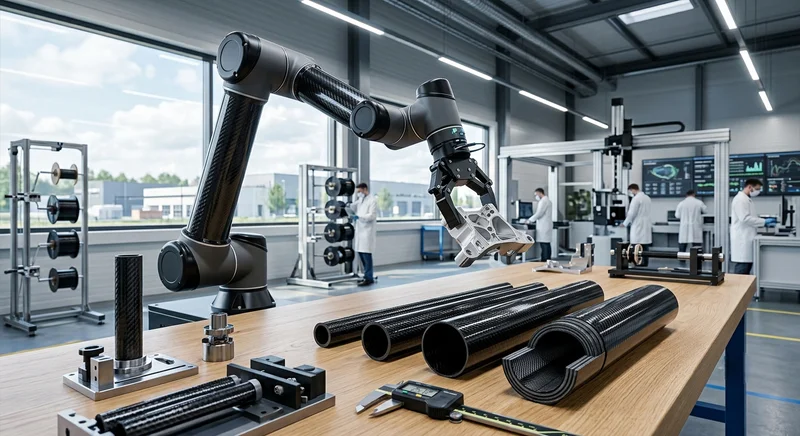
Carbon Fiber Robotic Arm Tube — High-Stiffness Lightweight Replacement
Precision-wound carbon fiber tubes for robotic arm links, replacing steel or aluminum in collaborative robots (cobots) and industrial manipulators. Achieve 3× the specific stiffness of aluminum with significant weight reduction, enabling faster acceleration and higher payload capacity.
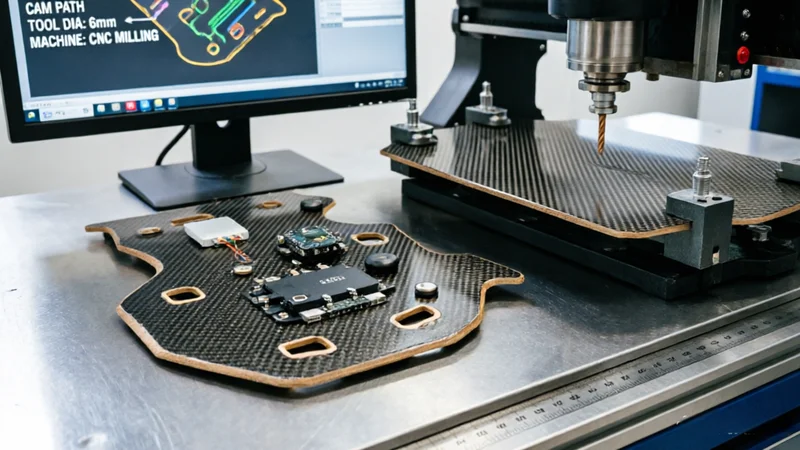
Carbon Fiber Drone Frame Base Plate — 3K Twill T700
CNC-machined carbon fiber base plates for drone frame assemblies. Cut from 3K twill weave T700 prepreg with precision CNC routing. Pre-drilled mounting patterns compatible with common flight controller and power distribution board layouts. Available in 1.5mm to 5mm thickness.
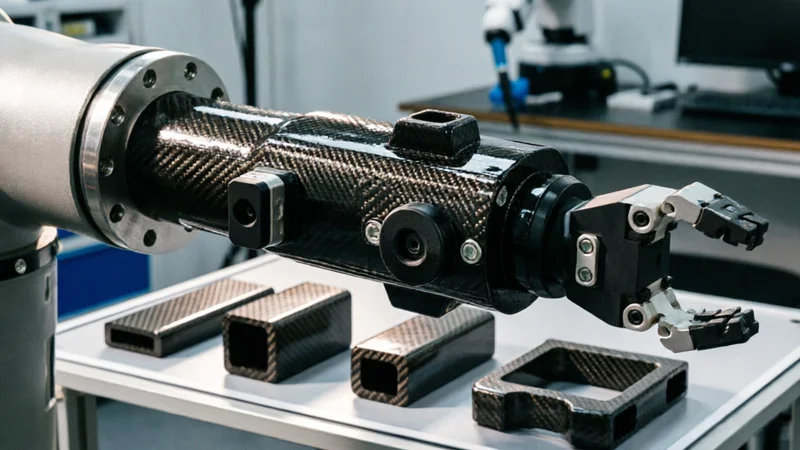
Carbon Fiber Robot End Effector Link — Custom Shape & Sensor Integration
Custom-shaped carbon fiber end effector links for robotic arms. Designed for automation integrators and research labs requiring lightweight, rigid connections between the robot wrist and gripper/tool. Can incorporate sensor mounting bosses, cable routing channels, and quick-change interfaces.
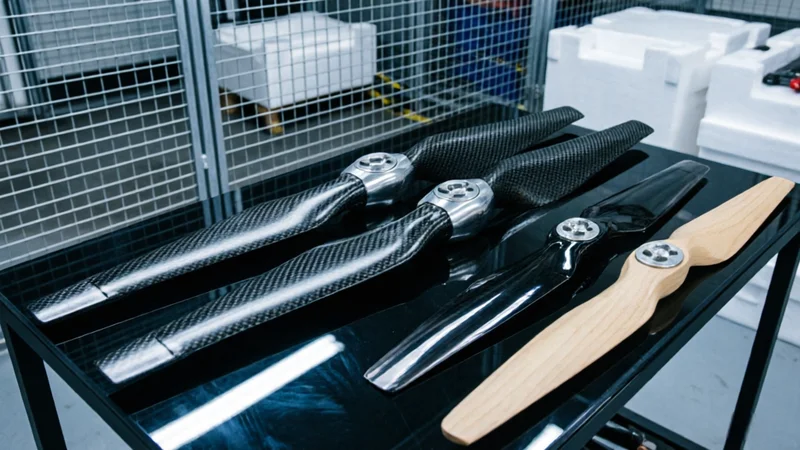
Carbon Fiber Drone Propeller — High-Performance Prepreg Molded
Prepreg-molded carbon fiber propellers for industrial and racing drones. Optimized airfoil design with balanced blade geometry for maximum thrust efficiency. 3-5× stiffer than nylon/plastic props, reducing blade flutter and improving flight stability. Available in common sizes or custom diameter/pitch.