
Finland is rarely the first country that comes to mind in a carbon fiber market discussion — Germany, France, and the United Kingdom dominate European consumption — but no discussion of composite processing is complete without it. The country combines one of the world's strongest pultru
Introduction
Finland is rarely the first country that comes to mind in a carbon fiber market discussion — Germany, France, and the United Kingdom dominate European consumption — but no discussion of composite processing is complete without it. The country combines one of the world's strongest pultrusion capabilities, a wind energy industry that punches far above its population, and a marine heritage that gave the world some of the earliest production carbon fiber yachts. In volume terms Finland's carbon fiber demand is modest, estimated at roughly 1,500-2,500 tonnes per year in 2026. In strategic terms it is a processing and application hub: the factories that convert imported fiber into wind blade reinforcement, industrial profiles, and high-performance marine structures are as important to the European supply chain as the fiber producers themselves.
This article examines the three pillars of the Finnish carbon fiber market: Exel Composites' pultrusion leadership and its joint venture with India's Kineco, the wind energy supply chain built around long blade spar caps, and a marine sector that has used carbon fiber for deck structures, masts, and hulls since the 1990s. It closes with practical guidance for suppliers looking to enter or expand in Finland.
Market Size and Demand Structure
Finland's carbon fiber demand of roughly 1,500-2,500 tonnes per year is concentrated in a small number of high-value segments rather than broad industrial use. The table below summarizes the demand structure and growth outlook for 2026:
| Segment | 2026 Demand Share | Growth Outlook | Primary Drivers |
|---|---|---|---|
| Wind energy components | 30-40% | 8-12% per year | Spar cap plates, pultruded profiles for long blades |
| Industrial profiles & construction | 20-25% | 5-8% per year | Pultruded rails, tubes, structural sections |
| Marine & yacht building | 15-20% | 3-6% per year | Carbon masts, deck structures, superyacht hulls |
| Automotive & machinery | 10-15% | 4-7% per year | Lightweight machine parts, EV structural elements |
| Other (aerospace, defense, medical) | 5-10% | 3-5% per year | Specialty components, repair and maintenance |
Two features distinguish the Finnish market. First, it is a processing market rather than a production market: virtually all carbon fiber consumed in Finland is imported, and local value is created through pultrusion, winding, lamination, and structural assembly. Second, demand is distinctly export-oriented — a large share of Finnish composite output is shipped to wind blade plants and shipyards across Europe rather than consumed domestically. For a raw material supplier, that means selling into Finland is often a route into the broader European wind and marine supply chain.
Pultrusion Leadership: Exel and the Kineco Venture
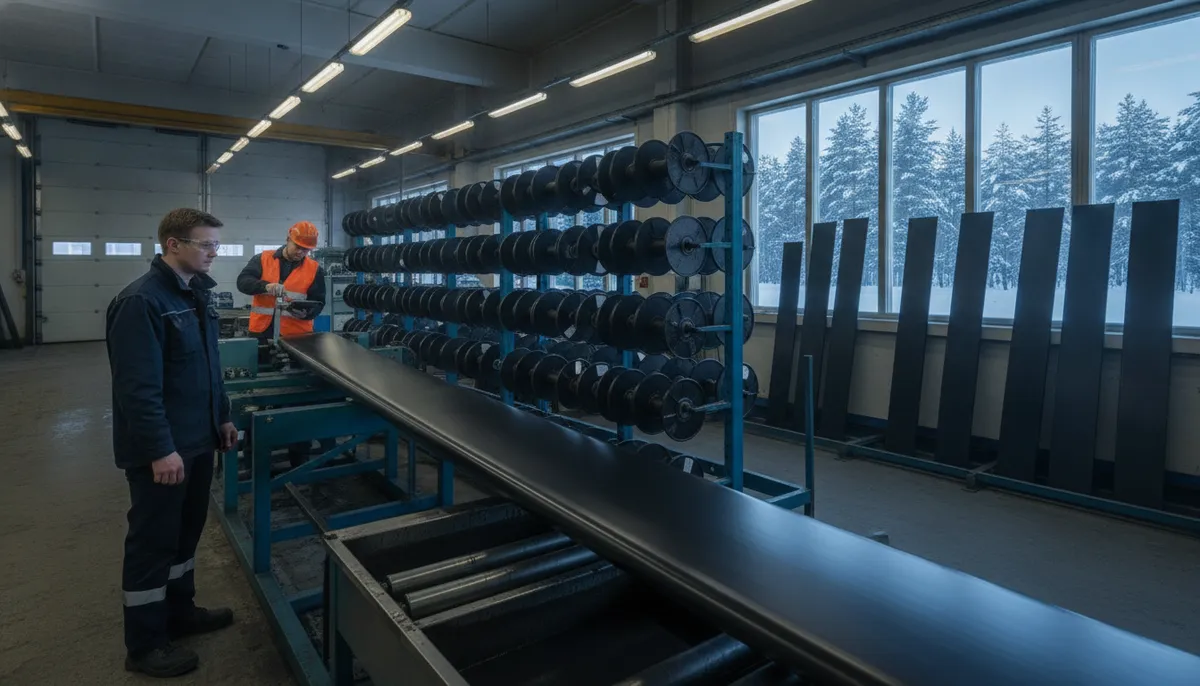
The centerpiece of Finland's carbon fiber ecosystem is Exel Composites, one of the world's largest independent pultrusion companies, headquartered near Helsinki with production in Kuopio. Exel has run continuous pultrusion lines for decades, producing hollow and solid profiles in glass, carbon, and hybrid fiber systems for industries ranging from wind energy to material handling, infrastructure, and transportation. Its deep expertise in process control — pulling hundreds of meters of profile per shift while holding dimensional tolerances — is precisely the capability that wind blade spar cap production demands.
In response to growing blade demand, Exel entered a joint venture with Kineco Limited, an Indian composites company with operations in Banda, to establish dedicated pultrusion capacity for wind energy carbon plates. The venture is part of a broader pattern in which established pultruders partner with low-cost production bases to serve the wind industry's price-sensitive volume demand:
- Process economics: Pultrusion is the most efficient way to produce continuous carbon reinforcement — a single line can output spar cap plates at rates that make hand lamination uneconomic, with fiber volume fractions of 60-70 percent and void content in the low single digits.
- Scale through partnership: The Exel-Kineco model combines Finnish process technology with Indian manufacturing cost, mirroring how blade makers themselves have moved spar production to regional hubs.
- Qualification advantage: Pultruded plates arrive flat, uniform, and ready to bond, which shortens the qualification cycle at blade plants compared to labor-intensive layup.
- Technology transfer: Joint ventures and license agreements are spreading pultrusion know-how to new regions, raising global capacity for long-blade reinforcement.
For carbon fiber suppliers, this structure matters because it concentrates buying power: a handful of pultrusion companies consume large volumes of standard-modulus tow (typically 24K or 50K) with tight supply agreements, leaving smaller niche demand to specialist distributors.
Wind Supply Chain: Spar Caps and Long Blades
Finland's wind power build-out has been among the fastest in Europe — installed capacity grew from a few gigawatts a decade ago to well over 5 GW by the mid-2020s, with electricity generation now routinely covering a fifth or more of national demand. Most of this is onshore, but the Gulf of Bothnia and the Baltic coast carry a substantial pipeline of planned offshore projects. Longer and lighter blades are the direct consequence: as rotor diameters push past 180 meters, blade designers switch the spar cap — the structural backbone of the blade — from glass to carbon pultruded plates to shed weight and resist gravity and fatigue loads.
Finland's relevance to this market is twofold. Domestically, Finnish energy companies and project developers are among Europe's most aggressive wind buyers, and any scaling of offshore projects creates regional demand for blade and tower supply. Internationally, Finnish pultrusion expertise feeds spar cap production for European blade makers, meaning carbon fiber demand in Finland tracks European blade output more than domestic turbine installations. Suppliers serving this channel sell standard-modulus large-tow fiber into a thin, high-volume market where price per kilogram, tow handling, and batch consistency decide contracts.
Marine Innovation: Carbon Yachts from the Finnish Coast
Finland's marine sector is the third pillar of the carbon fiber market. The country's boatyards on the west coast — most prominently in the Jakobstad (Pietarsaari) region — pioneered carbon fiber yacht construction in the early 1990s, when builders like Baltic Yachts introduced carbon hulls and rigs that were a decade ahead of the mainstream. That heritage continues: Finnish yards and their subcontractors build carbon masts, booms, deck structures, and hull panels for some of the world's most demanding sailing yachts, and the know-how has spread to superyacht interiors and structural engineering.
For the market as a whole the marine segment is more about value than volume. A single superyacht project can consume several tonnes of aerospace-grade prepreg and fabric, justifying the long qualification process for materials such as spread-tow fabrics, unidirectional tapes, and toughened prepreg systems. Demand characteristics include:
- Material quality: Marine structural carbon demands tight fiber properties, low defects, and reliable resin systems that survive decades of salt-water exposure and cyclic loading.
- Small but steady volumes: Unlike wind, marine projects are numerous and individually small, which suits specialist material suppliers and distributors.
- R&D collaboration: Finnish builders work directly with material suppliers on laminate optimization, creating opportunities for suppliers that offer engineering support rather than catalog prices.
This segment also overlaps with a growing niche: out-of-autoclave large-structure processing, where Finnish know-how in vacuum infusion and resin transfer molding is applied to both yachts and industrial structures.
Entry Points for Carbon Fiber Suppliers
Finland is not a market a supplier can profitably enter through spot sales; it is a relationship market with a small number of influential processors. Practical entry paths include:
- Industrial profiles: Supplying standard-modulus 24K and 50K tow to pultruders for construction and industrial sections, a channel with the shortest qualification cycle and repeatable, steady volumes.
- Wind reinforcement: Pursuing supply agreements — often long-term, index-priced — for large-tow fiber used in pultruded spar cap plates, with batch consistency and logistics reliability as the decisive factors.
- Marine and technical fabrics: Offering woven and unidirectional fabrics, spread-tow materials, and prepregs to yacht builders and subcontractors, where engineering support and quality documentation outweigh price.
- Distribution partnership: Working with a Nordic composites distributor to consolidate demand across Finland and neighboring markets, reducing the overhead of servicing a small country directly.
Suppliers from China, and specifically producers able to certify against international standards, are increasingly competitive in the industrial and wind channels, where price discipline is highest.
Frequently Asked Questions
How large is the Finland carbon fiber market in 2026?
Finland's carbon fiber demand is estimated at roughly 1,500-2,500 tonnes per year in 2026. The country is a processing hub rather than a producer: fiber is imported and converted into wind reinforcement, industrial profiles, and marine structures, much of it exported to European blade plants and shipyards.
What is the role of Exel Composites and the Kineco venture in Finland's market?
Exel Composites is one of the world's largest independent pultrusion companies, headquartered in Finland with production in Kuopio. Its joint venture with India's Kineco Limited in Banda adds dedicated capacity for wind energy carbon plate pultrusion, combining Finnish process technology with competitive manufacturing cost.
How does wind energy drive carbon fiber demand in Finland?
Finland's installed wind capacity passed 5 GW in the mid-2020s with a strong offshore pipeline, but its biggest contribution is process capability: Finnish pultrusion expertise produces the long-blade spar cap plates used by European blade makers. This makes carbon demand in Finland closely correlated with European blade output.
What carbon fiber products does the Finnish marine industry need?
Finnish yacht builders use carbon masts, boom and deck structures, hull laminates, and stiffening elements for performance sailing yachts and superyachts. Demand favors high-quality fabrics, unidirectional tapes, and prepreg systems backed by engineering support, with volumes small per project but steady across a strong regional build program.
Conclusion
Finland's carbon fiber market rewards suppliers that understand its structure: modest national tonnage, but a concentrated processor base whose output feeds the European wind, industrial, and marine supply chains. The Exel-Kineco pultrusion venture anchors the wind channel, long-blade spar caps drive the largest demand share, and a heritage-rich marine sector provides steady high-value work. Entry is easiest through industrial tow supply and distribution partnerships, with wind supply agreements and marine fabric qualification offering the deeper strategic routes. For fiber producers that treat Finland as a gateway to the Nordic and Baltic processing networks rather than a standalone country, the market delivers dependable, repeatable volumes.
YongXian supplies carbon fiber tow, fabrics, and reinforcement materials to pultrusion, wind, and marine customers worldwide. Explore our carbon fiber product range or contact our team to discuss sourcing, specifications, and supply agreements for the Finnish and Nordic markets.
Part of topic
Related Articles
- Carbon Fibre for Sale: Reading Listings, Grades and Lead Times
- Carbon Fiber Near Me: Why Local Sourcing Beats Cross-Border for Prototyping
- Carbon Fiber Rod Blanks: Supply Chain and Custom Cutting Services
- Carbon Fiber Tube Shop: Selecting the Right Supplier for Custom and Standard Tubes
- Carbon Fiber Sheet Price: Factors Affecting Cost per Square Meter
- Carbon Fibre Sheet Supplier UK: Sourcing Options and Specification Checklist
Interested in Our Products?
Contact our team for competitive pricing and technical specifications.
Get a QuoteRelated Products
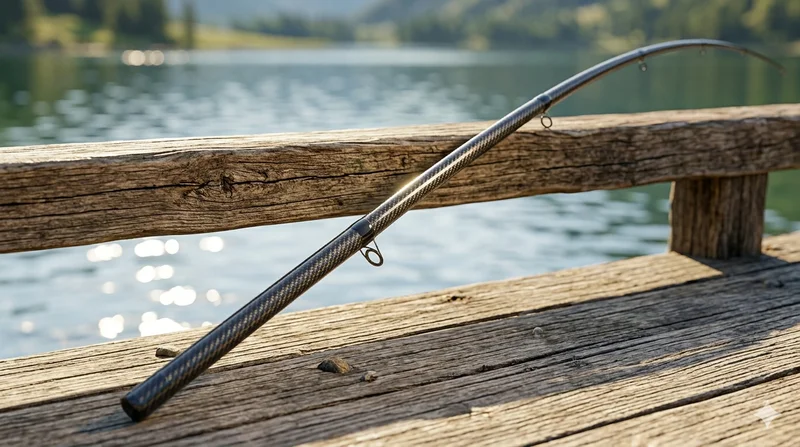
Carbon Fiber Fishing Rod Blank
High-quality carbon fiber fishing rod blank manufactured from multiple grades of Toray carbon fiber cloth. Available in a wide range of lengths, powers, and actions for freshwater and saltwater applications. Suitable for OEM rod building.

Carbon Fiber Plate — 3K Twill T700 1.5mm
Thin 1.5mm carbon fiber plate with 3K twill weave surface. Lightweight and stiff, commonly used for covers, panels, drone bodies, and applications requiring a premium aesthetic appearance.

Carbon Fiber Plate — 3K Twill T700 3.0mm
Medium-thickness 3.0mm carbon fiber plate offering significantly higher load capacity while maintaining attractive 3K twill finish. Suitable for structural brackets, reinforcement plates, and load-bearing panels.

Custom Carbon Fiber Medical Device Components
Medical-grade carbon fiber components manufactured for imaging equipment, surgical instruments, and patient support systems. Carbon fiber's radiolucency (X-ray transparency) and high strength-to-weight ratio make it ideal for CT scanner beds, wheelchair frames, surgical robot arms, and MRI-compatible accessories. Biocompatible resin systems available.

Square Carbon Fiber Tube — 3K Twill T700
Square cross-section carbon fiber tube manufactured with 3K twill weave for torsional strength. Preferred for structural frames, trusses, and support columns where rectangular geometry offers design flexibility.