
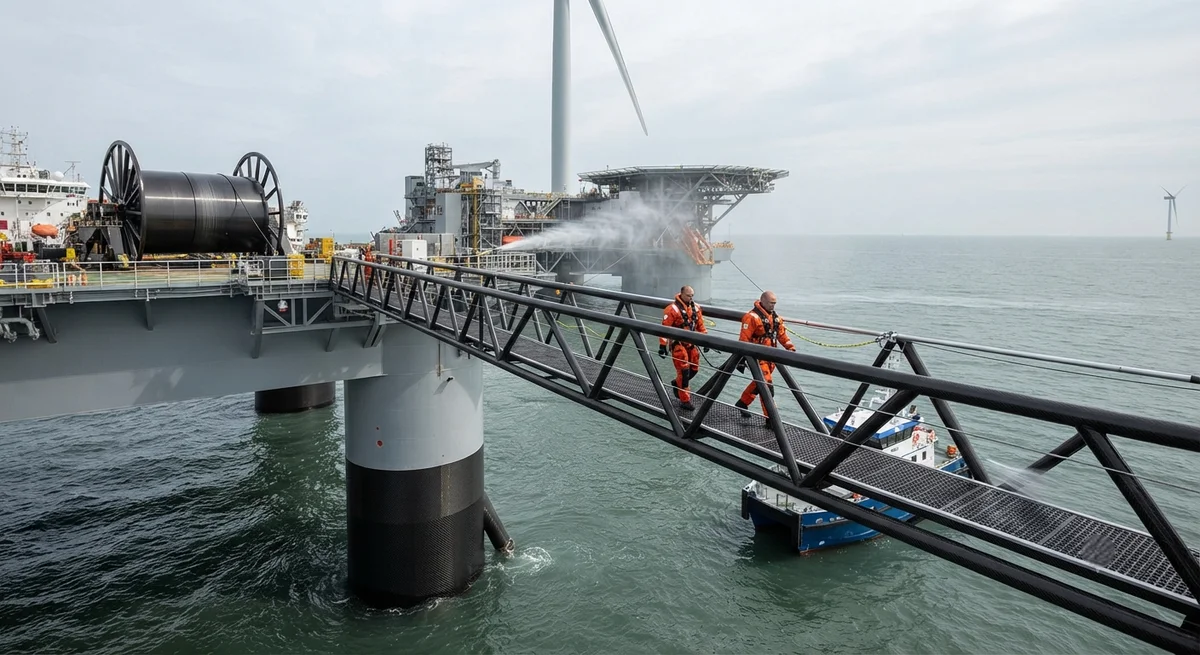
Carbon fibre reinforced polymer (CFRP) is increasingly specified for critical components on floating wind platforms — gangways, risers, tension legs, and mooring system elements — where high specific stiffness, corrosion resistance, and fatigue performance offer measurable advantages over steel and aluminium.
Introduction
Offshore wind energy is moving into deeper waters and harsher environments, demanding structural materials that can withstand cyclic wave loading, saltwater corrosion, and extreme weather while minimising topside weight. Carbon fibre reinforced polymer (CFRP) is increasingly specified for critical components on floating wind platforms — gangways, risers, tension legs, and mooring system elements — where the combination of high specific stiffness, corrosion resistance, and fatigue performance offers measurable advantages over traditional steel and aluminium alloys.
This article examines the engineering rationale, material specifications, and installation case studies for CFRP components on floating offshore wind platforms.
Material Property Comparison
| Property | Structural Steel (S355) | Aluminium (5083-H116) | CFRP (T700/Epoxy) |
|---|---|---|---|
| Density (g/cm³) | 7.85 | 2.66 | 1.56 |
| Tensile Strength (MPa) | 470–630 | 275–350 | 2,550–2,850 |
| Specific Strength (MPa·cm³/g) | 60–80 | 103–132 | 1,635–1,827 |
| Fatigue Endurance Limit | ~200 MPa (10⁷ cycles) | ~70 MPa (10⁷ cycles) | ~60% of UTS (10⁷ cycles) |
| Corrosion in Seawater | 0.05–0.15 mm/year | 0.005–0.020 mm/year | None (inherent) |
Application 1: CFRP Personnel Transfer Gangways
Personnel transfer between crew transfer vessels (CTVs) and floating wind platforms is one of the most frequent and risk-intensive offshore operations. Traditional aluminium gangways (10–14 metres) weigh 1,500–2,500 kg, requiring heavy hydraulic deployment systems. CFRP gangways offer 60–70% weight reduction while maintaining equivalent or superior stiffness and fatigue life.
- Length: 12–18 metres (accommodating platform heave of ±3 m and horizontal offsets up to 5 m)
- Live load capacity: 6 kN/m² distributed load plus 1.5 kN point load (two-person with equipment)
- Maximum deflection: L/100 under full load at the mid-span
- Design life: 25 years with minimal maintenance (class B inspection every 5 years)
- Fire rating: IMO FTP Code Part 2 and Part 3
Application 2: Composite Riser Systems
Production risers on floating platforms transfer hydrocarbons between the seabed and the floating facility. Steel catenary risers are heavy, susceptible to fatigue at the touch-down point, and require stringent corrosion protection. CFRP risers provide a step-change improvement in fatigue performance and weight reduction.
- Carbon fibre: Intermediate modulus (IM) grade, 42–48% FVF
- Internal liner: 3 mm PVDF, chemically resistant at 90°C
- External layer: E-glass/epoxy, 1.5 mm
- Connector: Titanium alloy (Ti-6Al-4V) end fittings
- Buoyancy modules: Integrated syntactic foam (density 0.5 g/cm³)
Application 3: Carbon Fibre Tension Legs
Tension-leg platforms (TLPs) use vertical tethers connected to seabed anchors under continuous tension. Traditional steel tension legs face three limitations: weight (150–300 tonnes per leg), fatigue at the seabed connector, and negative buoyancy. CFRP tension legs are buoyancy-neutral or positively buoyant, reducing required pre-tension.
FAQ
Q: How does CFRP tension leg axial stiffness compare to steel?
CFRP tension legs have an axial modulus of 135–160 GPa (comparable to steel's 210 GPa) but at only 20–22% of the weight. For a 15 MW TLP with 8 legs each 850 m long, total system mass saving is approximately 1,100 tonnes.Q: What is the installation procedure for CFRP tension legs?
CFRP tension legs are spoolable to a diameter of 3–5 metres, enabling transport on standard cable-lay vessels. Installation time is 14–21 days versus 30–45 days for steel.Q: How is UV and marine biofouling managed on CFRP components?
A dual protection system is required: UV-resistant polyurethane top coat (200–300 µm) and copper-oxide anti-fouling coating on the submerged section. Unlike steel, CFRP does not require cathodic protection.Q: Can CFRP offshore components be repaired in situ?
Yes. Most CFRP components can be repaired in situ using bonded composite patches per DNV-RP-C301. Repair costs are 15–30% of full replacement and takes 1–3 days versus 2–4 weeks for replacement.Q: What design standards cover CFRP components on offshore wind platforms?
The primary standards are DNV-ST-0126 (Composite Components), DNV-RP-C303, and DNV-RP-F204. Certification by DNV, Lloyds, or Bureau Veritas is required.Related Articles
- Carbon Fiber Mooring for Floating Offshore Wind: Fatigue and Corrosion in Deep Water
- Carbon Fiber Bicycle Frame Optimization: Layup Design and Manufacturing for Competitive Racing
- Carbon Fiber CFRP Retrofit for Infrastructure: Bridge and Building Seismic Strengthening
- Carbon Fiber Medical Imaging Equipment: Lightweight Gantry and Couch Structures for MRI/CT
- Carbon Fiber EV Battery Enclosures: Crash Safety and Electromagnetic Shielding Design
- Carbon Fiber Structures for Low-Altitude Economy: UAV Airframes and eVTOL Components
Interested in Our Products?
Contact our team for competitive pricing and technical specifications.
Get a QuoteRelated Products
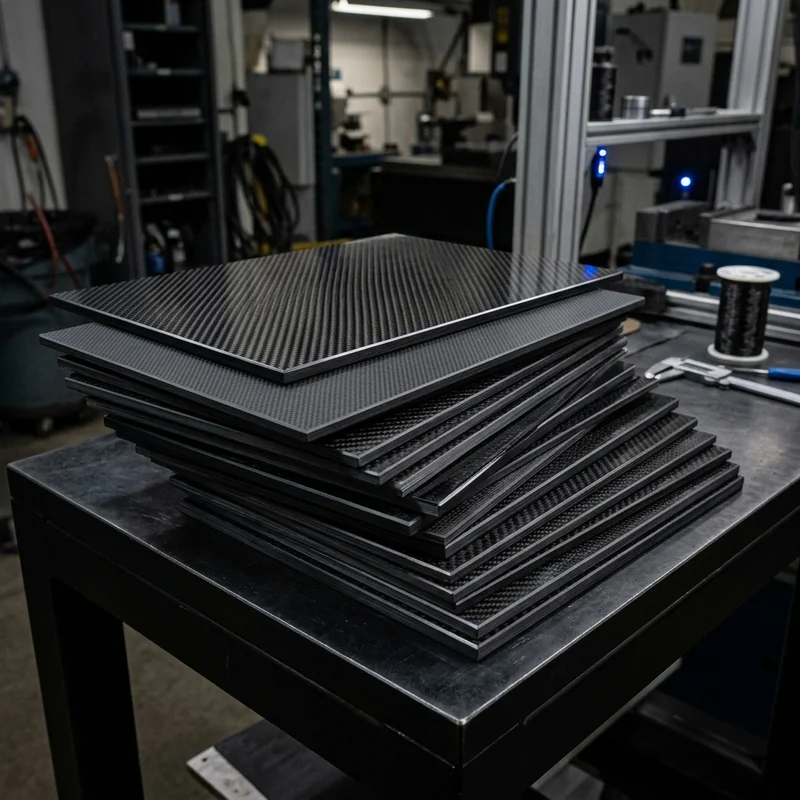
Carbon fiber standard plate-3k stripe
Lightweight, ultra-rigid standard sheets for drone fuselages, robot housings, facades and structural applications.
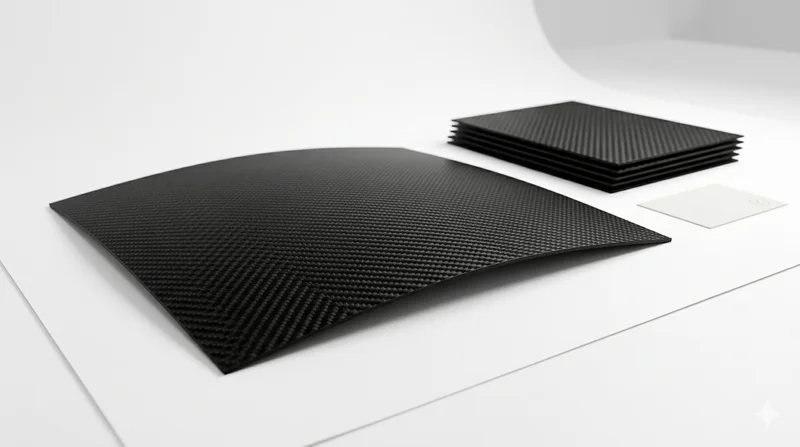
Carbon Fiber Plate — 3K Twill T700 1.5mm
Thin 1.5mm carbon fiber plate with 3K twill weave surface. Lightweight and stiff, commonly used for covers, panels, drone bodies, and applications requiring a premium aesthetic appearance.
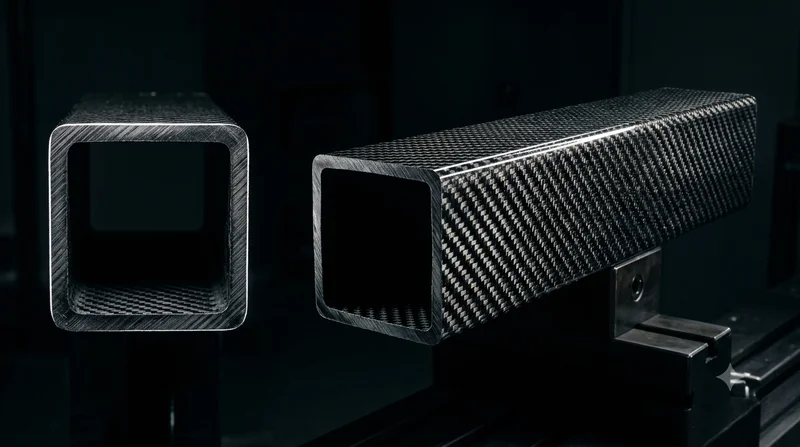
Square Carbon Fiber Tube — 3K Twill T700
Square cross-section carbon fiber tube manufactured with 3K twill weave for torsional strength. Preferred for structural frames, trusses, and support columns where rectangular geometry offers design flexibility.
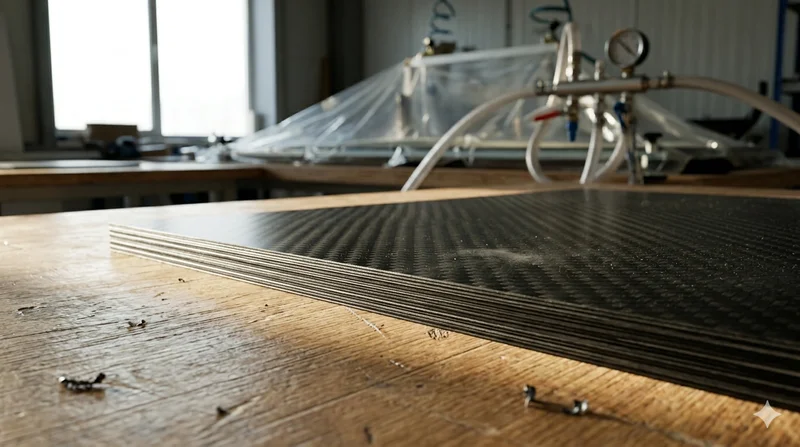
Carbon Fiber Plate — 3K Twill T700 3.0mm
Medium-thickness 3.0mm carbon fiber plate offering significantly higher load capacity while maintaining attractive 3K twill finish. Suitable for structural brackets, reinforcement plates, and load-bearing panels.
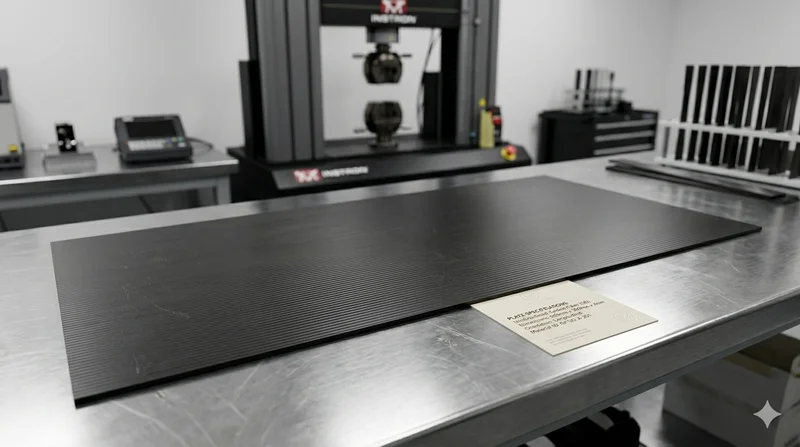
Carbon Fiber Plate — UD Unidirectional T700
Unidirectional carbon fiber plate with all fibers oriented in a single direction for maximum strength along the fiber axis. Essential for structural reinforcements, splints, and applications where load direction is predictable.