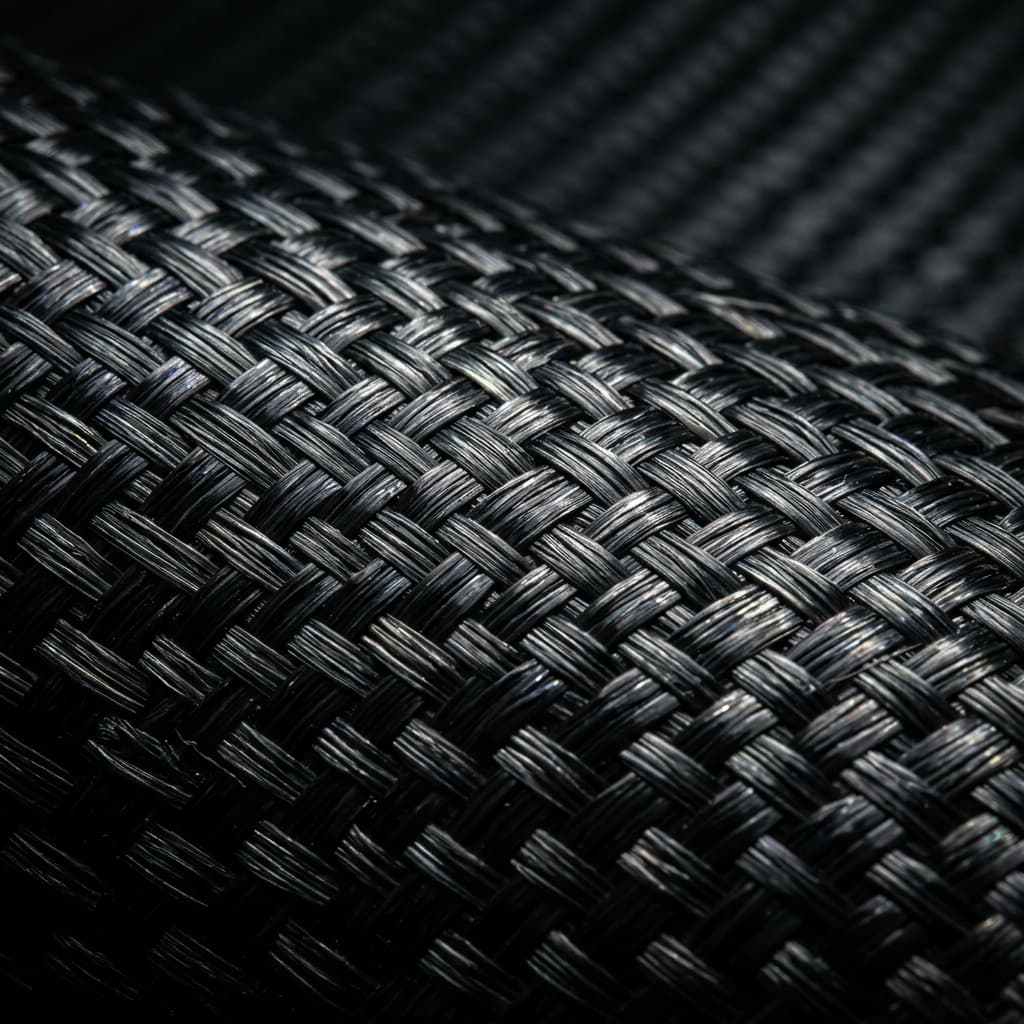
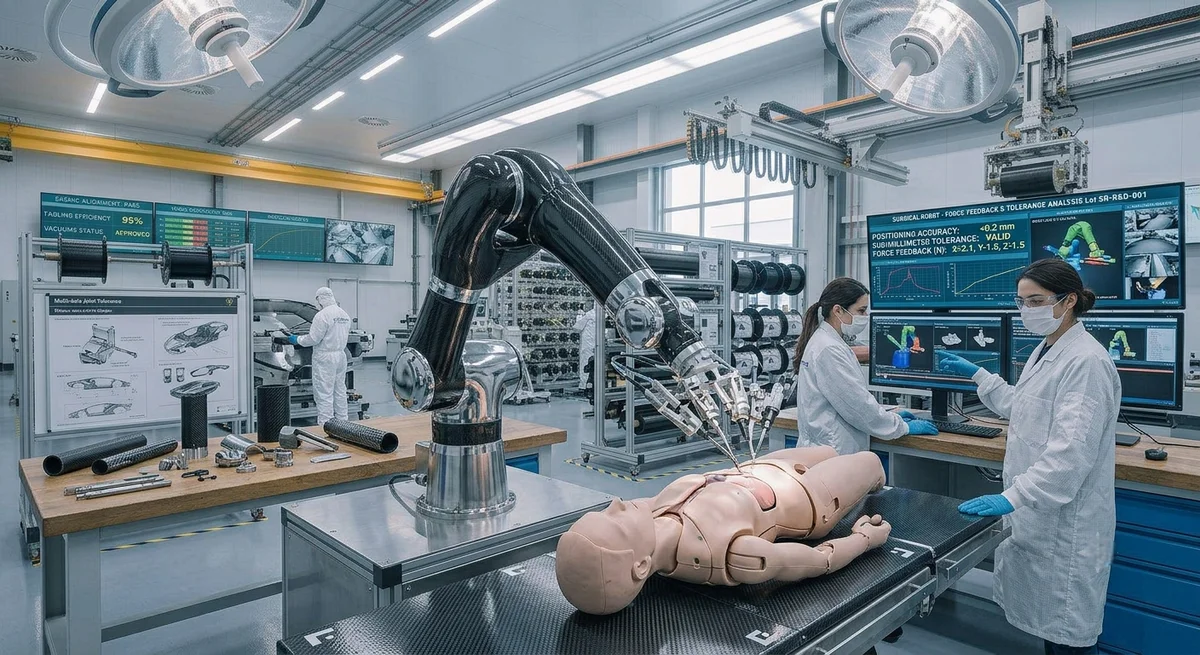
A technical analysis of carbon fiber composite applications in surgical robotics — covering lightweight robotic arm design, end effector precision, sterilization compatibility, and cost-performance tradeoffs for medical OEMs.
# Carbon Fiber in Medical Surgical Robotics: Lightweight Arms and End Effectors for Precision Surgery
Introduction
The global surgical robotics market is projected to reach USD 24.6 billion by 2030, growing at a CAGR of 17.6% from 2026. As robotic-assisted surgery expands from urology and gynecology into orthopedics, neurosurgery, cardiovascular interventions, and general surgery, the mechanical demands on robotic systems are intensifying. Every gram of mass in a robotic arm translates to inertial forces that must be compensated by motors, gearboxes, and control algorithms — directly impacting positioning accuracy, response time, and energy consumption.
Carbon fiber reinforced polymer (CFRP) composites are emerging as the material of choice for next-generation surgical robotic arms and end effectors. Unlike traditional materials — aluminum, stainless steel, and titanium — carbon fiber offers an unmatched combination of stiffness-to-weight ratio, vibration damping, thermal stability, and radiolucency (transparency to X-rays and CT). This article provides B2B buyers in the medical device and surgical robotics supply chain with a detailed technical evaluation of carbon fiber components, covering material selection, design considerations, sterilization validation, and cost analysis.
Material Performance Comparison
| Property | Carbon Fiber (CFRP) | Aluminum (7075-T6) | Titanium (Ti-6Al-4V) | Stainless Steel (316L) | Unit |
|---|---|---|---|---|---|
| Density | 1.55–1.75 | 2.81 | 4.43 | 8.00 | g/cm³ |
| Specific stiffness | 40–69 | 25 | 26 | 25 | GPa/(g/cm³) |
| Vibration damping (tan δ) | 0.015–0.030 | 0.001–0.002 | 0.002–0.005 | 0.0005–0.001 | — |
| CTE (axial) | −1 to 0 | 23 | 8.6 | 16 | ×10⁻⁶/°C |
| Fatigue strength @ 10⁷ cycles | 60–70% UTS | 30–40% UTS | 50–60% UTS | 35–45% UTS | — |
| Radiolucency | Excellent | Poor | Poor | Poor | — |
| Autoclave sterilization (134°C) | 1,000+ cycles | N/A (corrosion) | Unlimited | Unlimited | — |
| Relative material cost | 3–5× Al | 1× (baseline) | 3–4× Al | 0.8–1.2× Al | — |
Robotic Arm Weight Reduction and Dynamics
The most immediate benefit of carbon fiber in surgical robotics is mass reduction. A typical 6-axis robotic arm for minimally invasive surgery weighs 12–18 kg in aluminum construction. By replacing the upper arm, forearm, and wrist housings with carbon fiber composite structures, manufacturers can reduce total arm mass to 6–9 kg — a 45–55% weight reduction. This has cascading benefits:
- **Improved dynamic response:** Lower inertia allows faster acceleration and deceleration. The settling time after a commanded move decreases from 180–250 ms (aluminum) to 80–120 ms (CFRP), enabling smoother, more precise tool motion during delicate micro-surgical procedures.
- **Reduced motor and gearbox requirements:** With 50% less mass to move, joint motors can be downsized by 30–40%, reducing overall system cost. A 6-axis arm with CFRP links requires 150–250 W total servo power versus 350–500 W for aluminum.
- **Enhanced backdriveability:** Lower reflected inertia improves force-feedback transparency in haptic-enabled systems.
- **Counterbalance reduction:** Reduced mass requires lighter counterbalance springs, further reducing total system weight.
Sterilization and Biocompatibility
| Sterilization Method | Temperature / Conditions | CFRP Compatibility | Max Cycles |
|---|---|---|---|
| Steam autoclave | 134°C, 2.1 bar, 3–4 min | Standard epoxy: 500–1,000 cycles; BMI/PEEK: 2,000+ cycles | 1,000 |
| Ethylene oxide (EtO) | 37–55°C, 40–80% RH | Excellent | Unlimited |
| Gamma radiation | 25–50 kGy | Epoxy: 50–200 cycles; PEEK: 500+ | 200 |
| Low-temperature H₂O₂ plasma | 45–55°C | Excellent | Unlimited |
Cost Analysis: Total Cost of Ownership (5-Year Model)
| Cost Category | Aluminum Arm | CFRP Arm | CFRP Savings / Premium |
|---|---|---|---|
| Initial component cost (6-axis arm) | $4,200 | $9,600 | −$5,400 |
| Motor/gearbox downsizing savings | $0 | −$1,800 | +$1,800 |
| Assembly labor | $800 | $1,200 | −$400 |
| Sterilization validation & testing | $300 | $1,500 | −$1,200 |
| Energy cost (8-hr duty, 5 years) | $3,200 | $1,600 | +$1,600 |
| Maintenance & overhaul | $2,800 | $900 | +$1,900 |
| Imaging artifacts (OR efficiency loss) | $4,500 | $500 | +$4,000 |
| **Total 5-Year Cost** | **$15,800** | **$14,100** | **+$1,700** |
| **Net Savings** | — | — | **$1,700 (10.8% TCO reduction)** |
Frequently Asked Questions
**Q: Can carbon fiber robotic arms withstand the repetitive motion of thousands of surgical procedures?**
A: Yes, when designed with appropriate fatigue margins. Carbon fiber composites exhibit exceptional fatigue performance, with endurance limits at 60–70% of ultimate tensile strength — substantially higher than aluminum (30–40%) and titanium (50–60%). For surgical robotic applications, a design stress level of 25–30% of ultimate strength provides infinite fatigue life (>10⁷ cycles). Most surgical robotic OEMs require validation to 2–5 million cycles, which CFRP arms routinely meet.
**Q: How does the cost of carbon fiber robotic components compare with traditional materials over the product lifecycle?**
A: While CFRP components carry a 2–4× initial cost premium versus aluminum or stainless steel, the total cost of ownership over a 5-year surgical robot life cycle is typically 8–15% lower. The savings come from motor downsizing ($1,500–$2,500 per arm), reduced energy consumption (~50% less), lower maintenance costs, improved OR efficiency from radiolucent instruments, and extended service intervals.
**Q: What are the limitations of carbon fiber in surgical robotics applications?**
A: The primary limitations are: (1) Sterilization degradation — standard epoxy systems show measurable strength loss after 500+ autoclave cycles; (2) Impact sensitivity — CFRP has lower impact damage tolerance than metals; (3) Design iteration cost — composite part changes require new mold tooling ($20,000–$80,000 per tool); (4) Electrical conductivity management requiring grounding; (5) Limited supply chain maturity for combined ISO 13485 and AS9100 certified fabricators.
Conclusion
Carbon fiber composites are transitioning from an exotic option to a standard engineering material for surgical robotic systems. The combination of 45–55% weight reduction, 10× better vibration damping, complete radiolucency, and proven sterilization compatibility makes CFRP an compelling choice for OEMs developing next-generation robotic platforms.
Part of topic
Related Articles
- Carbon Fiber Mooring for Floating Offshore Wind: Fatigue and Corrosion in Deep Water
- Carbon Fiber Bicycle Frame Optimization: Layup Design and Manufacturing for Competitive Racing
- Carbon Fiber CFRP Retrofit for Infrastructure: Bridge and Building Seismic Strengthening
- Carbon Fiber Medical Imaging Equipment: Lightweight Gantry and Couch Structures for MRI/CT
- Carbon Fiber EV Battery Enclosures: Crash Safety and Electromagnetic Shielding Design
- Carbon Fiber Structures for Low-Altitude Economy: UAV Airframes and eVTOL Components
Interested in Our Products?
Contact our team for competitive pricing and technical specifications.
Get a QuoteRelated Products
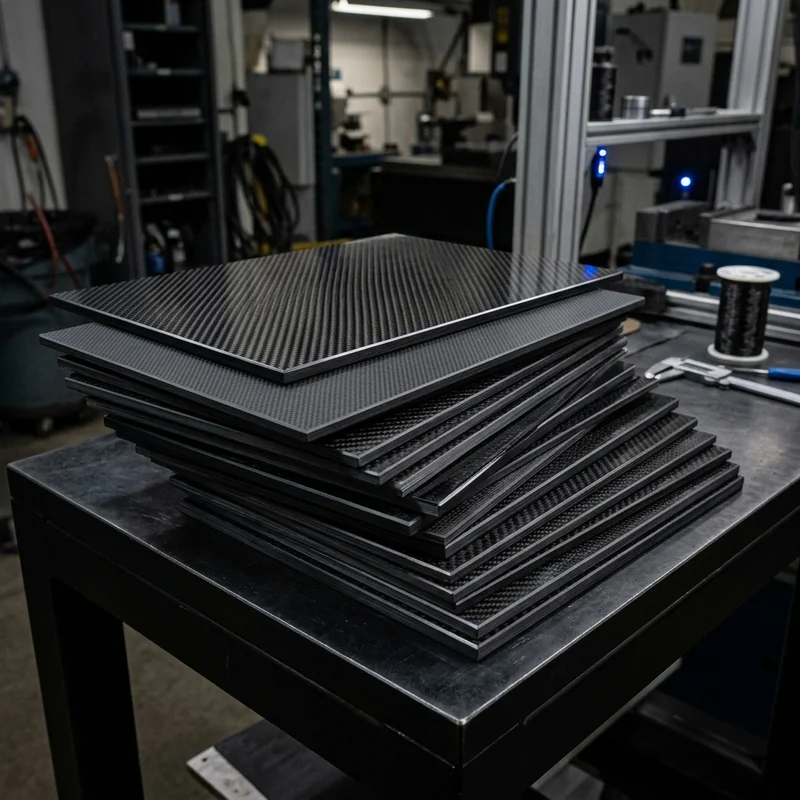
Carbon fiber standard plate-3k stripe
Lightweight, ultra-rigid standard sheets for drone fuselages, robot housings, facades and structural applications.
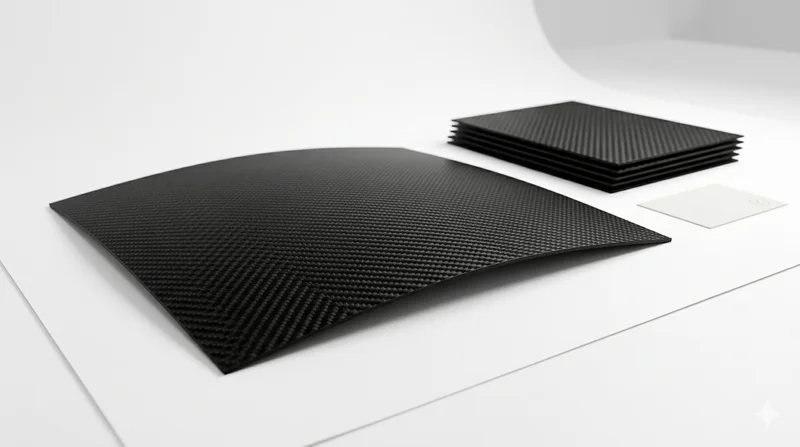
Carbon Fiber Plate — 3K Twill T700 1.5mm
Thin 1.5mm carbon fiber plate with 3K twill weave surface. Lightweight and stiff, commonly used for covers, panels, drone bodies, and applications requiring a premium aesthetic appearance.
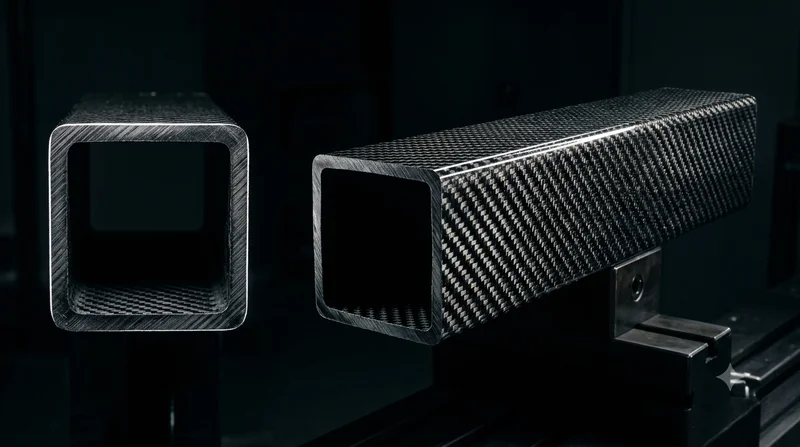
Square Carbon Fiber Tube — 3K Twill T700
Square cross-section carbon fiber tube manufactured with 3K twill weave for torsional strength. Preferred for structural frames, trusses, and support columns where rectangular geometry offers design flexibility.
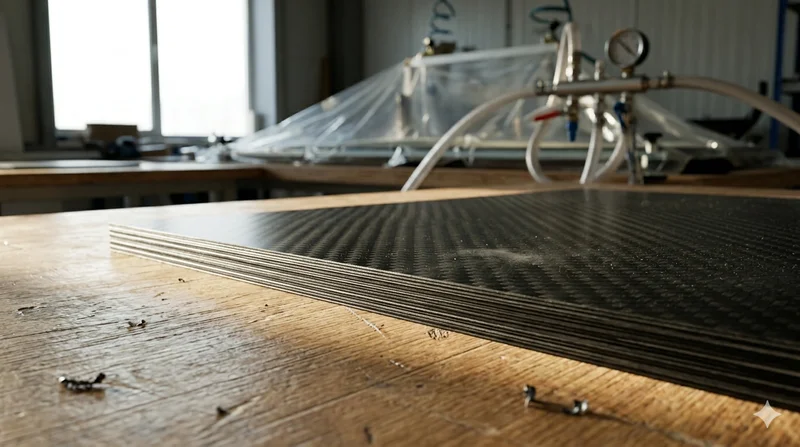
Carbon Fiber Plate — 3K Twill T700 3.0mm
Medium-thickness 3.0mm carbon fiber plate offering significantly higher load capacity while maintaining attractive 3K twill finish. Suitable for structural brackets, reinforcement plates, and load-bearing panels.
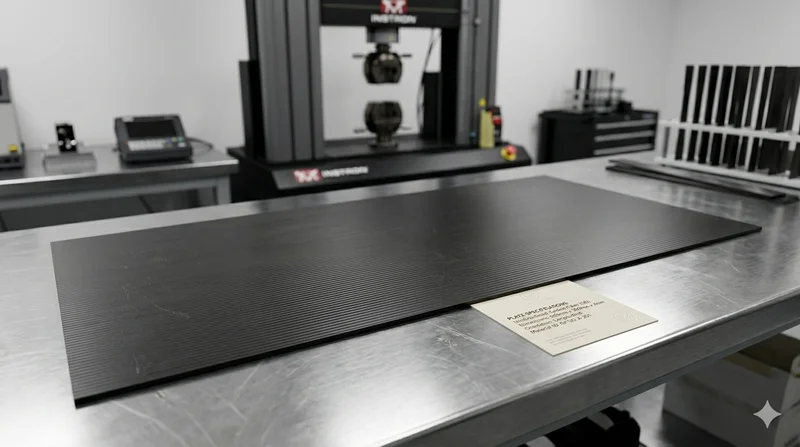
Carbon Fiber Plate — UD Unidirectional T700
Unidirectional carbon fiber plate with all fibers oriented in a single direction for maximum strength along the fiber axis. Essential for structural reinforcements, splints, and applications where load direction is predictable.