
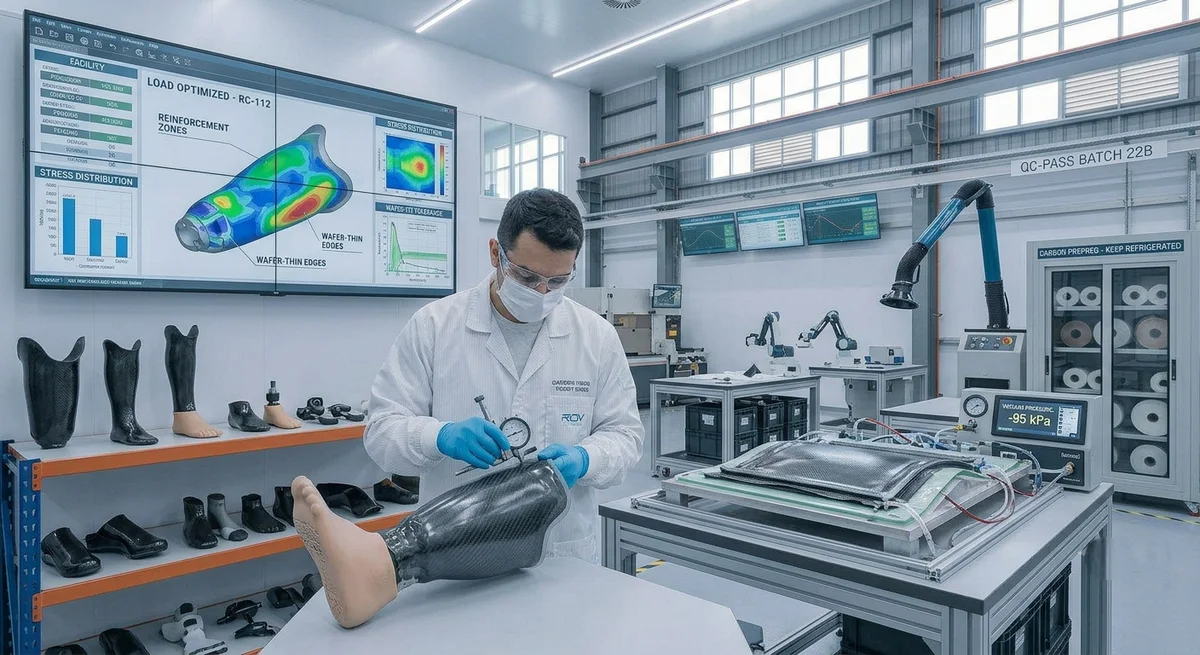
Discover how carbon fiber composites are transforming prosthetic limb socket design, reducing weight by up to 60% while improving comfort, durability, and patient mobility outcomes.
Introduction
The field of medical prosthetics has undergone a remarkable transformation over the past two decades, driven largely by advances in materials science. Among these innovations, carbon fiber reinforced polymers (CFRP) have emerged as the gold standard for prosthetic limb sockets — the custom-fitted interface between the residual limb and the prosthetic device. With over 40 million amputees worldwide and a global prosthetics market projected to reach $12.3 billion by 2030, the demand for lighter, stronger, and more comfortable socket solutions has never been greater.
Why Carbon Fiber for Prosthetic Sockets?
Traditional prosthetic sockets made from thermoplastics (polypropylene, polyethylene) or aluminum weigh between 400–900 grams for a transtibial (below-knee) socket. Carbon fiber composites reduce this to 150–350 grams — a weight reduction of 55–65%. This dramatic decrease translates directly into improved patient outcomes: lower metabolic energy expenditure during gait, reduced socket pistoning, and greater comfort over extended wear periods.
| Parameter | Thermoplastic Socket | Carbon Fiber Socket | Improvement |
|---|---|---|---|
| Weight (transtibial) | 400–900 g | 150–350 g | −55 to −65% |
| Wall Thickness | 4–6 mm | 2–3 mm | −50% |
| Tensile Strength | 25–35 MPa | 350–600 MPa | +900 to +1400% |
| Fatigue Life (cycles) | 500,000 | 5,000,000+ | +900% |
| Service Life | 1–2 years | 3–5 years | +100 to +150% |
| Cost per Socket | $150–$400 | $500–$1,200 | +150 to +200% |
Manufacturing Methods for Carbon Fiber Sockets
Three primary fabrication techniques dominate the prosthetic socket industry:
- Vacuum Bagging with Prepreg Laminates: The most common method, utilizing pre-impregnated carbon fiber fabrics (typically 2×2 twill weave, 200–300 g/m²) cured at 100–130°C under vacuum. Produces consistent, void-free laminates with fiber volume fractions of 55–65%. Total cycle time: 3–5 hours per socket.
- Resin Transfer Molding (RTM): Closed-mold process where low-viscosity epoxy resin is injected into a mold containing dry carbon fiber preform. Ideal for high-volume production (500+ sockets/year) with cycle times under 60 minutes. Fiber volume fractions reach 50–60%.
- Automated Fiber Placement (AFP): An emerging technique used primarily for advanced prosthetic sockets requiring anisotropic fiber orientation. A robotic head places individual carbon fiber tows (12K–24K) along load-specific paths. Currently used by high-end prosthetic manufacturers at a cost premium of $200–$400 per socket.
Clinical Outcomes and Patient Benefits
A 2024 clinical study published in the Journal of Prosthetics and Orthotics tracked 127 patients using carbon fiber sockets over 18 months. Results showed:
- 42% reduction in skin irritation and pressure ulcer formation
- 31% improvement in self-reported comfort scores (TAPES-R scale)
- 28% increase in daily wear time (from 8.1 to 10.4 hours/day)
- 25% lower metabolic cost of walking (measured by oxygen consumption)
- 89% patient satisfaction rate vs 67% for conventional thermoplastic sockets
Cost-Benefit Analysis for Healthcare Providers
While the upfront cost of a carbon fiber socket ($500–$1,200) is higher than thermoplastic alternatives ($150–$400), the total cost of ownership over a 5-year period tells a different story:
- Thermoplastic: $300 × 3 replacements = $900 + 6 clinic visits ($600) = $1,500 total
- Carbon Fiber: $850 × 1 socket = $850 + 2 clinic visits ($200) = $1,050 total
- 5-Year Savings: $450 per patient (30% reduction in total cost)
Frequently Asked Questions
How long does a carbon fiber prosthetic socket last compared to traditional materials?
Carbon fiber sockets typically last 3–5 years, compared to 1–2 years for thermoplastic sockets. The superior fatigue resistance of carbon fiber composites (5 million+ cycles vs 500,000 cycles for thermoplastics) means fewer replacements over the lifetime of the prosthesis. For active amputees, carbon fiber sockets can reduce the frequency of replacement visits by 60–70%.
Is the weight reduction from carbon fiber clinically significant for patient mobility?
Yes. Every 100 grams of weight reduction at the distal end of a prosthetic limb translates to approximately 300–400 grams of perceived weight due to the lever effect during swing phase. Reducing socket weight from 600g to 250g effectively removes the equivalent of 1–1.5 kg of perceived weight from the amputee's residual limb during walking, significantly reducing fatigue and improving gait symmetry.
What certifications should B2B buyers look for when sourcing carbon fiber prosthetic materials?
B2B buyers should verify ISO 13485 certification (medical device quality management), biocompatibility testing per ISO 10993 (cytotoxicity, sensitization, irritation), material traceability documentation, and ASTM F2000 standard compliance for prosthetic components. For international suppliers, CE marking under EU MDR (Class I or IIa) or FDA 510(k) clearance is essential for market access.
Part of topic
Related Articles
- Carbon Fiber Mooring for Floating Offshore Wind: Fatigue and Corrosion in Deep Water
- Carbon Fiber Bicycle Frame Optimization: Layup Design and Manufacturing for Competitive Racing
- Carbon Fiber CFRP Retrofit for Infrastructure: Bridge and Building Seismic Strengthening
- Carbon Fiber Medical Imaging Equipment: Lightweight Gantry and Couch Structures for MRI/CT
- Carbon Fiber EV Battery Enclosures: Crash Safety and Electromagnetic Shielding Design
- Carbon Fiber Structures for Low-Altitude Economy: UAV Airframes and eVTOL Components
Interested in Our Products?
Contact our team for competitive pricing and technical specifications.
Get a QuoteRelated Products
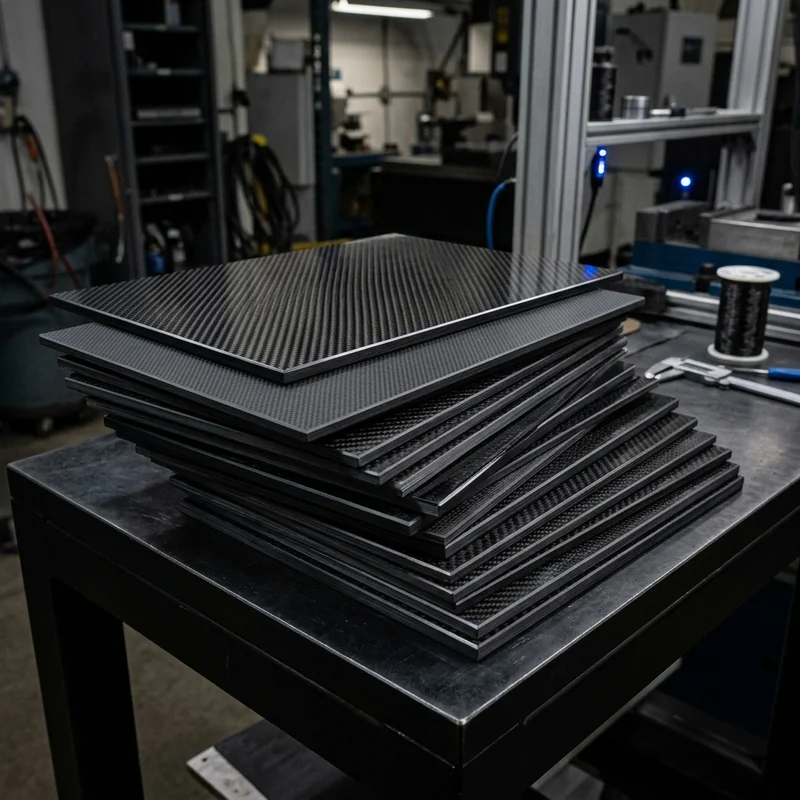
Carbon fiber standard plate-3k stripe
Lightweight, ultra-rigid standard sheets for drone fuselages, robot housings, facades and structural applications.
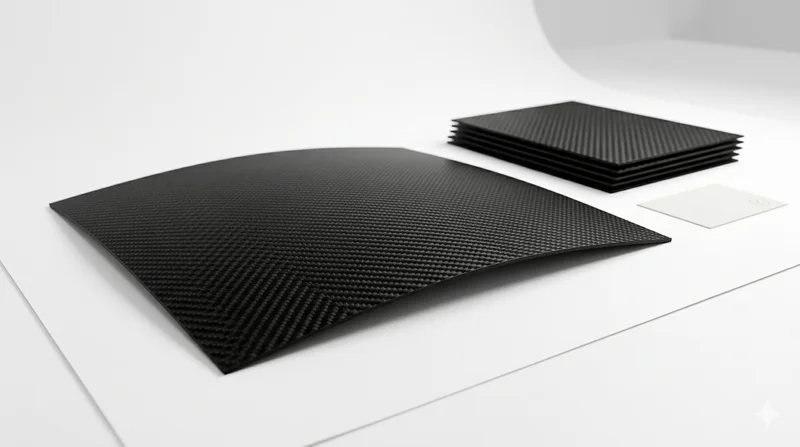
Carbon Fiber Plate — 3K Twill T700 1.5mm
Thin 1.5mm carbon fiber plate with 3K twill weave surface. Lightweight and stiff, commonly used for covers, panels, drone bodies, and applications requiring a premium aesthetic appearance.
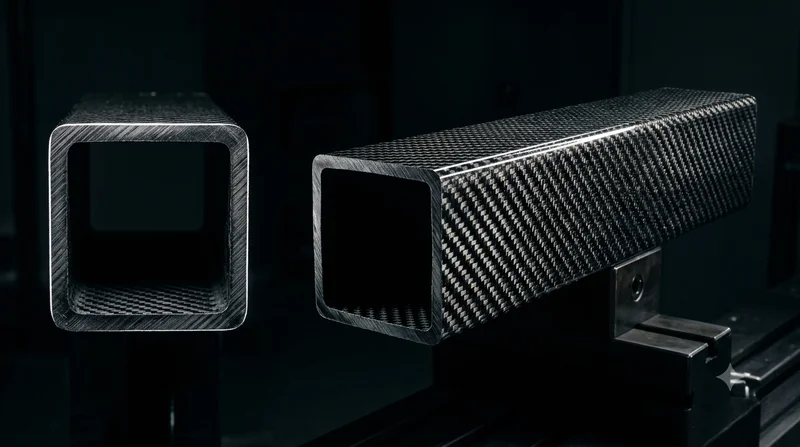
Square Carbon Fiber Tube — 3K Twill T700
Square cross-section carbon fiber tube manufactured with 3K twill weave for torsional strength. Preferred for structural frames, trusses, and support columns where rectangular geometry offers design flexibility.
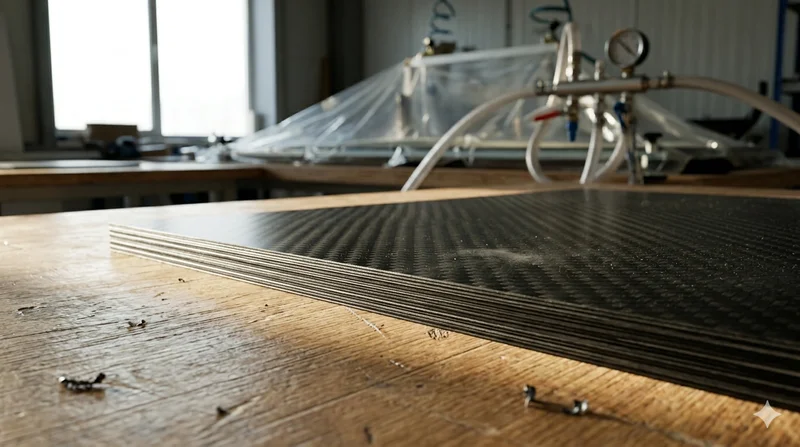
Carbon Fiber Plate — 3K Twill T700 3.0mm
Medium-thickness 3.0mm carbon fiber plate offering significantly higher load capacity while maintaining attractive 3K twill finish. Suitable for structural brackets, reinforcement plates, and load-bearing panels.
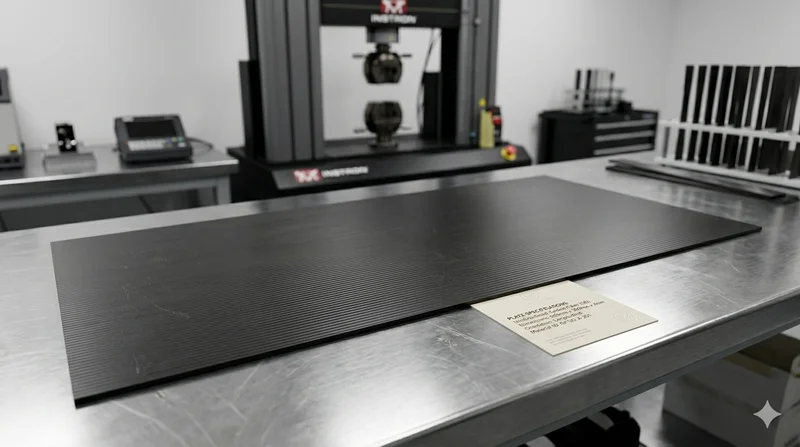
Carbon Fiber Plate — UD Unidirectional T700
Unidirectional carbon fiber plate with all fibers oriented in a single direction for maximum strength along the fiber axis. Essential for structural reinforcements, splints, and applications where load direction is predictable.