
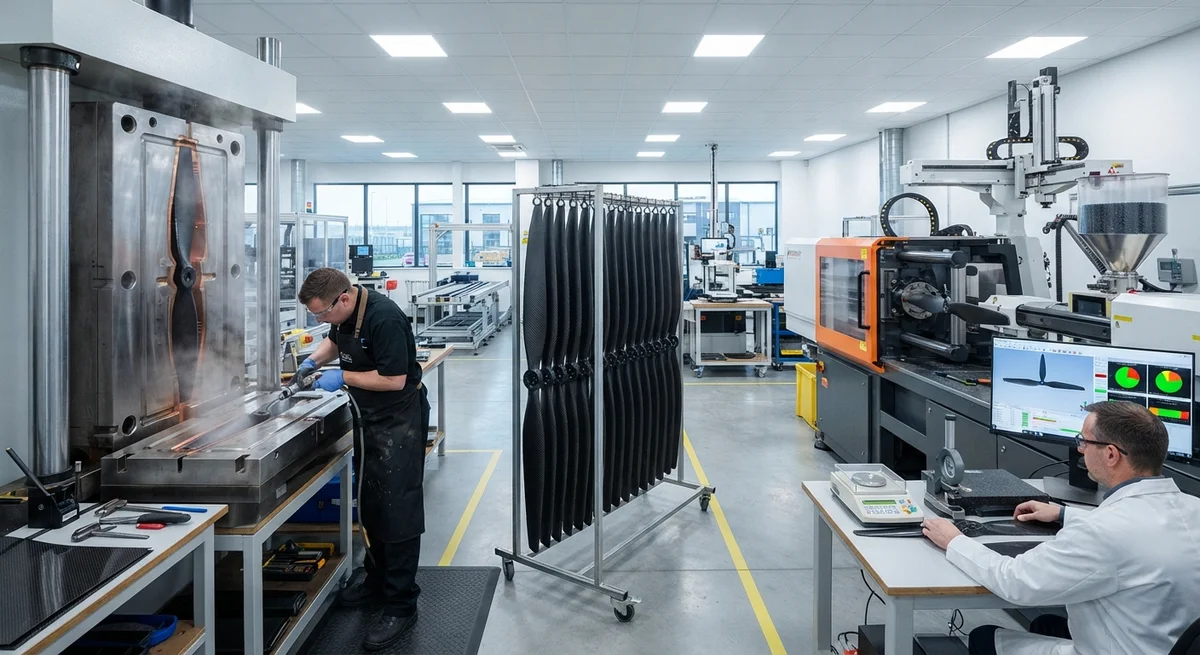
A detailed comparison of compression molding and injection molding processes for carbon fiber drone propeller blades, examining mechanical performance, production throughput, cost structures, and quality control parameters for B2B buyers.
The global drone propeller market is projected to reach USD 1.8 billion by 2030, growing at a CAGR of 14.2% from 2025 to 2030, driven by the rapid expansion of commercial drone applications in logistics, agriculture, infrastructure inspection, and defense. Within this market, carbon fiber-reinforced propellers command a significant premium over conventional plastic or wooden blades due to their superior stiffness-to-weight ratio, fatigue resistance, and aerodynamic stability across a wide temperature range. However, not all carbon fiber propellers are manufactured equal — the choice between compression molding and injection molding fundamentally determines the performance envelope, production scalability, and unit cost of the final blade.
This article provides a structured technical and commercial comparison of these two dominant manufacturing processes, supported by experimental data, production economics, and quality metrics. The analysis is intended for B2B procurement teams evaluating drone propeller suppliers, as well as engineering teams designing next-generation unmanned aerial systems that require optimized propeller performance.
The Engineering Requirements of Drone Propeller Blades
A typical commercial drone propeller operates at rotational speeds of 4,000–12,000 RPM, generating centrifugal forces that can exceed 500 times the blade's own weight. The primary failure modes for carbon fiber drone propellers include tip delamination, root fracture, trailing edge erosion, mass imbalance, and UV degradation.
- Tip delamination: Separation of carbon fiber plies at the blade tip due to high centrifugal loads.
- Root fracture: Fatigue crack initiation at the blade root driven by cyclic bending moments.
- Trailing edge erosion: Progressive material loss due to sand, dust, and water droplet impact.
- Mass imbalance: Uneven material distribution or moisture absorption causing vibration.
- UV degradation: Resin system breakdown under prolonged sunlight exposure.
Compression Molding Process Overview
Compression molding is the established process for high-performance carbon fiber drone propellers. The process begins with the preparation of carbon fiber prepreg sheets — typically unidirectional (UD) tape or woven fabric pre-impregnated with epoxy resin at a resin content of 35–42% by weight. Prepreg plies are cut to net shape using a CNC ply-cutting machine, then stacked in a specific sequence. A typical layup consists of 4–8 plies oriented at 0°, ±45°, and 90° relative to the blade span axis. The stacked charge is placed into a heated steel mold at 140–180°C under 50–150 tonnes of hydraulic pressure. Total cycle time is 8–20 minutes per blade.
Injection Molding Process Overview
Injection molding uses chopped carbon fiber strands (6–12 mm length) compounded into a thermoplastic or thermoset matrix at fiber loadings of 20–40% by weight. The compound is injected at 500–2,000 bar pressure into a steel mold. Cycle time is 30–90 seconds per blade. The critical distinction is that the carbon fiber reinforcement consists of short, randomly oriented fibers rather than continuous aligned fibers.
Comprehensive Process Comparison
| Parameter | Compression Molding (Prepreg) | Injection Molding (Short Fiber) |
|---|---|---|
| Fiber architecture | Continuous aligned (UD or woven) | Short chopped (6–12 mm), random orientation |
| Fiber volume fraction | 55–65% | 20–40% |
| Cycle time per blade | 8–20 minutes | 30–90 seconds |
| Tooling cost per mold | $15,000–$45,000 | $25,000–$80,000 |
| Annual production capacity (1 mold) | 8,000–25,000 blades | 200,000–500,000 blades |
| Tensile strength (0° direction) | 800–1,600 MPa | 80–180 MPa |
| Tensile modulus (0° direction) | 70–140 GPa | 8–20 GPa |
| Fatigue life at 70% stress | 10⁶–10⁷ cycles | 10⁴–10⁵ cycles |
| Weight per 10-inch propeller | 8–14 grams | 12–18 grams |
| Typical unit cost (10-inch) | $8–$25 | $2–$8 |
Mechanical Performance Analysis
The 8–10× difference in fiber-direction strength translates directly to blade thickness requirements. A compression-molded blade achieves its target stiffness with a thinner airfoil section, reducing drag. Compression-molded blades demonstrate fatigue lives of 10⁶–10⁷ cycles at 70% of ultimate tensile strength, versus 10⁴–10⁵ cycles for injection-molded. In practice, B2B buyers report replacement intervals of 200–300 flight hours for injection-molded propellers versus 600–1,200 flight hours for compression-molded equivalents.
Production Economics and Scalability
Injection molding exhibits low variable cost per unit but high fixed tooling investment. The crossover point between the two processes occurs at approximately 80,000–120,000 blades per year for a 10-inch propeller design. Low volume (1,000–20,000/year): compression molding more economical. Medium volume (20,000–100,000/year): both viable. High volume (100,000+/year): injection molding dominates.
Frequently Asked Questions
Q: Can injection-molded carbon fiber propellers achieve the same thrust-to-weight ratio as compression-molded?
A: No. The short, randomly oriented fibers result in a tensile modulus of 8–20 GPa compared to 70–140 GPa. Injection-molded blades must be 30–50% thicker, increasing weight and reducing efficiency. Independent testing shows compression-molded propellers deliver 8–15% higher thrust at the same power input.
Q: What are the cost implications of switching from injection-molded to compression-molded propellers?
A: Unit cost increase is typically 3–5×, but total cost of ownership analysis must include the longer service life (3–6× longer) and reduced replacement frequency. For a DJI Agras T50 agricultural drone operating 800 hours/year, annual propeller cost is approximately $280–$600 for injection-molded versus $320–$540 for compression-molded — near parity.
Q: How do the two processes handle custom 3D airfoil geometries?
A: Injection molding offers greater geometric freedom. Undercuts and swept tips are readily achievable. Compression molding requires prepreg plies to conform to the mold surface — sharp radius features can cause ply bridging or wrinkling.
Q: Are hybrid manufacturing approaches available?
A: Yes. Hybrid processes combine compression-molded continuous-fiber cores with injection-molded features, achieving 70–85% of mechanical performance at 40–60% of cycle time.
Q: What resin systems are used in each process?
A: Compression molding uses epoxy-based thermoset prepregs (120–180°C cure). Injection molding uses thermoplastic matrices (PA6, PA66, PEEK, PP) or thermoset matrices (phenolic, polyester). PEEK-based injection-molded propellers can match epoxy temperature range at 4–6× material cost.
Conclusion
Compression molding delivers 8–10× higher tensile strength, 3–6× longer fatigue life, and 3–5% better aerodynamic efficiency, making it preferred for industrial and defense applications. Injection molding offers 90%+ shorter cycle times and 60–75% lower unit cost, making it economic for consumer drones. B2B buyers should evaluate total cost of ownership including service life and efficiency gains, not just unit cost.
Part of topic
Related Articles
- Carbon Fiber Mooring for Floating Offshore Wind: Fatigue and Corrosion in Deep Water
- Carbon Fiber Bicycle Frame Optimization: Layup Design and Manufacturing for Competitive Racing
- Carbon Fiber CFRP Retrofit for Infrastructure: Bridge and Building Seismic Strengthening
- Carbon Fiber Medical Imaging Equipment: Lightweight Gantry and Couch Structures for MRI/CT
- Carbon Fiber EV Battery Enclosures: Crash Safety and Electromagnetic Shielding Design
- Carbon Fiber Structures for Low-Altitude Economy: UAV Airframes and eVTOL Components
Interested in Our Products?
Contact our team for competitive pricing and technical specifications.
Get a QuoteRelated Products
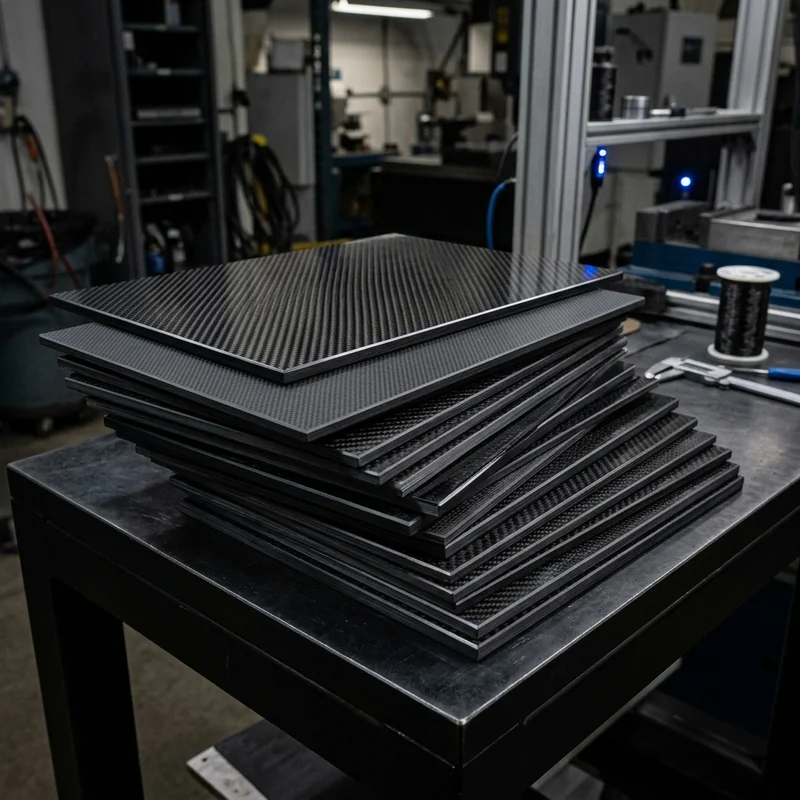
Carbon fiber standard plate-3k stripe
Lightweight, ultra-rigid standard sheets for drone fuselages, robot housings, facades and structural applications.
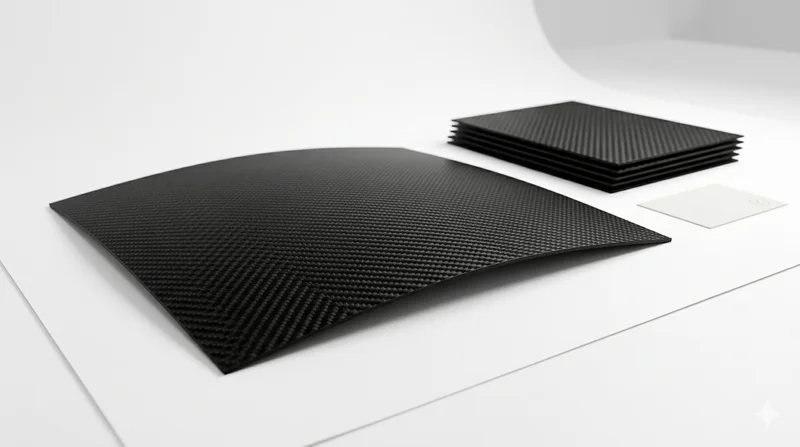
Carbon Fiber Plate — 3K Twill T700 1.5mm
Thin 1.5mm carbon fiber plate with 3K twill weave surface. Lightweight and stiff, commonly used for covers, panels, drone bodies, and applications requiring a premium aesthetic appearance.
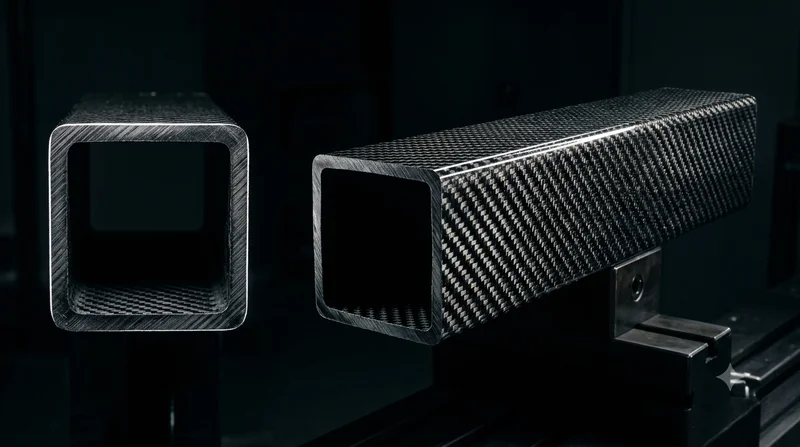
Square Carbon Fiber Tube — 3K Twill T700
Square cross-section carbon fiber tube manufactured with 3K twill weave for torsional strength. Preferred for structural frames, trusses, and support columns where rectangular geometry offers design flexibility.
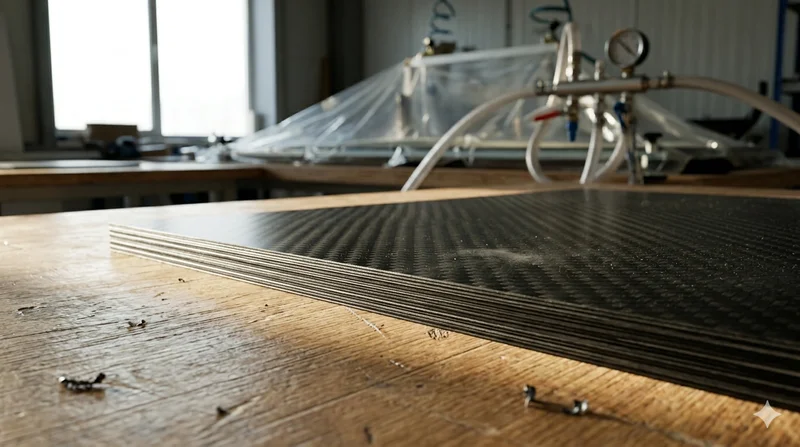
Carbon Fiber Plate — 3K Twill T700 3.0mm
Medium-thickness 3.0mm carbon fiber plate offering significantly higher load capacity while maintaining attractive 3K twill finish. Suitable for structural brackets, reinforcement plates, and load-bearing panels.
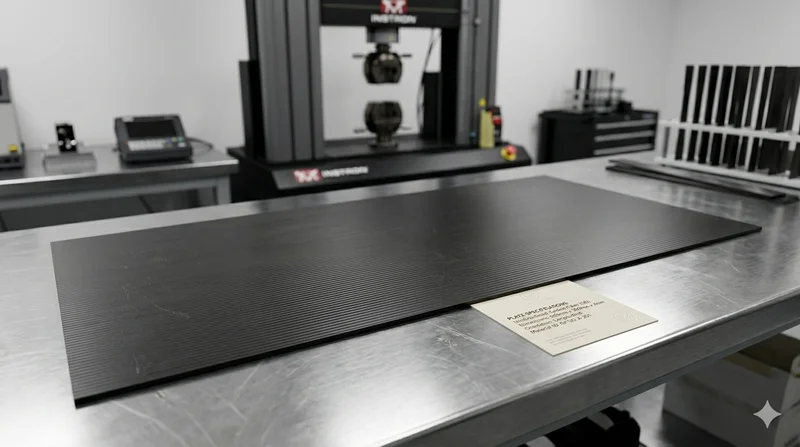
Carbon Fiber Plate — UD Unidirectional T700
Unidirectional carbon fiber plate with all fibers oriented in a single direction for maximum strength along the fiber axis. Essential for structural reinforcements, splints, and applications where load direction is predictable.