Carbon fiber surface treatment is the step that decides whether an adhesive joint, a paint system or a laminated overwrap survives service, yet it is often the least specified stage of a composite build. A clean-looking laminate can still fail at the bond line if the surface energy of the cured pane
Introduction
Carbon fiber surface treatment is the step that decides whether an adhesive joint, a paint system or a laminated overwrap survives service, yet it is often the least specified stage of a composite build. A clean-looking laminate can still fail at the bond line if the surface energy of the cured panel was never raised, or if the sizing resin left on the fiber from the factory was never removed. Understanding how plasma, sanding and sizing interact gives buyers and engineers a defensible basis for specifying preparation before asking how are carbon fiber parts made to a structural tolerance.
This article explains the three mainstream carbon fiber surface treatment methods, the measurable effects each produces, and how to choose among them during carbon fiber plate manufacturing. It also covers the practical question buyers raise most often — how to prepare a surface before cutting carbon fiber sheet — because the order of operations determines whether the treatment survives the cut.
Why Carbon Fiber Surface Treatment Matters for Bonding
Cured epoxy surfaces are chemically inert and low in surface energy, typically 35 to 45 millinewton per meter before any treatment. Structural adhesives wet and key best above 50 millinewton per meter, which is why untreated carbon fiber plate often shows acceptable lap-shear values in the laboratory but poor peel performance in the field. Carbon fiber surface treatment raises surface energy, removes weak boundary layers and creates micro-scale anchor points without compromising the laminate underneath.
| Method | Surface Energy After | Peel Strength Gain | Depth of Effect |
|---|---|---|---|
| Untreated control | 35-45 mN/m | baseline | none |
| Sand to P240 | 48-55 mN/m | +25-40% | 30-60 micron removed |
| Sand to P120 | 46-52 mN/m | +15-30% | 80-120 micron removed |
| Atmospheric plasma | 55-65 mN/m | +40-60% | surface molecular layer only |
| Plasma + light scuff | 58-68 mN/m | +50-70% | combined |
The data shows why sequence matters. Sanding removes material and raises roughness; plasma changes chemistry without removing structure. Doing plasma first and then sanding strips the activated layer away, while sanding first and plasma second combines both effects — the ordering that most qualified bonding procedures now specify.
Plasma Treatment in Carbon Fiber Plate Manufacturing
Atmospheric plasma is the preferred carbon fiber surface treatment in high-volume carbon fiber plate manufacturing because it is dry, inline and leaves no residue. A plasma jet ionizes ambient gas, and the reactive species oxidize the surface, introducing hydroxyl and carboxyl groups that adhesives and coatings can chemically key into. Treatment dwell of 0.5 to 2 seconds per pass is typical, and panels are usually bonded within four to eight hours before the activated layer recontaminates.
- Advantages: no dust, no material removal, consistent results across large panel areas, easy to automate on a conveyor line.
- Limitations: equipment cost for small shops, effectiveness drops on heavily contaminated or oily surfaces, and the activation is temporary — delay and the gain is lost.
- Best fit: structural bonding of aircraft brackets, automotive battery trays and any joint where adhesive performance is safety-critical.
For buyers evaluating suppliers, the practical question is whether plasma treatment is monitored. Dyne test pens or contact-angle measurements before and after each batch provide objective evidence; a supplier who cannot show a dyne number is relying on operator judgment rather than process control.
Sanding and Sizing: Mechanical and Factory Methods
Sanding is the most widely available carbon fiber surface treatment. Abrasive paper in the P120 to P240 range scuffs the cured resin, removes the glossy surface layer and generates the mechanical tooth that peel-sensitive joints need. When carbon fiber sheet how to cut enters the workflow, sanding should happen after cutting and drilling — edges and holes are the last geometry to be finished, and treating a surface before those operations simply recontaminates it.
Sizing, by contrast, is a factory-stage treatment applied to the fiber itself during production. A thin film of compatibility resin — often epoxy or epoxy-compatible polyurethane — is deposited on the filament to protect it during spinning and to promote fiber-matrix adhesion during lamination. In carbon fiber plate manufacturing, the sizing chemistry must match the matrix: a sizing designed for epoxy will underperform in a polyester or vinyl-ester laminate, which is one reason how are carbon fiber parts made questions should always include the fiber-matrix compatibility line in the specification.
Frequently Asked Questions
Is carbon fiber surface treatment necessary before bonding?
Yes, for any structural joint. Untreated cured epoxy typically sits at 35-45 mN/m surface energy, below the wetting threshold of most structural adhesives. Sanding or plasma treatment raises surface energy above 50 mN/m and improves peel strength by 25 to 70 percent depending on method, which is the difference between a joint that passes a durability cycle and one that separates at the interface.
How long does plasma carbon fiber surface treatment last before bonding?
Plasma activation decays with time and contamination. Most bonding procedures specify bonding within four to eight hours of treatment, measured from the moment the panel leaves the plasma station. After 24 hours the surface energy has typically drifted back close to untreated values, so treated panels should be labeled with a treatment timestamp and stored clean.
Can I sand carbon fiber plate and still paint it?
Sanding is actually required for paint adhesion on carbon fiber plate. Scuff to P240, remove all dust with lint-free wipes and solvent, then apply a primer matched to the topcoat system. Skipping the scuff or leaving sanding dust on the panel are the two most common causes of paint lifting at edges and around drilled holes.
Conclusion
Carbon fiber surface treatment is not an optional polish — it is a controlled process step with measurable targets. Plasma delivers the highest surface energy with no material loss, sanding delivers mechanical tooth and edge cleanup, and sizing governs fiber-matrix adhesion inside the laminate before the part ever reaches a shop. Specifying method, acceptance number and time-to-bond turns preparation from an assumption into a verifiable requirement.
To review surface preparation options for bonding, painting or laminating your next assembly, browse our carbon fiber plate range or contact our engineering team with your adhesive system, cure schedule and target peel strength.
Part of topic
Related Articles
- Carbon Fiber Drilling: Preventing Delamination and Exit Burrs
- Carbon Fiber Sheet for Mold Making: Design, Specs and Sourcing
- Carbon Fiber Plate for Tooling: Design, Specs and Sourcing
- Carbon Fiber Sheet for Vacuum Bagging: Design, Specs and Sourcing
- Carbon Fiber Compression Molded Plate: Process, Specs and Sourcing
- Carbon Fiber Plate Machining: Tolerances, Cost and Suppliers
Interested in Our Products?
Contact our team for competitive pricing and technical specifications.
Get a QuoteRelated Products
Carbon Fiber Tablet Case — Ultra-Light Protective Shell
Lightweight carbon fiber protective case for tablets and iPads. Molded from T700 3K prepreg with reinforced corner protection. Adds minimal weight while providing superior rigidity and drop protection compared to polycarbonate or silicone cases. Ideal for field workers, enterprise deployments, and professionals requiring durable tablet protection.
Carbon fiber standard plate-3k stripe
Lightweight, ultra-rigid standard sheets for drone fuselages, robot housings, facades and structural applications.
Carbon Fiber Drone Frame Base Plate — 3K Twill T700
CNC-machined carbon fiber base plates for drone frame assemblies. Cut from 3K twill weave T700 prepreg with precision CNC routing. Pre-drilled mounting patterns compatible with common flight controller and power distribution board layouts. Available in 1.5mm to 5mm thickness.
Carbon Fiber Robotic Arm Tube — High-Stiffness Lightweight Replacement
Precision-wound carbon fiber tubes for robotic arm links, replacing steel or aluminum in collaborative robots (cobots) and industrial manipulators. Achieve 3× the specific stiffness of aluminum with significant weight reduction, enabling faster acceleration and higher payload capacity.
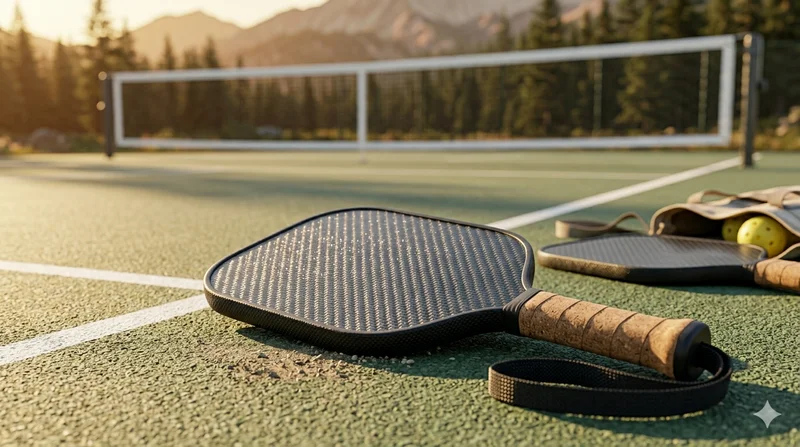
Carbon Fiber Pickleball Paddle
High-performance pickleball paddle with Toray T700 carbon fiber face and polypropylene honeycomb core. Delivers excellent power-to-weight ratio, spin generation, and vibration dampening for competitive play.