

Carbon Fiber Tablet Case — Ultra-Light Protective Shell
Lightweight carbon fiber protective case for tablets and iPads. Molded from T700 3K prepreg with reinforced corner protection. Adds minimal weight while providing superior rigidity and drop protection compared to polycarbonate or silicone cases. Ideal for field workers, enterprise deployments, and professionals requiring durable tablet protection.
Key Features
Applications
Specifications
- Material
- T700 3K Twill Prepreg Carbon Fiber
- Thickness
- 1.2 mm
- Weight Saving
- 60% vs Polycarbonate
- Drop Protection
- 1.2 m (MIL-STD-810G tested)
- Models
- iPad Pro 11/13", iPad Air, Galaxy Tab S9/S10, Surface Pro (More on Request)
Usually respond within 24 hours
Frequently Asked Questions
What is the minimum order quantity for carbon fiber products?
What color and finish options are available?
What is the typical lead time?
Related Articles
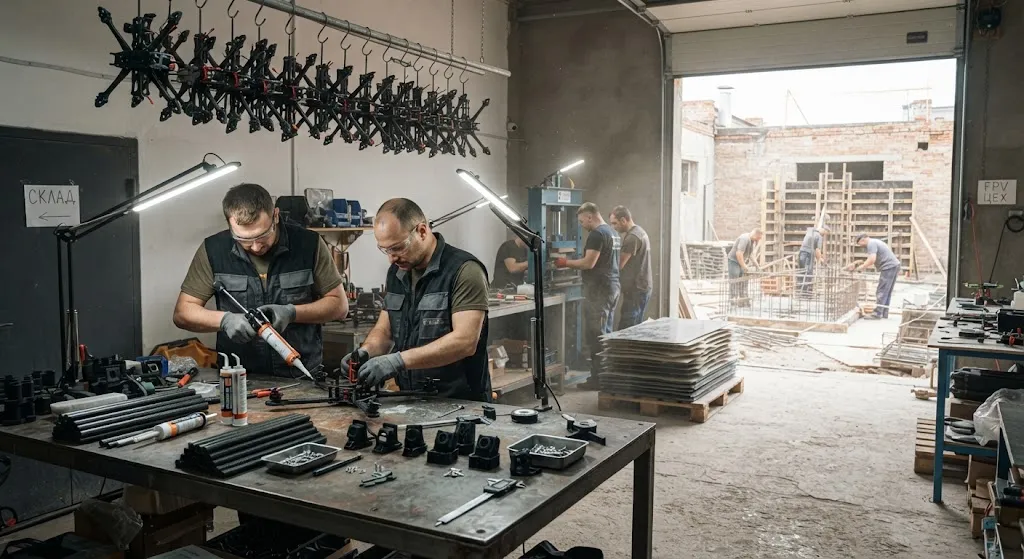
Ukraine Composite Demand: Drone Mass Production, Armor Localization and Reconstruction Rebar
Ukraine does not appear in most classic maps of European composite demand, but it now supports one of the fastest-moving composite procurement environments on the continent. The country combines three demand streams that are normally found in separate industries: a wartime drone sector
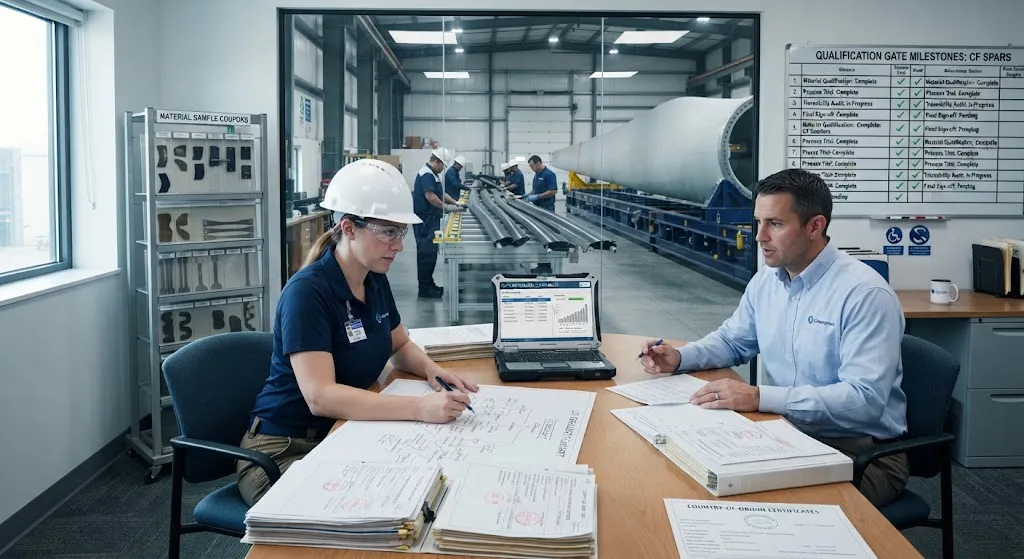
Secondary Supplier Qualification Audits: Traceability Packs, Test Records and Origin Exposure in Blade Sourcing
When the LME nickel contract settled at USD 22,840 per tonne on 11 July 2026 and Chinese export suppliers stretched blade component delivery to around 20 weeks, the immediate reaction in the market was price risk. The structural reaction, which is the more important one, was a wave of f
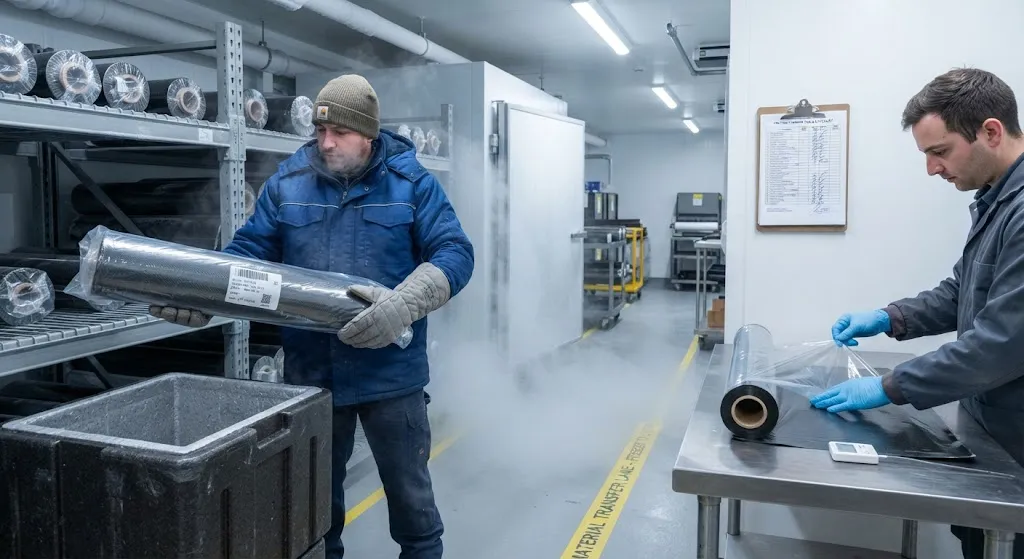
Prepreg Out-Life and Cold-Chain Management: Shelf-Life Budgets, Re-Test Gates and Waste Reduction
Every roll of prepreg in a composites factory is a small race against chemistry. The resin that will eventually become the cured matrix is designed to stay dormant at minus 18 degrees Celsius, but the moment the roll leaves the freezer the cure reaction resumes at a slow, measurable rat
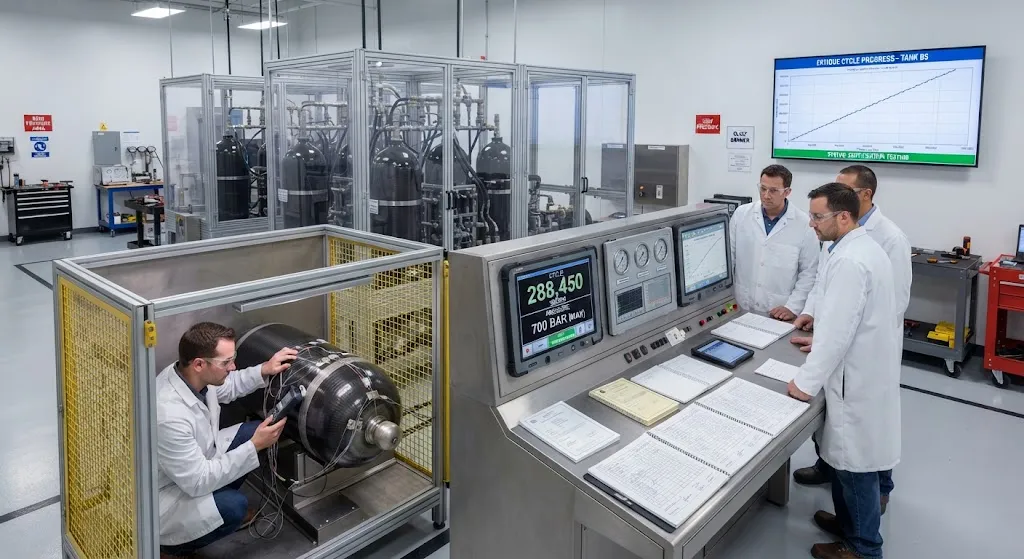
Hydrogen Tank Fatigue Life: 150k vs 300k+ Pressure Cycles and the Evolving ISO 11439 Certification Path
The pressure cycle is the unit of truth for a hydrogen tank. A tank filled to 350 or 700 bar and emptied again experiences a fatigue load that no single burst test can represent: the liner deforms, the carbon fiber overwrap carries the alternating load, and small defects grow cycle by c
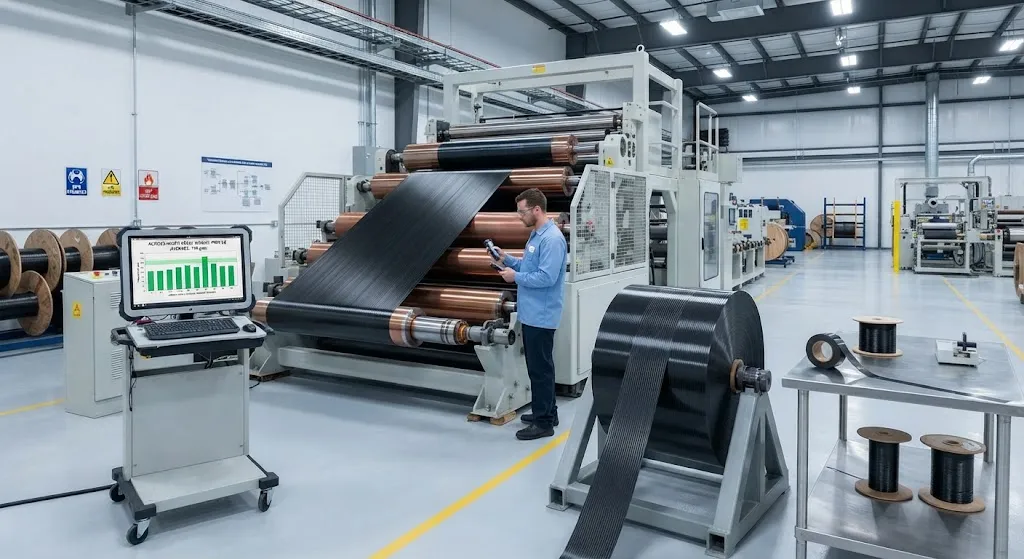
UD Tape Semi-Finished Width Scale-Up: Tenfold Belt Width Growth and Thermoplastic Spar Cost Curves
The economics of thermoplastic composite spars for wind turbine blades turns on a deceptively simple variable: the width of the unidirectional (UD) tape semi-finished product. Wider tape means fewer tape passes to build a spar cap, shorter layup cycles and lower handling cost, but it al

Canada Composite Opportunities: Hydrogen Corridor, Bombardier Recovery, and Arctic Defense
Canada has long played a supporting role in the North American carbon fiber story — the second-largest aerospace composites base on the continent, but always in the shadow of the United States. That positioning is changing. Three demand streams are converging to make Canada a market wor