Searching for a carbon fiber plate supplier near me is the first move buyers make when a deadline is tight and shipping time is the risk. A local or regional supplier can put quasi-isotropic plate on your bench the same week, let you inspect the weave before paying, and save the freight and dimensio
Introduction
Searching for a carbon fiber plate supplier near me is the first move buyers make when a deadline is tight and shipping time is the risk. A local or regional supplier can put quasi-isotropic plate on your bench the same week, let you inspect the weave before paying, and save the freight and dimensional surprises that come with long-haul parcels. This guide maps the channels that actually stock carbon fiber plates — industrial distributors, full-service composites shops, makerspaces and regional fabricators — and shows what each one is good for.
You will also find a practical checklist for verifying a carbon fiber plate supplier before you commit: material certificates, cut-size tolerance, flatness, and the carbon fiber plate price bands you should expect for common thicknesses. Whether you need one prototype sheet or a recurring blanket order, the sections below give you the numbers and questions that separate a real stockist from a reseller who is really just drop-shipping from overseas.
How to Find a Carbon Fiber Plate Supplier Near Me
Most buyers start with a map search, but the useful channels are narrower than the results suggest. Four routes cover almost every local sourcing scenario:
- Industrial distributors with a local branch: companies that carry metal and plastics stock also hold carbon plate in common sizes; counter pickup is possible, but plate range is usually limited to 1-6 mm and one or two weaves.
- Full-service composites shops: fabricators that cure their own laminates will sell offcuts and full sheets, often with layup certificates; best when you need a specific grade or a non-standard thickness.
- Makerspaces and university labs: cheap for one or two prototype sheets, but grade traceability is usually absent and sheet sizes are small.
- Regional fabricators with e-commerce: the sweet spot for most teams — online catalog, local warehouse, will-call pickup, and a real person who can answer layup questions.
The table compares the four channels on the dimensions that matter when you type carbon fiber plate supplier near me into a search box:
| Channel | Stock range | Certificates | Pickup | Typical price index |
|---|---|---|---|---|
| Industrial distributor branch | 1-6 mm, 3K twill only | Mill COA sometimes | Same day | 110-130 |
| Full-service composites shop | 0.5-20 mm, custom layup | Full layup sheet | 1-3 days | 100-120 |
| Makerspace / lab | 1-3 mm, small sheets | None | Immediate | 140-180 per small sheet |
| Regional fabricator online | 0.5-15 mm, multiple weaves | Batch COA on request | Same or next day | 95-115 |
Price index 100 equals the regional fabricator rate for 3 mm quasi-isotropic 3K twill plate at 10 sheets. Anything quoted far below 90 on a near-me search is almost always imported stock with no certificate, and anything above 140 is branch markup for convenience.
Carbon Fiber Plate Supplier Options: Local vs Online
The local-versus-online decision is really about who owns quality risk. Buying from a carbon fiber plate supplier near me means you can reject a warped sheet at the counter; buying online means you rely on the seller's return policy and photographs. A hybrid approach works best for most programs:
- Local for first articles: buy two or three sheets within driving distance, cut test coupons, measure flatness, and check the weave under raking light before locking a source.
- Online for repeat volume: once a batch passes, reorder from the same seller with a standing specification — thickness, grade, weave, flatness tolerance and certificate requirement written into the PO.
- Dual source for production: keep one local backup approved so a stockout does not stop the line; qualify the second source with the same coupon test as the first.
One caution on marketplaces: a listing that says carbon fiber plate but shows a photo of woven fabric without a resin system is usually dry cloth, not plate. Confirm the product is a cured, post-cured laminate — ask for the cure cycle and the flexural modulus before you pay.
Carbon Fiber Plates: Stock Sizes and Carbon Fiber Plate Price
Stock availability drives price more than marketing claims. The ranges below are typical for 2026 regional stock in North America and Western Europe, for 3K twill quasi-isotropic layup, cut from larger panels:
| Thickness | Common sheet size | Carbon fiber plate price per sheet | Notes |
|---|---|---|---|
| 2 mm | 300 x 400 mm | 45-70 USD | Most stocked size, high competition |
| 3 mm | 300 x 400 mm | 60-95 USD | Standard tooling and drone plate |
| 5 mm | 300 x 600 mm | 110-170 USD | Lower volume, wider price spread |
| 10 mm | 400 x 500 mm | 260-420 USD | Often made to order, lead time 1-2 weeks |
| 1-2 mm UD plate | 500 x 1000 mm | 80-130 USD | Unidirectional, cheaper per area |
Three rules keep the carbon fiber plate price predictable: price drops sharply above ten sheets, cut-to-size adds 15-30 percent, and certified aerospace-grade stock (T700 or equivalent with full traceability) costs 2-3 times commodity twill. Ask the supplier which of those three you are paying for before comparing quotes.
Verifying a Carbon Fiber Plate Supplier Before You Buy
A short verification pass saves a scrapped assembly later. Run these checks against any carbon fiber plate supplier near me before the first production order:
- Certificate request: ask for a batch certificate naming fiber grade, areal weight, resin system and cure cycle; a supplier who cannot produce one is selling commodity stock without traceability.
- Flatness measurement: specify maximum warp — 0.3 mm over 300 mm is a fair commercial limit — and have the supplier state how it is measured.
- Cut-edge inspection: request one sample edge; delamination, fuzz or unsealed fibers indicate dull tooling and poor process control.
- Reference check: ask for one customer in your industry and one recent delivery date; consistent lead times matter more than a low first quote.
Once a supplier passes these four checks, document the specification in your PO template so every reorder is identical. That single habit is what turns a one-off near-me purchase into a reliable supply line.
Frequently Asked Questions
How do I find a carbon fiber plate supplier near me with certificates?
Filter search results for composites fabricators rather than general hardware stores, then call and ask two questions before visiting: do you hold batch certificates for the plate you stock, and can I get a mill certificate on delivery. Distributors that carry certified T700 or T800 plate will answer yes immediately; hobby suppliers and marketplace resellers usually cannot. If no local stockist can produce certificates, widen the radius to regional fabricators who cure their own laminates — they generate the paperwork as part of their normal process.
Is local carbon fiber plate more expensive than ordering online?
Local stock typically carries a 10-30 percent premium over the same plate bought online from a high-volume seller, but the premium buys same-day pickup, physical inspection before payment and no freight damage risk. For prototype quantities under ten sheets the premium is usually smaller than the cost of a returned warped shipment. For repeat production the math flips: negotiate online volume pricing once the material has passed your coupon tests, and keep a local source only as an approved backup.
What thickness of carbon fiber plate should I buy for structural parts?
For brackets and frames, 3-5 mm quasi-isotropic plate covers most stiffness requirements up to about 500 mm span; go to 8-10 mm when the part carries bending loads over a meter or must resist impact. Under 2 mm, plate behaves more like a skin and should be bonded to a core rather than loaded alone. Ask your supplier for the flexural modulus of the specific layup — nominal numbers on a listing page rarely match the plate you receive.
Conclusion
Finding a carbon fiber plate supplier near me is less about map pins and more about filtering for capability: prefer channels that hold batch certificates, state flatness tolerances and will cut a test edge before you commit. Compare carbon fiber plate price against sheet size and certification level rather than headline numbers, use local pickup for first articles and online volume pricing for repeats, and run the four-point verification pass on every new source. Do that and a near-me search turns into a supply line you can plan around. To review stocked grades, cut-to-size options and current carbon fiber plate pricing, browse our carbon fiber plate range or contact our team with your thickness, size and volume requirements.
Part of topic
Related Articles
- Buy Carbon Fiber Sheet Online: How to Buy Safely
- Carbon Fiber Rod Supplier Near Me: Local Suppliers and Buying Options
- Carbon Fiber Rod Buyer Guide: How to Choose a Supplier
- Carbon Fiber Plate Buyer Guide: How to Choose a Supplier
- Carbon Fiber Tube Buyer Guide: How to Choose a Supplier
- Carbon Fiber Sheet Import Guide: Tariffs, Documents and Tips
Interested in Our Products?
Contact our team for competitive pricing and technical specifications.
Get a QuoteRelated Products
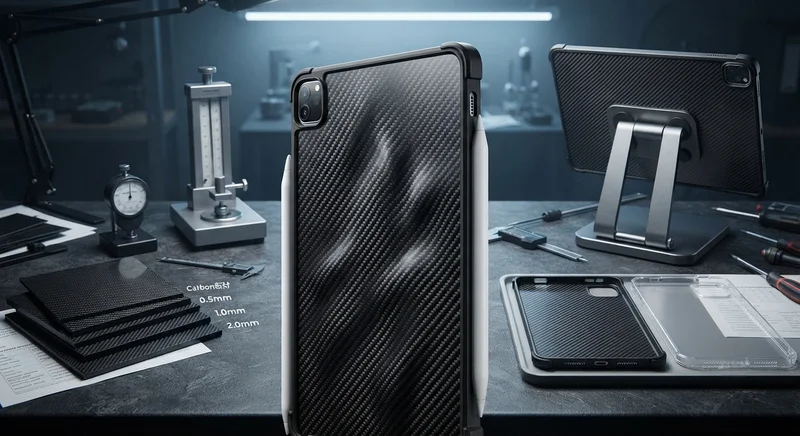
Carbon Fiber Tablet Case — Ultra-Light Protective Shell
Lightweight carbon fiber protective case for tablets and iPads. Molded from T700 3K prepreg with reinforced corner protection. Adds minimal weight while providing superior rigidity and drop protection compared to polycarbonate or silicone cases. Ideal for field workers, enterprise deployments, and professionals requiring durable tablet protection.
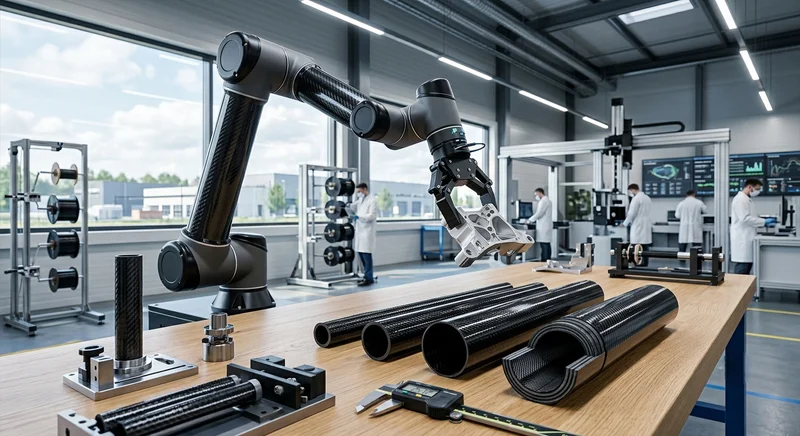
Carbon Fiber Robotic Arm Tube — High-Stiffness Lightweight Replacement
Precision-wound carbon fiber tubes for robotic arm links, replacing steel or aluminum in collaborative robots (cobots) and industrial manipulators. Achieve 3× the specific stiffness of aluminum with significant weight reduction, enabling faster acceleration and higher payload capacity.
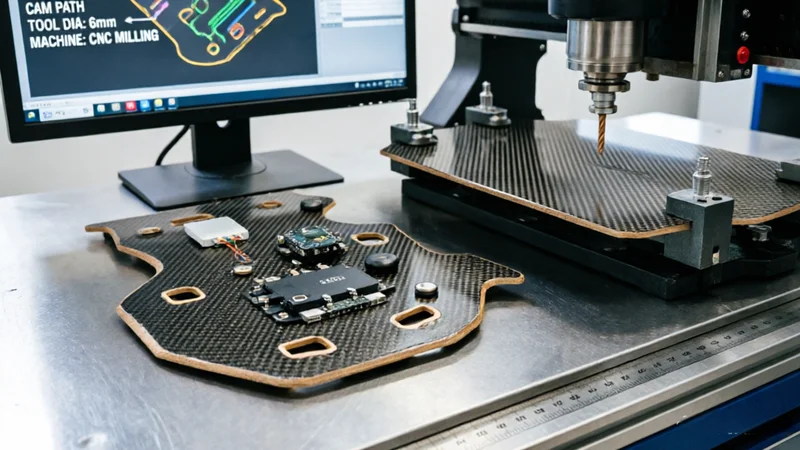
Carbon Fiber Drone Frame Base Plate — 3K Twill T700
CNC-machined carbon fiber base plates for drone frame assemblies. Cut from 3K twill weave T700 prepreg with precision CNC routing. Pre-drilled mounting patterns compatible with common flight controller and power distribution board layouts. Available in 1.5mm to 5mm thickness.
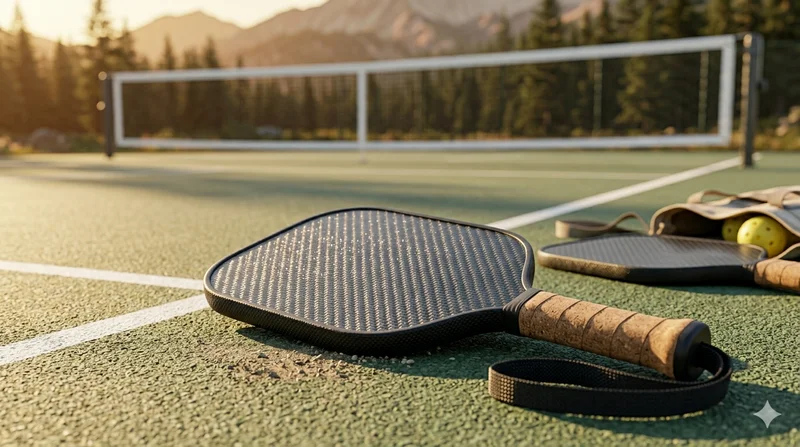
Carbon Fiber Pickleball Paddle
High-performance pickleball paddle with Toray T700 carbon fiber face and polypropylene honeycomb core. Delivers excellent power-to-weight ratio, spin generation, and vibration dampening for competitive play.
Round Carbon Fiber Tube — UD Unidirectional T700
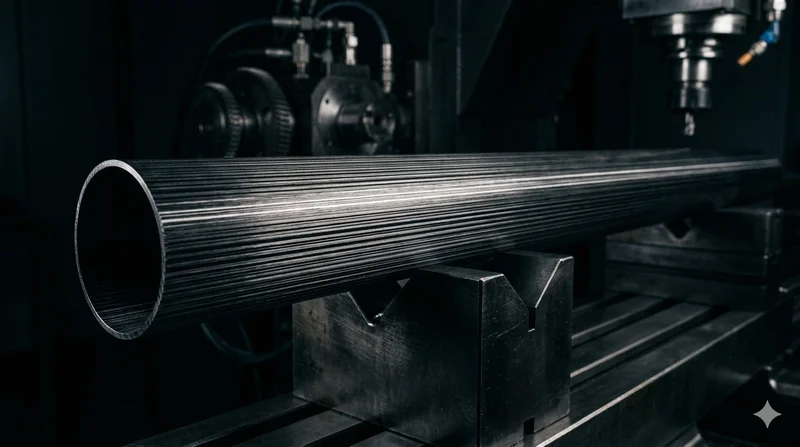
Unidirectional (UD) round tube with all fibers aligned axially for maximum longitudinal stiffness. Ideal for applications requiring high bending rigidity with minimal weight, such as shafts, struts, and structural reinforcements.