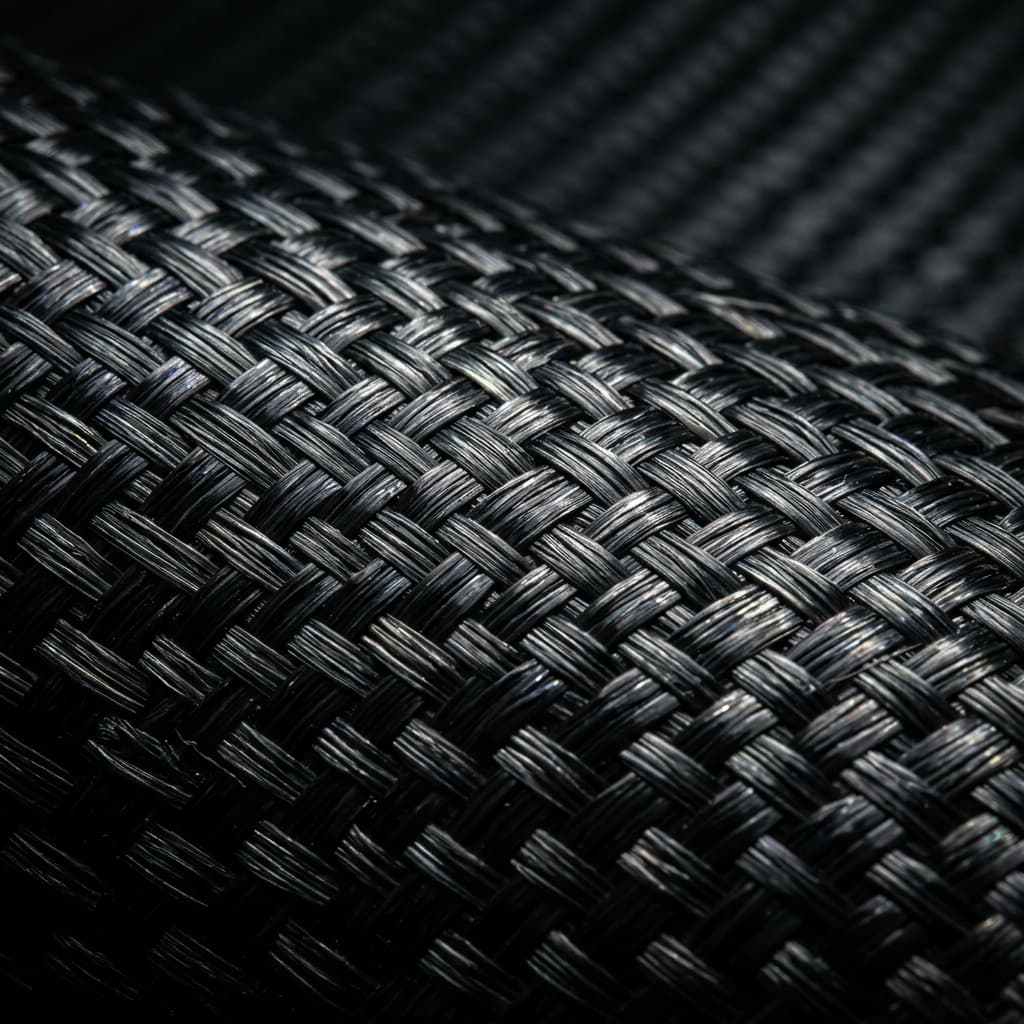
Carbon fiber emergency exit doors represent one of the most demanding applications of composite materials in commercial aviation. An emergency exit door is a pressure-bearing, load-carrying structure that must open reliably in an emergency, seal against cabin pressure, resist bird strik
Introduction
Carbon fiber emergency exit doors represent one of the most demanding applications of composite materials in commercial aviation. An emergency exit door is a pressure-bearing, load-carrying structure that must open reliably in an emergency, seal against cabin pressure, resist bird strikes and lightning strikes, and survive millions of pressurization cycles over the aircraft's life. Traditional aluminum doors perform these functions well, but they are heavy. A carbon fiber composite door can save 20-30% of the door assembly weight while delivering equivalent or better structural performance.
For aircraft manufacturers, the weight saving on emergency exit doors translates directly into fuel savings, payload capacity, or reduced emissions — every kilogram removed from an aircraft saves an estimated 3,000 liters of fuel over its operational life. This article examines how carbon fiber emergency exit doors are designed, tested, and certified, covering the regulatory framework of FAR 25.783 and CS 25.783, structural testing requirements, hinge and latch integration in composite structure, and the path to certification for new aircraft programs.
Regulatory Framework: FAR 25.783 and CS 25.783
The certification of emergency exit doors on transport category aircraft is governed by FAR 25.783 in the United States and its European counterpart CS 25.783. These regulations establish the requirements for doors that must remain operable in an emergency:
- Emergency operation: Each exit door must be capable of being opened from the inside and, where required, from the outside, without the use of tools, under the conditions of an emergency.
- Reliability: The door must remain functional after the maximum expected deformation of the surrounding structure, ensuring that jamming of the door does not occur in a survivable crash.
- Pressure retention: The door must maintain the cabin pressure boundary under normal operating differential pressure, including at limit loads, without compromising seal integrity.
- Load resistance: The door and its supporting structure must withstand the loads imposed by pressurization, inertial forces, and the local loads from hinges, latches, and fittings, with appropriate safety factors.
FAR 25.783 also requires that exit doors be operable by a single crew member within a specified time, typically within 10 seconds for passenger emergency exits, and that the opening mechanism be simple and obvious. For composite doors, additional consideration must be given to the failure characteristics of the material — certification requires demonstration that the door does not fail catastrophically in a manner that would block the exit or injure evacuating passengers.
Composite Door Design and Architecture
A carbon fiber emergency exit door is a sandwich or stiffened panel structure. The typical architecture comprises a carbon fiber laminate skins, a lightweight core, and integrated metallic fittings:
- Outer skin: A carbon fiber/epoxy laminate, typically 8-12 plies thick, providing the pressure boundary and the primary bending stiffness. The outer surface carries a conductive lightning protection layer.
- Core: A honeycomb core, usually Nomex or aluminum, bonded between the skins to provide shear stiffness and resist buckling without excessive weight.
- Inner skin and stiffeners: A thinner inner laminate with integral stiffeners or stringers that carry the local loads from the latch mechanism and hinge attachments.
- Metallic fittings: Titanium or aluminum alloy fittings — hinge brackets, latch plates, and roller guides — co-cured or mechanically fastened into the composite structure at load concentration points.
- Seal interface: A metallic or composite seal frame that carries the inflatable seal or pressure seal, machined to tight tolerances for consistent compression.
This architecture exploits carbon fiber's high specific stiffness and strength: the composite skin carries bending and pressure loads efficiently, while the honeycomb core provides buckling resistance and the metallic fittings handle the concentrated loads at interfaces. The design challenge is managing the transition between the composite structure and the metallic fittings, where thermal expansion differences and load transfer must be carefully engineered.
Structural Testing Requirements
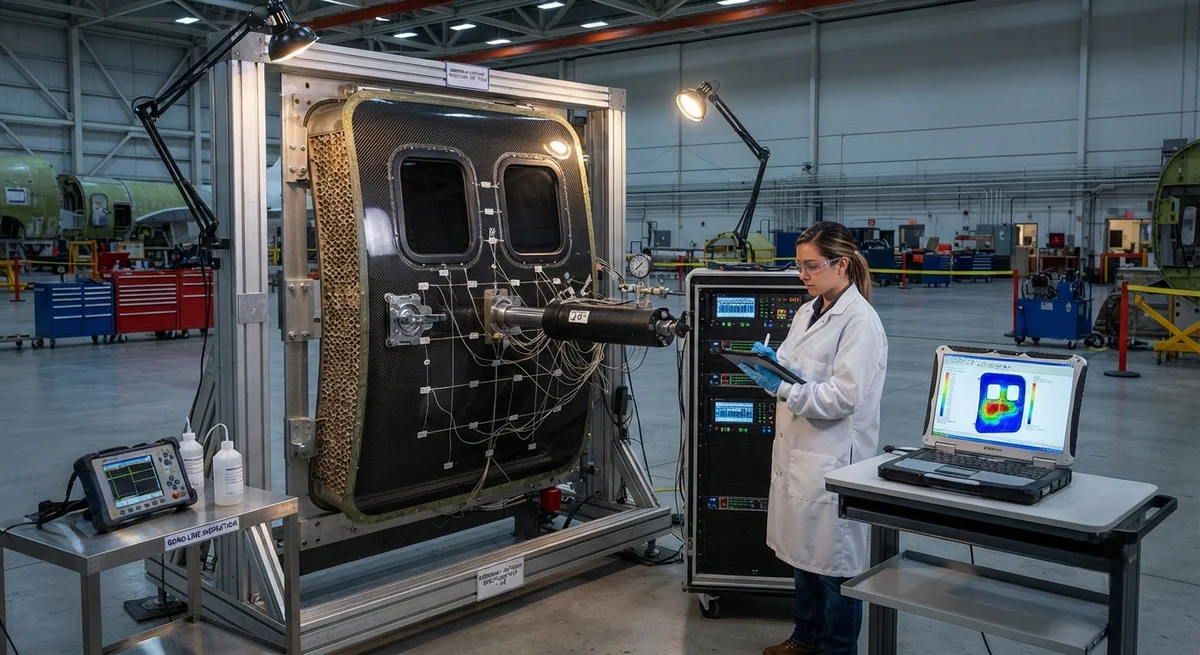
Structural testing of a carbon fiber emergency exit door follows the qualification test matrix defined during certification. The table below summarizes the principal tests and typical load conditions:
| Test | Load Condition | Acceptance Criteria |
|---|---|---|
| Limit pressure test | 1.0 × maximum cabin differential pressure (typically 55-60 kPa) | No permanent deformation, seal remains intact |
| Ultimate pressure test | 1.5 × limit pressure | No failure or structural collapse; door retains function |
| Hinge load test | Local hinge reactions at limit and ultimate load | No bearing failure, no fitting separation |
| Emergency opening test | Single crew member opening force (≤ 270 N typical) | Door opens within required time, no jamming |
| Fatigue test | 1.5 × design service life pressurization cycles | No crack initiation in composite or fittings |
| Bird strike test | 4 lb bird at design cruise speed (up to 800 km/h) | Door remains attached, exit remains operable |
| Lightning strike test | FAR 25.981 / 25.954 lightning environment | No ignition source, no damage to load path |
Composite structures require additional testing beyond the metallic baseline. Damage tolerance testing demonstrates that the door retains adequate strength with impact damage (tool drop, runway debris) at visible and barely visible levels. Environmental testing covers the full temperature range (-55 °C to +80 °C), humidity exposure, and fluid resistance (jet fuel, hydraulic fluid, de-icing fluid). Non-destructive inspection — primarily ultrasonic testing — is used to verify bond quality between skins, core, and fittings both during manufacturing and in service.
Hinge and Latch Integration in Composite Structure
Hinge and latch integration is the most challenging aspect of composite door design because the fittings transfer large concentrated loads into a material that is strong in-plane but relatively weak through-thickness. The design must distribute loads gradually from the metallic fitting into the laminate to avoid peel or pull-out failures.
Key integration techniques include:
- Load-spreading metallic plates: Fittings are bonded and mechanically fastened to machined metallic or composite doubler plates that spread the load over a large laminate area, reducing bearing stress at fastener holes.
- Co-cured or co-bonded fittings: Where possible, fittings are co-cured or co-bonded with the laminate during the autoclave cycle, producing a high-integrity adhesive bond that carries a portion of the load in addition to the fasteners.
- Hinge design: Aircraft door hinges use roller or knuckle arrangements on robust metallic brackets; the composite door structure is reinforced locally with additional plies and a metallic intercostal frame at each hinge station.
- Latch mechanism: Emergency exit doors use latch pins, hooks, or bolts that engage the fuselage frame. The composite door carries reinforced latch plates, and the latch loads are transferred into the door's stiffener network rather than the skins alone.
Because composite structures cannot be drilled and re-drilled like metal, tolerance management is critical. Fittings are positioned using precision tooling and drilling operations that account for the composite's sensitivity to fastener-hole damage. Oversized-hole and bearing-strength tests verify the connection details before full certification testing.
Lightning Protection and Environmental Resistance
Carbon fiber is electrically conductive but has much lower conductivity than aluminum — roughly 1,000 times lower — so a composite emergency exit door requires an explicit lightning protection system. The standard approach is an expanded metal foil or wire mesh, typically aluminum or copper, bonded to the outer surface of the laminate:
- Conductive mesh: A metallic mesh, typically 20-80 g/m² expanded foil, is co-cured into the outer skin to carry lightning current to the door's grounding paths.
- Bonding straps: Conductive straps connect the door's metallic fittings and mesh to the aircraft structure, providing low-impedance current paths to the fuselage.
- Edge protection: Seal and hinge areas are protected against sparking and arcing, which could ignite fuel vapors or compromise the door structure.
- Fastener protection: Fasteners through the laminate are installed with conductive sealants or sleeves to maintain current path continuity and prevent corona discharge.
Environmental resistance is addressed through the matrix system and surface protection. Epoxy systems with high glass transition temperature (Tg above 120 °C) are selected to withstand the thermal environment. A polyurethane or polyurethane-based coating protects the composite surface from UV degradation, moisture ingress, and erosion, while the door's edges and cutouts are sealed to prevent water absorption that could cause micro-cracking during freeze-thaw cycles.
Weight Savings and Program Economics
The business case for carbon fiber emergency exit doors rests on weight savings. A typical aluminum emergency exit door assembly weighs 25-35 kg depending on aircraft type; a carbon fiber equivalent saves 20-30% — roughly 6-10 kg per door. On a narrowbody aircraft with four to six emergency exit doors, the total saving is 25-50 kg per aircraft. Over a 20-year service life, each kilogram of weight saved generates fuel savings of approximately 3,000 liters, making the composite door a compelling investment despite its higher upfront material and tooling cost.
Production economics improve with volume: the tooling and certification costs are amortized across the aircraft production rate, and composite manufacturing processes such as automated fiber placement and out-of-autoclave curing reduce recurring labor cost. For new aircraft programs — particularly next-generation narrowbody and regional jets where weight and emissions targets are aggressive — the carbon fiber emergency exit door is increasingly specified at the design stage.
Frequently Asked Questions
How much weight does a carbon fiber emergency exit door save compared with aluminum?
A carbon fiber emergency exit door typically saves 20-30% of the door assembly weight compared with an equivalent aluminum door — roughly 6-10 kg per door on a narrowbody aircraft. With four to six emergency exits per aircraft, the cumulative saving is 25-50 kg, which over a 20-year service life translates into fuel savings of roughly 75,000-150,000 liters per aircraft depending on mission profile.
What certification regulations apply to carbon fiber emergency exit doors?
Emergency exit doors on transport category aircraft are certified under FAR 25.783 (United States) and CS 25.783 (Europe). These regulations cover emergency operability, pressure retention, load resistance, and reliability under crash conditions. Composite-specific requirements include damage tolerance demonstration, environmental testing, and lightning protection verification under the relevant part of the regulations.
How are hinges and latches integrated into a composite emergency exit door?
Hinges and latches are integrated using load-spreading metallic doubler plates bonded and mechanically fastened to the composite structure, with local ply build-up around each fitting. Where possible, fittings are co-cured or co-bonded during the autoclave cycle to create a high-integrity bond. The latch loads are transferred into the door's stiffener network, and precision tooling controls fastener hole quality to avoid damaging the laminate.
Why does a composite door need a lightning protection system?
Carbon fiber conducts electricity approximately 1,000 times worse than aluminum. Without protection, a lightning strike could create high-resistance paths that overheat, cause sparking at interfaces, or damage the structure. The standard solution is a metallic mesh co-cured into the outer skin, combined with bonding straps and edge protection, to carry lightning current safely to the aircraft structure.
Conclusion
Carbon fiber emergency exit doors are a compelling application of composite technology in commercial aviation, delivering 20-30% weight savings over aluminum doors while meeting the demanding requirements of FAR 25.783 and CS 25.783. The design leverages sandwich construction for structural efficiency, careful hinge and latch integration for load transfer, and explicit lightning protection for the composite's lower electrical conductivity. Structural testing programs validate the door against pressure, fatigue, bird strike, and emergency operation requirements, while damage tolerance and environmental testing address the unique characteristics of composite materials.
For aircraft manufacturers and tier-one suppliers, the carbon fiber emergency exit door is a proven path to the weight and emissions targets of next-generation programs. YongXian supplies aerospace-grade carbon fiber fabrics and reinforcement materials. Explore our carbon fiber product range or contact our engineering team to discuss material systems for your aircraft door program.
Part of topic
Related Articles
- Carbon Fiber Mooring for Floating Offshore Wind: Fatigue and Corrosion in Deep Water
- Carbon Fiber Bicycle Frame Optimization: Layup Design and Manufacturing for Competitive Racing
- Carbon Fiber CFRP Retrofit for Infrastructure: Bridge and Building Seismic Strengthening
- Carbon Fiber Medical Imaging Equipment: Lightweight Gantry and Couch Structures for MRI/CT
- Carbon Fiber EV Battery Enclosures: Crash Safety and Electromagnetic Shielding Design
- Carbon Fiber Structures for Low-Altitude Economy: UAV Airframes and eVTOL Components
Interested in Our Products?
Contact our team for competitive pricing and technical specifications.
Get a QuoteRelated Products
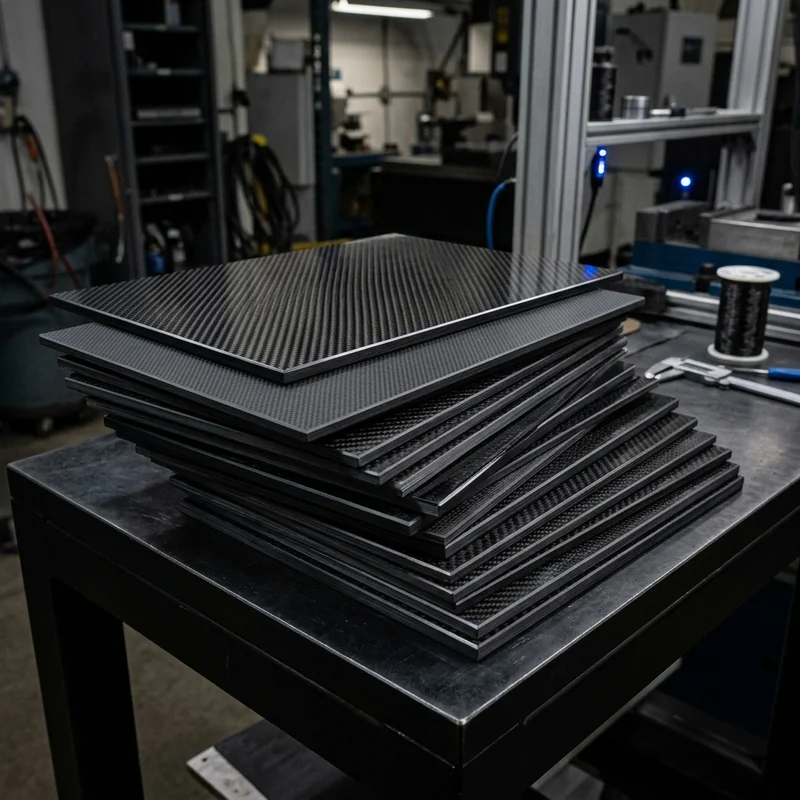
Carbon fiber standard plate-3k stripe
Lightweight, ultra-rigid standard sheets for drone fuselages, robot housings, facades and structural applications.
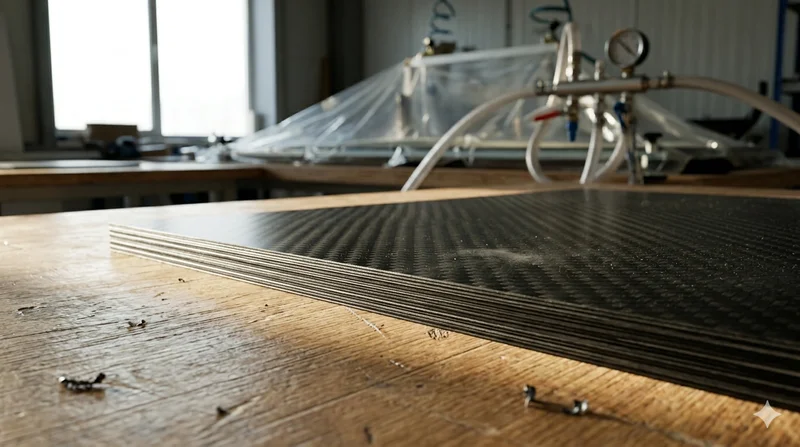
Carbon Fiber Plate — 3K Twill T700 3.0mm
Medium-thickness 3.0mm carbon fiber plate offering significantly higher load capacity while maintaining attractive 3K twill finish. Suitable for structural brackets, reinforcement plates, and load-bearing panels.
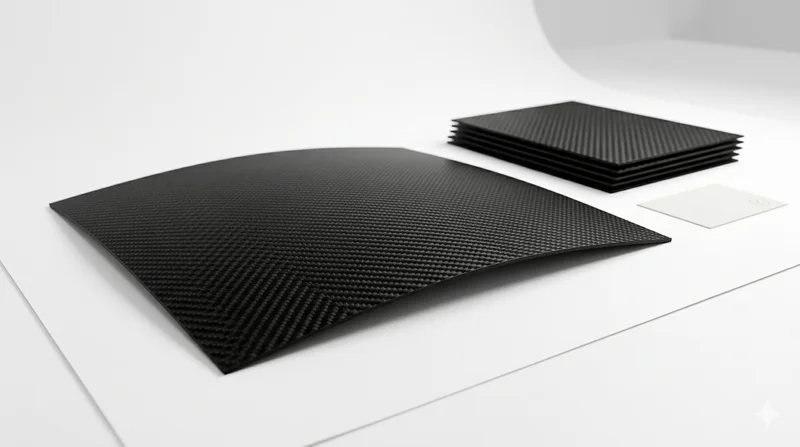
Carbon Fiber Plate — 3K Twill T700 1.5mm
Thin 1.5mm carbon fiber plate with 3K twill weave surface. Lightweight and stiff, commonly used for covers, panels, drone bodies, and applications requiring a premium aesthetic appearance.
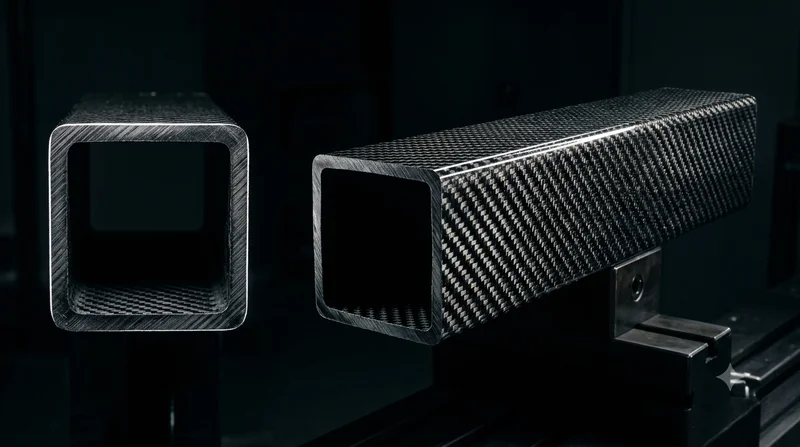
Square Carbon Fiber Tube — 3K Twill T700
Square cross-section carbon fiber tube manufactured with 3K twill weave for torsional strength. Preferred for structural frames, trusses, and support columns where rectangular geometry offers design flexibility.
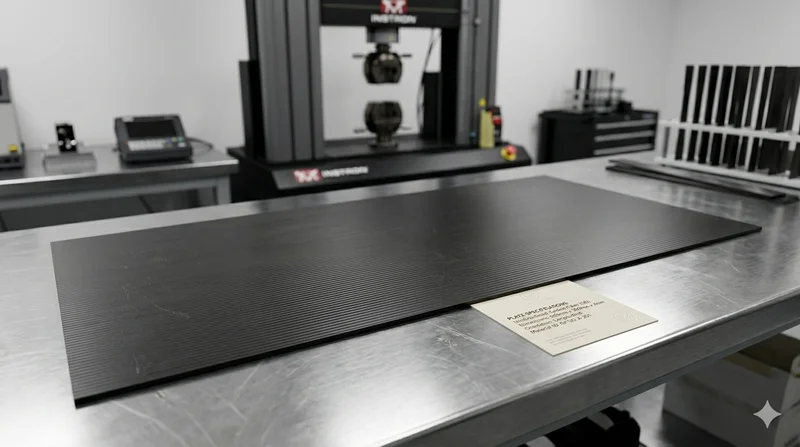
Carbon Fiber Plate — UD Unidirectional T700
Unidirectional carbon fiber plate with all fibers oriented in a single direction for maximum strength along the fiber axis. Essential for structural reinforcements, splints, and applications where load direction is predictable.