
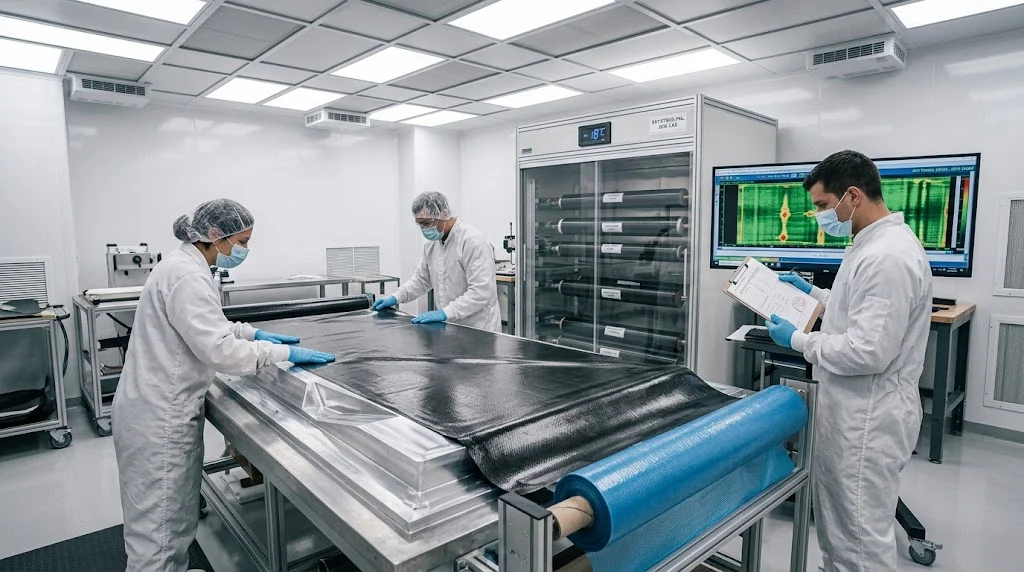
Choosing carbon fiber for aerospace is a qualification exercise before it is a shopping exercise. Flight-critical parts — fuselage frames, control surfaces, pressure vessels, satellite structures — are specified against qualified material systems, not catalogue grades, and the fiber brand, resin che
Introduction
Choosing carbon fiber for aerospace is a qualification exercise before it is a shopping exercise. Flight-critical parts — fuselage frames, control surfaces, pressure vessels, satellite structures — are specified against qualified material systems, not catalogue grades, and the fiber brand, resin chemistry, form (prepreg, tow, weave) and supplier certification all travel together in the material specification. A high performance carbon fiber that is excellent for a race car aero part can be unusable in a cabin interior panels program simply because it lacks the qualification paperwork. This guide explains the grade landscape (T300-class through M40J and beyond), the resin systems that pair with them, the qualification standards that govern acceptance, and what to demand from carbon fiber manufacturing companies when the part has to fly.
The audience is engineering buyers at tier-1 and tier-2 suppliers, satellite and UAV programs, and advanced general-aviation projects that need aerospace-grade discipline without aerospace primes' blanket orders.
Grade Landscape: From T300-Class to High Modulus
The grades that appear in aerospace material specifications cluster into three families, defined by tensile modulus and strength rather than marketing names:
- Standard modulus (230-240 GPa, 3.5-4.9 GPa tensile strength): T300-class and equivalents. This is the workhorse of secondary structure, interiors and many primary sandwich face sheets. Mature supply, best cost per unit of performance, and the reference point for most qualification files.
- Intermediate modulus (270-300 GPa, 5.5-6.5 GPa tensile strength): T700/T800-class. Preferred for primary structure where specific strength governs — wing skins, pressure hulls, rocket motor cases. Roughly 1.5-2.5x the fiber cost of standard modulus, with a genuine strength step that structural analyses can use.
- High and ultra-high modulus (350-600+ GPa, lower tensile strength): M40J/M55J-class and above. Used where stiffness-to-weight is the binding constraint — satellite bus structures, optical benches, antenna booms — typically in hybrid layups that pair high-modulus plies for stiffness with intermediate-modulus plies for strength and damage tolerance.
Table data below is representative of qualified aerospace-grade production in 2026; actual values belong on the material certificate, not in a buyer's spreadsheet.
| Grade class | Tensile modulus (GPa) | Tensile strength (GPa) | Elongation at break | Typical aerospace use | Relative fiber cost |
|---|---|---|---|---|---|
| Standard modulus (T300-class) | 230-240 | 3.5-4.9 | 1.5-1.8% | Secondary structure, interiors, sandwich faces | 1.0x |
| Intermediate modulus (T700-class) | 290-300 | 5.5-5.9 | 1.9-2.1% | Primary structure, pressure vessels | 1.6-2.0x |
| High strength intermediate (T800-class) | 290-300 | 5.9-6.4 | 2.0-2.2% | Wing skins, rotorcraft primary parts | 1.8-2.5x |
| High modulus (M40J-class) | 370-400 | 4.4-4.9 | 1.2-1.4% | Satellite structures, optical benches | 4-8x |
| Ultra high modulus (M60J-class) | 570-600 | 3.5-3.8 | 0.6-0.8% | Antenna booms, derived stiffeners | 10-20x |
The elongation column is the quiet constraint: high-modulus fibre fails at low strain, so parts designed around it must protect edges and bolt holes more carefully than standard-modulus parts, and hybrid stacks are the normal engineering answer.
Resin Systems and Prepreg Forms for Aerospace Carbon Fiber
Fibre without a qualified matrix is just expensive string. Aerospace programs select the matrix first by service temperature and toughness requirement:
- Epoxy prepreg (service -55 to 120 °C, toughened systems to 180 °C): the default for structure. Toughened systems (particle- or rubber-modified) dominate primary structure for damage tolerance.
- Bismaleimide (BMI, to ~230 °C): for hot areas near engines and hypersonic leading edges.
- Cyanate ester and polyimide: satellite and re-entry hardware where outgassing and high-temperature stability are specified.
- Thermoplastic prepreg (PEEK, PEKK): growing use in brackets and clips for weldability, recyclability and better CAI; higher processing cost, lower inventory risk.
Form follows process: unidirectional tape for automated layup and filament winding, woven prepreg for complex double-curvature skins, and dry weave with resin infusion for large low-rate structures. Specifying the wrong form for the process is a schedule problem discovered at the first production article.
Aerospace Carbon Fiber Qualification, Traceability and What Buyers Must Demand
Two document chains govern aerospace carbon purchases. The material chain: mill certificate → distributor batch record → prepreg lot number → part cure record → mechanical test coupons from the same lot. The process chain: qualified lamination procedure, qualified cure cycle, NDI method and sampling plan. A part flown on paperwork that skips either chain is a liability, regardless of how good the laminate is.
Practical demands when ordering carbon fiber for aerospace work:
- Named grade and manufacturer on the certificate — not "equivalent" or "aerospace grade" without a designation.
- Fibre volume and void content targets in the specification (typical structural targets: 55-65% fibre volume, <1-2% void).
- Outlife and freezer storage records for prepreg, since tack and cure behaviour degrade with warm-clock time.
- NDI access: ultrasonic inspection plans agreed before first article, not after a rejection.
On the supply side, the market for qualified fibre runs through a short list of carbon fiber manufacturing companies with aerospace approvals — Toray, Hexcel, Solvay, Teijin and their licensed distributors — plus growing Chinese production (e.g. T700-class domestic fibre) that is increasingly accepted in non-US programs. Buyers working through carbon fiber suppliers USA networks should confirm both the manufacturer's approval status for their program and the distributor's authority to sell that specific lot, since grey-market aerospace fibre has been a recurring compliance problem.
Frequently Asked Questions
Can I substitute a domestic T700-class fibre for imported T700 in a qualified part?
Only through a substitution approval on the part's material specification. Modulus and strength numbers may match, but weave construction, sizing chemistry, resin compatibility and the qualification file all differ. Programs bound by bilateral aviation agreements have specific substitution routes; others require re-qualification of the coupon-level mechanical database for the new fibre/resin pair.
Why does aerospace carbon fiber cost five to twenty times industrial grade?
Three cost layers: slower, more tightly controlled fibre production with full lot traceability; qualified resin systems with documented outlife and storage rules; and the certification overhead — audit, test matrix and process qualification — amortised over much smaller volumes than industrial sales. For non-flight parts, industrial-grade fibre at a fraction of the price often performs adequately; the premium is buying the paperwork, not better physics.
What lead time should I plan for aerospace-grade carbon prepreg?
Stocked qualified lots from major distributors: 2-6 weeks after order acknowledgement, subject to outlife remaining. Uncommon weaves, hybrid stacks or custom spread-tow: 8-16 weeks including mill scheduling. Flight hardware programs typically place rolling forecasts with call-off to keep lots fresh without stockpiling warm material.
Conclusion
Carbon fiber for aerospace selection comes down to matching fibre modulus to the load case, pairing it with a qualified matrix, and buying from a chain that can produce the paperwork when the part is audited. Standard modulus covers most secondary and interior work; intermediate modulus is the default for primary structure; high modulus appears only where stiffness is the hard constraint and always in hybrid stacks. Whichever grade you specify, the material certificate is part of the product — treat supplier selection, including qualified carbon fiber suppliers USA and international channels, as a quality decision rather than a procurement shortcut. Explore our aerospace-grade carbon fiber range or contact our engineering team to discuss grade selection, laminate windows and documentation for your program.
Part of topic
Related Articles
- Carbon Fibre Sheet UK: Grades, Suppliers and Cutting Services
- Spare Parts Carbon Fiber: Replacement Components for Racing and Restoration
- Carbon Fiber Sheets Price: What You Pay by Grade, Thickness and Quantity
- Carbon Fiber Suppliers: How to Qualify and Compare Global Sources
- Carbon Fiber Rod NZ: Sourcing and Shipping for New Zealand Builders
- Price of Carbon Fiber in 2026: Tow, Prepreg and Part-Level Cost Benchmarks
Interested in Our Products?
Contact our team for competitive pricing and technical specifications.
Get a QuoteRelated Products
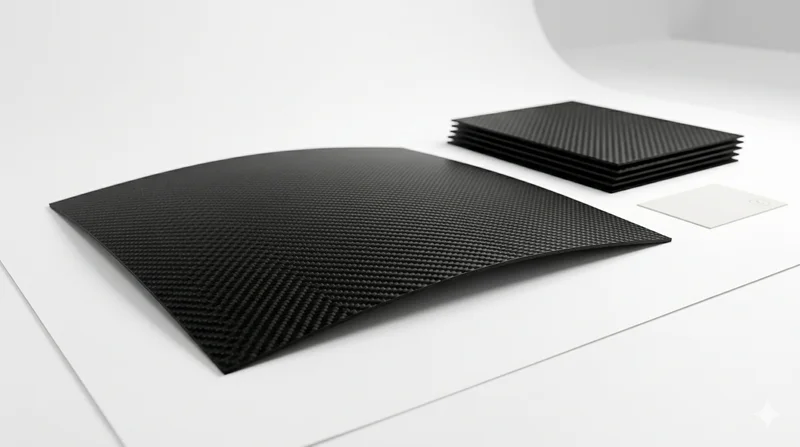
Carbon Fiber Plate — 3K Twill T700 1.5mm
Thin 1.5mm carbon fiber plate with 3K twill weave surface. Lightweight and stiff, commonly used for covers, panels, drone bodies, and applications requiring a premium aesthetic appearance.

Carbon Fiber Plate — 3K Twill T700 3.0mm
Medium-thickness 3.0mm carbon fiber plate offering significantly higher load capacity while maintaining attractive 3K twill finish. Suitable for structural brackets, reinforcement plates, and load-bearing panels.

Square Carbon Fiber Tube — 3K Twill T700
Square cross-section carbon fiber tube manufactured with 3K twill weave for torsional strength. Preferred for structural frames, trusses, and support columns where rectangular geometry offers design flexibility.

Carbon Fiber Pickleball Paddle
High-performance pickleball paddle with Toray T700 carbon fiber face and polypropylene honeycomb core. Delivers excellent power-to-weight ratio, spin generation, and vibration dampening for competitive play.
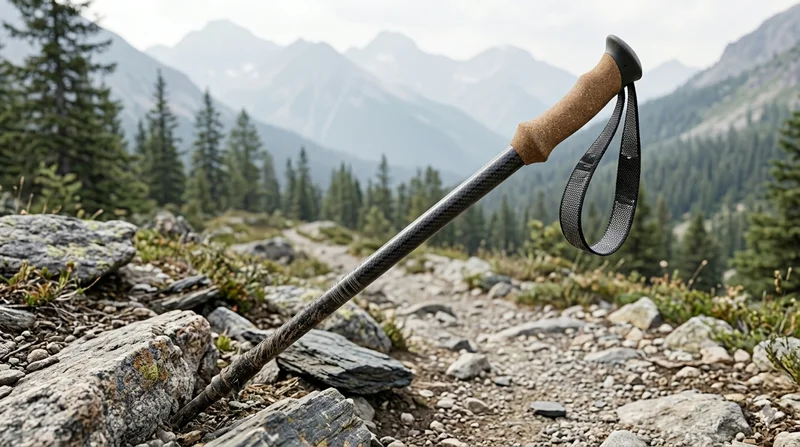
Carbon Fiber Trekking Pole
Lightweight carbon fiber trekking pole manufactured from high-grade carbon fiber tube. Weighs only 160g per pole while providing superior shock absorption and durability for hiking, trail running, and backpacking.