
Choosing a carbon fiber fabric supplier is the decision that determines how the rest of your build behaves: weave, areal weight and resin compatibility set the strength, the surface finish and the cost of every part made from that roll. Most B2B buyers do not lose money on the fabric itself; they lo
Introduction
Choosing a carbon fiber fabric supplier is the decision that determines how the rest of your build behaves: weave, areal weight and resin compatibility set the strength, the surface finish and the cost of every part made from that roll. Most B2B buyers do not lose money on the fabric itself; they lose it on a roll that arrives heavier than spec, three weeks late, or woven from a fiber grade no certificate can back up.
This checklist shows what a credible quotation must state line by line, which questions separate a mill from a trading desk, where carbon fiber fabric manufacturers in India sit on the price-quality curve, and how to order carbon fiber material for sale as controlled samples before committing to a full roll.
Carbon Fiber Fabric Supplier Checklist: Documents Before Price
Compare every quotation against the same five lines. The left column is how a reseller writes; the right column is what a carbon fiber fabric supplier with its own looms can put in writing.
| Quotation line | Vague wording | Specify this instead |
|---|---|---|
| Fiber grade | High strength carbon, aerospace grade | Named grade such as T300 or T700 class, 12K tow, lot number on the certificate |
| Weave and weight | Standard twill, about 200 gsm | 2x2 twill, 200 plus or minus 10 gsm, stated in the contract |
| Roll width and length | Standard width, 100 meters | 1000 mm plus or minus 5 mm width, length measured per roll |
| Resin compatibility | Works with most epoxies | Named resin system with cure window, or dry fabric with sizing stated |
| Inspection | Quality controlled before shipment | Visual plus weight check per roll, AQL level written down |
Price differences of 30 percent between two quotations usually trace back to one of these five lines rather than to a different commodity, so settle the specification before you negotiate the number.
Questions to Ask a Carbon Fiber Cloth Supplier
Ask the same set of questions of every candidate and compare answers side by side; a mill answers from production records, a reseller answers from a brochure.
- Where is the weaving done? A carbon fiber cloth supplier that owns the looms can explain loom count, beam width and how many rolls come off per week; an intermediary will describe relationships instead.
- Can I see a roll-level certificate? It should reference the fiber lot, the measured weight per square meter and the weave inspection result for that specific roll.
- What is the defect policy? Slubs, broken tows and creases have written acceptance limits, and rejected meters are credited rather than argued about after arrival.
- How is the fabric stored? Cool dry storage with shelf-life tracking matters for sized and prepreg stock, because moisture and age change how the material wets out.
- What are the trial terms? A 5 to 20 meter sample roll on paid or sample terms tells you more about the roll you will receive than any swatch card.
Written answers to those five questions are the practical difference between sourcing fabric and buying a photograph of fabric.
Carbon Fiber Fabric Manufacturers in India: Cost versus Quality
India now hosts a growing group of weavers and converters serving domestic aerospace, automotive and sporting-goods programs, and their quotation levels often land 15 to 30 percent below East Asian mills for comparable twill and plain-weave rolls. The spread comes from fiber sourcing, loom vintage and how much inspection is bundled into the price rather than sold afterwards.
Treat the category carefully in two directions. At the good end, Indian carbon fiber fabric manufacturers in India operate certified quality systems, import named fiber grades and document lot traceability, which is exactly what an audited B2B buyer needs. At the weak end, small job weavers blend lots, quote unbranded fiber as equivalent grades and skip roll-level weight checks. Ask which fiber brand is on the shelf, request a mill certificate naming that brand, and place a trial order before pricing a program around the quote.
Buying Carbon Fiber Material for Sale: Samples, MOQ and Pricing
Listings for carbon fiber material for sale range from cut remnants on marketplace sites to mill-direct roll stock, and the price per meter tells you almost nothing without the areal weight behind it. Normalize every offer to cost per square meter at your required width, then add shipping, customs and any incoming inspection, because a cheap roll that fails the weight check costs more than a correct one.
Standard practice for a first order is one to three sample rolls, an MOQ of 300 to 500 meters for custom width on mill-direct stock, and lead times of two to four weeks after specification sign-off. Confirm the payment terms against the inspection stage: a small deposit, balance against the roll certificate, and retention until your own incoming check passes keeps both sides honest without slowing the shipment down.
Frequently Asked Questions
How do I verify a carbon fiber fabric supplier is a real mill?
Ask for a video walkthrough of the weaving hall, request the loom list with beam widths, and order an unusual width as a trial. Real weavers adjust the loom and quote the change; resellers come back with a new price and a longer lead time because they are placing the order with someone else.
What spec should I write into the contract for woven carbon fabric?
Write the grade, tow size, weave pattern, areal weight with tolerance, roll width with tolerance, sizing or resin system, and the inspection method. Numbers with tolerances are enforceable; words like standard and high strength are not.
Is a carbon fiber cloth supplier with inventory better than a mill-direct order?
Stock suppliers win on lead time for standard twill and plain weave, often shipping within a week. Mill-direct orders win on custom widths, traceable fiber lots and consistent weight, which matters as soon as your part qualification depends on a repeatable laminate.
Conclusion
A carbon fiber fabric supplier earns your program by putting grade, weave, weight, width and inspection in writing at quotation stage, and by proving the same numbers on a roll-level certificate after shipment. Ask the five questions, normalize every offer to cost per square meter, and buy samples before you buy volume.
YongXian supplies woven carbon fiber fabric and cut-to-size carbon fiber material for sale, with roll-level weight records and lot traceability on every shipment. Browse our carbon fiber range or request a sample roll with your specification.
Part of topic
Related Articles
- Carbon Fiber Tubing Suppliers: MOQ, Lead Time and Tolerance Comparison
- Carbon Fiber Suppliers Near Me: How to Vet a Local Composite Source
- Carbon Fiber Supplier in India: Import vs Local Sourcing
- Carbon Fiber Custom Parts Near Me: How to Find and Vet a Local Shop
- Choosing a Carbon Fibre Tube Supplier: Quality Signals to Check
- How to Evaluate a Custom Carbon Fiber Parts Manufacturer
Interested in Our Products?
Contact our team for competitive pricing and technical specifications.
Get a QuoteRelated Products

Round Carbon Fiber Tube — 3K Plain Weave T700
Standard round carbon fiber tube manufactured from Toray T700 grade fiber with 3K plain weave. Offers balanced strength and stiffness for general industrial applications including robotics, automation, sports equipment, and aerospace structures.
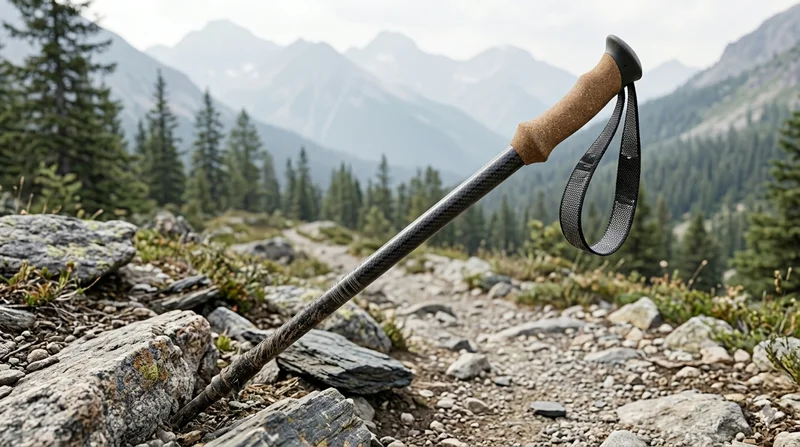
Carbon Fiber Trekking Pole
Lightweight carbon fiber trekking pole manufactured from high-grade carbon fiber tube. Weighs only 160g per pole while providing superior shock absorption and durability for hiking, trail running, and backpacking.

Carbon Fiber Pickleball Paddle
High-performance pickleball paddle with Toray T700 carbon fiber face and polypropylene honeycomb core. Delivers excellent power-to-weight ratio, spin generation, and vibration dampening for competitive play.

Square Carbon Fiber Tube — 3K Twill T700
Square cross-section carbon fiber tube manufactured with 3K twill weave for torsional strength. Preferred for structural frames, trusses, and support columns where rectangular geometry offers design flexibility.

Round Carbon Fiber Tube — 3K Twill
Lightweight and ultra-stiff round tubes ideal for drone frames, robotics, and structural applications.