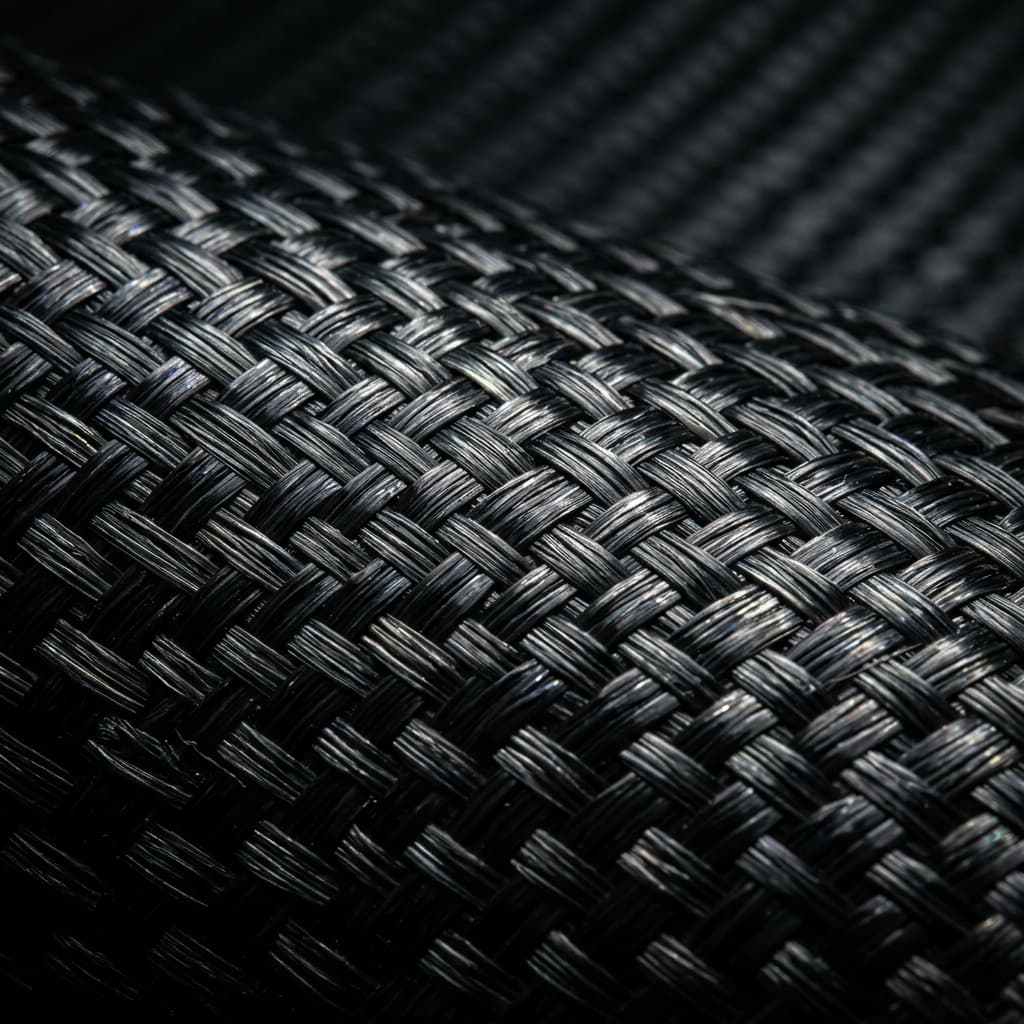
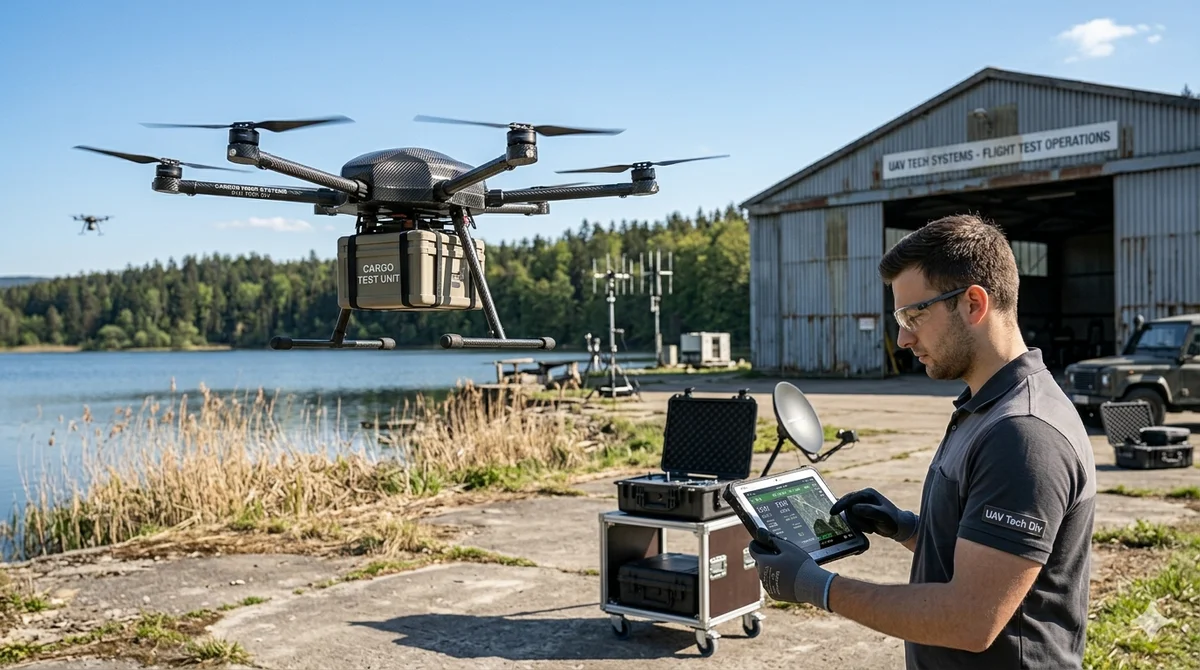
The global drone market exceeds $45 billion in 2026, and carbon fiber composites account for over 60% of airframe structural weight in commercial UAVs. We analyze material selection criteria for drone arms, fuselage panels, and landing gear, with data from torsional stiffness tests and impact performance at -20°C to 60°C.
Introduction
The commercial drone market is projected to reach $45.8 billion in 2026, according to industry estimates, with agricultural, logistics, and inspection applications driving growth. Carbon fiber composites are the dominant structural material in the sector: a typical mid-size quadcopter (15–25 kg MTOW) uses carbon fiber for 60–70% of its airframe weight. The key drivers are specific stiffness (stiffness per unit weight) and the ability to tailor anisotropic properties to match load paths. We manufacture carbon fiber drone arm blanks, fuselage panels, and landing gear components for OEM drone manufacturers.
Material Selection for Drone Arms
Drone arms are the most structurally critical components in a multirotor airframe. They must resist bending from thrust loads, torsion from yaw moments, and impact from hard landings. We tested four material configurations for a typical 20 kg MTOW quadcopter arm (400 mm length, 30 mm outer diameter):
| Parameter | UD T700 Carbon | 3K Twill T700 | 6061-T6 Aluminum | Nylon-CF (30% fiber) |
|---|---|---|---|---|
| Mass per arm (g) | 38 | 42 | 102 | 68 |
| Bending stiffness (N/mm) | 185 | 172 | 90 |
... (table continues below)
| Parameter | UD T700 Carbon | 3K Twill T700 | 6061-T6 Aluminum | Nylon-CF (30% fiber) |
|---|---|---|---|---|
| Mass per arm (g) | 38 | 42 | 102 | 68 |
| Bending stiffness (N/mm) | 185 | 172 | 90 | 55 |
| Torsional stiffness (N·m/deg) | 4.2 | 4.8 | 3.1 | 1.8 |
| Impact energy to failure (J) | 8 | 12 | 15 | 4 |
| Fatigue life at 80% load (cycles) | 500,000+ | 350,000+ | 100,000 | 80,000 |
| Operating temp range (°C) | −60 to +180 | −60 to +180 | −50 to +150 | −30 to +100 |
UD T700 carbon provides the lowest mass and highest bending stiffness, making it the preferred choice for racing and long-endurance platforms. Twill T700 offers superior impact resistance and torsional rigidity at a 10% weight penalty—preferred for agricultural and delivery drones where crash survivability matters. Aluminum arms are heavier but offer the best impact energy absorption and field repairability.
Airframe Panel Design
Fuselage panels in commercial drones serve dual functions: structural load-bearing and electronics enclosure. Our standard construction is a carbon fiber sandwich with a PMI foam core:
- Face sheets: 1–2 plies of 3K twill prepreg, 0.2–0.4 mm total thickness per side
- Core: PMI foam (Rohacell 71 or equivalent), 5–15 mm thickness, density 71 kg/m³
- Adhesive: Film adhesive, 0.05 mm bondline
The sandwich panel achieves a flexural stiffness equivalent to a 3 mm solid aluminum sheet at 60% less weight. EMI shielding can be incorporated by adding a copper mesh interlayer during lamination.
Manufacturing Processes
We use three primary manufacturing methods for drone components:
- Compression molding: Used for complex-geometry arms and landing gear. Cycle time: 15–30 minutes. Tooling cost: $5,000–$15,000 per cavity.
- Roll wrapping: Used for straight tubular arms and booms. Cycle time: 10–20 minutes. Lower tooling investment.
- Autoclave curing: Used for fuselage panels and high-performance arms where fiber volume fraction must exceed 60%. Cycle time: 2–4 hours per batch.
All components are post-processed with CNC drilling for mounting points. Hole quality is critical: out-of-roundness < 0.05 mm is required to prevent stress concentrations around fasteners.
Frequently Asked Questions
What wall thickness is recommended for a drone arm supporting 5 kg thrust?
For a 20 mm OD, 400 mm long arm with UD T700 carbon, a 1.2 mm wall thickness provides a safety factor of 3.0–3.5 at 5 kg thrust. We recommend 1.5 mm for agricultural drones operating in turbulent conditions, and 2.0 mm for heavy-lift platforms above 50 kg MTOW.
Can carbon fiber drone arms be repaired after impact?
Minor surface damage (scratches, gouges < 0.5 mm deep) can be repaired with injection of low-viscosity epoxy. Structural damage (cracks through the wall, delamination visible on both surfaces) typically requires arm replacement. We offer modular arm attachment systems that enable field replacement in under 5 minutes.
How do carbon fiber components perform at extreme temperatures?
Carbon fiber reinforced epoxy maintains >90% of its room-temperature mechanical properties from −55°C to +180°C (epoxy Tg is typically 160–200°C). Beyond this range, cyanate ester or BMI resin systems are required. For standard commercial drone operating conditions (−20°C to +50°C), standard epoxy systems are well within their safe operating envelope.
Conclusion
Carbon fiber composites are the material of choice for weight-critical drone structures, offering 50–60% weight savings over aluminum with superior fatigue life. The material selection—UD vs woven, prepreg vs wet layup—depends on the specific load profile and production volume. We manufacture drone arms, fuselage panels, and landing gear to OEM specifications. For technical data sheets or to discuss custom designs, visit our products page or contact our engineering team.
Part of topic
Related Articles
- Carbon Fiber Mooring for Floating Offshore Wind: Fatigue and Corrosion in Deep Water
- Carbon Fiber Bicycle Frame Optimization: Layup Design and Manufacturing for Competitive Racing
- Carbon Fiber CFRP Retrofit for Infrastructure: Bridge and Building Seismic Strengthening
- Carbon Fiber Medical Imaging Equipment: Lightweight Gantry and Couch Structures for MRI/CT
- Carbon Fiber EV Battery Enclosures: Crash Safety and Electromagnetic Shielding Design
- Carbon Fiber Structures for Low-Altitude Economy: UAV Airframes and eVTOL Components
Interested in Our Products?
Contact our team for competitive pricing and technical specifications.
Get a QuoteRelated Products
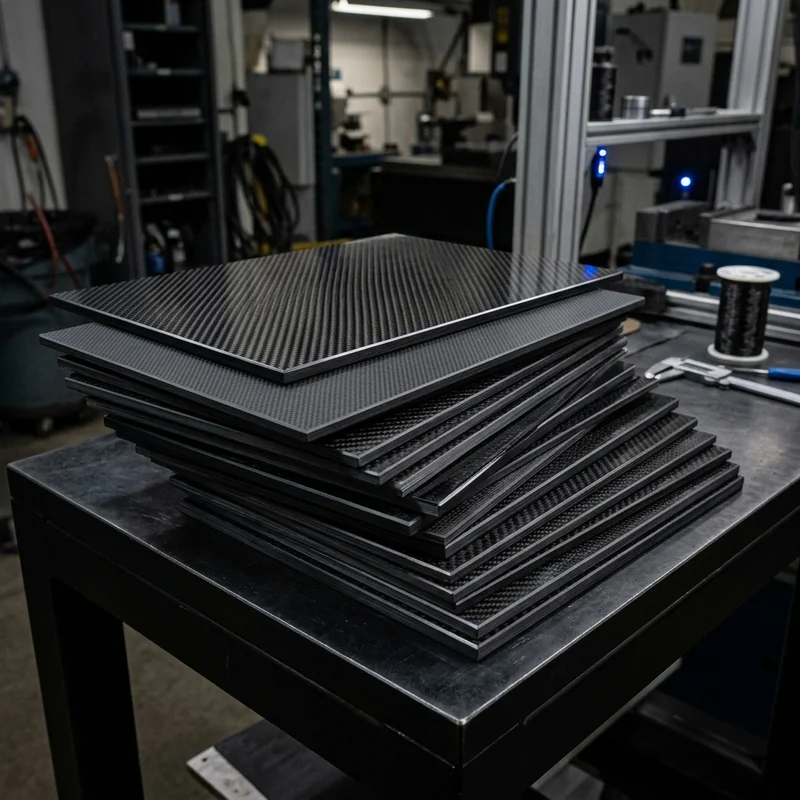
Carbon fiber standard plate-3k stripe
Lightweight, ultra-rigid standard sheets for drone fuselages, robot housings, facades and structural applications.
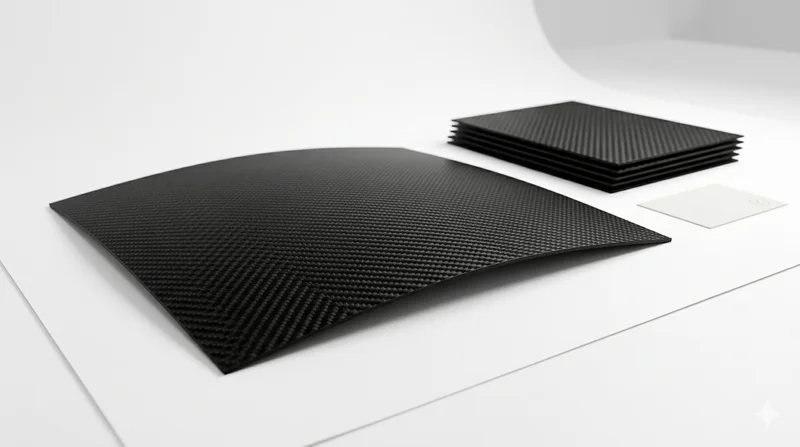
Carbon Fiber Plate — 3K Twill T700 1.5mm
Thin 1.5mm carbon fiber plate with 3K twill weave surface. Lightweight and stiff, commonly used for covers, panels, drone bodies, and applications requiring a premium aesthetic appearance.
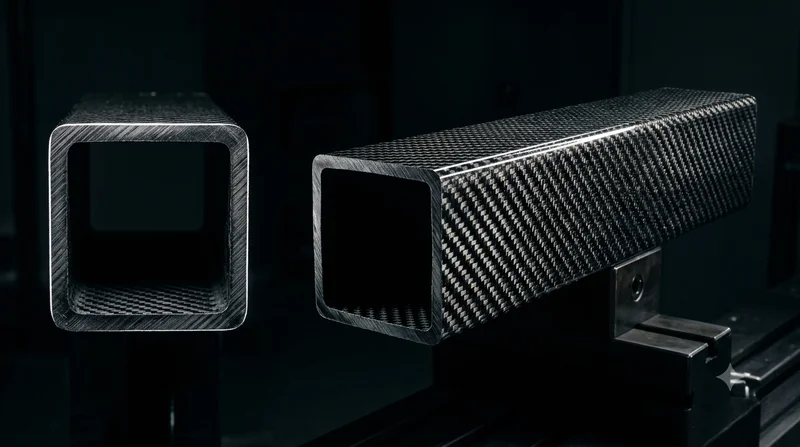
Square Carbon Fiber Tube — 3K Twill T700
Square cross-section carbon fiber tube manufactured with 3K twill weave for torsional strength. Preferred for structural frames, trusses, and support columns where rectangular geometry offers design flexibility.
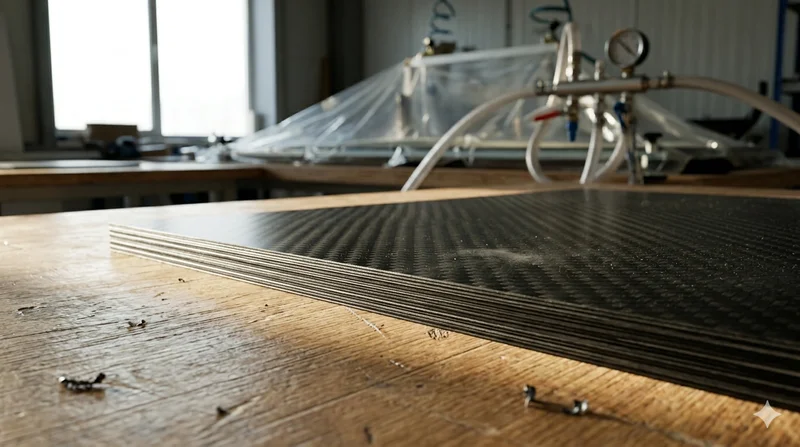
Carbon Fiber Plate — 3K Twill T700 3.0mm
Medium-thickness 3.0mm carbon fiber plate offering significantly higher load capacity while maintaining attractive 3K twill finish. Suitable for structural brackets, reinforcement plates, and load-bearing panels.
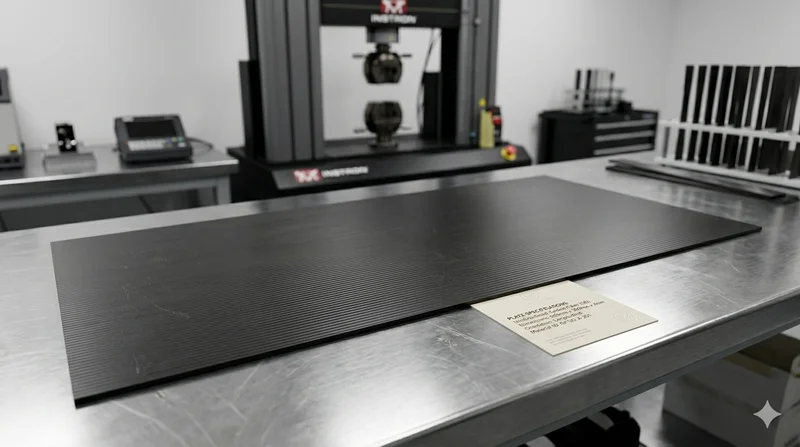
Carbon Fiber Plate — UD Unidirectional T700
Unidirectional carbon fiber plate with all fibers oriented in a single direction for maximum strength along the fiber axis. Essential for structural reinforcements, splints, and applications where load direction is predictable.