
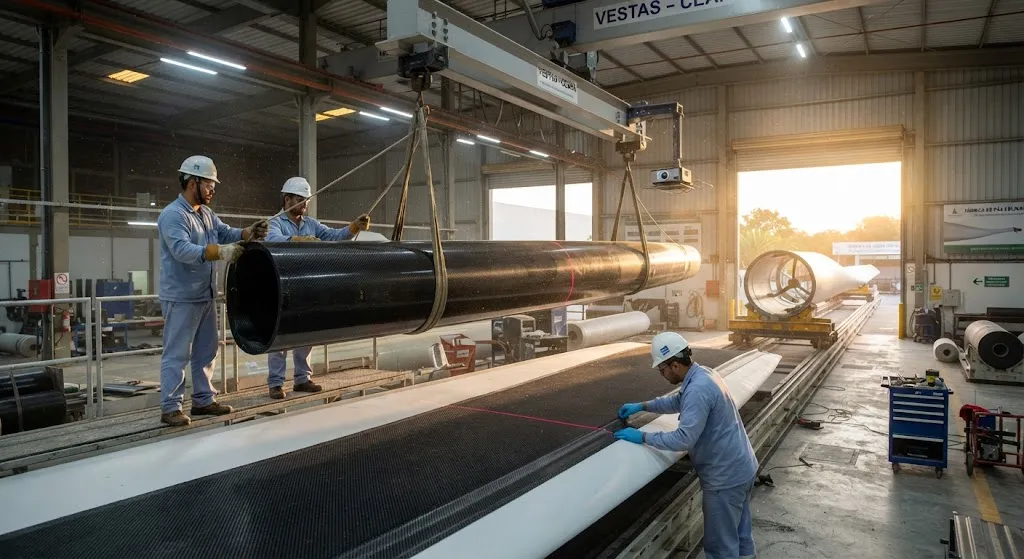
Brazil operates the largest wind power fleet in South America and one of the fastest-growing onshore wind markets in the world, and that build-out is quietly turning the country into a meaningful regional consumer of carbon fiber. The northeast states concentrate nearly all of the count
Introduction
Brazil operates the largest wind power fleet in South America and one of the fastest-growing onshore wind markets in the world, and that build-out is quietly turning the country into a meaningful regional consumer of carbon fiber. The northeast states concentrate nearly all of the country's turbine installation, where the wind blows hardest, and blade lengths there have crossed the threshold where carbon fiber spar caps become the economical engineering choice. Alongside wind, Brazil's industrial base adds two more composite-hungry sectors: a flex-fuel automotive industry that is turning to lightweighting to protect fuel economy, and the aerospace supply chain built around Embraer and its maintenance, repair and overhaul network.
For international suppliers, the Brazilian market matters because it combines volume wind demand with premium aerospace and automotive niches that are still underserved by domestic fiber production. Brazil imports most of its carbon fiber, which creates a stable channel for foreign producers, yet the country's composite processing base is mature enough to absorb it across blades, vehicle parts, and certified aircraft components. This article breaks down the demand structure, the key buying segments, and what suppliers need to know before entering the market.
Wind Energy: The Volume Engine
Wind power is the single largest driver of carbon fiber demand in Brazil. The country ended 2025 with roughly 34 GW of installed onshore capacity, and the northeast region — led by Rio Grande do Norte, Bahia, Ceará, and Piauí — accounts for about 85% of that total. What makes the Brazilian fleet exceptional is performance: capacity factors of 40-45% in the northeast are among the best in the world, which pushed developers toward ever larger rotors. Modern turbines installed in Brazil now routinely use blades of 65-75 meters, the length band where carbon fiber spar caps beat all-glass designs on both mass and cost per kilogram of blade.
| Metric | 2020 | 2025 | 2030 Estimate |
|---|---|---|---|
| Cumulative installed wind capacity (GW) | 17.7 | 34 | 55-60 |
| Typical new blade length (m) | 55-60 | 65-75 | 75-85 |
| Carbon spar cap adoption on new blades | <20% | 35-45% | 60-70% |
| Domestic carbon fiber demand (t/year) | 300-400 | 900-1,200 | 2,000-2,500 |
The northeast also hosts the country's blade manufacturing base: plants in Bahia's industrial complexes and the Suape port area in Pernambuco supply both the domestic pipeline and export programs, and they are increasingly adopting carbon pultruded spar caps shipped either as pre-cured plates or laid up in-house. Offshore wind, still at the project development stage for the south and southeast coastlines, would add another demand layer with even larger blades, but onshore expansion alone is sufficient to sustain strong growth through 2030.
Automotive Lightweighting in the Flex-Fuel Era
Brazil's light vehicle market produces and sells roughly 2.5 million cars and light trucks per year, and about 85% of them run on flex-fuel powertrains that burn gasoline, hydrous ethanol, or any blend between them. Ethanol has a lower energy density than gasoline, which makes fuel economy a persistent engineering problem and gives lightweighting unusual commercial urgency. Mass-market Brazilian cars achieve their weight savings with high-strength steel and glass fiber compounds, but the premium end of the market is moving into carbon fiber: high-performance versions of locally built SUVs, racing programs in the Stock Car series, and electric and hybrid executive vehicles increasingly specify carbon fiber parts for hoods, roof sections, and interior trim.
The opportunity for carbon fiber suppliers is more about niche series volume than full-body programs. Typical current demand looks like a few thousand parts per year per vehicle program, produced with compression molding, resin transfer molding, and prepreg layup, and Brazil's domestic mold-making and tooling industry keeps conversion costs competitive. As local automakers push flex-fuel engines toward tighter efficiency targets in 2026-2028, the case for composite lightweighting strengthens, particularly for components where mass reduction improves both acceleration and range.
Aerospace: Embraer and the MRO Base
Embraer anchors the Brazilian aerospace demand for carbon fiber from its São José dos Campos headquarters in São Paulo state. The E-Jet E2 family, the C-390 Millennium military transport, and the executive jet line all carry a growing share of composite structure, and the dense network of Tier 2 and Tier 3 suppliers around São José dos Campos processes prepreg, honeycomb cores, and machined composite details for those programs. Aerospace is the hardest channel to enter — qualification cycles commonly run 12-24 months — but it is also the most stable, with long framework agreements and premium pricing for qualified materials.
The maintenance, repair and overhaul segment adds a second, more accessible aerospace opportunity. Brazil's regional aviation network keeps hundreds of E-Jet and other narrow-body aircraft in operation across Latin America, and certified repair stations in the country perform composite damage assessment, bonded repair, and part replacement work that consumes fabric, prepreg, and adhesive systems on a routine basis. For suppliers, MRO demand has a practical advantage: it is less concentrated than OEM purchasing, it rewards responsive logistics and technical documentation, and it creates repeat orders that are less exposed to program cycles.
Supply Chain Dynamics and Sourcing Considerations
Brazilian carbon fiber consumption is served almost entirely by imports, and several factors shape how that supply works in practice:
- Import economics: Carbon fiber enters Brazil under Mercosur tariffs, and duties plus logistics typically add 20-30% to landed cost, which favors suppliers able to hold regional stock or offer consolidated shipping.
- Local processing strength: Blade plants, molders, and aerospace shops are sophisticated buyers; they expect technical datasheets, process support, and consistent batch quality rather than spot-priced commodity fiber.
- Qualification requirements: Wind buyers follow IEC 61400 quality frameworks, aerospace customers require ANAC-recognized certification and full traceability, and automotive programs demand PPAP-style process control documents.
- Logistics profile: Ports on the south coast (Santos, Paranaguá) serve the automotive and aerospace clusters, while blade plants in the northeast draw on the ports of Salvador and Suape; suppliers should plan two-channel logistics.
The outlook for the market is constructive. Brazilian wind additions are forecast to continue at 4-6 GW per year through 2030, automotive lightweighting is spreading from premium niches into higher-volume models, and Embraer's order book keeps the aerospace channel full. Taken together, these drivers point to a low-to-mid single-digit annual growth rate for carbon fiber consumption, with the wind segment contributing the majority of tonnage.
Frequently Asked Questions
What drives carbon fiber demand in Brazil?
Three sectors dominate. Wind energy is the volume engine: the northeast's 34 GW fleet and its world-class capacity factors push blade lengths into the range where carbon fiber spar caps are standard, and this segment accounts for most tonnage. Flex-fuel automotive lightweighting adds premium niche volume as automakers fight ethanol's lower energy density with composite hoods, roofs, and trim. Aerospace demand around Embraer and the regional MRO network contributes smaller, higher-value certified volume with the longest qualification cycles and the most stable contracts.
What certifications do suppliers need to sell carbon fiber in Brazil?
Requirements follow the customer segment. Aerospace buyers want ANAC-recognized material traceability, NADCAP-style process accreditation where applicable, and typically ISO 9001 or AS9100 quality systems, with qualification cycles of 12-24 months. Wind blade manufacturers expect compliance with IEC 61400 framework standards and rigorous incoming inspection data, including fiber volume fraction and void content testing. Automotive programs require PPAP documentation and process control evidence. Most Brazilian buyers also expect a complete technical datasheet package in Portuguese or English and responsive application engineering support.
How does the Brazilian market compare with other Latin American carbon fiber markets?
Brazil is by far the largest market in South America, in total tonnage and in diversity of demand: no other country in the region combines a major wind fleet, a two-million-plus light vehicle industry, and a full aerospace OEM supply chain. Chile and Colombia have growing wind programs but smaller industrial bases; Argentina's aerospace and agro-industrial sectors are modest by comparison; Mexico, while not part of the South American block, is the other heavyweight in Latin America through its aerospace nearshoring and automotive Tier-1 base. For suppliers, Brazil offers the deepest processing infrastructure and the broadest opportunity set, but also the highest barrier of import logistics and certification.
Conclusion
Brazil's carbon fiber market in 2026 is defined by wind build-out in the northeast, lightweighting pressure in a flex-fuel automotive industry, and the stable high-value channel around Embraer and regional MRO. The market rewards suppliers who combine competitive landed pricing with technical service depth: wind buyers buy on performance per kilogram, aerospace buyers buy on certification and traceability, and automotive buyers buy on process control and repeatability. With domestic production still limited, imports will remain the backbone of supply through 2030, which keeps the door open for international producers with the documentation and logistics discipline to serve it.
Whether you are supplying carbon fiber fabrics for Brazilian wind blade programs, automotive compounds, or aerospace repair stations, understanding the segment structure is the first step. Explore our carbon fiber product range for wind, automotive, and aerospace applications, or contact our team to discuss sourcing, certification, and logistics for your Brazilian program.
Part of topic
Related Articles
- Recycled Carbon Fiber Market Forecast 2030: Technology Maturity and Commercialization Path
- South Korea Carbon Fiber Market 2026: Hydrogen Economy and Shipbuilding Innovation
- Wind Turbine Blade Leading Edge Protection 2026: Polyurethane, Tape, and Metallic Shield Solutions
- China Carbon Fiber Overcapacity 2026: Price War Impact and Industry Consolidation
- India Carbon Fiber Market 2026: Wind Energy, Aerospace, and Defense Expansion
- PAN Precursor Market 2026: Acrylonitrile Supply and Carbon Fiber Cost Structure
Interested in Our Products?
Contact our team for competitive pricing and technical specifications.
Get a QuoteRelated Products

Carbon Fiber Fishing Rod Blank
High-quality carbon fiber fishing rod blank manufactured from multiple grades of Toray carbon fiber cloth. Available in a wide range of lengths, powers, and actions for freshwater and saltwater applications. Suitable for OEM rod building.
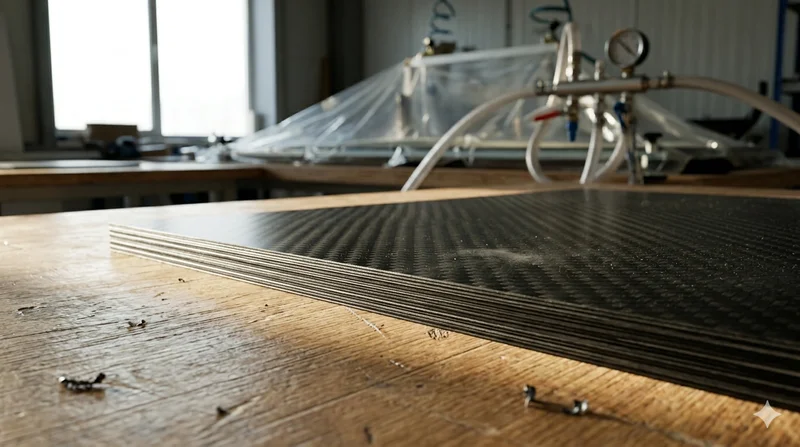
Carbon Fiber Plate — 3K Twill T700 3.0mm
Medium-thickness 3.0mm carbon fiber plate offering significantly higher load capacity while maintaining attractive 3K twill finish. Suitable for structural brackets, reinforcement plates, and load-bearing panels.
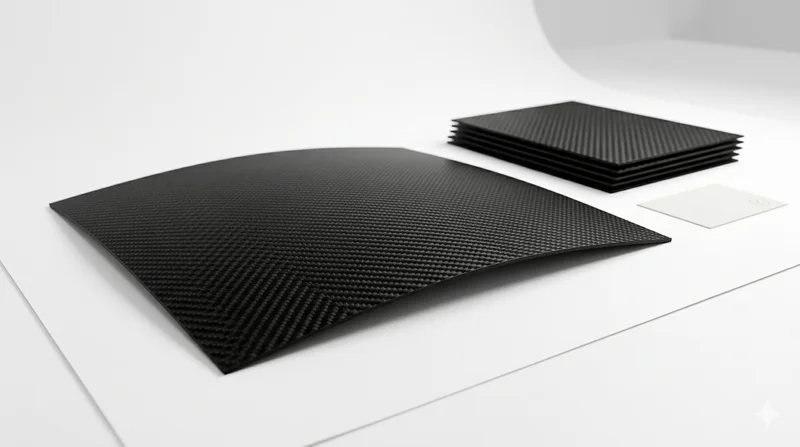
Carbon Fiber Plate — 3K Twill T700 1.5mm
Thin 1.5mm carbon fiber plate with 3K twill weave surface. Lightweight and stiff, commonly used for covers, panels, drone bodies, and applications requiring a premium aesthetic appearance.
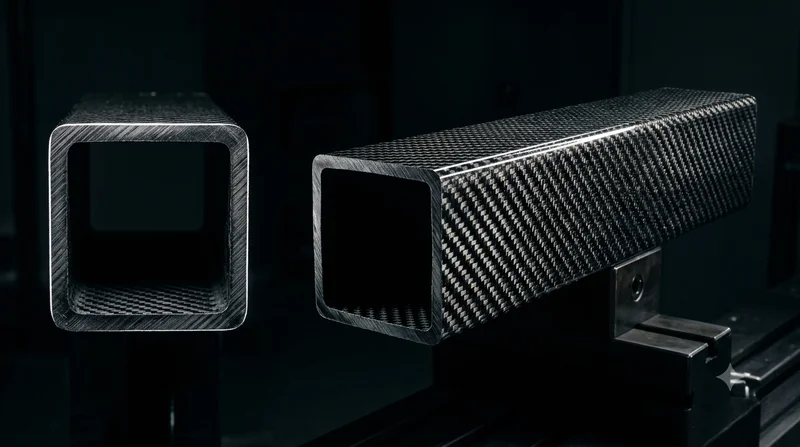
Square Carbon Fiber Tube — 3K Twill T700
Square cross-section carbon fiber tube manufactured with 3K twill weave for torsional strength. Preferred for structural frames, trusses, and support columns where rectangular geometry offers design flexibility.
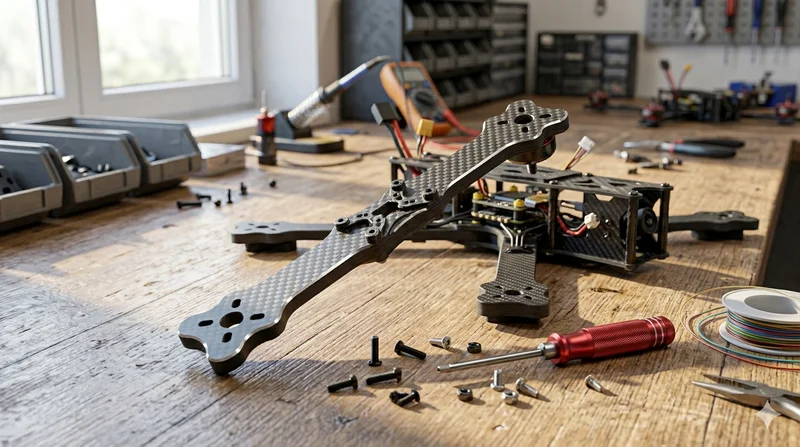
Carbon Fiber Drone Arm
Precision-molded carbon fiber drone arm combining unidirectional fiber for stiffness and woven layers for torsional strength. Designed for FPV, photography, and industrial drone platforms. Each arm is CNC-machined to exact specifications.