
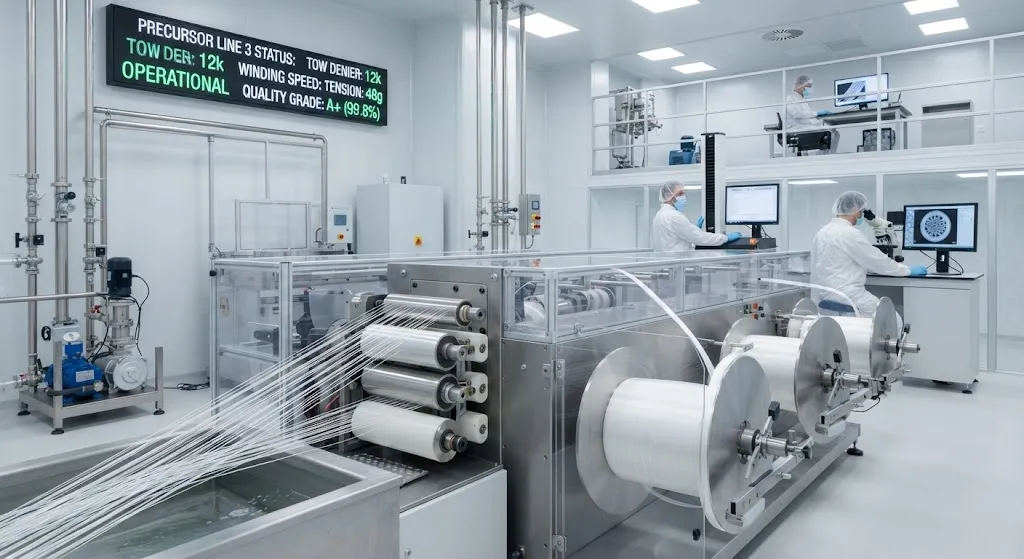
The carbon fiber industry's cost structure is dominated by a single upstream input: polyacrylonitrile (PAN) precursor fiber. PAN precursor typically represents 50-65% of total carbon fiber production cost, and its quality directly determines the mechanical properties of the finished car
Introduction
The carbon fiber industry's cost structure is dominated by a single upstream input: polyacrylonitrile (PAN) precursor fiber. PAN precursor typically represents 50-65% of total carbon fiber production cost, and its quality directly determines the mechanical properties of the finished carbon fiber — tensile strength, modulus, and strain-to-failure are all set during precursor synthesis and spinning. This vertical integration of precursor quality into final product performance makes the PAN precursor market a critical determinant of carbon fiber availability, pricing, and technology trajectory.
In 2026, the PAN precursor market is navigating a complex landscape of feedstock volatility, capacity expansion in China, quality differentiation between aerospace and industrial grades, and shifting demand patterns driven by wind energy and hydrogen infrastructure growth. This article provides a comprehensive analysis of PAN precursor supply chain dynamics, pricing trends, and the procurement implications for carbon fiber manufacturers and end-users.
Acrylonitrile Feedstock: The Upstream Price Driver
PAN precursor is synthesized from acrylonitrile (AN) monomer, which is itself derived from propylene ammoxidation — linking PAN precursor costs directly to petrochemical feedstock markets. The acrylonitrile supply chain structure and 2026 pricing dynamics:
| Supply Chain Stage | Key Producers/Regions | 2026 Price Range | Price Trend |
|---|---|---|---|
| Propylene (feedstock) | ExxonMobil, SABIC, Sinopec, Shell | $800-1,100/ton | Stable to declining — new PDH capacity in China |
| Acrylonitrile (monomer) | Ineos, Ascend Performance Materials, Asahi Kasei, PetroChina | $1,400-1,800/ton | Moderate increase — supply tightness from plant turnarounds |
| PAN precursor fiber | Toray, Mitsubishi Chemical, Toho Tenax, Zhongfu Shenying, Jilin Carbon Fiber | $18-28/kg (standard modulus) | Stable to slightly increasing — capacity additions offset by demand growth |
The acrylonitrile market experienced supply disruptions in 2025 from planned maintenance turnarounds at major Western facilities (Ineos Seaside, Ascend Pedricktown), tightening spot availability and pushing AN prices to the upper end of the historical range. In 2026, new AN capacity from Chinese producers (PetroChina Jilin, Shenghong Refining) is expected to add 200,000-300,000 tons/year of supply, moderating price pressure but introducing quality variability that affects downstream PAN precursor consistency.
PAN Precursor Market Structure and Producer Landscape
The global PAN precursor market is concentrated among a small number of integrated carbon fiber producers, with a clear quality hierarchy separating aerospace-grade and industrial-grade products:
- Aerospace-grade precursor: Produced by Toray, Hexcel (via Toho Tenax), and Mitsubishi Chemical using proprietary wet-spinning or dry-jet wet-spinning processes. Tensile strength of precursor fiber exceeds 550 MPa with coefficient of variation below 3%. Pricing at $25-35/kg reflects the tight quality specifications and limited qualified supplier base. Supply is typically contract-allocated 12-18 months in advance for aerospace programs.
- Industrial-grade precursor: Produced by Chinese manufacturers (Zhongfu Shenying, Jilin Carbon Fiber, Weihua Composites) using conventional wet-spinning processes. Tensile strength ranges from 450-520 MPa with coefficient of variation of 4-7%. Pricing at $18-24/kg represents 30-40% cost advantage over aerospace grades, suitable for wind energy, hydrogen pressure vessel, and automotive applications where property specifications are less stringent.
- Large-tow specialty precursor: Developed specifically for 48K and 60K tow production, requiring optimized coagulation behavior and draw characteristics. Toray (for its large-tow industrial line) and Chinese producers are the primary suppliers, with pricing at $16-20/kg reflecting lower quality requirements but higher volume commitments.
2026 Pricing Trends and Cost Structure Analysis
PAN precursor pricing in 2026 reflects the intersection of feedstock costs, capacity utilization, and quality tier differentiation:
- Standard modulus, industrial grade (12K-24K tow): $19-23/kg, stable year-over-year. Chinese capacity expansion has offset demand growth, preventing price escalation despite rising acrylonitrile costs. Long-term contracts at $18-20/kg provide cost certainty for high-volume carbon fiber producers.
- Standard modulus, industrial grade (48K-60K tow): $16-20/kg, slight decline from 2025. Large-tow precursor benefits from economies of scale in spinning and coagulation, with Chinese producers offering the most competitive pricing to secure volume commitments from wind energy carbon fiber consumers.
- High-strength, standard modulus (aerospace grade): $28-35/kg, moderate increase of 3-5% from 2025. Supply remains tight as aerospace production rates ramp (Boeing 737 MAX, Airbus A320neo) and new aerospace carbon fiber programs qualify additional precursor sources. Long-term agreements (3-5 years) at $26-32/kg are standard for qualified aerospace supply chains.
- High-modulus precursor: $35-50/kg, stable. Specialty precursor for high-modulus carbon fiber (M40J, M50J class) is produced by a limited number of suppliers (Toray, Mitsubishi Chemical) with very tight quality specifications and long qualification cycles.
Supply Chain Risks and Mitigation Strategies
PAN precursor supply chain risks in 2026 center on three areas:
- Acrylonitrile feedstock volatility: Propylene and AN prices are subject to petrochemical market cycles, with historical price swings of ±20-30% over 12-18 month periods. Carbon fiber producers mitigate this through long-term AN supply contracts (1-3 years) and forward purchasing agreements that lock in feedstock costs for 6-12 months of production.
- Geopolitical and trade policy risks: Chinese PAN precursor production capacity now represents approximately 40% of global supply, creating dependence for Western carbon fiber producers who source industrial-grade precursor from Chinese suppliers. Tariff escalation, export controls, or quality disputes could disrupt supply. Diversification through qualified alternative suppliers (domestic or allied-nation producers) is a strategic priority for risk-averse procurement teams.
- Quality consistency and qualification barriers: Aerospace-grade PAN precursor requires 12-18 months of qualification testing before it can be used in certified carbon fiber production. Switching precursor suppliers mid-program is costly and time-consuming, creating supplier lock-in that limits procurement flexibility. Industrial-grade precursor has lower switching barriers but still requires 3-6 months of process validation.
Implications for Carbon Fiber Procurement
PAN precursor market dynamics directly impact carbon fiber procurement strategies across all application segments:
- Cost budgeting: Carbon fiber buyers should model precursor cost as 55-60% of their carbon fiber material cost, and track acrylonitrile and propylene price indices as leading indicators of carbon fiber pricing trends. A 10% increase in AN spot prices typically translates to 4-6% increase in industrial-grade carbon fiber pricing within 3-6 months.
- Supply security: For programs requiring guaranteed supply continuity, multi-year contracts with carbon fiber producers that secure underlying precursor capacity provide the strongest supply assurance. Dual-sourcing from both Chinese and non-Chinese producers balances cost optimization with geopolitical risk management.
- Quality specification alignment: Matching precursor grade to application requirements avoids overpaying for unnecessary quality. Wind energy and hydrogen pressure vessel applications can typically use standard-modulus industrial precursor at $18-22/kg, while aerospace structural applications require high-strength precursor at $28-35/kg with full traceability and certification documentation.
Frequently Asked Questions
How does PAN precursor cost compare to other carbon fiber precursors like pitch or rayon?
PAN precursor dominates the carbon fiber market (approximately 90% of production) because it offers the best balance of mechanical properties, processability, and cost. Pitch-based precursor produces ultra-high-modulus carbon fiber (>500 GPa modulus) for niche aerospace and electronics applications, but at 2-3x the cost of PAN-based products and with lower tensile strength. Rayon-based (viscose) precursor is used only for activated carbon fiber and very low-cost industrial applications, with mechanical properties unsuitable for structural composites. For structural carbon fiber applications — wind energy, hydrogen, automotive, aerospace — PAN precursor is effectively the only viable option.
What is the typical lead time for PAN precursor orders in 2026?
Lead times vary significantly by grade and supplier relationship. Aerospace-grade precursor from established suppliers (Toray, Mitsubishi Chemical) typically requires 6-12 month advance orders under long-term agreements, with delivery scheduled quarterly. Industrial-grade precursor from Chinese producers can be sourced with 2-4 month lead times for standard specifications, though peak demand periods (typically Q2-Q3 when wind energy blade production ramps) can extend lead times to 4-6 months. Spot market availability for industrial-grade precursor is limited, with most production committed to annual contracts.
How might emerging precursor technologies affect the PAN precursor market?
Several precursor technologies are in development but none are expected to displace PAN at scale before 2030. Lignin-based precursors (from wood pulping waste) offer potentially lower raw material cost but currently produce carbon fiber with 30-40% lower tensile strength, limiting applications to non-structural uses. Polyolefin-based precursors (polyethylene) offer higher carbon yield during carbonization but face processing challenges at scale. The most likely near-term impact is in specialty applications — activated carbon fiber, thermal management — where PAN's mechanical performance premium is not required, leaving the structural carbon fiber market firmly dependent on PAN precursor through the forecast period.
Conclusion
PAN precursor remains the cost-dominant and performance-defining input in carbon fiber production, with its market dynamics — feedstock pricing, supply concentration, and quality differentiation — directly shaping carbon fiber availability and economics across all application segments. In 2026, the market is characterized by stable industrial-grade pricing supported by Chinese capacity expansion, tight aerospace-grade supply aligned with aircraft production ramp, and ongoing feedstock volatility that rewards long-term procurement planning. For carbon fiber buyers, understanding precursor market dynamics is essential for accurate cost budgeting, supply chain risk management, and specification optimization.
For procurement teams evaluating carbon fiber supply agreements, the key considerations are precursor grade alignment with application requirements, multi-year pricing mechanisms that provide cost visibility, and supply chain diversification strategies that balance cost competitiveness with geopolitical risk. Explore our carbon fiber product range with transparent material sourcing and specification documentation, or contact our sales team to discuss volume pricing, supply agreements, and technical specifications for your applications.
Part of topic
Related Articles
- Recycled Carbon Fiber Market Forecast 2030: Technology Maturity and Commercialization Path
- South Korea Carbon Fiber Market 2026: Hydrogen Economy and Shipbuilding Innovation
- Wind Turbine Blade Leading Edge Protection 2026: Polyurethane, Tape, and Metallic Shield Solutions
- China Carbon Fiber Overcapacity 2026: Price War Impact and Industry Consolidation
- India Carbon Fiber Market 2026: Wind Energy, Aerospace, and Defense Expansion
- Carbon Fiber Price War Bottom 2026: Toray Price Hike and Industry Consolidation Outlook
Interested in Our Products?
Contact our team for competitive pricing and technical specifications.
Get a QuoteRelated Products
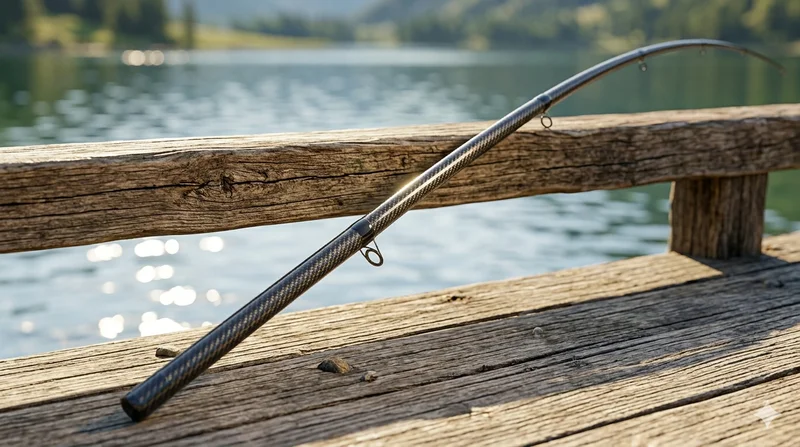
Carbon Fiber Fishing Rod Blank
High-quality carbon fiber fishing rod blank manufactured from multiple grades of Toray carbon fiber cloth. Available in a wide range of lengths, powers, and actions for freshwater and saltwater applications. Suitable for OEM rod building.
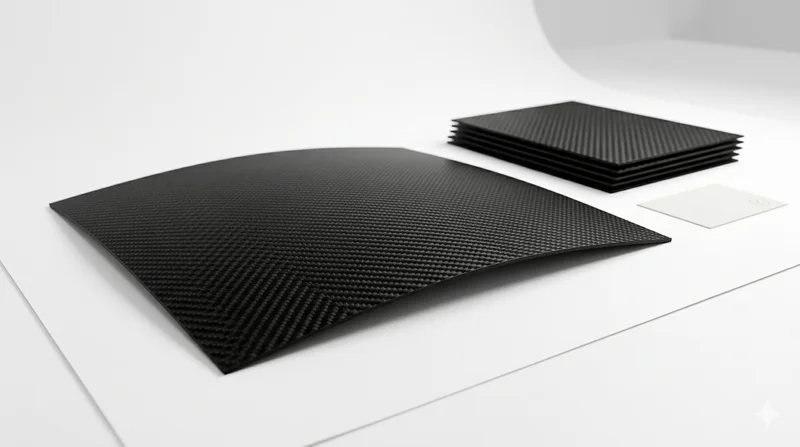
Carbon Fiber Plate — 3K Twill T700 1.5mm
Thin 1.5mm carbon fiber plate with 3K twill weave surface. Lightweight and stiff, commonly used for covers, panels, drone bodies, and applications requiring a premium aesthetic appearance.
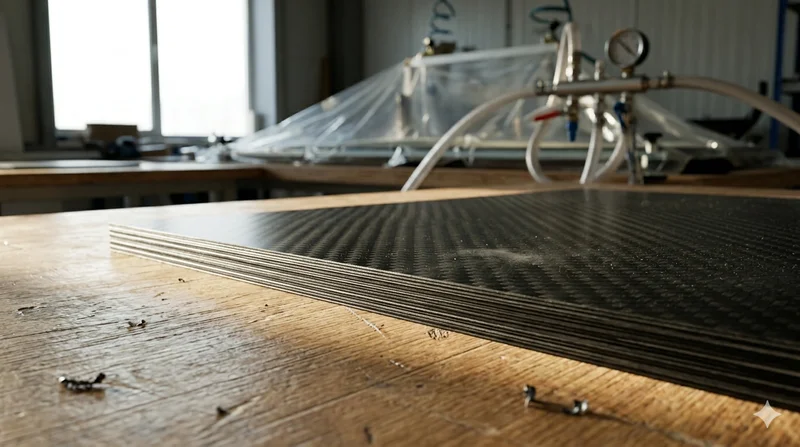
Carbon Fiber Plate — 3K Twill T700 3.0mm
Medium-thickness 3.0mm carbon fiber plate offering significantly higher load capacity while maintaining attractive 3K twill finish. Suitable for structural brackets, reinforcement plates, and load-bearing panels.
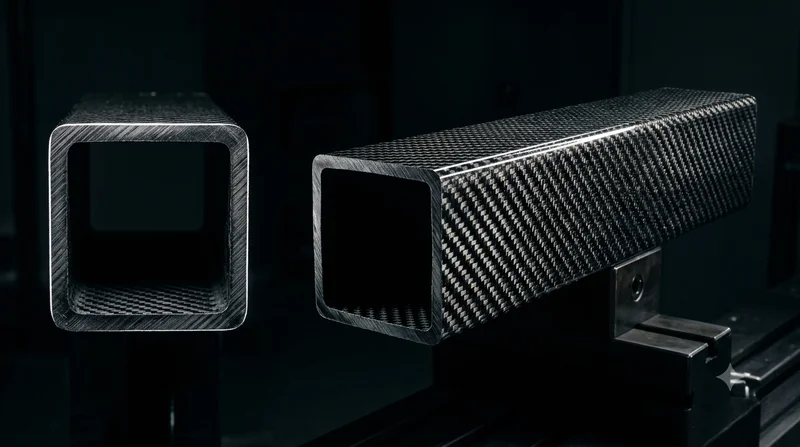
Square Carbon Fiber Tube — 3K Twill T700
Square cross-section carbon fiber tube manufactured with 3K twill weave for torsional strength. Preferred for structural frames, trusses, and support columns where rectangular geometry offers design flexibility.

Carbon Fiber Trekking Pole
Lightweight carbon fiber trekking pole manufactured from high-grade carbon fiber tube. Weighs only 160g per pole while providing superior shock absorption and durability for hiking, trail running, and backpacking.