
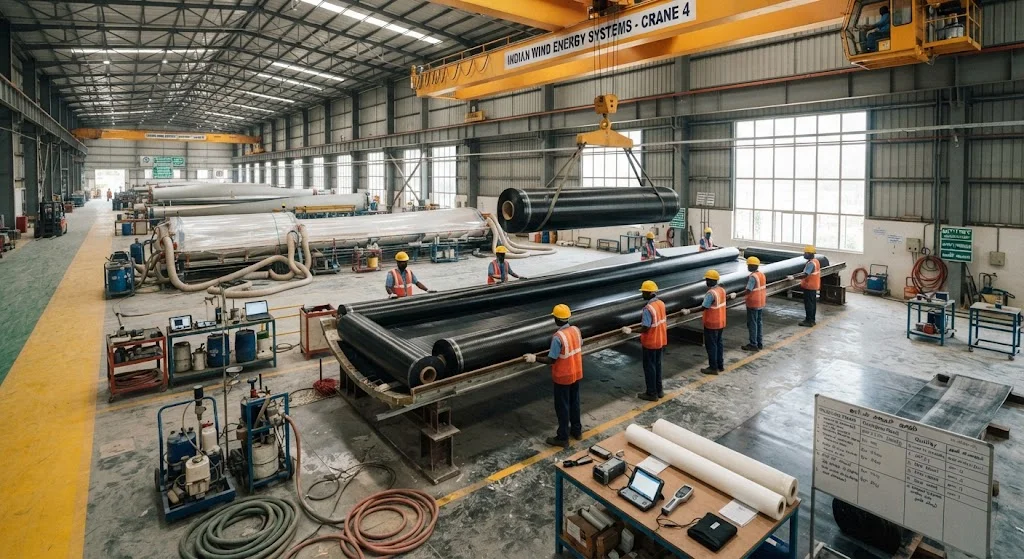
India's carbon fiber market in 2026 stands at an inflection point where three powerful demand drivers — wind energy expansion, aerospace manufacturing localization, and defense procurement — are converging to create one of the fastest-growing composites markets in Asia. The Indian compo
Introduction
India's carbon fiber market in 2026 stands at an inflection point where three powerful demand drivers — wind energy expansion, aerospace manufacturing localization, and defense procurement — are converging to create one of the fastest-growing composites markets in Asia. The Indian composites industry is estimated to reach $4.2 billion by 2027, with carbon fiber consumption growing at 12-15% annually as the country builds domestic manufacturing capability across multiple high-technology sectors.
For international carbon fiber suppliers and B2B buyers, understanding the Indian market requires navigating a complex landscape of import dependency, domestic capacity buildup, government incentive programs, and rapidly evolving technical specifications. India remains heavily dependent on imported carbon fiber — primarily from Japan, the United States, and China — but the government's Make in India and PLI (Production-Linked Incentive) schemes are actively fostering domestic production. This article breaks down the demand structure, key buying segments, and what suppliers need to know to engage with the Indian carbon fiber market effectively.
India Carbon Fiber Market Structure and Growth Drivers
India's carbon fiber market is characterized by strong demand growth constrained by limited domestic production capacity. Three sectors are driving the expansion:
- Wind energy: India's installed wind capacity is projected to reach 75 GW by 2027, with carbon fiber increasingly specified for turbine blade spar caps, leading edge protection, and hub components. The wind sector accounts for approximately 35-40% of Indian carbon fiber demand by volume.
- Aerospace and defense: The Indian Air Force's fighter modernization program (LCA Mk2, AMCA), helicopter procurement, and space program (ISRO) generate steady demand for certified carbon fiber prepregs. Defense and aerospace account for 25-30% of carbon fiber consumption by value.
- Automotive and industrial: India's automotive industry is adopting carbon fiber for premium vehicle components, racing applications, and industrial equipment, though this segment remains smaller than wind and aerospace. Automotive and industrial account for 20-25% of consumption.
The Indian carbon fiber market is estimated at 8,000-10,000 tonnes annually in 2026, with imports meeting approximately 70-75% of demand. Domestic production from companies such as Aditya Birla Group's Grafil and Reliance Industries' pilot capacity covers the remaining 25-30%, primarily in standard modulus grades.
Wind Energy: The Volume Driver
India's wind energy sector is the single largest consumer of carbon fiber by volume, and the segment is growing rapidly as turbine manufacturers specify carbon fiber for larger blade designs. The trend toward 5-7 MW onshore and 10-15 MW offshore turbines requires carbon fiber spar caps to achieve the stiffness and weight targets that glass fiber cannot meet at these scales.
| Parameter | Glass Fiber Spar Cap | Carbon Fiber Spar Cap | Improvement |
|---|---|---|---|
| Blade length | 60-70 m maximum | 80-100+ m achievable | 30-40% longer blades |
| Spar cap weight | 8-12 tonnes | 3-5 tonnes | 55-65% weight reduction |
| Blade stiffness | Limited by glass fiber modulus | 2-3x higher stiffness | Reduced tip deflection |
| Cost per MW | Baseline | 10-15% premium | Offset by energy capture gains |
| Cycle time | 18-24 months blade life | 25-30 years with proper design | Extended service life |
Indian wind turbine manufacturers including Suzlon, Siemens Gamesa India, and Vestas India are increasing carbon fiber content in blade designs, driving import demand for carbon fiber fabrics, prepregs, and pultruded profiles. The government's target of 500 GW renewable energy capacity by 2030 will sustain strong wind sector growth and associated carbon fiber demand.
Aerospace and Defense: Certified High-Value Demand
India's aerospace and defense sector represents the highest-value carbon fiber market segment, characterized by strict certification requirements, long qualification cycles, and premium pricing. The demand structure is shaped by several major programs:
- LCA Mk2 (Tejas Mark 2): India's indigenous fighter program specifies carbon fiber composites for wing skins, vertical stabilizer, and engine nacelle components. HAL's production rate of 16-24 aircraft per year generates steady demand for aerospace-grade prepreg.
- AMCA (Advanced Medium Combat Aircraft): The fifth-generation stealth fighter program will require significant carbon fiber content for radar-absorbing structures and primary airframe components, with development timelines extending through the 2030s.
- Helicopter programs: The Indian Navy's MH-60R procurement and indigenous ALH/Dhruv production generate demand for carbon fiber rotor blades, fuselage panels, and structural components.
- Space program: ISRO's satellite launch vehicle programs, including GSLV Mk3 and the upcoming NGLV, specify carbon fiber for payload fairings, stage interstages, and satellite structures.
Aerospace carbon fiber procurement in India follows a qualified supplier list (QSL) system managed by HAL, DRDO, and ISRO, which requires 12-24 months of material qualification before first orders. International suppliers must maintain Indian representative offices or authorized distributors to support qualification and ongoing technical service.
Supply Chain Dynamics and Import Patterns
India's carbon fiber supply chain is heavily import-dependent, with several key sourcing patterns shaping the market in 2026:
| Source Country | Primary Products | Market Share (Est.) | Competitive Position |
|---|---|---|---|
| Japan (Toray, Mitsubishi, Toho) | Standard and intermediate modulus tow, fabric | 35-40% | Quality leader, long-term supply agreements |
| USA (Hexcel, Solvay) | Aerospace-grade prepreg, specialty fibers | 15-20% | Defense/aerospace qualification, premium pricing |
| China (Zhongfu Shenying, Jilin Carbon) | Standard modulus tow, industrial grade | 20-25% | Price competitive, growing quality perception |
| Taiwan (Formosa Plastics) | Standard modulus, industrial applications | 10-12% | Competitive pricing, established distribution |
| Domestic (Aditya Birla, Reliance) | Standard modulus, emerging capacity | 15-20% | Government incentive supported, growing |
The Indian government's PLI scheme for carbon fiber and composites offers 10-20% capital subsidies for domestic manufacturing investment, which is expected to add 3,000-5,000 tonnes of domestic capacity by 2028. However, aerospace and defense applications will continue to rely on imported certified materials for the foreseeable future due to the lengthy qualification requirements.
Challenges and Opportunities for B2B Suppliers
The Indian carbon fiber market presents both significant opportunities and distinctive challenges for international B2B suppliers:
- Price sensitivity: Indian buyers are highly price-conscious, particularly in the wind energy sector where Chinese carbon fiber is increasingly competitive. Suppliers must balance quality with cost-effectiveness to win volume business.
- Technical service requirements: Indian manufacturers expect suppliers to provide processing guidance, layup optimization, and failure analysis support. Local technical presence is a significant competitive advantage.
- Payment terms: Indian industry standard payment terms of 60-90 days create working capital requirements that favor suppliers with strong financial positions or local warehousing.
- Quality consistency: Indian buyers are increasingly demanding consistent quality and traceability, particularly as wind turbine manufacturers export blades to European markets requiring IEC certification.
- Long-term growth trajectory: India's carbon fiber demand is projected to reach 25,000-30,000 tonnes by 2030, representing a 3x increase from current levels. Early market entry positions suppliers for this growth.
The market outlook through 2030 is strongly positive, with wind energy, aerospace, and defense driving sustained double-digit growth. Suppliers who can combine competitive pricing with reliable quality and responsive technical support will capture disproportionate share of this expanding market.
Frequently Asked Questions
How large is India's carbon fiber market in 2026?
India's carbon fiber market is estimated at 8,000-10,000 tonnes annually in 2026, representing approximately 4-5% of global carbon fiber consumption. The market is valued at roughly $280-350 million at current import prices. By volume, the wind energy sector dominates at 35-40% of consumption, followed by aerospace and defense at 25-30%, and automotive and industrial at 20-25%. The market is projected to grow at 12-15% annually through 2030, reaching 25,000-30,000 tonnes as domestic manufacturing capacity increases and downstream applications expand.
What certifications do suppliers need to serve Indian aerospace customers?
Indian aerospace procurement follows a Qualified Supplier List (QSL) system managed by HAL, DRDO, and ISRO. Material qualification typically requires 12-24 months and includes mechanical property testing, environmental conditioning, and process compatibility validation. AS9100 quality system certification is mandatory for aerospace suppliers, and Nadcap accreditation for special processes is increasingly required. Indian defense procurement also requires security clearances for foreign suppliers, which adds complexity to the qualification process. Maintaining an Indian representative office or authorized distributor significantly streamlines the qualification process and ongoing supply relationship.
Is Chinese carbon fiber competitive in the Indian market?
Chinese carbon fiber has gained significant market share in India over the past three years, particularly in standard modulus grades for wind energy and industrial applications. Chinese suppliers offer 15-25% lower pricing compared to Japanese and American producers, with improving quality consistency that meets the requirements of most non-aerospace applications. However, Chinese carbon fiber faces limitations in aerospace and defense procurement due to qualification restrictions and supply chain security concerns. The competitive dynamic is expected to intensify as Chinese producers continue quality improvements and expand their Indian distribution networks.
Conclusion
India's carbon fiber market in 2026 offers substantial growth potential driven by wind energy expansion, aerospace localization, and defense modernization. The market's import-dependent structure creates opportunities for international suppliers who can combine competitive pricing with technical service support and quality consistency. While price sensitivity and long payment terms present challenges, the long-term growth trajectory — with demand projected to triple by 2030 — makes India one of the most attractive emerging markets for carbon fiber B2B engagement.
For international suppliers evaluating the Indian carbon fiber market, understanding the demand structure, qualification requirements, and competitive landscape is essential for developing effective market entry strategies. Explore our carbon fiber product range for wind energy, aerospace, and industrial applications, or contact our team to discuss sourcing opportunities in the Indian market.
Part of topic
Related Articles
- Recycled Carbon Fiber Market Forecast 2030: Technology Maturity and Commercialization Path
- South Korea Carbon Fiber Market 2026: Hydrogen Economy and Shipbuilding Innovation
- Wind Turbine Blade Leading Edge Protection 2026: Polyurethane, Tape, and Metallic Shield Solutions
- China Carbon Fiber Overcapacity 2026: Price War Impact and Industry Consolidation
- PAN Precursor Market 2026: Acrylonitrile Supply and Carbon Fiber Cost Structure
- Carbon Fiber Price War Bottom 2026: Toray Price Hike and Industry Consolidation Outlook
Interested in Our Products?
Contact our team for competitive pricing and technical specifications.
Get a QuoteRelated Products
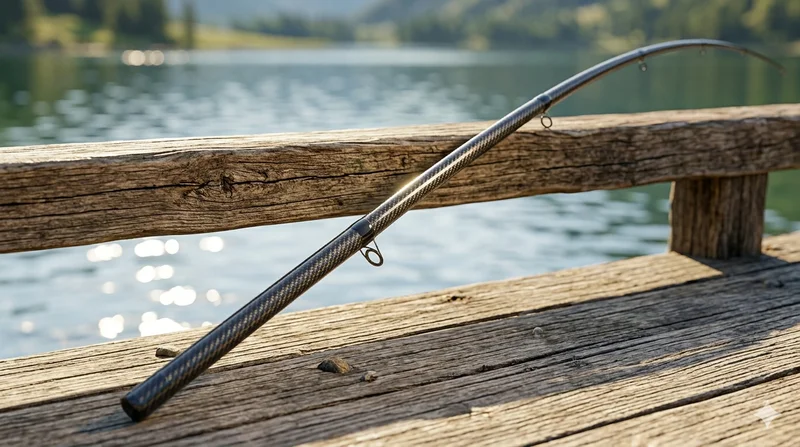
Carbon Fiber Fishing Rod Blank
High-quality carbon fiber fishing rod blank manufactured from multiple grades of Toray carbon fiber cloth. Available in a wide range of lengths, powers, and actions for freshwater and saltwater applications. Suitable for OEM rod building.

Carbon Fiber Plate — 3K Twill T700 1.5mm
Thin 1.5mm carbon fiber plate with 3K twill weave surface. Lightweight and stiff, commonly used for covers, panels, drone bodies, and applications requiring a premium aesthetic appearance.

Carbon Fiber Plate — 3K Twill T700 3.0mm
Medium-thickness 3.0mm carbon fiber plate offering significantly higher load capacity while maintaining attractive 3K twill finish. Suitable for structural brackets, reinforcement plates, and load-bearing panels.
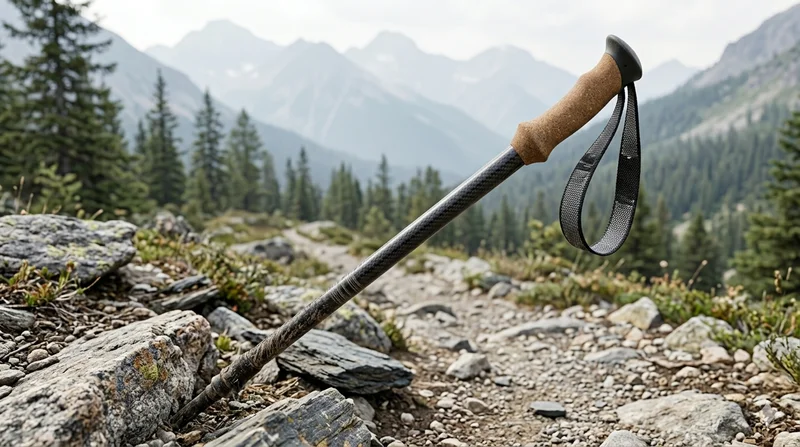
Carbon Fiber Trekking Pole
Lightweight carbon fiber trekking pole manufactured from high-grade carbon fiber tube. Weighs only 160g per pole while providing superior shock absorption and durability for hiking, trail running, and backpacking.

Square Carbon Fiber Tube — 3K Twill T700
Square cross-section carbon fiber tube manufactured with 3K twill weave for torsional strength. Preferred for structural frames, trusses, and support columns where rectangular geometry offers design flexibility.