
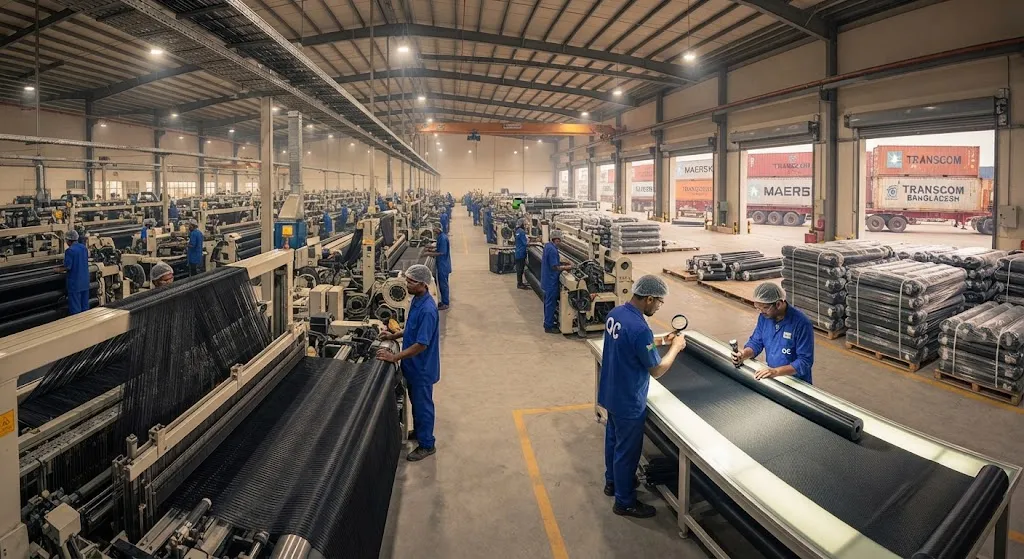
Bangladesh's textile industry, long recognized for garment manufacturing, is undergoing a strategic transformation toward technical textiles — and carbon fiber fabrics for the wind energy sector represent the most promising growth segment. With over 4,500 textile mills and a workforce s
Introduction
Bangladesh's textile industry, long recognized for garment manufacturing, is undergoing a strategic transformation toward technical textiles — and carbon fiber fabrics for the wind energy sector represent the most promising growth segment. With over 4,500 textile mills and a workforce skilled in precision weaving, Bangladesh is positioning itself as a cost-competitive supplier of carbon fiber fabrics for wind turbine blade production, challenging the traditional dominance of Chinese and Japanese suppliers.
For wind energy OEMs and blade manufacturers, the Bangladesh supply proposition combines 20-35% cost advantages over East Asian competitors with improving quality certifications and established logistics infrastructure. This article analyzes the specific capabilities Bangladesh offers for carbon fiber textile production, evaluates quality benchmarks, and explains how blade manufacturers can integrate Bangladeshi suppliers into their procurement strategies.
Bangladesh's Carbon Fiber Textile Manufacturing Capabilities
Bangladesh's transition from garment textiles to technical carbon fiber fabrics leverages existing strengths in weaving, dyeing, and finishing infrastructure. Several factors make the country particularly suitable for wind industry textiles:
- Weaving infrastructure: Over 800 factories operate modern rapier and air-jet looms capable of handling technical fibers. Recent investments have added 200+ looms specifically configured for carbon fiber production, with warp tensioning systems calibrated for the high-modulus fibers used in wind blade applications.
- Labor cost advantage: Average wages for skilled textile workers in Bangladesh remain 40-60% lower than Chinese counterparts and 70-80% lower than Japanese operators. For labor-intensive processes like fabric inspection, cutting, and quality control, this translates directly into finished fabric cost reductions of 20-35%.
- Export-oriented logistics: Chittagong Port handles 95% of Bangladesh's containerized exports, with direct shipping routes to European and North American wind blade manufacturing centers. Transit times to major European ports average 18-22 days, competitive with Chinese port schedules.
- Government incentives: The Bangladesh Export Processing Zones Authority offers 5-10 year tax holidays for technical textile manufacturers, duty-free import of carbon fiber raw materials, and streamlined regulatory approvals for export-oriented facilities.
Quality Standards and Certifications
Wind turbine blade manufacturers require specific quality certifications from textile suppliers. Bangladesh's carbon fiber textile industry has achieved several key benchmarks:
| Quality Standard | Bangladesh Status | Wind Industry Requirement | Gap Assessment |
|---|---|---|---|
| ISO 9001:2015 | 185 factories certified | Minimum requirement | No gap — exceeds requirement |
| ISO 14001 Environmental | 92 factories certified | Increasingly required by EU OEMs | Improving rapidly |
| OHSAS 18001 Safety | 148 factories certified | Required for Tier 1 suppliers | Meeting demand |
| Carbon fiber fabric testing (ASTM D3776/D5035) | 45 factories with accredited labs | Required for blade qualification | Limited but expanding |
| IATF 16949 Automotive (crossover) | 12 factories certified | Applicable for blade root inserts | Niche but available |
The most significant quality challenge remains fiber-to-fabric consistency. Wind blade manufacturers using Bangladeshi textiles report that fiber volume fraction variation within rolls averages 2.5-3.5%, compared to 1.5-2.0% from established Japanese suppliers. This gap is narrowing as Bangladeshi factories invest in automated fiber placement monitoring and closed-loop tensioning systems.
Cost Analysis and Competitive Positioning
The economics of sourcing carbon fiber textiles from Bangladesh are compelling for wind blade manufacturers operating in cost-sensitive markets:
- Fabric cost per square meter: Bangladeshi unidirectional carbon fiber fabric (200 g/m²) averages $12-15/m², compared to $16-20/m² from Chinese suppliers and $22-28/m² from Japanese mills. The cost advantage persists even after accounting for shipping and duties.
- Minimum order quantities: Bangladeshi suppliers typically accept MOQs of 500-1,000 meters, significantly lower than Chinese suppliers who often require 5,000+ meter runs. This flexibility benefits blade prototyping and small-batch production.
- Lead times: Standard orders ship within 45-60 days, with expedited production available in 30-35 days. This compares favorably to 60-90 day lead times from traditional suppliers during peak demand periods.
- Payment terms: Established Bangladeshi exporters offer 60-90 day letter of credit terms, reducing working capital requirements for blade manufacturers managing seasonal production cycles.
Supply Chain Integration Strategies
Integrating Bangladeshi carbon fiber textile suppliers into wind blade manufacturing supply chains requires systematic qualification and relationship management:
- Supplier qualification protocol: Conduct initial facility audits focusing on fiber storage conditions (humidity control critical for carbon fiber), weaving tension consistency, and roll-to-roll quality variation. Request 6-month quality trend data before committing to volume orders.
- Incoming inspection enhancement: Blade manufacturers should implement enhanced incoming inspection for Bangladeshi textiles, including fiber areal weight testing per ASTM D3776, fabric thickness measurement, and visual inspection for weave defects. Budget 2-3% of fabric cost for incoming quality verification.
- Technical collaboration: Engage Bangladeshi suppliers early in blade design to optimize fabric specifications. Many Bangladeshi mills can customize weave patterns, surface treatments, and roll widths at minimal additional cost when given adequate design lead time.
- Dual-source strategy: Maintain qualification of at least two Bangladeshi suppliers alongside existing Asian sources to mitigate supply chain risk while capturing cost benefits. This approach also provides leverage for ongoing price negotiations.
Frequently Asked Questions
How does Bangladeshi carbon fiber fabric quality compare to Chinese and Japanese suppliers for wind blade applications?
Bangladeshi suppliers produce fabric that meets the technical specifications required for wind blade applications, but with some quality variation compared to established suppliers. Fiber volume fraction consistency averages 2.5-3.5% variation (versus 1.5-2.0% for Japanese), and surface finish quality is generally acceptable but may require additional inspection for premium blade programs. For standard blade designs where cost sensitivity is paramount, Bangladeshi fabric provides adequate quality at 20-35% lower cost. For highly loaded blade sections or prototype programs requiring minimal variability, traditional suppliers may still be preferred despite higher costs.
What are the main risks of sourcing carbon fiber textiles from Bangladesh?
The primary risks include: (1) quality consistency — incoming inspection is more critical than with established suppliers, particularly for fiber areal weight uniformity; (2) infrastructure challenges — port congestion during peak seasons can add 7-14 days to lead times; (3) limited technical textile experience — some suppliers are transitioning from garment textiles and may lack deep understanding of composites-specific requirements; (4) political and regulatory uncertainty — while currently stable, policy changes can affect export incentives and duties. Mitigation strategies include dual-sourcing, enhanced incoming inspection, and building buffer inventory for critical production schedules.
Can Bangladeshi suppliers produce specialty carbon fiber fabrics like woven roving or stitched multi-axial?
Yes, leading Bangladeshi technical textile manufacturers are expanding into specialty fabric formats. Currently, approximately 25-30 factories produce woven roving (450-600 g/m²) suitable for blade root and spar cap applications, and 15 factories have invested in multi-axial stitching equipment for biaxial and triaxial fabrics. However, the specialty segment is still maturing — lead times for custom fabrics run 60-75 days versus 45-60 days for standard unidirectional material. Blade manufacturers should engage early with potential suppliers to confirm capability and establish qualification timelines for specialty fabric requirements.
Conclusion
Bangladesh's carbon fiber textile industry represents a compelling value proposition for wind energy blade manufacturers seeking cost reductions without sacrificing technical performance. The 20-35% cost advantage, combined with improving quality certifications and established export infrastructure, positions Bangladesh as a credible alternative to traditional East Asian composite textile suppliers. The quality gap relative to Japanese premium suppliers is real but manageable for most blade programs, particularly when supported by enhanced incoming inspection and technical collaboration.
For blade manufacturers evaluating Bangladesh as a supply source, the practical approach is to qualify 2-3 suppliers through systematic auditing, establish quality benchmarks through trial production runs, and integrate Bangladeshi textiles into a diversified procurement strategy that balances cost, quality, and supply chain resilience. Explore our carbon fiber fabric range including wind-grade technical textiles, or contact our sourcing team to discuss supply chain optimization for your blade manufacturing program.
Related Articles
- Recycled Carbon Fiber Market Forecast 2030: Technology Maturity and Commercialization Path
- South Korea Carbon Fiber Market 2026: Hydrogen Economy and Shipbuilding Innovation
- Wind Turbine Blade Leading Edge Protection 2026: Polyurethane, Tape, and Metallic Shield Solutions
- China Carbon Fiber Overcapacity 2026: Price War Impact and Industry Consolidation
- India Carbon Fiber Market 2026: Wind Energy, Aerospace, and Defense Expansion
- PAN Precursor Market 2026: Acrylonitrile Supply and Carbon Fiber Cost Structure
Interested in Our Products?
Contact our team for competitive pricing and technical specifications.
Get a QuoteRelated Products
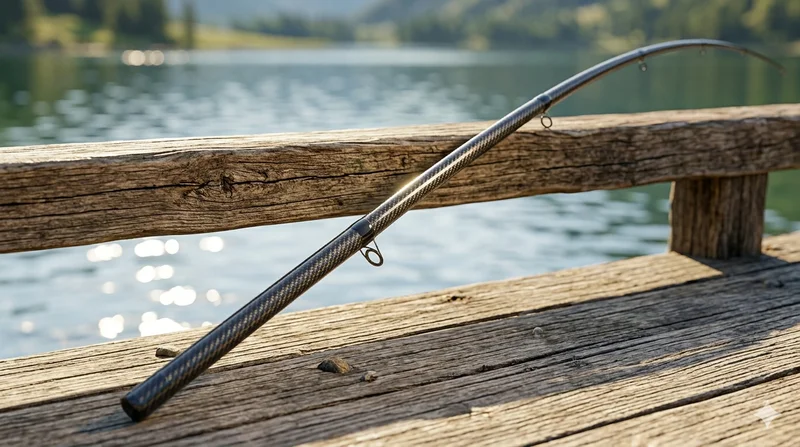
Carbon Fiber Fishing Rod Blank
High-quality carbon fiber fishing rod blank manufactured from multiple grades of Toray carbon fiber cloth. Available in a wide range of lengths, powers, and actions for freshwater and saltwater applications. Suitable for OEM rod building.
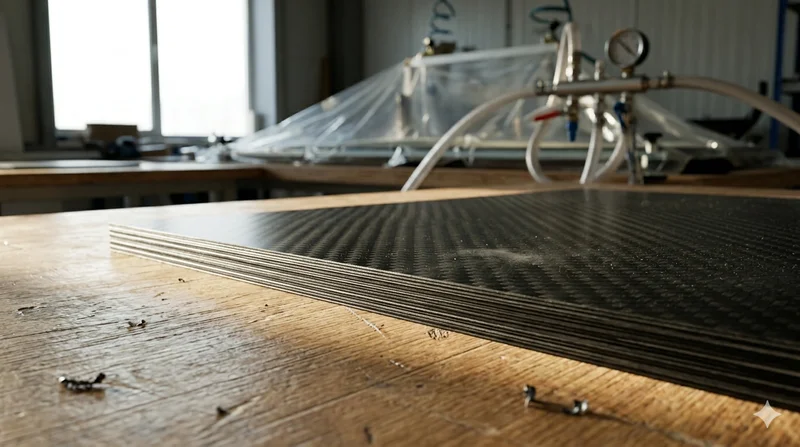
Carbon Fiber Plate — 3K Twill T700 3.0mm
Medium-thickness 3.0mm carbon fiber plate offering significantly higher load capacity while maintaining attractive 3K twill finish. Suitable for structural brackets, reinforcement plates, and load-bearing panels.

Carbon Fiber Plate — 3K Twill T700 1.5mm
Thin 1.5mm carbon fiber plate with 3K twill weave surface. Lightweight and stiff, commonly used for covers, panels, drone bodies, and applications requiring a premium aesthetic appearance.
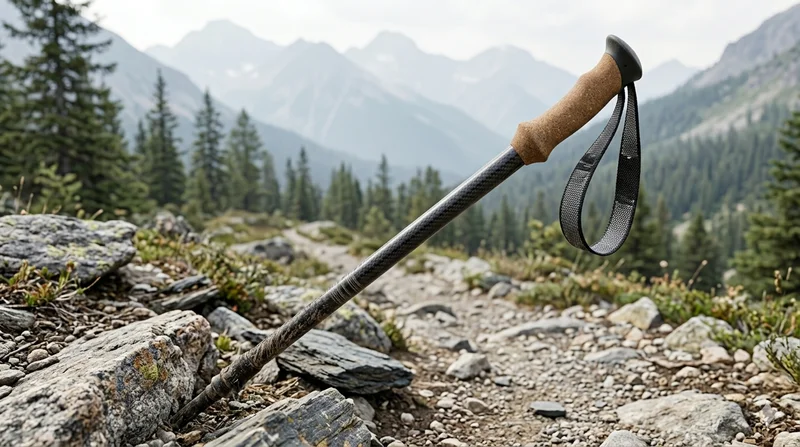
Carbon Fiber Trekking Pole
Lightweight carbon fiber trekking pole manufactured from high-grade carbon fiber tube. Weighs only 160g per pole while providing superior shock absorption and durability for hiking, trail running, and backpacking.
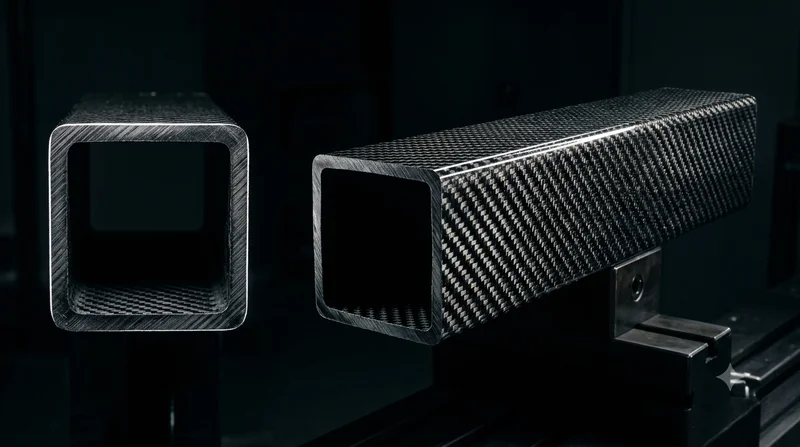
Square Carbon Fiber Tube — 3K Twill T700
Square cross-section carbon fiber tube manufactured with 3K twill weave for torsional strength. Preferred for structural frames, trusses, and support columns where rectangular geometry offers design flexibility.