
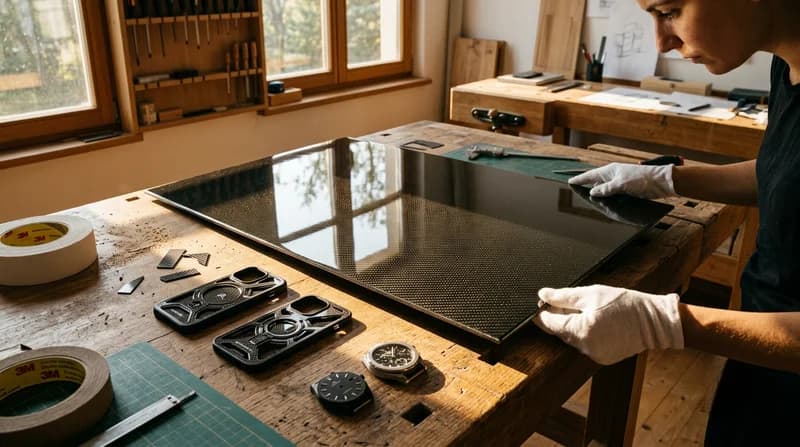
Carbon Fiber Plate — High-Gloss Decorative
High-gloss decorative carbon fiber plate with a mirror-like surface finish. The glossy coating enhances the visible 3K twill weave, creating a premium aesthetic for consumer-facing applications. Lightweight yet stiff, available in thin gauges for easy cutting and forming.
Key Features
Applications
Specifications
- Fiber Grade
- T700 (Toray)
- Finish
- High-Gloss UV Clear Coat
- Thickness Range
- 0.5 – 2.0 mm
- Max Sheet Size
- 1000 × 600 mm
- Weave
- 3K Twill (visible)
Usually respond within 24 hours
Frequently Asked Questions
What is the minimum order quantity for carbon fiber products?
What color and finish options are available?
What is the typical lead time?
Related Articles
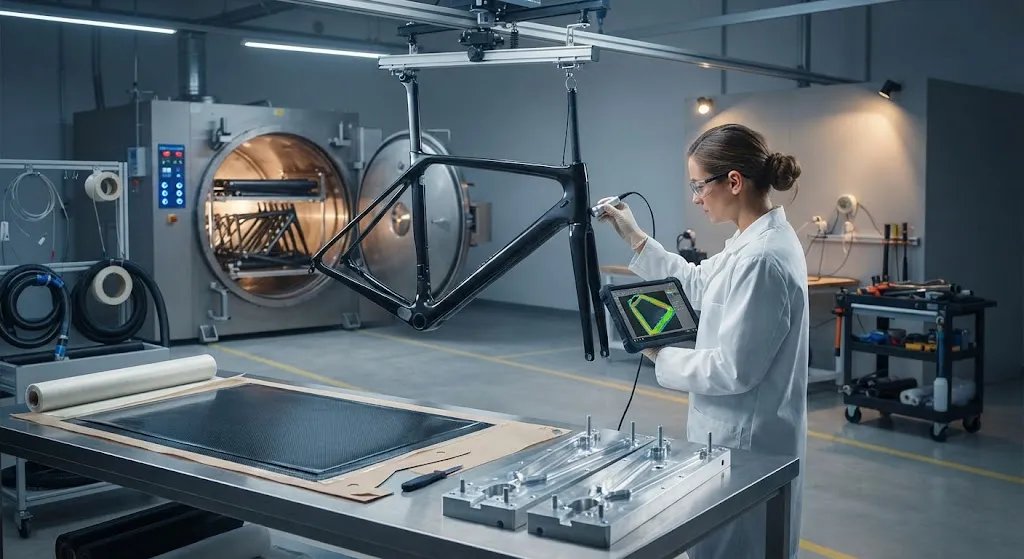
Sports Bicycle Frame Engineering: CFRP for High-Performance Cycling
The modern racing bicycle is one of the most refined applications of carbon fiber composites in consumer products. A top-tier road frame weighs under 800 grams while delivering the lateral stiffness needed for sprint power transfer and the vertical compliance required for all-day comfort over...
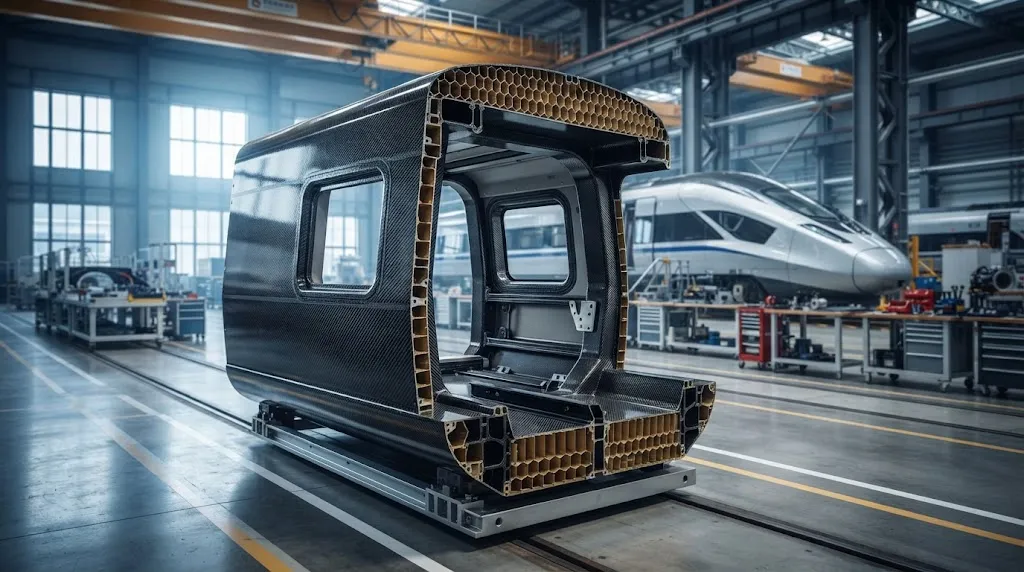
High-Speed Train Car Body: CFRP Structures for 350+ km/h Rail Transport
High-speed rail networks are expanding globally, with over 56,000 km of operational lines and 35,000 km under construction as of 2026. China leads with 42,000 km of 350 km/h service, followed by Europe, Japan, and emerging networks in Southeast Asia, the Middle East, and North America.
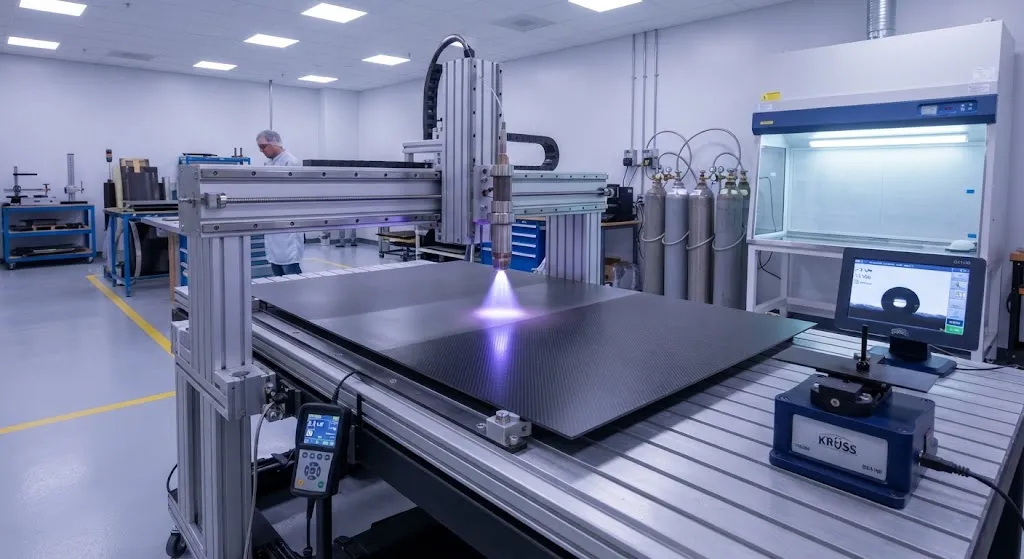
Surface Treatment Plasma Activation: Improved Bonding for CFRP Joints
Adhesive bonding of carbon fiber reinforced polymer (CFRP) joints requires reliable surface preparation to achieve consistent bond strength. Mechanical abrasion, peel ply removal, and chemical primers have served this purpose for decades, but each introduces process variability, contami
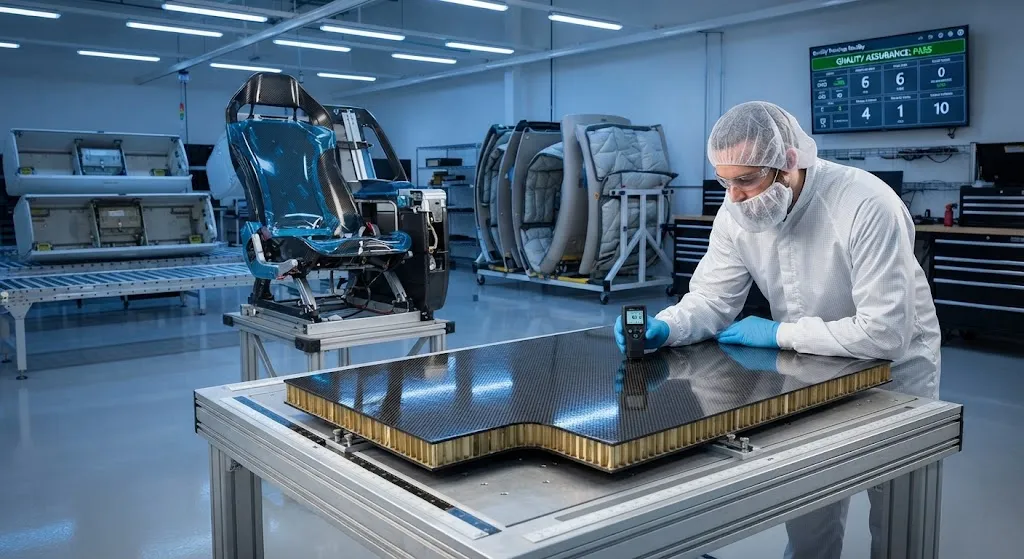
Aviation Interior Lightweight: CFRP for Aircraft Cabin Components
Aircraft cabin interiors represent one of the most compelling weight reduction opportunities in commercial aviation. A typical narrowbody aircraft contains 1,500-2,500 kg of cabin interior components — seats, overhead bins, sidewalls, floor panels, lavatories, and galley equipment — man
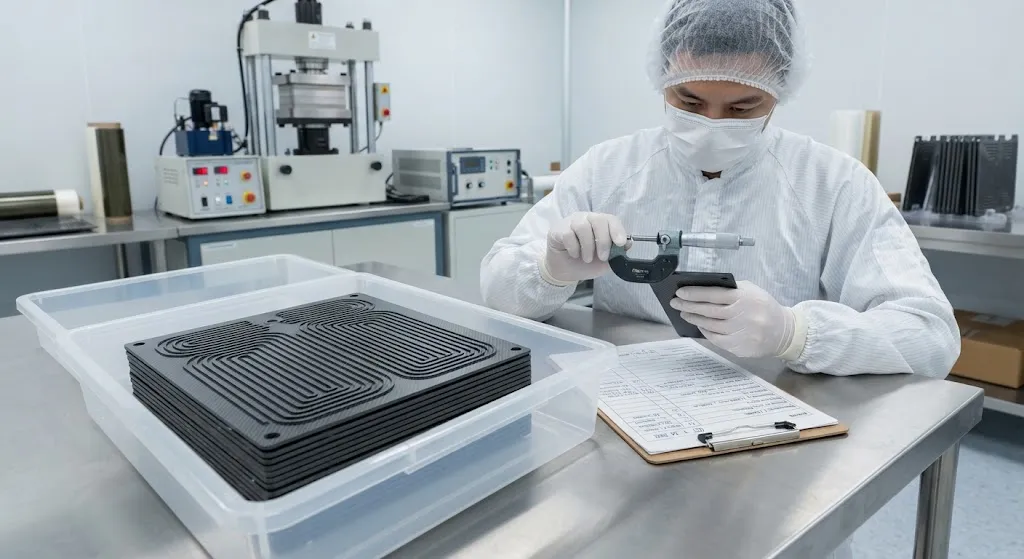
Hydrogen Fuel Cell Bipolar Plate: CFRP for PEM Stack Components
Proton exchange membrane (PEM) fuel cells convert hydrogen and oxygen into electricity and water, with bipolar plates comprising 60–80% of stack weight and cost. Each plate must simultaneously serve four functions: distribute hydrogen and air flow through micro-channels, conduct electro
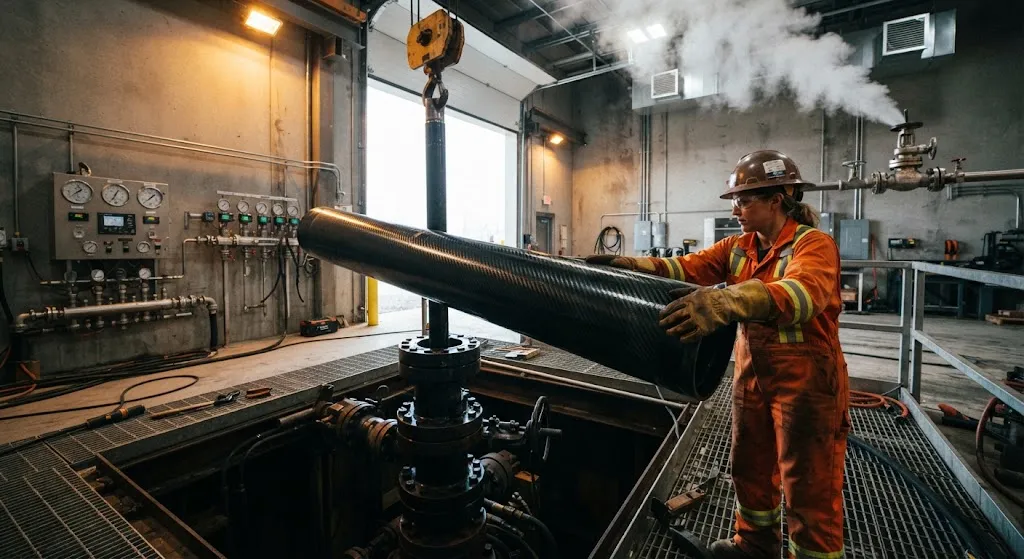
Geothermal Composite Pipe: CFRP Solutions for High-Temperature Energy Extraction
Geothermal energy is one of the fastest-growing renewable energy sectors, with global installed capacity projected to exceed 25 GW by 2030. As drilling depths increase to access higher-temperature reservoirs, the demands on wellbore tubing become increasingly severe. Traditional steel g