

Ukraine's reconstruction represents one of the largest infrastructure rebuilding efforts in modern European history. The scale of damage to transportation networks, energy systems, and industrial facilities creates unprecedented demand for advanced materials — and carbon fiber composite
Introduction
Ukraine's reconstruction represents one of the largest infrastructure rebuilding efforts in modern European history. The scale of damage to transportation networks, energy systems, and industrial facilities creates unprecedented demand for advanced materials — and carbon fiber composites are positioned to play a critical role in this multi-decade rebuilding process. From bridge deck reinforcement to protective structures for energy infrastructure, the applications for carbon fiber in Ukraine's reconstruction are both technically demanding and commercially significant.
For carbon fiber manufacturers and suppliers, Ukraine offers a market characterized by urgency, scale, and specific performance requirements that favor composite solutions over traditional materials. This article examines the primary demand sectors, analyzes the supply chain landscape, and provides practical guidance for B2B suppliers seeking to enter this emerging market.
Reconstruction Demand Drivers
Ukraine's reconstruction needs span multiple sectors, each creating distinct demand for carbon fiber composites:
- Transportation infrastructure: Bridge rehabilitation and replacement, road surface reinforcement, and rail system restoration. Carbon fiber reinforced polymer (CFRP) wraps and laminates offer rapid installation with minimal traffic disruption — critical for restoring economic connectivity.
- Energy sector restoration: Power generation facilities, transmission infrastructure, and distribution networks require both structural repair and new construction. Carbon fiber composites provide corrosion resistance essential for facilities in contaminated environments.
- Defense and security: Ongoing modernization of defense capabilities drives demand for lightweight armor, protective structures, and rapid-deployment bridge systems. Carbon fiber's strength-to-weight ratio is particularly valuable for mobile military applications.
- Industrial rebuilding: Manufacturing facilities, warehouses, and logistics centers require structural systems that can be erected quickly while meeting European building standards for future-proofing investments.
Market Size and Procurement Landscape
The World Bank, European Union, and Ukrainian government estimate reconstruction costs exceeding $500 billion over the next decade. While carbon fiber represents a fraction of total material spend, the specialized applications command premium pricing. The table below estimates carbon fiber demand by sector:
| Sector | Estimated CFRP Demand (tons/year) | Primary Applications | Procurement Priority |
|---|---|---|---|
| Infrastructure rehabilitation | 2,500-4,000 | Bridge wraps, column reinforcement, road overlay | High — immediate restoration need |
| Defense modernization | 1,500-2,500 | Armor systems, vehicle components, field bridges | High — ongoing operational requirement |
| Energy infrastructure | 800-1,200 | Pipe rehabilitation, structural repair, containment | Medium-High — phased restoration |
| Industrial construction | 600-1,000 | Roofing systems, façade panels, equipment mounts | Medium — depends on investment timing |
| Maritime and port facilities | 300-500 | Dock reinforcement, vessel components, crane parts | Medium — port reopening priority |
Procurement is structured through international organizations (World Bank, EBRD, EU), bilateral aid programs, and Ukrainian government agencies. Suppliers must navigate both international tender requirements and local compliance frameworks, creating opportunities for established carbon fiber manufacturers with export experience.
Supply Chain Considerations
Several factors shape the carbon fiber supply chain for Ukraine reconstruction:
- Logistics routing: Primary supply corridors flow through Poland, Romania, and Moldova, with rail and road connections to western and central Ukraine. Suppliers with European warehouse presence gain significant lead time advantages.
- Quality standards: Reconstruction projects increasingly specify European standards (EN, Eurocode), requiring materials with CE marking and European technical approvals. This favors suppliers with established European certifications.
- Payment security: International donor-funded projects offer stronger payment guarantees than direct commercial sales. Understanding the procurement chain — from donor to implementing agency to local contractor — is essential for risk management.
- Local partnerships: Successful market entry typically requires partnerships with Ukrainian construction firms, distributors, or engineering consultants who understand local conditions, regulations, and business practices.
Defense Sector Opportunities
Ukraine's defense modernization program creates specialized demand for carbon fiber composites beyond typical infrastructure applications:
- Lightweight armor systems: Carbon fiber-reinforced ceramic composite armor for vehicles and personnel protection, offering weight savings of 30-40% compared to steel armor at equivalent protection levels.
- Unmanned aerial vehicle (UAV) structures: Carbon fiber wing spars, fuselage components, and payload housings for reconnaissance and tactical UAVs. Ukraine's expanding drone manufacturing sector requires reliable composite supply chains.
- Mobile bridge systems: Rapidly deployable bridge segments using carbon fiber composite decking, offering 60-70% weight reduction compared to traditional aluminum bridging while meeting MIL-STD load requirements.
- Protective infrastructure: Carbon fiber reinforcement for hardened shelters, command posts, and critical facility protection against kinetic threats.
Entry Strategies for Suppliers
Carbon fiber suppliers targeting Ukraine's reconstruction market should consider three primary entry strategies:
- Direct export to international tenders: Registering with World Bank, EBRD, and UN procurement systems. This approach offers large order volumes but requires compliance with international bidding procedures and often involves competitive pricing pressure.
- Partnership with European distributors: Leveraging established distribution networks in Poland, Romania, or the Baltics that already serve Ukrainian markets. This reduces logistics complexity and provides local market knowledge.
- Joint ventures with Ukrainian firms: Establishing local processing or distribution capabilities within Ukraine. This positions suppliers for long-term market presence and builds relationships with end users, though it carries higher initial risk.
Frequently Asked Questions
What are the main certification requirements for selling carbon fiber materials into Ukraine reconstruction projects?
Most internationally funded reconstruction projects require CE marking under European Construction Products Regulation (CPR) and compliance with relevant Eurocode standards. Defense projects may require NATO STANAG compliance or specific Ukrainian defense standards (DSTU). Environmental certifications (ISO 14001) and quality management (ISO 9001) are typically expected for Tier 1 suppliers. Some projects accept equivalent certifications from other jurisdictions, but European certifications provide the strongest market access.
How does payment security work for Ukraine reconstruction procurement?
Payment security varies by procurement channel. World Bank and EBRD projects use established escrow and payment guarantee mechanisms that significantly reduce counterparty risk compared to direct commercial sales. EU-funded programs operate through member state implementation agencies with their own payment frameworks. Direct sales to Ukrainian private sector carry normal commercial credit risk, though the reconstruction boom has improved the overall business environment. Suppliers should conduct due diligence on implementing agencies and consider trade credit insurance for larger orders.
What carbon fiber product forms are most in demand for Ukraine reconstruction?
The highest demand is for structural reinforcement products: CFRP wraps and laminates for concrete and steel rehabilitation, carbon fiber fabrics for wet layup applications, and pultruded profiles for structural strengthening. Defense applications drive demand for prepreg materials, carbon fiber reinforced ceramic armor systems, and woven fabrics for UAV structures. Industrial applications favor standard modulus carbon fiber in sheet molding compound (SMC) or pultruded forms for cost-effective mass production of components.
Conclusion
Ukraine's post-conflict reconstruction creates a substantial, multi-decade market opportunity for carbon fiber composite suppliers. The combination of infrastructure rehabilitation urgency, defense modernization requirements, and European standard compliance creates demand for high-quality carbon fiber materials across multiple product forms. Success in this market requires understanding the procurement landscape, establishing logistics efficiency through European supply chains, and building relationships with both international implementing agencies and local partners.
For carbon fiber suppliers evaluating this market, the practical starting points are certification alignment with European standards, logistics planning through established corridors, and engagement with international procurement systems. Explore our carbon fiber structural reinforcement and fabric product range, suitable for infrastructure rehabilitation and defense applications, or contact our team to discuss supply solutions for reconstruction projects.
Part of topic
Related Articles
- Recycled Carbon Fiber Market Forecast 2030: Technology Maturity and Commercialization Path
- South Korea Carbon Fiber Market 2026: Hydrogen Economy and Shipbuilding Innovation
- Wind Turbine Blade Leading Edge Protection 2026: Polyurethane, Tape, and Metallic Shield Solutions
- China Carbon Fiber Overcapacity 2026: Price War Impact and Industry Consolidation
- India Carbon Fiber Market 2026: Wind Energy, Aerospace, and Defense Expansion
- PAN Precursor Market 2026: Acrylonitrile Supply and Carbon Fiber Cost Structure
Interested in Our Products?
Contact our team for competitive pricing and technical specifications.
Get a QuoteRelated Products
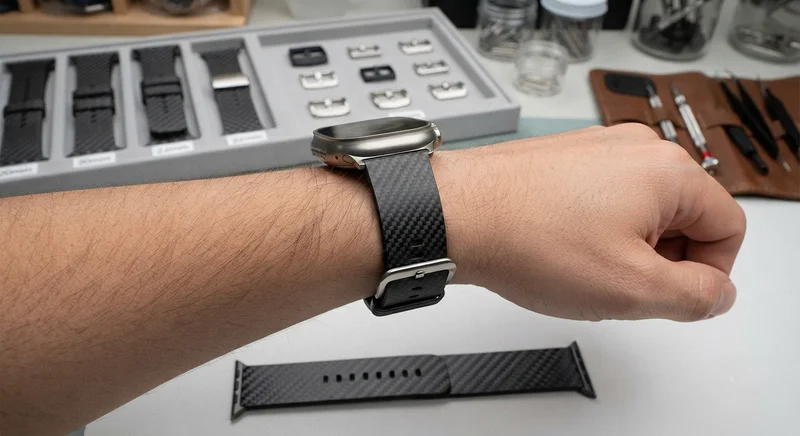
Carbon Fiber Watch Strap — 20mm/22mm Quick-Release
Premium carbon fiber watch strap with quick-release spring bars. Woven from T700 3K twill prepreg with a flexible resin system that conforms to the wrist. Available in 20mm and 22mm lug widths, compatible with Apple Watch, Samsung Galaxy Watch, Garmin, and traditional mechanical watches. Features a stainless steel buckle and carbon fiber keepers. The natural weave pattern makes each strap unique.
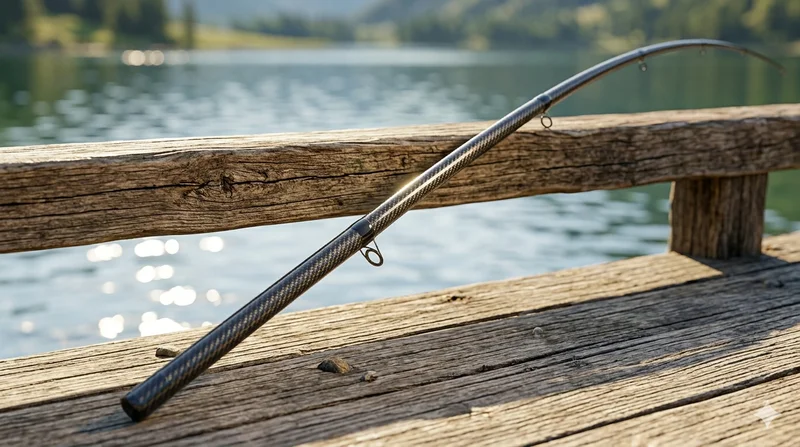
Carbon Fiber Fishing Rod Blank
High-quality carbon fiber fishing rod blank manufactured from multiple grades of Toray carbon fiber cloth. Available in a wide range of lengths, powers, and actions for freshwater and saltwater applications. Suitable for OEM rod building.

Carbon Fiber Plate — 3K Twill T700 1.5mm
Thin 1.5mm carbon fiber plate with 3K twill weave surface. Lightweight and stiff, commonly used for covers, panels, drone bodies, and applications requiring a premium aesthetic appearance.

Carbon Fiber Plate — 3K Twill T700 3.0mm
Medium-thickness 3.0mm carbon fiber plate offering significantly higher load capacity while maintaining attractive 3K twill finish. Suitable for structural brackets, reinforcement plates, and load-bearing panels.
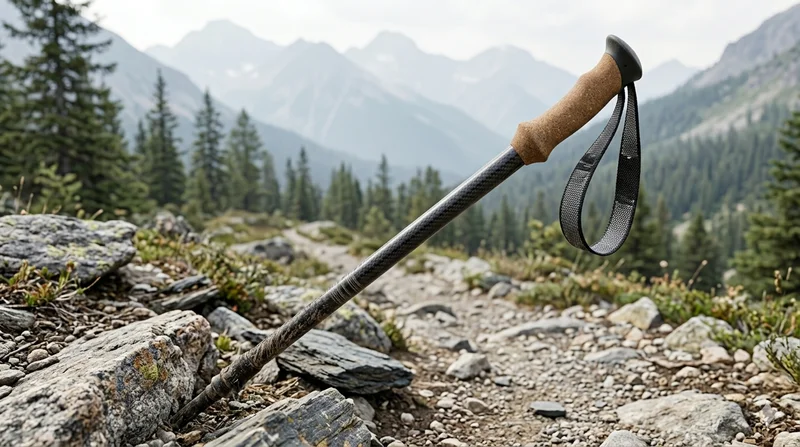
Carbon Fiber Trekking Pole
Lightweight carbon fiber trekking pole manufactured from high-grade carbon fiber tube. Weighs only 160g per pole while providing superior shock absorption and durability for hiking, trail running, and backpacking.